Material Guide: Cleaning Diamond Earrings by Metal Type
Discover expert methods for cleaning diamond earrings based on metal properties. Compare platinum, gold, and silver care protocols.

The Science of Diamond and Metal Interactions
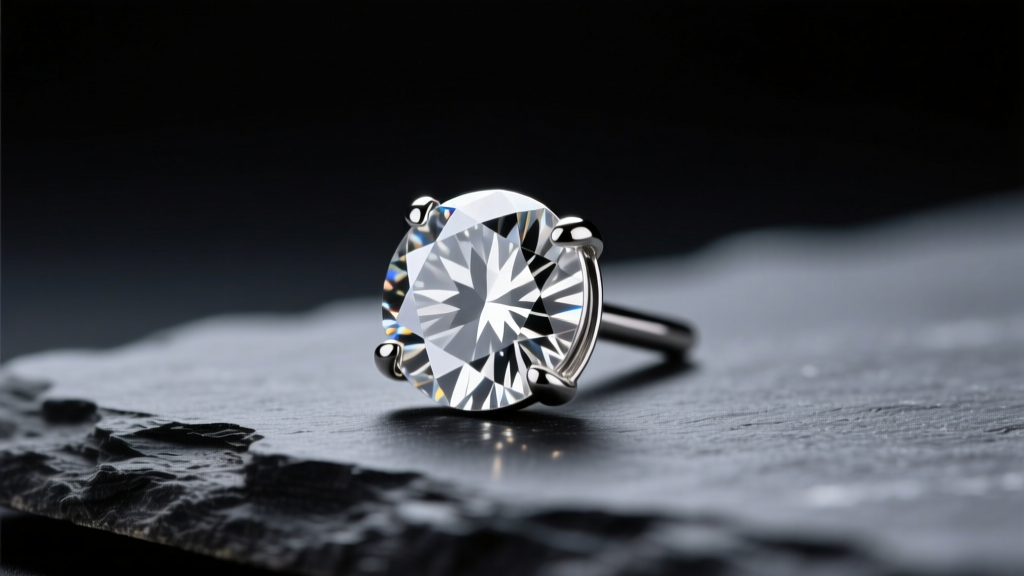
When it comes to cleaning diamond earrings, a one-size-fits-all approach is a recipe for damaged settings and dulled stones. Diamonds possess a unique set of physical properties: they rank a perfect 10 on the Mohs hardness scale, yet they are highly lipophilic, meaning they naturally attract and hold onto oils, lotions, and sebum from your skin. Because a diamond's breathtaking brilliance relies on its high refractive index (2.42), even a microscopic layer of oil causes light leakage, making the stone appear cloudy and lifeless.
However, the true variable in earring maintenance is not the diamond itself, but the metal alloy securing it. Different precious metals react distinctively to chemical solvents, ultrasonic cavitation, and mechanical abrasion. According to the Gemological Institute of America (GIA), while diamonds are incredibly resistant to scratching, the prongs holding them can degrade if exposed to the wrong cleaning agents. Understanding the metallurgical properties of your earring settings is the first step toward preserving their brilliance and structural integrity.
Material Breakdown: How Metal Properties Dictate Cleaning
Platinum (Pt950)
Platinum is a dense, heavy, and highly durable metal. Unlike gold, which loses microscopic layers of metal when scratched, platinum merely displaces, developing a soft patina over time. With a Vickers Hardness (HV) of roughly 125, it is highly resistant to wear. Cleaning Protocol: Platinum is entirely safe for ultrasonic cleaners and steam cleaners. It can also withstand mild ammonia solutions without degrading, making it the most forgiving metal for deep cleaning.
18k and 14k Yellow Gold
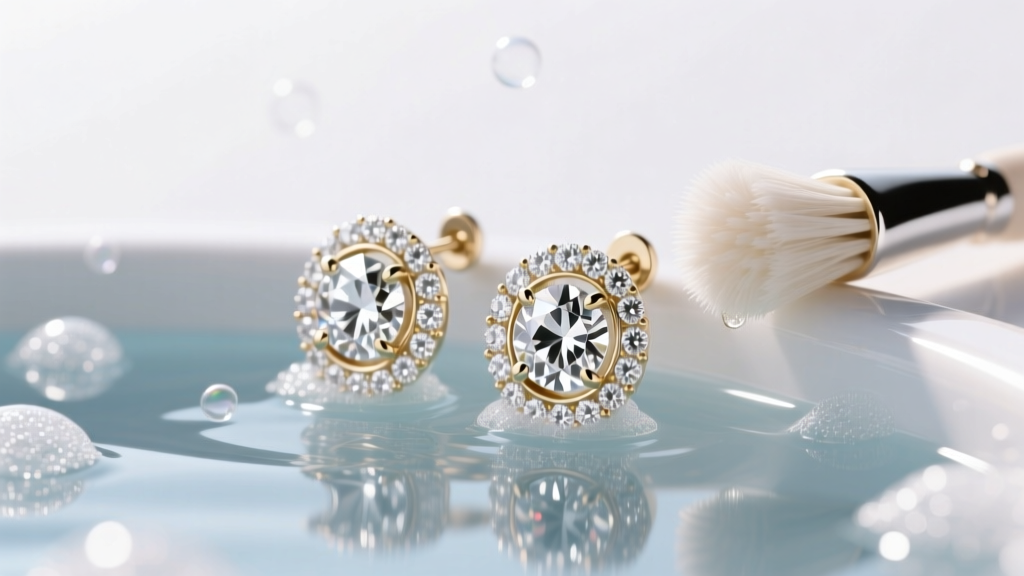
Pure 24k gold is too soft for securing diamonds, so it is alloyed with copper, silver, and zinc. 18k gold (75% pure) is softer and richer in color, while 14k gold (58.3% pure) is harder and more durable. Cleaning Protocol: Both are safe for ultrasonic cleaning, provided the diamond is not fracture-filled. However, harsh abrasives will easily scratch 18k gold. Stick to soft-bristled baby toothbrushes and mild dish soap solutions to protect the metal's high-polish finish.
Rhodium-Plated White Gold
White gold is naturally slightly yellowish; to achieve a bright white finish, it is plated with rhodium, a rare metal in the platinum group. Rhodium is hard but extremely thin (usually 0.75 to 1.0 microns). Cleaning Protocol: You must avoid ammonia-based cleaners and harsh chemicals, which can accelerate the wear of the rhodium layer, causing the earrings to look yellow. Ultrasonic cleaning is generally safe for short durations, but frequent use can cause the plating to flake.
Sterling Silver (925)
Sterling silver is an alloy of 92.5% silver and 7.5% copper. The copper content makes it highly susceptible to tarnishing when exposed to sulfur in the air or cosmetics. Cleaning Protocol: Avoid ultrasonic cleaners, as the high-frequency vibrations can accelerate oxidation in the copper alloys. Use a specialized silver polishing cloth for the metal, and a gentle soap soak for the diamond. Never use the aluminum foil and baking soda electrolysis method on diamond earrings, as the chemical reaction can loosen the adhesive in any secondary gemstone accents.
Chemical Compatibility Matrix
To streamline your maintenance routine, refer to this compatibility matrix before submerging your earrings in any solution. Data compiled from Jewelers of America care guidelines.
| Metal Alloy | Vickers Hardness (HV) | Ultrasonic Safe? | Ammonia Safe? | Primary Cleaning Risk |
|---|---|---|---|---|
| Platinum (Pt950) | ~125 HV | Yes | Yes | Patina alteration (cosmetic only) |
| 18k Yellow Gold | ~120 HV | Yes | Yes | Micro-scratching from abrasives |
| 14k White Gold (Rhodium) | ~135 HV (Base) | Caution | No | Rhodium plating degradation |
| Sterling Silver (925) | ~65 HV | No | No | Oxidation and rapid tarnishing |
Tools of the Trade: What to Use and Avoid
Having the right tools is just as critical as choosing the right chemical agent. Professional jewelers rely on specific implements that protect both the stone and the setting.
- Ultra-Soft Baby Toothbrush: Standard toothbrushes have bristles that are too stiff and can trap microscopic grit that scratches gold. Always use a brand-new, extra-soft baby toothbrush.
- Wooden Toothpicks: For stubborn debris trapped in the tight gap between the diamond's girdle and the prong, use a wooden toothpick. Never use metal needles or safety pins, as steel can scratch gold and platinum settings.
- Lint-Free Microfiber Cloth: Paper towels and tissues are made of wood pulp and can leave micro-scratches on high-polish metals while leaving behind lint that clings to the diamond.
- Ultrasonic Cleaner (40-45 kHz): If using an at-home ultrasonic machine, ensure it operates in the 40,000 to 45,000 Hz range. Lower frequencies create larger cavitation bubbles that can be too aggressive for delicate prong settings.
Step-by-Step Cleaning Protocols by Setting
The Universal Gentle Soak (Safe for All Metals)
- Prepare the Solution: Mix 1 cup of warm (not hot) distilled water with 3 drops of mild, phosphate-free dish soap.
- Soak: Submerge the diamond earrings for 15 to 20 minutes. This breaks down the lipophilic oils trapping dirt against the diamond's pavilion.
- Agitate: Using the soft baby toothbrush, gently brush the underside of the diamond where grease accumulates. Do not scrub the metal prongs aggressively.
- Rinse and Dry: Rinse under lukewarm running water over a plugged sink. Pat dry with a lint-free microfiber cloth.
The Ammonia Boost (Platinum and Yellow Gold Only)
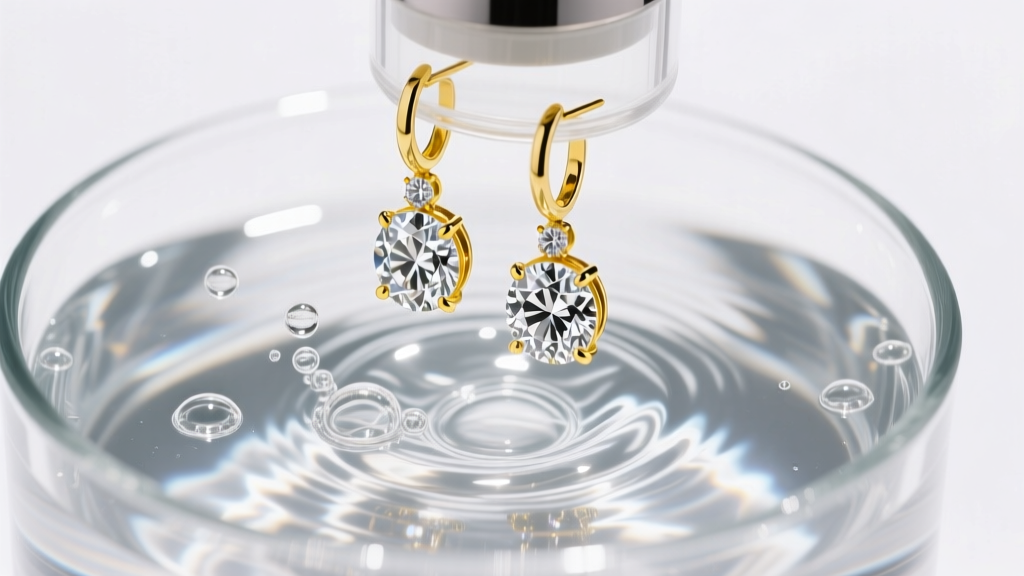
For heavily soiled platinum or yellow gold diamond earrings, a diluted ammonia solution offers superior degreasing. Mix one part clear household ammonia to six parts warm water. Soak for no more than 10 minutes. The ammonia effectively strips stubborn cosmetic buildup that dish soap leaves behind. Never use this on white gold, silver, or any diamond with clarity enhancements (fracture filling), as ammonia will dissolve the glass-like fillers and ruin the stone.
Critical Failure Modes: What Ruins Diamond Earrings
- Chlorine Exposure: Wearing gold diamond earrings in a swimming pool is disastrous. Chlorine reacts with the copper and zinc alloys in 14k and 18k gold, causing 'stress corrosion cracking.' This can cause prongs to snap, leading to lost diamonds.
- Toothpaste Abrasion: A common internet myth suggests using toothpaste to clean jewelry. Toothpaste contains silica and baking soda with a Mohs hardness of 3 to 4. While it will not scratch the diamond, it will severely scratch 18k gold and platinum, dulling the metal's polish.
- Ultrasonic Overexposure: Leaving earrings in an ultrasonic cleaner for too long (over 5 minutes) can vibrate the prongs loose, especially if the setting is already worn or if the diamond has a thin girdle.
Expert Maintenance Schedule
To maintain optimal light return and secure settings, establish a routine based on your wear habits. If you wear your diamond studs daily, perform the Universal Gentle Soak once a week. Every six months, take your earrings to a professional jeweler for a microscopic prong inspection and a professional steam clean. By respecting the material properties of your specific metal settings, your diamond earrings will remain brilliant and structurally sound for generations.


