Cleaning Earring Holes: Material Properties & Care Guide
Discover the science of cleaning earring holes based on jewelry materials. Learn how titanium, gold, and steel affect fistula health and odor.

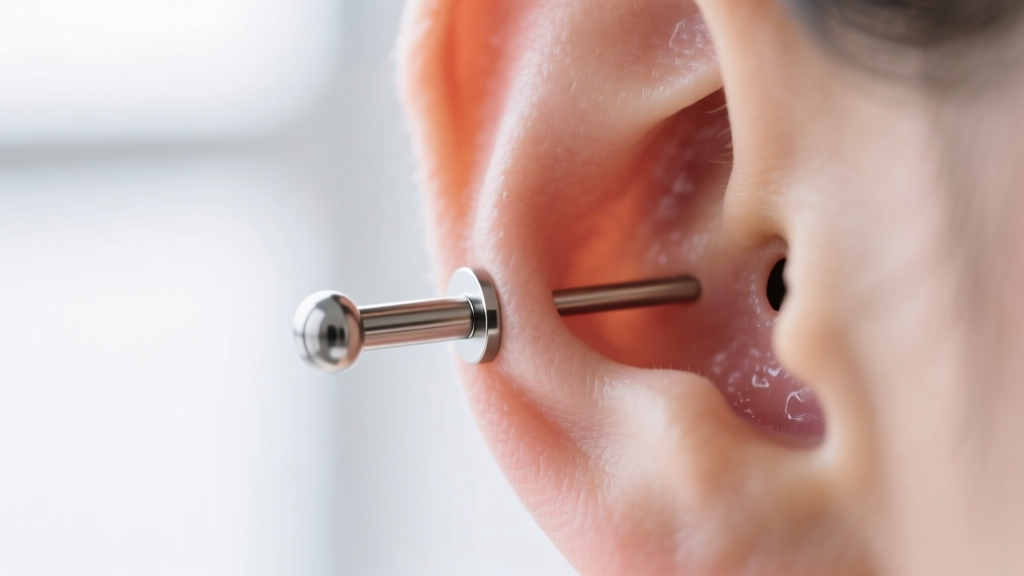
The Biology of the Fistula: Why Earring Holes Trap Debris
When discussing the best methods for cleaning earring holes, most generic guides focus solely on hygiene products. However, as material science dictates, the environment inside your fistula (the pierced tunnel of skin) is heavily influenced by the metallurgical properties of the jewelry you wear. The infamous "ear cheese" odor is not simply a sign of poor hygiene; it is a biochemical reaction between sebum, dead keratinocytes, cosmetics, and metal oxidation.
The fistula is a living tube of stratified squamous epithelium. It continuously sheds dead skin cells and secretes sebum to lubricate the skin. When this organic matter becomes trapped against a microscopic rough surface or a reactive metal alloy, it creates an anaerobic breeding ground for Corynebacterium and Staphylococcus bacteria. Understanding how different jewelry materials interact with this biological environment is the first step toward effective, long-term piercing care.
Material Properties: How Your Jewelry Dictates Buildup
Not all metals are created equal. The surface finish and elemental composition of your earrings will either repel organic buildup or actively harbor it. Here is a deep dive into the most common earring materials and their impact on fistula health.
Implant-Grade Titanium (ASTM F-136)
According to the Association of Professional Piercers, ASTM F-136 implant-grade titanium is the gold standard for both fresh and healed piercings. Its primary advantage for cleaning earring holes lies in its surface finish. High-quality titanium jewelry is polished to a mirror finish with a surface roughness (Ra) of less than 0.2 micrometers. This ultra-smooth surface prevents dead skin cells and sebum from adhering to the metal, making the fistula significantly easier to clean and virtually eliminating odor.
Surgical Stainless Steel (316L VM)
While 316L steel is common and affordable, it contains 8% to 10.5% nickel. Even though the nickel is theoretically trapped within the steel's crystal lattice, the acidic environment of human sweat and sebum can cause microscopic leaching. This triggers mild Allergic Contact Dermatitis (ACD) in sensitive individuals. The resulting microscopic weeping of clear lymphatic fluid mixes with dead skin, creating a thicker, more stubborn crust that makes cleaning earring holes much more difficult and frequent.
14k and 18k Solid Gold
Solid gold is highly inert and excellent for healed piercings. However, the alloying metals matter. 14k and 18k yellow gold are generally safe, but white gold is often alloyed with nickel or palladium and plated with rhodium. Once the rhodium plating wears off inside the friction-heavy environment of the fistula, the underlying nickel alloys are exposed, leading to the same inflammatory buildup seen in low-grade steel.
Porous & Reactive Materials (Acrylic, Wood, Low-Grade Alloys)
Acrylic and organic materials like wood or bone are highly porous. Under a microscope, these materials look like sponges. They absorb sebum and bacteria directly into the jewelry itself. No amount of surface cleaning will remove the odor once it penetrates the material matrix. These should never be worn in unhealed piercings or left in the ear for extended periods without rigorous removal and cleaning.
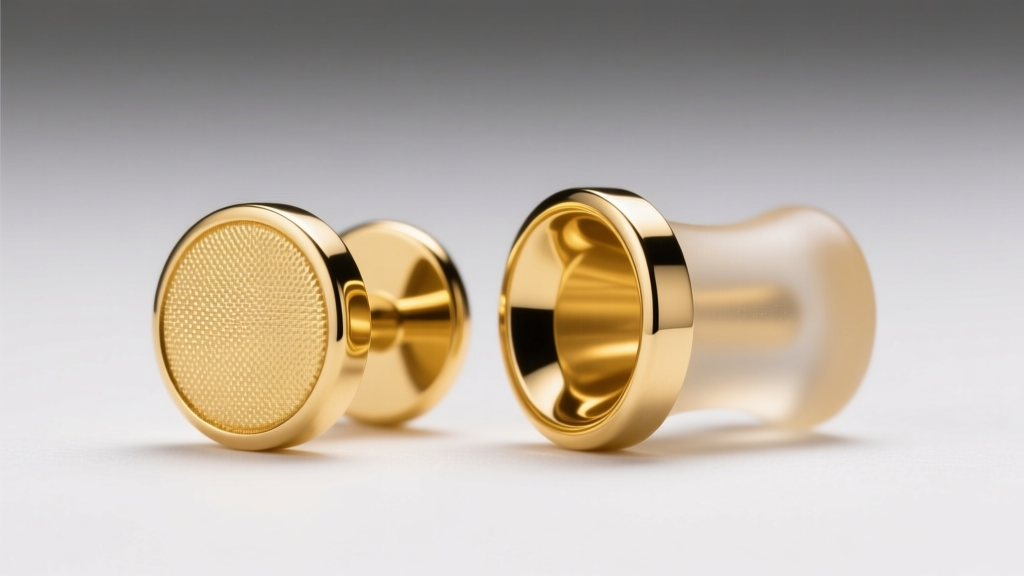
Step-by-Step Protocol for Cleaning Earring Holes
Effective cleaning requires matching the chemical agent to the jewelry material and the healing stage of the piercing. Avoid harsh chemicals like rubbing alcohol or hydrogen peroxide, which are cytotoxic to fibroblasts and delay cellular turnover.
Daily Maintenance for Healed Lobes (20g to 16g)
Standard lobe piercings typically range from 20-gauge (0.81mm) to 16-gauge (1.2mm). Because the space between the jewelry and the fistula wall is incredibly tight, capillary action traps sebum.
- The Solution: Use a sterile 0.9% sodium chloride (saline) wound wash. Do not use homemade salt solutions, as improper ratios can dehydrate the fistula tissue.
- The Tool: Never use cotton balls or Q-tips. Cotton fibers easily detach and become embedded in the fistula, causing micro-tears and granulomas. Use non-woven 4x4 gauze pads.
- The Technique: Saturate the gauze, press it against the front and back of the earlobe for 30 seconds to soften sebum, and gently slide the jewelry back and forth (no more than 2mm of movement) to flush the tunnel.
Deep Cleaning Cartilage & Stubborn Odors (14g and larger)
Cartilage piercings (like the daith, rook, or conch) are usually pierced at 16g or 14g (1.6mm). The thicker jewelry allows for better fluid exchange, but cartilage is prone to prolonged healing and localized swelling.
- The Solution: A fragrance-free, dye-free liquid glycerin soap (such as Dial Gold) used once a week to break down heavy lipid (sebum) buildup.
- The Technique: Lather the soap in your hands, apply the suds to the piercing site, and let it sit for 60 seconds. Rinse with warm distilled water. Follow up with a sterile saline spray to restore the skin's natural pH balance.
Pro-Tip for Heavy Buildup: If you are cleaning earring holes that have accumulated hardened sebum, do not force the jewelry. Soak the area in a warm saline compress for 5 minutes to rehydrate the keratin bonds before attempting to move the post.
Material vs. Cleaning Agent Compatibility Chart
Using the wrong cleaning agent can degrade your jewelry, leading to micro-pitting where bacteria hide. Refer to this compatibility matrix when maintaining your collection.
| Jewelry Material | Sterile Saline (0.9% NaCl) | Mild Glycerin Soap | Tea Tree Oil (Diluted) | Rubbing Alcohol (70%) |
|---|---|---|---|---|
| ASTM F-136 Titanium | Highly Recommended | Safe (Weekly) | Safe (Spot Treatment) | Avoid (Unnecessary) |
| 14k/18k Yellow Gold | Highly Recommended | Safe (Weekly) | Avoid (Can dull finish) | Avoid (Can damage alloys) |
| 316L Surgical Steel | Highly Recommended | Safe (Weekly) | Avoid (Accelerates oxidation) | Strictly Avoid (Causes pitting) |
| Acrylic / PTFE | Safe | Safe | Strictly Avoid (Causes cracking) | Strictly Avoid (Melts material) |
| Niobium | Highly Recommended | Safe (Weekly) | Safe | Avoid (Strips anodized colors) |
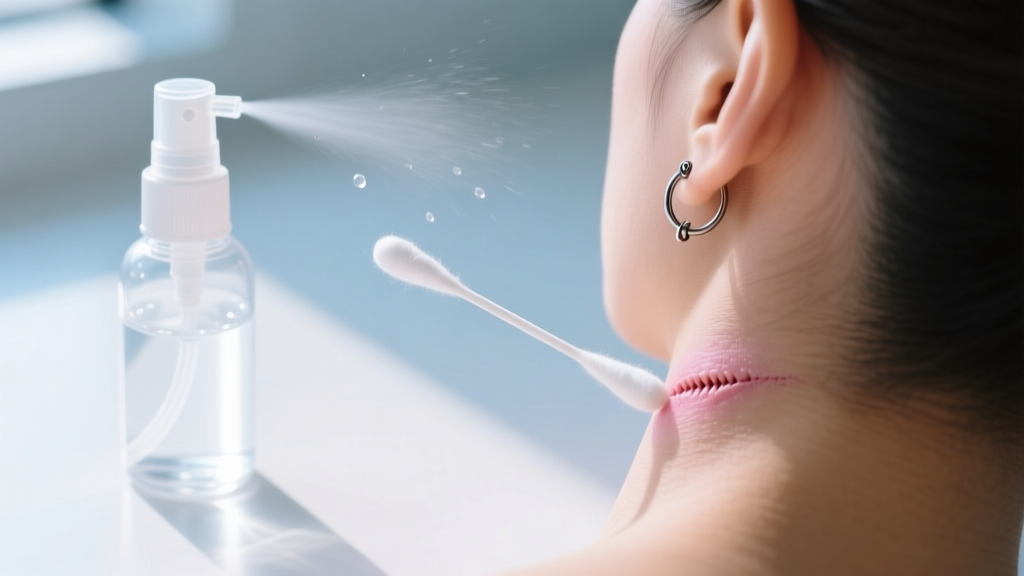
Troubleshooting: Infections, Rejections, and Metal Allergies
Many people mistakenly believe they have an infection when they are actually experiencing a localized allergic reaction to their jewelry material. The American Academy of Dermatology notes that nickel is one of the most common triggers for allergic contact dermatitis.
Identifying the Root Cause
- True Infection: Characterized by intense, throbbing pain, radiating heat, swelling that extends beyond the immediate piercing site, and thick, opaque yellow/green exudate. This requires medical intervention and oral antibiotics, not just better cleaning.
- Allergic Contact Dermatitis (ACD): Characterized by itching, flaky or peeling skin around the hole, clear fluid weeping, and a localized red rash that perfectly matches the contact area of the earring back or post. The solution is not more aggressive cleaning; it is an immediate material upgrade to implant-grade titanium or solid niobium.
- Irritation Bump (Hypertrophic Scarring): Often caused by mechanical friction (sleeping on the ear) or chemical burns from using harsh cleaners like alcohol or undiluted tea tree oil. Switch to sterile saline only and use a travel pillow to relieve pressure.
When to Downsize or Change Your Jewelry Gauge
If you are constantly struggling with cleaning earring holes because of recurring buildup, your jewelry gauge or style might be the culprit. Standard butterfly-back stud earrings are notorious for trapping debris against the skin, creating a humid, anaerobic pocket. Switching to flat-back labret studs (in 18g or 16g) eliminates this dead space. Furthermore, if your piercer used a 14-gauge needle but installed a 16-gauge post to reduce swelling, the slight mismatch can create a microscopic ledge inside the fistula where dead skin accumulates. Ensuring your jewelry perfectly matches the gauge of your fistula is a critical, often overlooked aspect of long-term piercing hygiene.


