Expert Guide to Cleaning and Maintaining Your Earrings
Learn expert techniques for cleaning and maintaining your earrings. Discover safe methods for gold, silver, pearls, and gemstones to keep them pristine.

The Chemistry of Tarnish and Sebum Buildup
Proper earring maintenance goes far beyond simple aesthetics; it is a matter of dermatological health and material preservation. Every time you wear your favorite studs, hoops, or dangles, they are exposed to a complex chemical environment. Human sebum, dead epidermal cells, cosmetic residues, and environmental sulfur compounds constantly interact with the metals and gemstones resting against your skin.
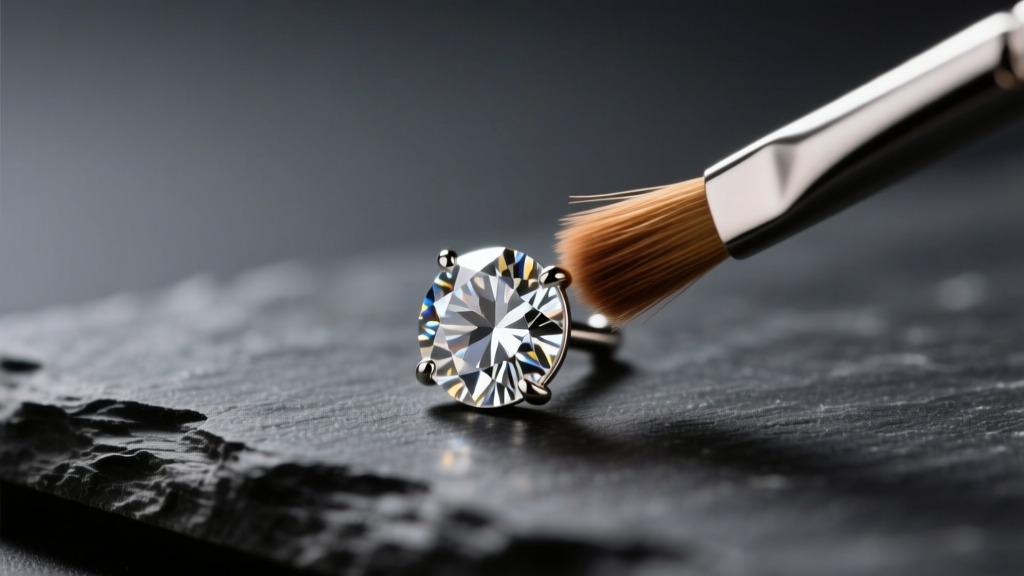
Diamonds, for instance, are highly oleophilic (oil-attracting). A microscopic layer of lotion or natural skin oil will adhere to the pavilion facets of a diamond stud, drastically reducing its refractive index and causing it to look cloudy or dull. Similarly, sterling silver reacts with hydrogen sulfide in the air and on the skin to form silver sulfide, the blackish tarnish that ruins the luster of your favorite huggies. Understanding these chemical interactions is the first step toward mastering professional-grade jewelry care at home.
Material-Specific Cleaning Protocols
There is no universal cleaning solution for fine jewelry. What safely restores a platinum drop earring can permanently destroy a turquoise dangle. Below are the precise, material-specific protocols you must follow to maintain your collection.
Solid Gold (14k, 18k) and Platinum
Karat gold alloys (like 14k and 18k) contain secondary metals such as copper, zinc, and silver to increase durability. These alloys are highly susceptible to stress corrosion cracking when exposed to chlorine. Never wear your gold earrings in a hot tub or swimming pool. For routine cleaning, use a 1:10 ratio of mild, phosphate-free dish soap to lukewarm water. Allow the earrings to soak for exactly 15 minutes to loosen sebum, then gently agitate them using an extra-soft baby toothbrush. Avoid stiff nylon bristles, which can leave micro-scratches on high-polish finishes.
Sterling Silver (925) and the Electrochemical Reduction Method
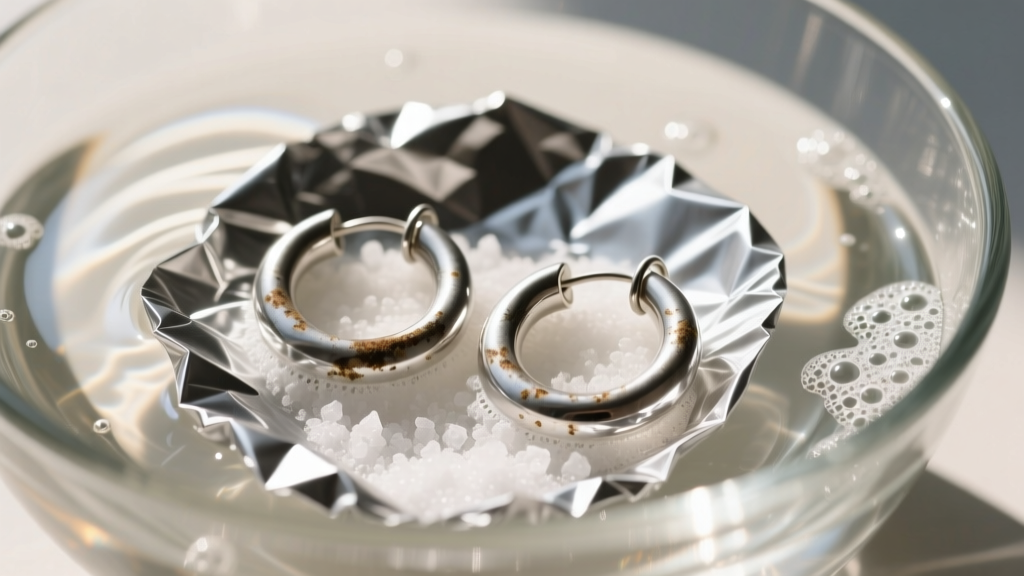
Polishing cloths are effective for light tarnish, but they are abrasive and will eventually strip the rhodium plating off white gold and silver pieces. For heavy silver sulfide tarnish, utilize an electrochemical reduction bath. Line a glass bowl with aluminum foil (shiny side up). Place your tarnished silver earrings on the foil, ensuring direct contact. Add one tablespoon of baking soda and a pinch of salt, then pour boiling water over the setup. The aluminum acts as an anode, drawing the sulfur away from the silver and leaving your earrings pristine without removing any base metal. According to The Silver Institute, this is the safest method for preserving the intricate milgrain and filigree details on vintage silver pieces.
Porous Gemstones and Organic Materials
Organic gems like pearls, coral, and amber, as well as porous stones like turquoise and opal, require a radically different approach. Pearls rank a mere 2.5 to 3.0 on the Mohs hardness scale and are composed of calcium carbonate, which dissolves in acidic environments (including human sweat). Never submerge pearls in water, as this will degrade the silk thread used for stringing and cause the epoxy in drill holes to fail. Instead, wipe them gently after every wear with a damp, lint-free microfiber cloth.
Ultrasonic vs. Steam Cleaning: A Safety Matrix
Modern ultrasonic cleaners use high-frequency sound waves (typically 40 to 45 kHz) to create microscopic cavitation bubbles in a liquid solvent. When these bubbles collapse, they generate intense localized shockwaves that blast dirt from microscopic crevices. While highly effective for diamond and sapphire studs, ultrasonic cleaners are notorious for shattering fragile gems or shaking loose poorly set pavé stones.
Steam cleaners use pressurized, high-temperature vapor to blow away grime. However, the sudden thermal shock can cause catastrophic internal fracturing in temperature-sensitive stones. Consult the matrix below before utilizing mechanical cleaners.
| Gemstone / Material | Mohs Hardness | Ultrasonic Safe? | Steam Safe? | Primary Risk Factor |
|---|---|---|---|---|
| Diamond | 10 | Yes (with caveats) | Yes | Can shatter if heavily included or fracture-filled |
| Ruby / Sapphire | 9 | Yes | Yes | Fracture-filled stones may cloud or leak |
| Emerald | 7.5 - 8 | NO | NO | Strips essential cedar oils; causes severe cracking |
| Opal | 5.5 - 6.5 | NO | NO | Water loss leads to crazing and structural collapse |
| Pearl | 2.5 - 3.0 | NO | NO | Dissolves nacre; destroys epoxy and silk threads |
| Tanzanite | 6.5 - 7 | NO | NO | Extreme thermal shock and cleavage plane splitting |
Pro Tip: If you are unsure whether your gemstone has been fracture-filled or treated with oils, always default to manual cleaning with a soft brush and mild soapy water. The Gemological Institute of America (GIA) strongly advises against ultrasonic cleaning for any stone with visible surface-reaching fractures.
Daily Maintenance and Archival Storage
How you store your earrings when they are not on your body dictates how often you need to clean them. Tossing mixed metals and gemstones into a single communal jewelry box guarantees micro-scratches and accelerated galvanic corrosion.
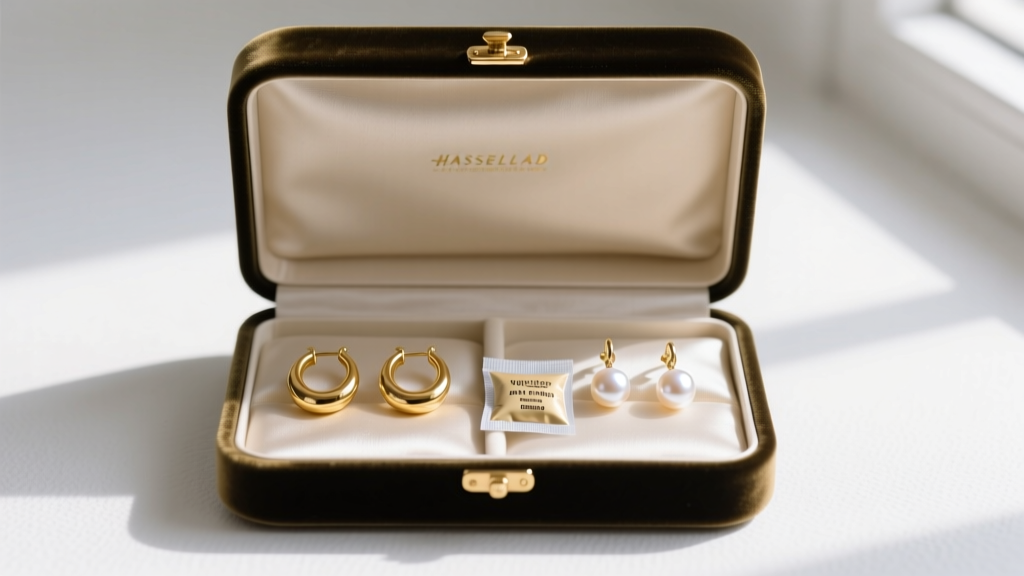
- Individual Polybags: Store sterling silver and oxidized metals in individual, airtight polyethylene bags to limit exposure to ambient humidity and airborne sulfur.
- Anti-Tarnish Strips: Place 3M anti-tarnish strips inside your storage drawers. These strips contain copper particles that act as a sacrificial anode, absorbing hydrogen sulfide and sulfur dioxide before they can reach your silver earrings.
- Humidity Control: For organic gems like opals and pearls, maintain a stable humidity level around 40-50%. Storing them with a small silica gel packet prevents the growth of mold on organic backing materials, but avoid completely desiccating opals, which require trace moisture to prevent crazing.
- Post Protection: Always secure the butterfly back or screw-back onto the earring post before storing. This prevents the delicate threading on screw-backs from becoming cross-threaded or damaged by other jewelry.
Troubleshooting Common Earring Failures
Even with meticulous care, mechanical issues can arise. Here is how to handle the most common earring emergencies without causing irreversible damage to your fine jewelry.
Stuck Friction Backs and Screw-Backs
Sebum and dead skin cells can calcify inside the tiny tube of a butterfly friction back, effectively gluing it to the earring post. Never use metal pliers to force a stuck back off; you will inevitably mar the precious metal and bend the post. Instead, apply a single drop of food-grade mineral oil to the junction of the post and the back. Let it sit for 10 minutes to break down the lipid bonds, then gently twist and pull using a piece of textured rubber (like a clean rubber glove) for grip. For threaded screw-backs, if the threads are stripped, a jeweler can easily re-tap the post or replace the backing mechanism.
Cloudy or Hazy Gemstones
If a diamond or sapphire stud remains cloudy after a soap soak, the issue is likely a stubborn film of cosmetic polymers (like waterproof mascara or setting spray). Dip a cotton swab in 90% isopropyl alcohol and carefully swab the pavilion (the underside) of the stone. The alcohol acts as a powerful degreaser and evaporates quickly without leaving a residue, instantly restoring the stone's light return and brilliance.
Irritated Piercing Holes
If your earlobes become itchy or inflamed after wearing earrings, the culprit is often a buildup of bacteria on the post, or a contact allergy to nickel alloys. Clean the earring posts with an alcohol wipe before every wear. If irritation persists, switch to implant-grade titanium (ASTM F136) or niobium earrings, which are entirely hypoallergenic. The American Academy of Dermatology recommends avoiding fashion jewelry containing nickel, brass, or bronze if you have a history of contact dermatitis.
Final Thoughts on Longevity
Treating your earrings with the respect their metallurgy and gemology demand ensures they will outlive you, ready to be passed down as pristine heirlooms. By abandoning harsh, abrasive shortcuts and embracing these scientifically backed cleaning protocols, you protect both your investment and your skin. Make these maintenance routines a habitual part of your jewelry ownership, and your collection will continue to catch the light flawlessly for decades to come.


