Ultimate Care Guide for Vintage & Modern Red Clip On Earrings
Learn expert cleaning and maintenance tips for red clip on earrings. Protect enamel, gemstones, and tension hinges to keep your non-pierced jewelry pristine.

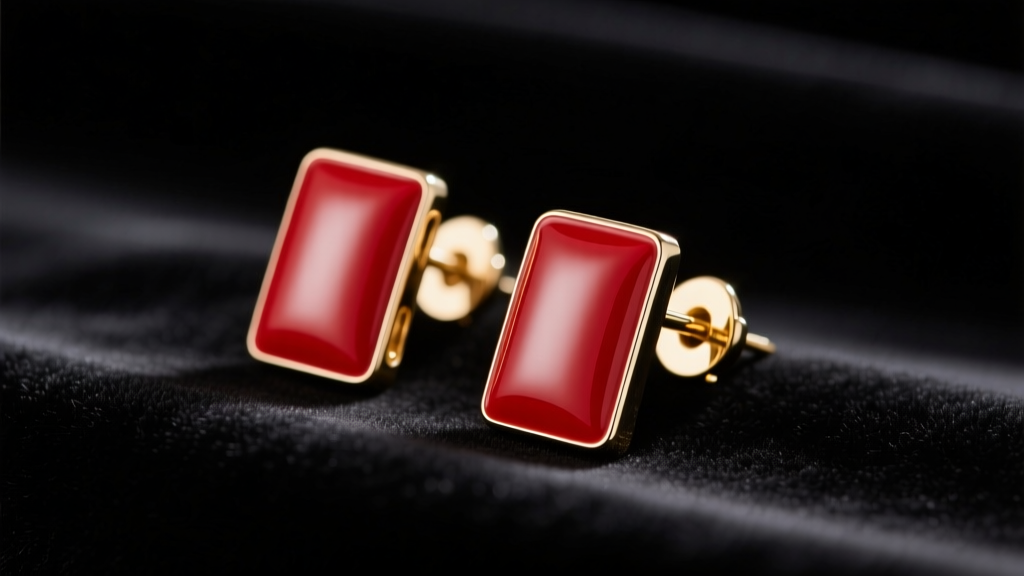
As non-pierced jewelry continues its massive resurgence in 2026, collectors and everyday wearers alike are investing heavily in statement pieces. Among the most striking of these are red clip on earrings. Whether they feature deep crimson guilloché enamel, vibrant carnelian cabochons, or modern cherry-red acrylic, the combination of bold red pigments and non-pierced hardware presents a unique maintenance challenge. Cleaning these pieces requires a dual-focus approach: preserving the delicate color-bearing materials while maintaining the mechanical tension of the clip-on hardware.
The Anatomy of Clip-On Hardware and Red Pigments
To properly care for red clip on earrings, you must first understand the two distinct zones of the jewelry piece. The aesthetic zone encompasses the red elements—gemstones, enamel, resin, or dyed acrylic. The mechanical zone includes the hinge pin, the tension paddle or screw-back, and the ear pad. Using the wrong cleaning agent on the aesthetic zone can strip dyes or shatter enamel, while applying the wrong lubricant to the mechanical zone can attract debris and ruin the clip's grip.
Step-by-Step Cleaning Protocols by Material
The term 'red' covers a vast spectrum of jewelry materials. The cleaning protocol must be tailored to the specific medium used to achieve that crimson hue.
1. Red Enamel and Guilloché
Vintage red clip on earrings often feature hot enamel or guilloché (enamel over engine-turned metal). Enamel is essentially fused glass. While it is hard, it is highly susceptible to thermal shock and micro-fractures.
- The Wash: Mix a few drops of pH-neutral dish soap in distilled water. Tap water contains minerals that can leave a cloudy film on glossy red enamel.
- The Wipe: Use a lint-free microfiber cloth. Never use a toothbrush on enamel, as the bristles can catch on microscopic chips and worsen the damage.
- Expert Warning: According to the Victoria and Albert Museum (V&A), ultrasonic cleaners are strictly forbidden for enameled jewelry, as the high-frequency vibrations will shatter the glass matrix.
2. Red Gemstones (Ruby, Garnet, Carnelian)
If your earrings feature faceted red gemstones, you must consider their Mohs hardness and porosity.
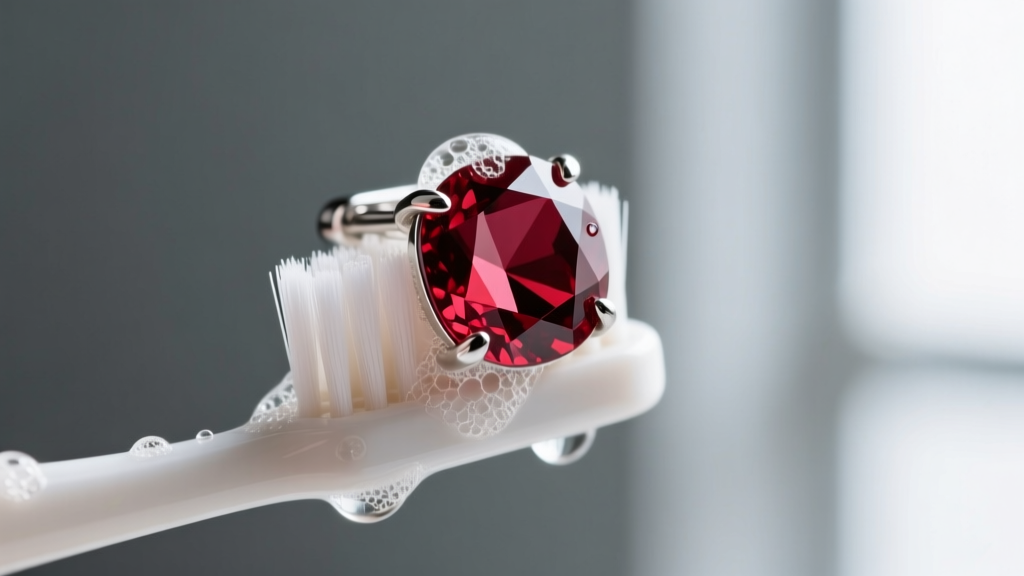
- Ruby (Mohs 9): Highly durable. Can be cleaned with warm soapy water and a soft baby-bristle toothbrush. For deep cleaning, a brief ultrasonic bath is generally safe unless the stone is fracture-filled.
- Garnet & Carnelian (Mohs 6.5-7): More prone to scratching. The Gemological Institute of America (GIA) recommends using only a soft, untreated cloth and mild soapy water. Avoid harsh chemicals that can degrade the polish of the cabochon or facet junctions.
3. Red Acrylic, Lucite, and Resin
Mid-century and contemporary red clip on earrings frequently utilize dyed acrylics. These are highly porous and sensitive to solvents.
- The Rule of Zero Alcohol: Never use rubbing alcohol, hand sanitizer, or ammonia-based glass cleaners on red resin. These solvents cause 'crazing'—a network of microscopic white cracks that permanently ruins the translucent red effect.
- Polishing: If the red acrylic becomes dull, use a specialized plastic polish (like Novus No. 2) applied with a clean cotton pad to restore the optical clarity.
Maintaining the Clip-On Tension Mechanism
The most common point of failure for any non-pierced earring is the loss of clamping tension. Over time, the metal fatigues, and the hinge pin loosens. Here is how to service the hardware without damaging the red aesthetic components.
Adjusting Paddle Clips
Paddle clips rely on the spring tension of the base metal. If your earrings are slipping off your earlobes, do not use standard steel pliers, which will gouge the brass or silver. Instead, use nylon-jaw pliers. Gently squeeze the sides of the paddle inward by millimeters. Test the tension frequently; over-tightening will cause the earring to pinch the earlobe, cutting off circulation and causing pain within minutes.
Lubricating Hinges and Screws
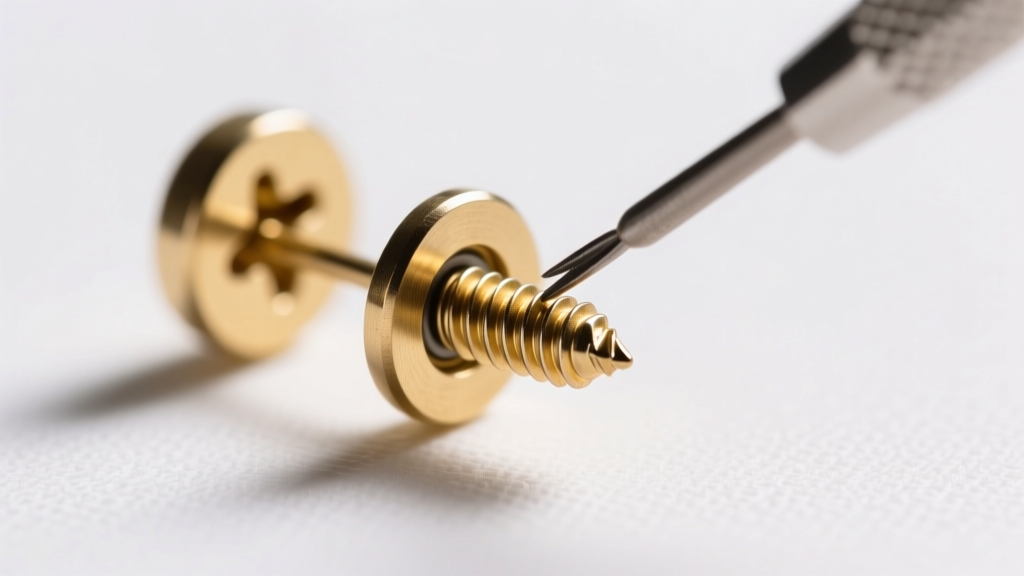
Never use WD-40 or standard sewing machine oil on earring hinges. Liquid oils migrate onto the red enamel or gemstones, leaving a greasy residue that attracts skin cells and dust. Instead, use a dry PTFE (Teflon) lubricant. Apply a microscopic drop to the hinge pin with a toothpick, work the hinge back and forth, and wipe away any excess immediately.
| Mechanism Type | Identifying Features | Common Failure Mode | Maintenance Solution |
|---|---|---|---|
| Paddle Clip | Flat, wide metal flap hinged at the top. | Metal fatigue; loss of inward tension. | Gently compress sides with nylon-jaw pliers. |
| Screw-Back | Threaded post with a rotating tension pad. | Stripped threads; lost ear pads. | Replace silicone pads; apply dry PTFE to threads. |
| Hinged Snap | Thin wire that clicks into a top catch. | Wire bending; catch spring failure. | Re-bend wire to original U-shape; replace if snapped. |
What to Avoid: Common Cleaning Mistakes
When dealing with the intersection of vibrant red dyes and mechanical hardware, avoid these critical errors:
- Submerging the Hinge: Never soak clip-on earrings in a bowl of water. Water trapped inside the hinge barrel will cause internal rust (even on plated metals), which eventually bleeds out and stains the surrounding red enamel or resin with an orange halo.
- Using Paper Towels: Paper products contain wood pulp fibers that act like sandpaper on polished red acrylic and soft gemstones like carnelian. Always use 100% cotton or microfiber.
- Ignoring the Ear Pad: The foam or silicone pad that rests against the ear absorbs sweat, dead skin, and perfume. Remove these pads (if possible) and wash them separately with an antibacterial soap, or replace them entirely every 12 months.
Proper Storage to Prevent Scratches and Fading
Red pigments, particularly in vintage dyed resins and certain organic gemstones, are highly susceptible to UV degradation. Prolonged exposure to direct sunlight will bleach a vibrant cherry-red earring into a dull, muddy pink over the course of a few years.
Archival Storage Tip: Store your red clip on earrings in individual, acid-free tissue paper inside a lined jewelry box. Include a 3M anti-tarnish strip in the drawer to protect the metal hardware from sulfur compounds in the air, which cause silver and brass clips to blacken and seize up.
Furthermore, always store clip-on earrings closed. Leaving the tension paddle open for months at a time stretches the metal's memory, permanently ruining the clamping force required to keep the earring securely on your ear.
Conclusion
Maintaining red clip on earrings requires a meticulous balance of gentle material care and precise mechanical adjustment. By respecting the fragility of red enamels and resins, utilizing the correct gemstone cleaning protocols outlined by institutions like the GIA, and properly servicing the hinges with dry lubricants and nylon tools, you can ensure your non-pierced statement pieces remain vibrant, secure, and comfortable for decades to come.