How to Clean and Maintain Mexican Gold Hoop Earrings
Discover expert care, cleaning, and maintenance tips for Mexican gold hoop earrings. Preserve the warm hue and traditional craftsmanship.

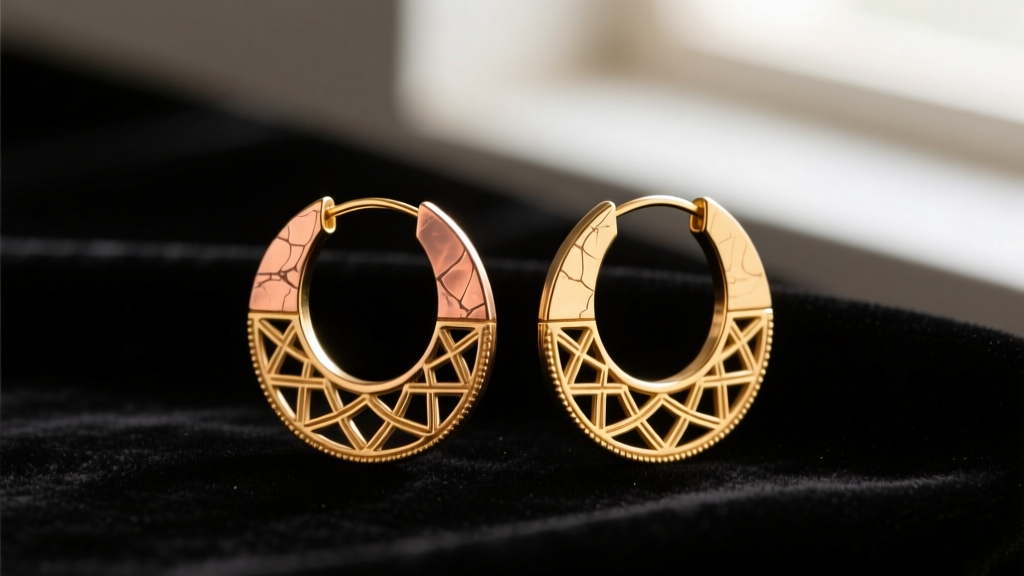
The Unique Metallurgy of Oro Mexicano
Mexican gold jewelry, particularly traditional hoops, is celebrated not just for its intricate craftsmanship but for its distinct metallurgical profile. While standard US or European 14k gold (58.5% pure gold) often relies on a balanced mix of silver and copper for durability, oro mexicano frequently utilizes a slightly higher copper-to-silver ratio in its alloy. This specific formulation yields the signature warm, rose-tinted yellow hue that collectors and enthusiasts adore. However, this elevated copper content also introduces unique maintenance challenges. Copper is highly reactive to sulfur, chlorine, and environmental humidity, meaning your Mexican gold hoop earrings are more susceptible to surface oxidation and darkening than their cooler-toned counterparts. Understanding this alloy behavior is the first step in preserving the structural integrity and visual warmth of your jewelry.
According to the Gemological Institute of America (GIA), the specific trace elements in gold alloys dictate not only their color but also their chemical vulnerabilities. Because Mexican gold hoops are often handcrafted using traditional techniques passed down through generations in regions like Taxco and Oaxaca, they may also feature porous solder joints or hand-hammered textures that trap microscopic debris, requiring a specialized approach to cleaning and care.
Common Failure Modes in Traditional Hoops
Before diving into cleaning, it is crucial to inspect your earrings for structural vulnerabilities. Traditional Mexican gold hoops often feature specific design elements that require gentle handling to avoid irreversible damage.
- Wire Post Fatigue (18g to 20g): Many authentic Mexican hoops utilize a simple wire-and-tube friction fit or a traditional saddle clasp. The wire post is typically 18-gauge or 20-gauge. Repeated bending to open and close the hoop work-hardens the gold alloy, eventually leading to metal fatigue and snapping. Always open the hoop by twisting the wire laterally (up and down), never horizontally (side to side).
- Hollow Tube Denting: To create large, dramatic statement hoops without excessive weight, many artisans use hollow gold tubing. While beautiful, hollow tubing is highly susceptible to denting if squeezed or dropped. Never use ultrasonic cleaners on hollow hoops; the high-frequency vibrations (typically 40kHz) can cause micro-fractures in the delicate solder joints where the tubing meets the clasp.
- Clasp Loosening: The friction-fit tube that receives the wire post can widen over time, causing the earring to slip out of the piercing unexpectedly. This requires professional re-tensioning rather than aggressive cleaning.
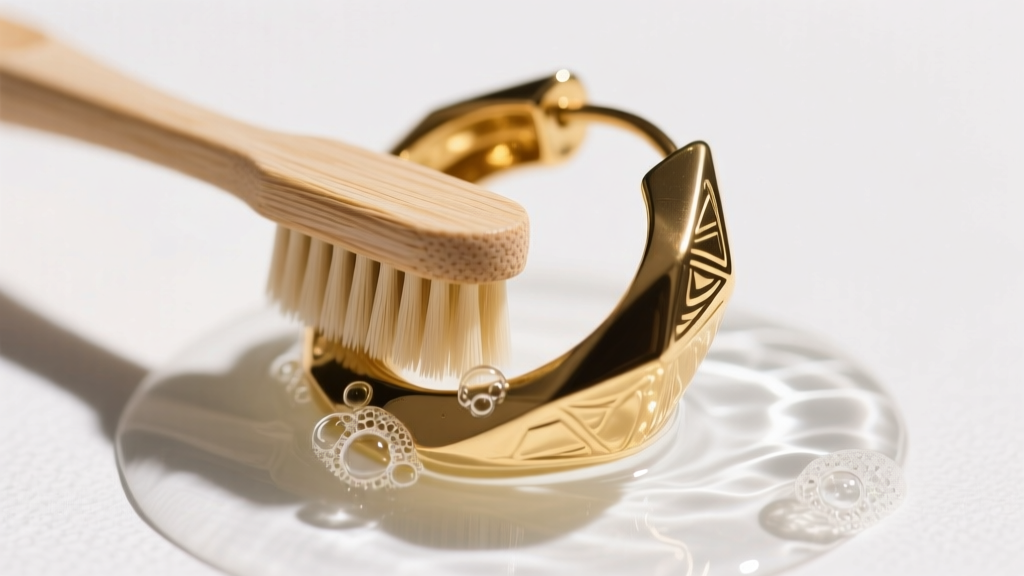
The Step-by-Step Cleaning Protocol
To safely remove sebum, cosmetic buildup, and environmental pollutants without stripping the warm patina of the copper alloy, follow this meticulous cleaning protocol. Avoid commercial jewelry dips, which often contain harsh thiourea compounds that can cause rapid, uneven tarnishing on high-copper alloys.
- Prepare the Solution: Fill a small glass bowl with warm (not hot) distilled water. Add three drops of a mild, ammonia-free, and phosphate-free dish soap (such as original blue Dawn or Ivory). Ammonia can react with the copper in the alloy, leading to a dull, cloudy finish over time.
- The Soak: Submerge the Mexican gold hoop earrings in the solution for exactly 5 to 10 minutes. This loosens hardened hairspray, lotions, and dead skin cells trapped in the clasp mechanisms and textured surfaces.
- Gentle Agitation: Using a brand-new, ultra-soft baby toothbrush, gently brush the earrings. Pay special attention to the interior curve of the hoop and the clasp housing. Brush in the direction of any brushed or hammered grain to avoid creating cross-scratches.
- The Rinse: Rinse the hoops under a gentle stream of lukewarm distilled water. Avoid tap water, as the chlorine and fluoride added to municipal water supplies can cause localized spotting on the copper-rich alloy.
- Drying: Immediately pat dry with a lint-free microfiber cloth. Do not allow the earrings to air dry, as water evaporation leaves behind mineral deposits that etch into the gold's surface over time.
'The secret to maintaining the fire of Mexican gold is restraint. Over-polishing strips away the artisan's original finish and flattens the hand-hammered dimples that give the metal its soul and light-catching brilliance.' — Master Jeweler & Metalsmith
Chemical Agents: What Destroys the Warm Hue?
When maintaining Mexican gold hoop earrings, knowing what not to use is just as critical as knowing the proper cleaning techniques. The Jewelers of America strongly advises against using household chemicals on karat gold, but the higher copper content in Mexican alloys makes them exceptionally sensitive to the following agents:
| Chemical Agent | Common Source | Effect on Mexican Gold Alloy |
|---|---|---|
| Chlorine | Swimming pools, bleach, tap water | Causes irreversible 'chlorine stress corrosion cracking', making the hoop brittle and prone to snapping at the solder joints. |
| Ammonia | Glass cleaners, harsh jewelry dips | Strips the natural warm patina, leaving the copper alloy looking pale, cloudy, and artificially yellow. |
| Abrasive Silica | Toothpaste, baking soda pastes | Creates micro-scratches that flatten hand-hammered (martillado) textures and trap future dirt, accelerating tarnish. |
| Sulfur Compounds | Hot springs, rubber bands, wool | React with copper to form black copper sulfide, causing severe, localized dark spotting that requires professional polishing. |
Preserving Hammered and Brushed Finishes
Many authentic Mexican gold hoops feature artisanal surface textures, such as martillado (hand-hammering) or directional brushing. These finishes are designed to diffuse light softly, giving the gold a vintage, organic glow. Standard jewelry polishing cloths are often impregnated with mild abrasives (like jeweler's rouge). If you vigorously rub a polishing cloth over a hammered surface, you will gradually wear down the 'high spots' of the hammer marks, eventually leaving you with a smooth, highly reflective, and historically inaccurate finish.
For textured Mexican gold hoops, rely exclusively on the liquid soap soak and soft-bristle brush method described above. If the gold loses its luster, use an untreated, 100% cotton flannel cloth to gently buff the surface without applying abrasive friction. Reserve treated polishing cloths only for the smooth, untextured interior of the hoop that rests against the skin.
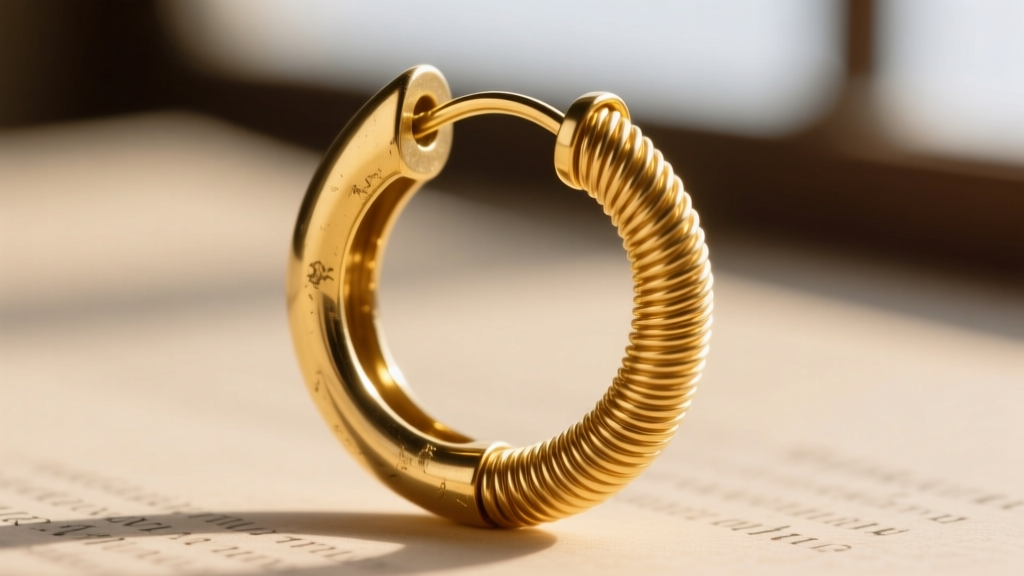
Proper Storage to Prevent Micro-Scratches and Oxidation
How you store your Mexican gold hoop earrings when they are not being worn dictates how often they need to be cleaned. Gold is a relatively soft metal (especially at 14k and 18k purities), and storing multiple hoops together in a communal jewelry box guarantees a web of micro-scratches that dull the metal's reflective properties.
The Ideal Storage Environment
- Individual Pouches: Store each pair of hoops in its own soft, untreated cotton or anti-tarnish flannel pouch. This prevents the wire post of one earring from scratching the tubular body of another.
- Humidity Control: Because of the copper content, Mexican gold is sensitive to high humidity, which accelerates oxidation. Place a small silica gel desiccant packet in your jewelry drawer or safe to keep the ambient moisture below 40%.
- Avoid Rubber and PVC: Never secure your hoops with rubber bands or store them in PVC plastic bags. The off-gassing of sulfur and chlorides from these materials will cause rapid, severe blackening of the copper alloy.
Professional Maintenance and Clasp Tightening
Even with meticulous at-home care, Mexican gold hoop earrings require professional attention every 12 to 18 months. A bench jeweler can perform a 'structural health check' that goes beyond surface cleaning. They will inspect the solder joints at the base of the clasp for hairline fractures—a common issue in hollow tubing hoops that have been subjected to the repetitive stress of daily insertion and removal.
If your hoop features a hollow tube that has suffered a minor dent, a skilled jeweler can sometimes use a specialized steel mandrel and a rawhide mallet to gently reshape the tubing without compromising the gold's work-hardened integrity. Furthermore, if the friction-fit tube has expanded, the jeweler can use parallel pliers to carefully re-tension the housing, ensuring your valuable earrings remain securely fastened to your earlobes. By combining mindful daily habits with expert periodic maintenance, your Mexican gold hoops will retain their rich, sun-kissed heritage aesthetic for generations.


