How to Clean and Care for Pearl Drop Hoop Earrings
Learn expert techniques to clean, store, and maintain pearl drop hoop earrings. Protect nacre, prevent tarnish, and extend the life of your jewelry.

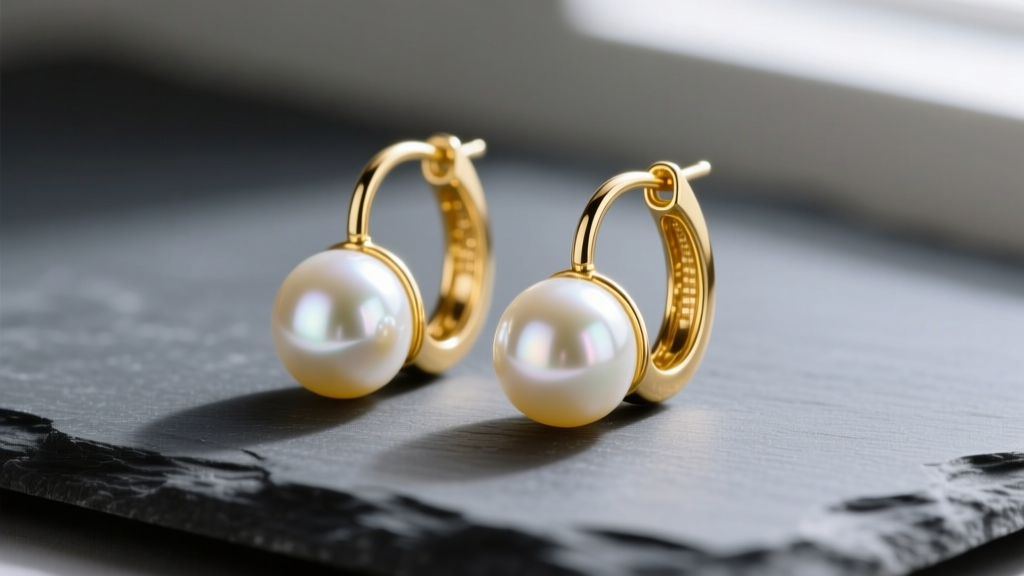
Pearl drop hoop earrings represent a unique intersection of organic gemology and traditional metalsmithing. The juxtaposition of luminous, delicate pearls against structured metal hoops creates a timeless aesthetic, but it also presents a distinct challenge when it comes to jewelry maintenance. Unlike solid gold or diamond pieces that can withstand rigorous cleaning methods, pearl drop hoop earrings require a bifurcated care approach. The metal components and the organic nacre of the pearls react entirely differently to moisture, chemicals, and friction.
According to the Gemological Institute of America (GIA), pearls are composed of calcium carbonate and conchiolin, making them highly susceptible to acidic environments and dehydration. When paired with metals like sterling silver or gold vermeil, the cleaning protocol must balance the removal of metal oxidation with the absolute preservation of the pearl's delicate surface. This comprehensive guide details the exact methodologies, materials, and environmental controls required to maintain the structural integrity and visual brilliance of your pearl drop hoop earrings.
The Anatomy of Pearl Drop Hoops and Material Vulnerabilities
To effectively care for these earrings, you must first understand the material science behind them. A standard pearl drop hoop earring consists of three distinct zones: the metal hoop (often 14k solid gold, gold vermeil, or 925 sterling silver), the mechanical finding (the hinge, latch, or clicker mechanism), and the pearl drop assembly (the pearl itself, the mounting cup, and the adhesive or wire-wrap securing it).
The Nacre Vulnerability
Pearls rank between 2.5 and 4.5 on the Mohs scale of mineral hardness. This means the nacre can be easily scratched by dust particles (which often contain quartz, ranking at 7.0). Furthermore, the conchiolin protein that binds the aragonite platelets of the nacre is highly sensitive to pH extremes. Human sweat, which has an average pH of 4.5 to 7.0, can slowly dissolve the outer layers of nacre over time, leading to a permanent loss of luster and a chalky appearance.
Metal and Finding Fatigue
The metal hoops and jump rings connecting the pearl drops are subject to mechanical stress. If you are wearing 925 sterling silver hoops, the copper alloyed with the silver reacts with sulfur in the atmosphere, creating silver sulfide (tarnish). Gold vermeil, which consists of a 2.5-micron layer of gold over a sterling silver base, can wear away if subjected to abrasive polishing cloths, exposing the tarnish-prone silver beneath.
Step-by-Step Cleaning Protocol for Pearl and Metal Components
Cleaning pearl drop hoop earrings requires a gentle, methodical approach. You must never submerge the entire earring in water, as moisture can seep into the pearl's drill hole, degrading the epoxy adhesive and causing the drop to detach.
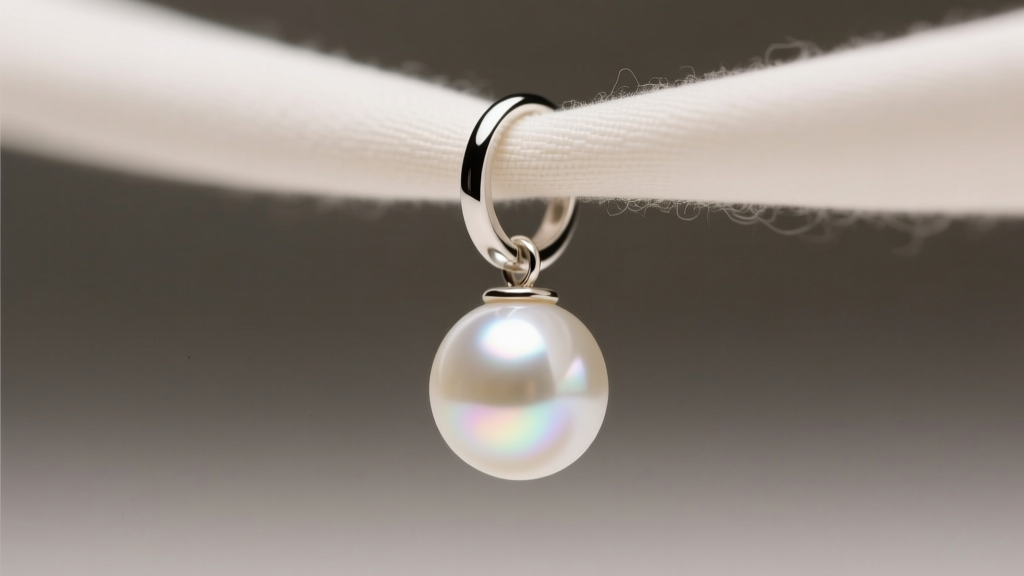
Step 1: Prepare a Safe Cleaning Solution
Avoid tap water, which often contains chlorine and fluoride that can damage both the nacre and certain metal alloys. Instead, mix a few drops of pH-neutral, unscented liquid castile soap into a bowl of distilled water. The Jewelers of America recommends mild, non-detergent soaps for organic gems to prevent the stripping of natural oils.
Step 2: Clean the Metal Hoops
- Dip a soft-bristled baby toothbrush or a lint-free microfiber swab into the soapy distilled water.
- Gently scrub the metal hoop, paying special attention to the hinge and latch mechanisms where skin oils and dead cells accumulate.
- Wipe the metal clean with a separate cloth dampened only with plain distilled water to remove any soap residue.
- Immediately dry the metal hoop with a clean, dry microfiber cloth to prevent water spots.
Step 3: Wipe the Pearl Drops
Never use a brush on the pearl. Take a soft, lint-free cotton or microfiber cloth slightly dampened with plain distilled water (no soap). Gently wipe the surface of the pearl to remove body oils, perfume residue, or environmental dust. Dry the pearl immediately with a separate dry cloth. Ensure no moisture remains near the drill hole or the mounting cup.
The 'Never Do This' List: Common Mistakes That Destroy Nacre
Many jewelry owners inadvertently destroy their pearl drop hoop earrings by applying cleaning methods meant for harder gemstones. The table below outlines common cleaning agents and their catastrophic effects on organic pearls.
| Cleaning Agent / Method | Effect on Pearl Nacre | Effect on Metal Hoop |
|---|---|---|
| Ultrasonic Cleaners | Shatters nacre layers via high-frequency vibrations; loosens adhesive. | Safe for solid gold; can strip vermeil. |
| Steam Cleaners | Causes thermal shock, leading to microscopic cracking and dehydration. | Effective for removing heavy tarnish. |
| Ammonia / Windex | Dissolves calcium carbonate, leaving a pitted, dull surface. | Can cause severe discoloration in alloys. |
| Baking Soda Paste | Acts as an abrasive, permanently scratching the aragonite platelets. | Scratches high-polish silver and gold. |
| Commercial Silver Dip | Highly acidic; will strip the pearl's luster in seconds. | Removes tarnish instantly but harshly. |
Proper Storage to Prevent Micro-Scratches and Tarnish
How you store your pearl drop hoop earrings is just as critical as how you clean them. The storage environment must balance the need to prevent metal tarnish with the organic requirement for pearl hydration.
The Humidity Factor
Pearls contain roughly 2% to 4% water by weight. Storing them in an airtight plastic bag or a safety deposit box with extremely low humidity will cause the conchiolin to dry out, leading to cracking and peeling (a process known as 'crazing'). Maintain a storage environment with a relative humidity between 45% and 55%.
Isolation and Anti-Tarnish Measures
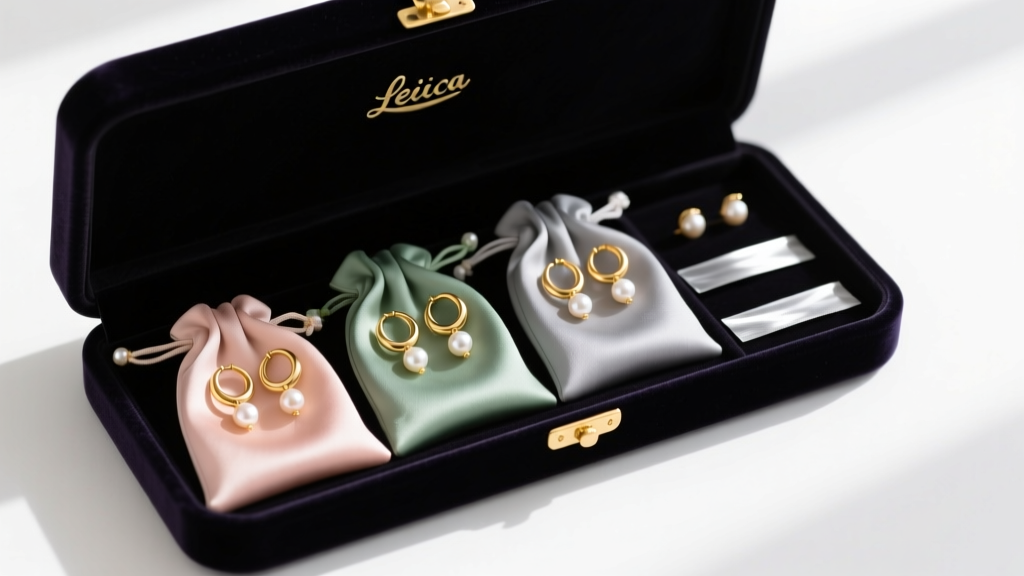
- Use Silk or Cotton Pouches: Store each pair of earrings in a soft, breathable silk or untreated cotton pouch. This prevents the metal hoops from scratching the softer pearls of adjacent jewelry pieces while allowing the pearls to 'breathe'.
- Employ Anti-Tarnish Strips: If your hoops are sterling silver or vermeil, place a 3M anti-tarnish strip or a piece of Pacific Silvercloth inside the jewelry box drawer. These materials absorb airborne sulfur compounds before they can react with the copper in the silver alloy.
- Hang or Lay Flat: If the hoops are large and the drops are heavy, lay them flat in a velvet-lined tray to prevent gravity from putting sustained stress on the jump rings and adhesive mounts over time.
Maintenance Schedule and Professional Servicing
Routine at-home care is essential, but mechanical components require periodic professional evaluation. Establish a maintenance schedule to ensure the longevity of your earrings.
Monthly Inspections
Once a month, perform a visual and tactile inspection of the earring findings. Gently tug on the pearl drop to ensure the epoxy or wire-wrap is secure. Check the hoop's clicker or latch mechanism; if it feels loose or fails to snap shut securely, the metal has likely suffered from fatigue and requires professional tightening or replacement by a jeweler.
Annual Professional Servicing
Bring your pearl drop hoop earrings to a certified gemologist or bench jeweler annually. They can professionally polish the metal components using specialized rouges that avoid the pearls entirely. If the pearls are mounted on glued pegs, the jeweler can inspect the adhesive bond and re-set the drops using jewelry-grade, UV-cured epoxy before a failure occurs and the pearl is lost.
Expert Insight: Always put your pearl drop hoop earrings on after applying cosmetics, perfumes, and hairspray. The alcohol and volatile organic compounds (VOCs) in these products can quickly degrade the nacre's orient and cloud the surface finish.
By adhering to this meticulous care regimen, your pearl drop hoop earrings will retain their structural integrity and radiant luster, serving as a versatile staple in your jewelry collection for decades to come.


