"How Big Is 6mm Earrings?" Size & Deep Cleaning Guide
Discover exactly how big 6mm earrings are and learn expert cleaning, maintenance, and care tips to keep your small studs and hoops pristine.

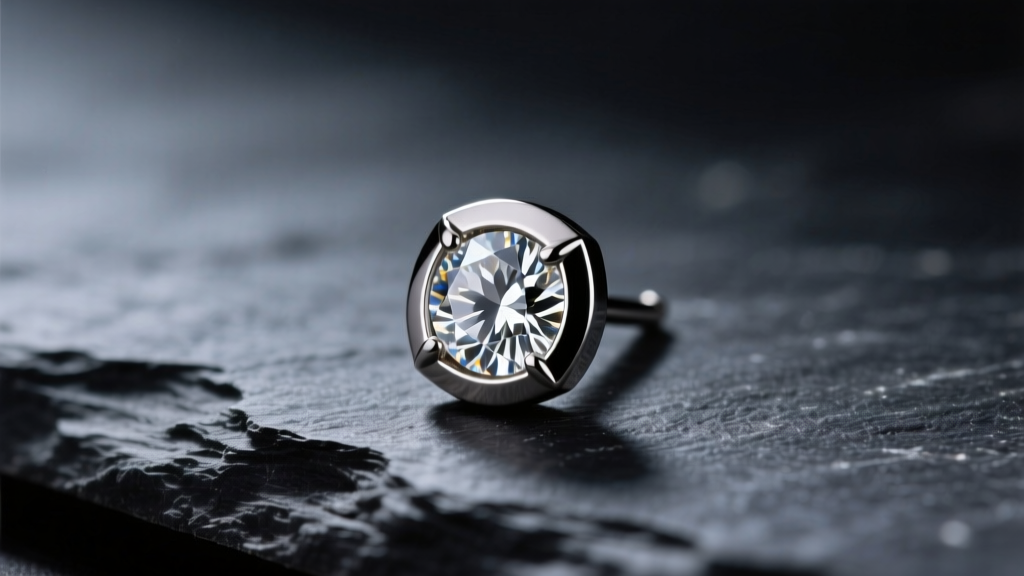
Visualizing the Scale: How Big Is 6mm Earrings Really?
When shopping for fine jewelry, cartilage studs, or minimalist everyday hoops, you will frequently encounter the 6mm measurement. But how big is 6mm earrings in real life? In imperial terms, 6mm translates to roughly 0.236 inches. To visualize this, a 6mm earring is approximately the exact diameter of a standard pencil eraser, a green pea, or the lead tip of a thick carpenter's pencil.
In the context of ear styling, 6mm is considered a "medium-small" focal point. For lobe studs, it provides a noticeable but understated sparkle—larger than a delicate 3mm or 4mm diamond solitaire, but significantly smaller than a bold 8mm or 10mm statement piece. For cartilage piercings (like the tragus, helix, or conch), 6mm is often the maximum width recommended to avoid catching on hair or clothing, making it a staple size for flat-back labrets and small clicker hoops.
The Hidden Maintenance Challenges of 6mm Jewelry
While 6mm earrings are aesthetically versatile, their compact size introduces unique maintenance and cleaning challenges that larger jewelry simply does not face. The primary issue is the micro-gap accumulation. Because a 6mm stud or huggie hoop sits incredibly flush to the skin, the microscopic space between the jewelry base and your earlobe becomes a trap for sebum (natural skin oils), dead keratin cells, and environmental pollutants.
This accumulation, colloquially known as "earring cheese," can cause contact dermatitis, foul odors, and localized infections if not managed properly. Furthermore, the small surface area makes 6mm earrings notoriously difficult to grip during cleaning. Applying too much pressure when wiping a 6mm gemstone can easily bend a delicate 20-gauge or 22-gauge post, or worse, loosen the prongs of a tension-set stone.
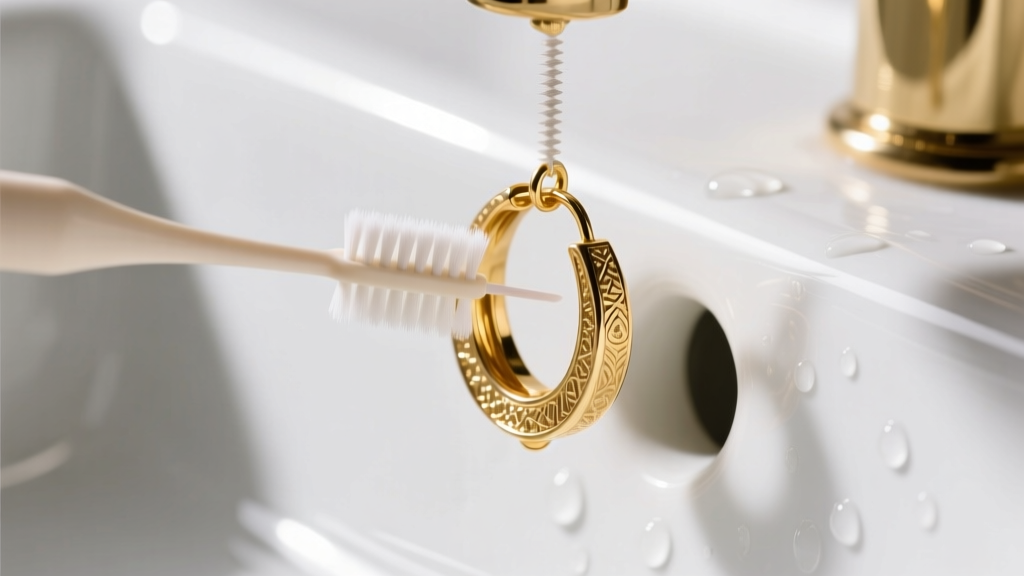
Step-by-Step Deep Cleaning Protocol for Small Studs
To maintain the brilliance of your 6mm earrings and protect your piercing channels, you need a targeted cleaning approach. The Association of Professional Piercers (APP) recommends gentle, non-abrasive cleaning methods that preserve both the skin's microbiome and the jewelry's metallurgical integrity.
- The Drain Trap Rule: Before handling any 6mm earring, plug your sink or lay a microfiber towel over the basin. Dropping a 6mm stud down an open drain is the most common cause of permanent loss.
- Surfactant Soak: Mix three drops of mild, fragrance-free dish soap (like Dawn) into a small bowl of warm distilled water. Submerge the earrings for 5 to 7 minutes. This breaks down the lipid bonds of trapped sebum without damaging the metal.
- Interdental Agitation: This is the expert secret. Standard cotton swabs leave fibers behind that can snag on earring posts. Instead, use a brand-new, soft-bristled interdental brush (size 0.4mm to 0.6mm). Gently brush the crevices where the gemstone meets the bezel, and run the bristles along the threading of the post.
- Distilled Rinse & Air Dry: Rinse thoroughly under distilled water to prevent hard water spots. Dry using a hair dryer on the "cool" setting. Rubbing a 6mm earring with a cloth can generate static or snag the prongs.
Ultrasonic Cleaners: Safe for 6mm Gems?
Ultrasonic jewelry cleaners use high-frequency sound waves to create microscopic cavitation bubbles that blast away dirt. While highly effective for plain 6mm gold or titanium hoops, they are destructive for certain gemstones often found in 6mm settings. According to the Gemological Institute of America (GIA), porous or fractured gems like opals, pearls, turquoise, and emeralds should never be placed in an ultrasonic machine. The vibrations can shatter a 6mm opal or strip the nacre from a pearl. Stick to manual soaking for anything other than diamonds, sapphires, or rubies.
Material Compatibility & Care Matrix
The way you maintain your 6mm earrings depends heavily on the base metal and the alloy composition. Below is a decision framework for long-term care based on material grades.
| Material Grade | Tarnish Risk | Recommended Cleaning Agent | Polishing Method |
|---|---|---|---|
| ASTM F-136 Implant-Grade Titanium | None | Mild soap & warm water | Microfiber cloth (no abrasives needed) |
| 14k / 18k Solid Yellow Gold | Very Low | Mild soap or specialized gold dip | Soft jeweler's polishing cloth |
| 925 Sterling Silver | High (Oxidation) | Baking soda & aluminum foil bath | Silver polishing cloth (treated) |
| 316L Surgical Stainless Steel | Low (but contains nickel) | Saline solution or mild soap | Microfiber cloth |
Hardware Maintenance: Protecting the Post and Backing
When dealing with 6mm earrings, the hardware is just as critical as the decorative face. A standard 6mm stud usually features a post length ranging from 6mm to 10mm, with a thickness of 18-gauge (1.0mm) or 20-gauge (0.8mm). Because these posts are exceptionally thin, they are highly susceptible to bending.
Pro-Tip: Never force a butterfly back onto a 6mm earring post. If it feels stuck, the threading or the post is likely bent. Forcing it will snap the post at the solder joint, permanently ruining the earring. Switch to threadless push-pins or internally threaded flat-back labrets for a much more secure and durable 6mm setup.
For those wearing 6mm clicker hoops or huggies, the hinge mechanism requires specific attention. Sebum buildup inside the hinge can cause the closure to fail, leading to the earring falling out and getting lost. Apply a microscopic drop of food-grade mineral oil to the hinge joint once a month, open and close it several times to work the oil in, and wipe away the excess. This keeps the tension mechanism snapping shut securely for years.
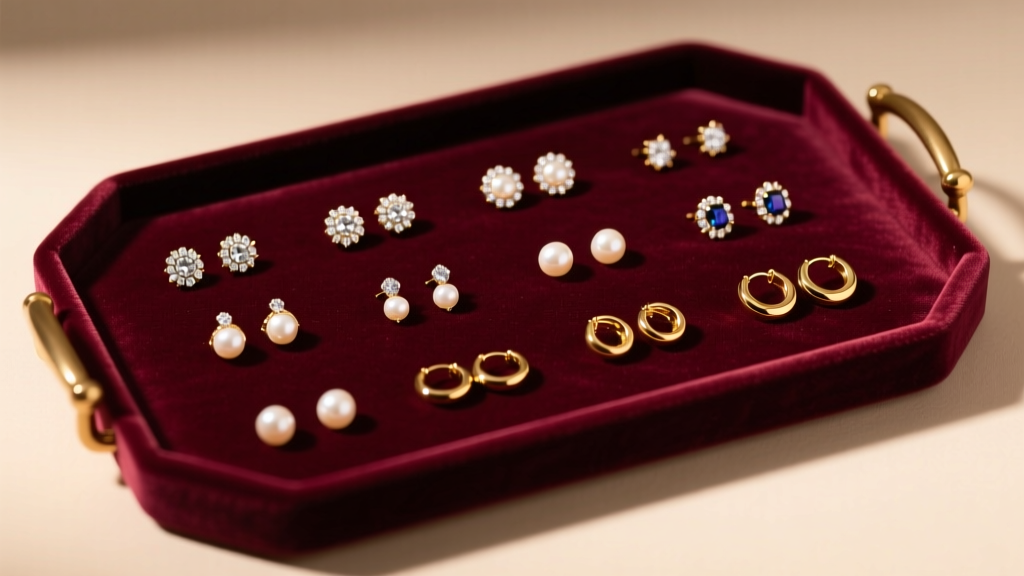
Storage Solutions to Prevent Scratches and Loss
Because of their diminutive size, 6mm earrings are easily lost in the bottom of a purse or tangled in a chaotic jewelry box. Furthermore, if a 6mm diamond stud is tossed loosely into a drawer, it can easily scratch softer jewelry items (diamonds sit at a 10 on the Mohs hardness scale and will gouge solid gold or silver).
Invest in a dedicated, multi-compartment velvet jewelry tray or a pill-organizer-style travel case. Always secure the earring backs onto the posts when storing them; this prevents the backing from getting lost and keeps the post protected from bending. By understanding the true scale of 6mm jewelry and implementing these targeted, expert-level cleaning protocols, your favorite miniature pieces will remain brilliant, hygienic, and secure for a lifetime of wear.


