How Your Average Earring Gauge Impacts Cleaning and Care
Discover how your average earring gauge impacts cleaning routines. Expert care tips for 20g lobes, 16g cartilage, and stretched ears to prevent buildup.

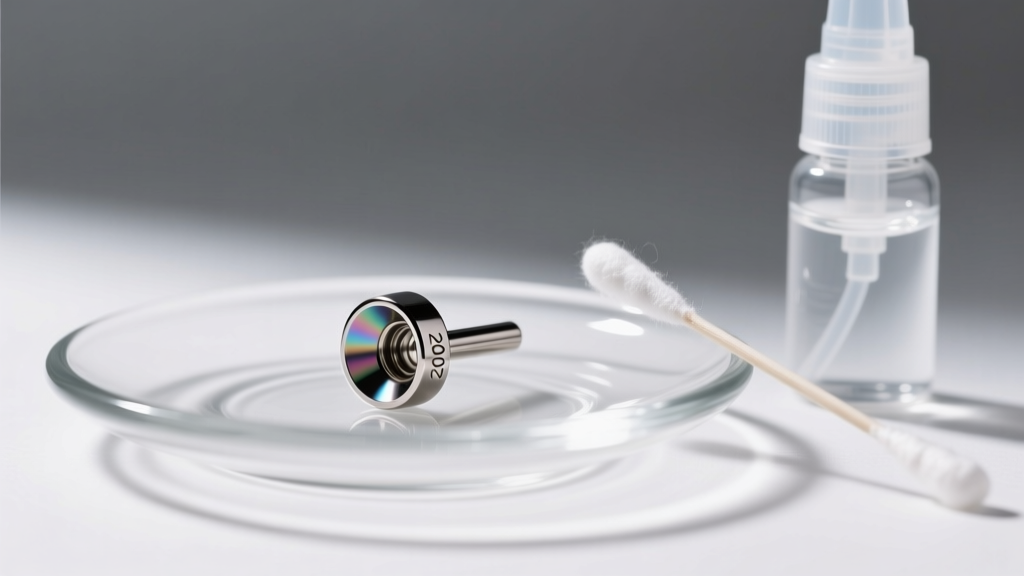
The Hidden Variable in Piercing Aftercare
When discussing ear piercing maintenance, enthusiasts and professionals often focus heavily on jewelry materials, cleaning solutions, and healing timelines. However, one critical physical dimension is frequently overlooked: the average earring gauge. The thickness of your jewelry dictates not only the structural integrity of the piercing but also the biological environment of the fistula (the piercing channel). Understanding how your specific gauge size interacts with your skin's natural biology is the first step toward a lifetime of healthy, irritation-free ear styling.
While the average earring gauge for a standard healed lobe piercing is 20-gauge (0.81mm) or 18-gauge (1.02mm), cartilage piercings typically sit at 16-gauge (1.29mm) or 14-gauge (1.63mm). Stretched lobes and specialized cartilage projects can push well into the 12-gauge to 00-gauge spectrum. Each of these thickness categories presents unique micro-environments that require tailored cleaning protocols, specific tools, and distinct maintenance schedules.
The Biology of Gauge Thickness and Tissue Interaction
The human body treats a piercing fistula as a tube of skin. This tube continuously sheds keratinocytes (dead skin cells) and secretes sebum (natural oils) to keep the tissue lubricated. According to dermatological research published by the National Center for Biotechnology Information (NCBI), sebum production is a continuous biological process meant to protect the skin barrier.
When you wear a thinner gauge, such as a 20g stud, the space between the jewelry and the fistula wall is microscopic. Capillary action naturally draws fluids out, and the friction of daily movement helps expel dead skin. However, as the gauge increases—say, to a 14g or 12g hoop—the surface area of the fistula expands dramatically. A larger internal surface area means more sebum production and more dead skin accumulation. If this organic matter is not manually disrupted and removed, it becomes a breeding ground for anaerobic bacteria, leading to the notorious 'piercing odor' and localized contact dermatitis.
Step-by-Step Cleaning Protocols by Gauge Size
To maintain optimal tissue health, you must adapt your cleaning methodology to the physical dimensions of your jewelry. Here is how to approach care based on your specific gauge category.
Standard Lobe Piercings (20g to 18g)
Because the jewelry is thin, the primary risk here is not massive sebum buildup, but rather soap residue and minor crusties trapping against the tight backing of butterfly clutches or flat-back labrets.
- Daily Maintenance: Spray with a sterile 0.9% sodium chloride saline solution. Allow it to air dry.
- Weekly Deep Clean: Remove the jewelry. Use a soft-bristled baby toothbrush with a drop of mild, fragrance-free liquid soap to gently scrub the post and the threading. Rinse thoroughly with distilled water to prevent hard water mineral deposits.
- Crucial Tip: Never sleep in 20g butterfly-back earrings. The tight backing restricts airflow, creating a humid micro-environment that encourages bacterial growth and localized swelling.
Cartilage and Helix Piercings (16g to 14g)
Cartilage piercings are notoriously temperamental due to limited blood flow. The average earring gauge for these placements (16g) requires careful handling to avoid mechanical irritation, which can trigger hypertrophic scarring.
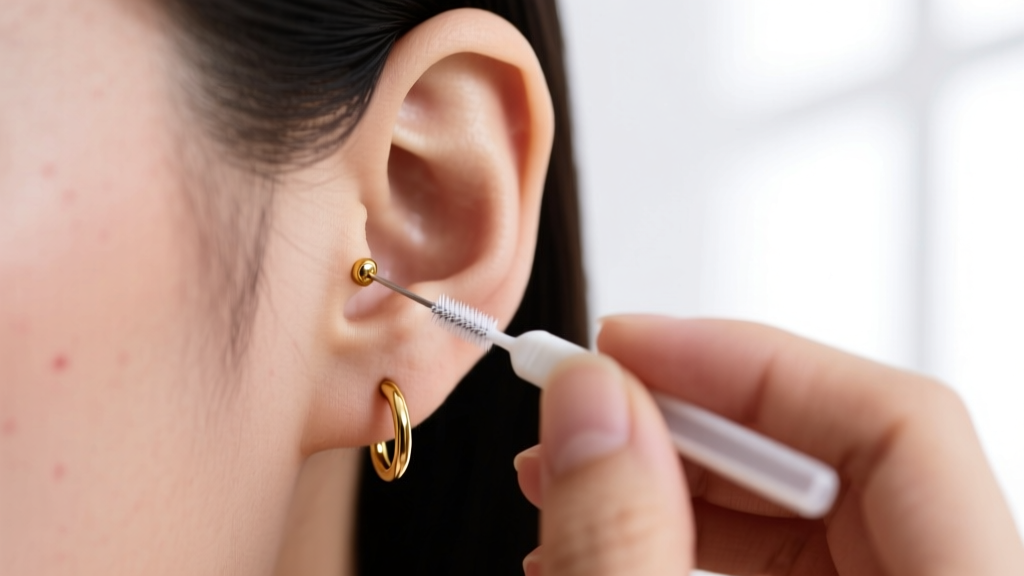
- Targeted Cleaning: Use a sterile, single-use cotton swab dipped in saline to gently trace the entry and exit points of the fistula. Do not force the swab into the piercing channel.
- Thread Maintenance: For internally threaded 16g or 14g jewelry, the threads can trap microscopic debris. Use a 0.4mm TePe interdental brush (available at most pharmacies) to gently sweep the threads clean before reinsertion.
- Crucial Tip: Avoid rotating 16g cartilage hoops. Rotating tears the fragile epithelial lining of the fistula and introduces surface bacteria deep into the tissue.
Stretched Lobes and Heavy Gauges (12g to 00g)
At these sizes, the fistula is a large, open tunnel. The primary maintenance goal is managing heavy sebum production and preventing tissue dryness.
- The 'Lube and Slide' Method: Once fully healed, remove your plugs or tunnels daily. Wash the earlobe in the shower with a gentle, pH-balanced cleanser.
- Hydration: Massage a drop of pure jojoba oil or vitamin E oil into the earlobe tissue. Jojoba oil closely mimics human sebum, helping to regulate the skin's natural oil production and prevent the tissue from cracking or flaking.
- Jewelry Sanitization: Wash the removed jewelry with warm water and antibacterial soap. For porous materials like wood or bone, wipe them down with a damp cloth and seal them periodically with natural waxes.
Material Porosity and Gauge-Specific Degradation
The thickness of your jewelry amplifies the effects of material porosity. The Association of Professional Piercers (APP) strongly recommends implant-grade materials for initial piercings, but material choice remains critical for long-term care across all gauges. A scratch on a thin 20g wire is a minor nuisance; a scratch on a thick 4g plug is a massive reservoir for bacteria.
| Material Grade | Porosity Level | Best Gauge Application | Care & Maintenance Notes |
|---|---|---|---|
| ASTM F136 Titanium | Non-porous | All Gauges (20g - 00g) | Mirror-polished titanium resists sebum adhesion. Can be sterilized in an autoclave or boiled for heavy gauge deep cleaning. |
| Fused Quartz Glass | Non-porous | Heavy Gauges (8g - 00g) | Ideal for stretched lobes. Glass does not harbor bacteria and can be cleaned with standard glass cleaner or rubbed with isopropyl alcohol. |
| Niobium | Non-porous | Standard (18g - 14g) | Highly biocompatible but softer than titanium. Avoid ultrasonic cleaners for anodized niobium, as the vibration can dull the colored oxide layer. |
| Platinum-Cured Silicone | Micro-porous | Heavy Gauges (4g - 00g) | Must be removed daily. Silicone can absorb odors and skin oils over time. Boil in water for 5 minutes weekly to reset the material. |
| Organic Wood / Bone | Highly Porous | Heavy Gauges (2g - 00g) | Never wear in unhealed piercings. Wipe with a damp cloth only. Condition monthly with jojoba oil to prevent cracking and bacterial ingress. |
Troubleshooting Gauge-Related Maintenance Failures
Even with a strict cleaning routine, specific gauge sizes are prone to unique mechanical and biological failures. Recognizing these early can save you from costly jewelry replacements and painful tissue damage.
The 'Cheese Cutter' Effect in Thin Gauges
Wearing heavy, dangling earrings on thin 20g or 18g wires creates excessive downward pressure on a very small surface area of tissue. Over time, this mechanical stress causes the jewelry to slowly migrate downward through the earlobe, a phenomenon known in the piercing community as the 'cheese cutter effect'.
Expert Fix: If you love heavy dangles, have a professional piercer gradually stretch your lobes to 14g or 12g. This wider base distributes the weight of the jewelry over a larger surface area, eliminating the migration risk while allowing you to wear dramatic, heavyweight styles safely.
Anaerobic Odor Buildup in Thick Gauges
Thick-gauge tunnels (especially solid steel or acrylic ones) create a dark, warm, and oxygen-deprived environment against the skin. When sebum and dead skin cells accumulate here, anaerobic bacteria thrive, producing a foul, cheese-like odor.
Expert Fix: Switch to double-flared fused quartz glass or ASTM F136 titanium eyelets. These materials are entirely non-porous and do not react with skin acids. Furthermore, ensure you are sleeping with your jewelry out (if the piercing is fully healed and stable) to allow the fistula to 'breathe' and naturally expel debris overnight.
Essential Tools for Precision Ear Jewelry Care
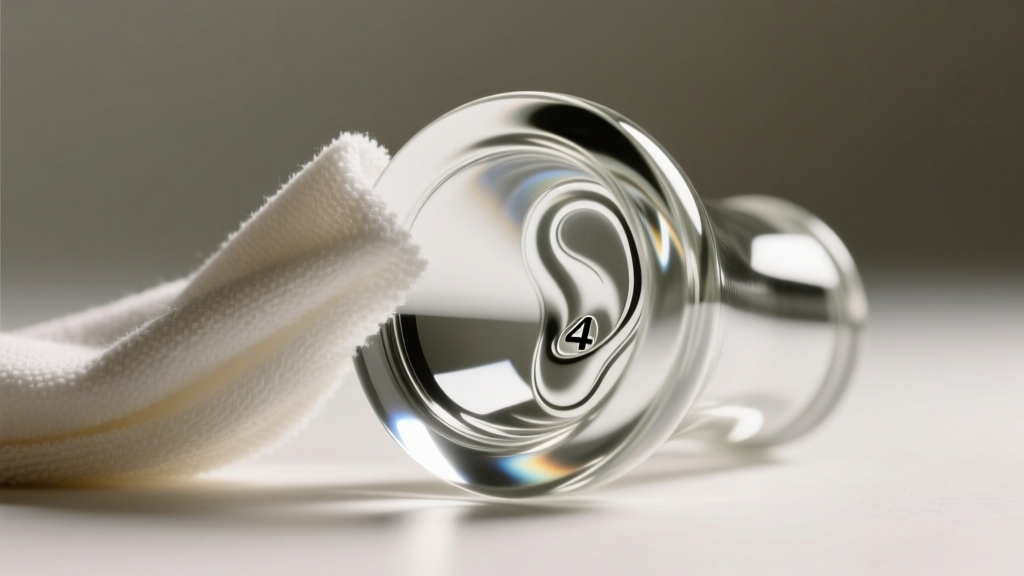
Upgrading your cleaning arsenal with precision tools will drastically improve your maintenance routine, particularly for complex or thick-gauge jewelry.
Pro-Tip from the Studio: Never use rubbing alcohol or hydrogen peroxide on your actual ear tissue. These harsh astringents destroy the delicate lipid barrier of the fistula, leading to dryness, micro-tears, and contact dermatitis. Reserve harsh chemicals strictly for sanitizing the removed jewelry itself.
- 40kHz Ultrasonic Jewelry Cleaner: Essential for collectors with intricate 16g or 14g threadless ends, gemstone clusters, or textured gold pieces. The high-frequency sound waves create microscopic cavitation bubbles that blast debris out of crevices that a toothbrush simply cannot reach.
- Interdental Brushes (Sizes 0.4mm - 0.8mm): Originally designed for dental braces, these tiny brushes are the ultimate secret weapon for cleaning the internal threads of 14g and 12g barbells, as well as the O-rings on stretched ear tunnels.
- Non-Woven 4x4 Gauze Sponges: Ditch standard cotton balls and swabs for daily saline application. Cotton fibers can shed microscopic lint into the fistula, causing irritation bumps. Non-woven gauze provides a lint-free, highly absorbent surface for gentle crusting removal.
- pH-Balanced Saline Wound Wash: Ensure your spray contains only 0.9% sodium chloride and purified water. Avoid any products labeled 'antibacterial' or those containing benzalkonium chloride, as these disrupt the natural microbiome of the healed fistula.
Final Thoughts on Gauge-Specific Longevity
Your ear jewelry is an investment in your personal aesthetic and your body's long-term health. By acknowledging that the average earring gauge is not just a measurement of thickness, but a defining factor in your tissue's biological needs, you can transition from reactive problem-solving to proactive maintenance. Whether you are rocking delicate 20g diamond studs, a curated 16g cartilage constellation, or bold 0g glass tunnels, matching your cleaning protocol to your specific gauge ensures your jewelry remains as pristine and comfortable as the day it was inserted.


