Cloth Earrings: The Beginner's Guide to Fabric Jewelry
Discover everything about cloth earrings in our beginner guide. Learn about fabric types, hypoallergenic hardware, care tips, and styling for 2026.

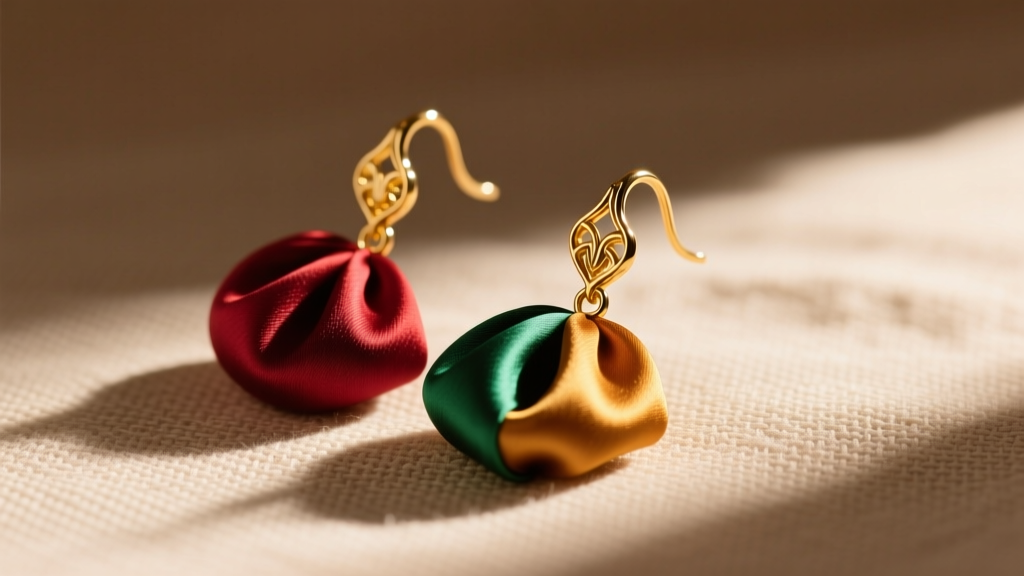
When you think of fine or fashion jewelry, metals and gemstones usually come to mind. However, the sustainable fashion movement has propelled cloth earrings into the spotlight as a must-have accessory for 2026. Textile jewelry offers an ultra-lightweight, eco-friendly, and incredibly bold alternative to traditional metal drops and hoops. For beginners, the world of fabric-based ear adornments can seem a bit unconventional. How do they hold their shape? Are they durable? How do you clean them without ruining the material?
This comprehensive explainer breaks down everything you need to know about cloth earrings. From understanding the structural integrity of different weaves to selecting hypoallergenic hardware and mastering fabric care, this guide will help you confidently integrate textile jewelry into your everyday rotation.
Understanding Fabric Choices in Textile Jewelry
Not all fabrics are created equal when it comes to jewelry making. The drape, stiffness, and fray-resistance of a textile dictate how well it performs as an earring. Artisans typically rely on three main categories of fabric to create structured, beautiful pieces.
Raw Silk and Silk Noil
Raw silk, particularly silk noil, is a favorite among high-end textile jewelry makers. Unlike the glossy, slippery silk used in evening gowns, raw silk has a nubby texture and a matte finish. It naturally holds stiff, geometric shapes when layered or treated, making it perfect for architectural cloth earrings. The fibers grip adhesives and threads exceptionally well, reducing the risk of the fabric pulling away from the hardware.
Upcycled Canvas and Selvedge Denim
Sustainability is a core pillar of the cloth earring trend. According to Fashion Revolution, upcycling post-consumer textiles drastically reduces water waste and carbon emissions. Heavyweight canvas and selvedge denim are incredibly durable, naturally fray at the edges for a deliberate distressed look, and require minimal chemical stiffeners to maintain their silhouette.
Chiffon and Organza
These sheer, lightweight fabrics are rarely used on their own. Instead, they are typically wrapped around a hidden armature wire or laser-cut acrylic base. They provide a soft, romantic, and ethereal volume that metal simply cannot replicate without becoming uncomfortably heavy for the earlobe.
| Fabric Type | Durability | Weight | Best Earring Style |
|---|---|---|---|
| Raw Silk Noil | High | Medium | Geometric Drops, Studs |
| Selvedge Denim | Very High | Heavy | Frayed Hoops, Dangles |
| Cotton Canvas | High | Medium | Painted Statement Drops |
| Silk Organza | Low (Snags) | Ultra-Light | Wire-Wrapped Petals, Clusters |
The Hardware Dilemma: Posts, Hooks, and Adhesives
The most critical point of failure in any cloth earring is the junction where the soft textile meets the hard metal hardware. Beginners often buy cheap fabric earrings that fall apart after a few wears because of poor construction methods. Here is what you need to look for to ensure longevity and ear health.
Adhesive vs. Mechanical Bonds
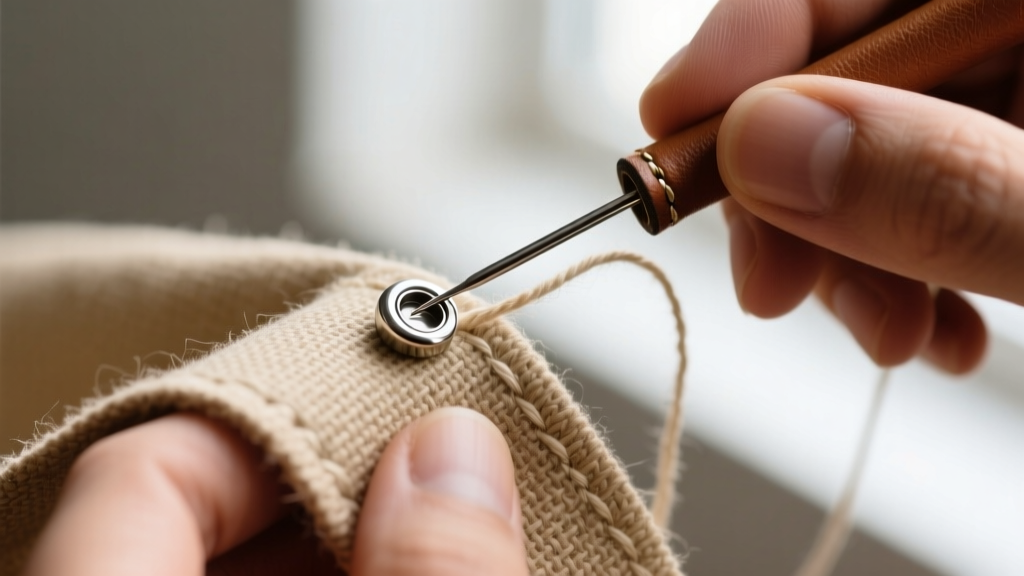
In mass-produced cloth earrings, the fabric is often simply glued to a flat metal pad using cyanoacrylate (super glue). Over time, skin oils and humidity degrade this bond, causing the fabric to peel off. High-quality artisan cloth earrings utilize mechanical bonds. This means the fabric is either stitched directly through a micro-drilled hole in the metal post, or the fabric is clamped inside a metal crimp tube or bezel setting. Always inspect the back of the earring; if you see visible stitching or a crimped metal edge, the piece will last significantly longer.
Hypoallergenic Metals for Fabric Jewelry
Just because the main body of the earring is fabric does not mean the metal components can be ignored. The post still penetrates your skin. Look for artisans who use ASTM F138 implant-grade titanium or 14k/18k gold-filled wire for their hooks and posts. Avoid 'surgical steel' or 'alloy' listings, as these often contain nickel, which can cause contact dermatitis, especially when the earlobe is already slightly irritated by the friction of a heavier textile piece.
A Beginner's Guide to Cleaning and Sealing
Cleaning cloth earrings requires a completely different approach than wiping down gold or silver. Submerging them in water or using ultrasonic jewelry cleaners will destroy the structural integrity of the fabric and rust the internal armatures.
Spot Cleaning Techniques
For surface dirt or makeup transfer, use a soft-bristled makeup brush to gently sweep away dry debris. For stubborn stains, dampen a microfiber cloth with a tiny amount of enzymatic textile cleaner (the kind used for delicate wool or silk) and dab the stain gently. Never rub, as this will cause the fibers to pill or distort the shape. Allow the earrings to air dry completely on a flat mesh surface.
Re-Sealing and Stiffening
Over time, the factory-applied fabric stiffener may wear off, causing your cloth earrings to droop or fray at the edges. You can easily restore them at home. According to crafting experts at The Spruce Crafts, using a flexible fabric stiffener or a water-resistant decoupage medium like Mod Podge Outdoor can revitalize textile jewelry. Apply a very thin, even coat with a clean silicone brush, shape the earring with your fingers, and let it cure for 24 hours. This creates a microscopic protective barrier against humidity and skin oils.
Styling Framework: Integrating Cloth into Your Wardrobe
Cloth earrings make a massive visual impact due to their scale and color saturation, but they do not carry the physical weight of oversized metal earrings. This makes them an excellent choice for individuals with stretched earlobes or those who suffer from 'heavy earring fatigue' by the end of the day.
Matching Face Shapes and Necklines
Because fabric absorbs light rather than reflecting it like gemstones, cloth earrings rely entirely on silhouette and color blocking to frame the face.
- Round Faces: Opt for long, angular, geometric cloth drops (like sharp triangles or elongated hexagons) in deep, solid colors. The sharp fabric edges will create the illusion of a more defined jawline.
- Square Faces: Choose soft, rounded cloth hoops or organic, petal-shaped organza clusters. The softness of the textile will balance strong facial angles.
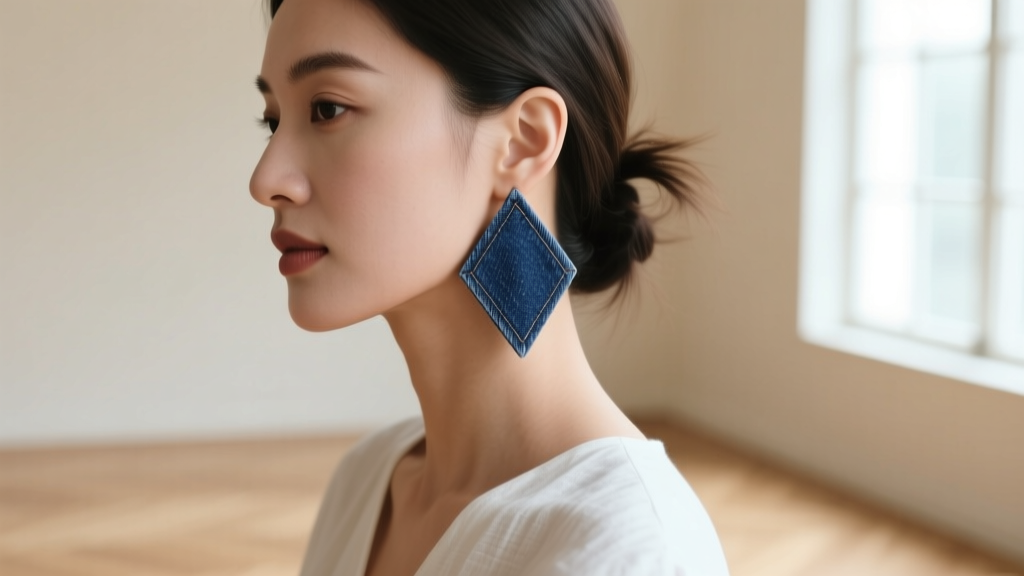
- Neckline Pairing: Cloth earrings pair best with simple, unadorned necklines. A crisp white linen button-down, a solid-color turtleneck, or a minimalist slip dress provides the perfect blank canvas, allowing the intricate weave and dye of the textile jewelry to take center stage without competing with busy patterns.
Final Thoughts on Textile Jewelry
Cloth earrings represent a beautiful intersection of traditional textile arts and modern accessory design. By understanding the importance of mechanical hardware bonds, selecting the right fabric for your lifestyle, and practicing proper spot-cleaning care, you can enjoy these lightweight, sustainable statement pieces for years to come. As you build your jewelry collection in 2026, do not overlook the quiet luxury and bold artistry that a well-crafted fabric earring brings to your personal style.


