Pink Gemstone Earrings: A Durability and Material Guide
Compare the durability, optics, and pricing of pink gemstone earrings. Discover which pink stones like sapphire, morganite, and spinel suit your lifestyle.

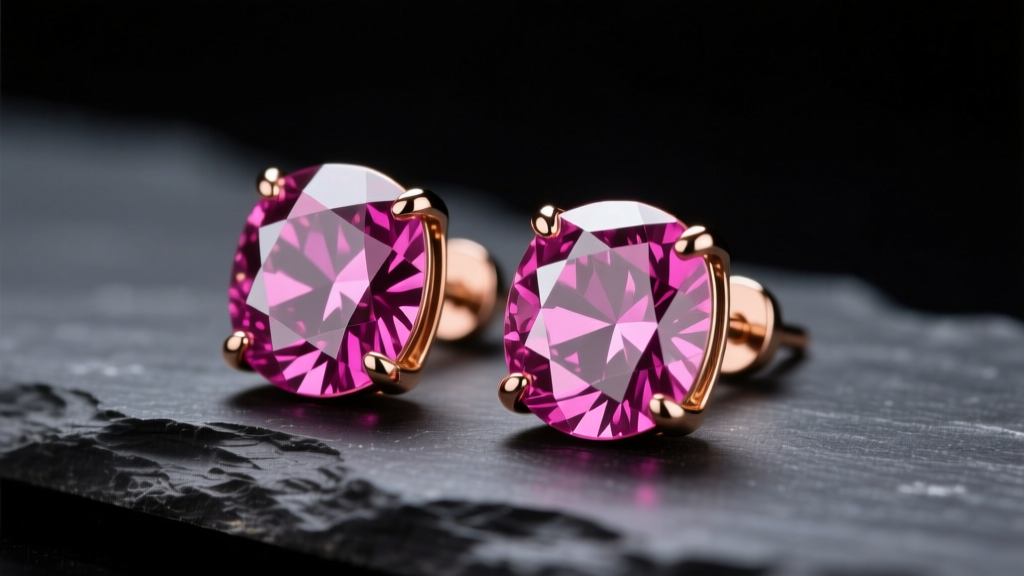
Introduction to Pink Gemstone Optics and Wearability
When selecting pink gemstone earrings, consumers are often captivated by romantic hues ranging from soft pastel blush to vivid neon magenta. However, as we navigate the fine jewelry market in 2026, understanding the underlying mineralogy, optical physics, and structural durability of these stones is critical for making a sound investment. Earrings experience different mechanical stress than rings; they are less prone to direct desk impacts but are highly susceptible to being dropped on hard surfaces, hair-snagging, and chemical exposure from daily cosmetics. This comprehensive guide breaks down the material properties of the top pink gemstones used in ear jewelry, helping you balance aesthetic desires with practical longevity.
The Mohs Scale: Evaluating Scratch and Impact Resistance
The Mohs scale of mineral hardness is a qualitative ordinal scale from 1 to 10, but it is crucial to understand that it is logarithmic, not linear. The jump in absolute hardness between a Mohs 8 and a Mohs 9 is massive. While earrings do not endure the same abrasive wear as a daily-worn engagement ring, they are frequently dropped on porcelain or ceramic tile floors, which typically register between 7.0 and 8.0 on the Mohs scale.
High-Durability Options (8.0 - 9.0)
For everyday wear, Pink Sapphire (Mohs 9) and Pink Spinel (Mohs 8) are the premier choices. Corundum (sapphire) possesses exceptional toughness and lacks cleavage planes, meaning it will not easily split if struck. Spinel, while slightly softer, is highly durable and singly refractive, making it incredibly resilient in prong settings. Both stones can easily withstand accidental drops onto bathroom tiles without chipping.
Moderate-Durability Options (7.0 - 7.9)
Morganite (Mohs 7.5-8) and Pink Tourmaline (Mohs 7-7.5) require more mindful wear. Morganite has distinct cleavage, making it vulnerable to sharp blows that can cause internal fracturing. Tourmaline is known for its brittleness and sensitivity to thermal shock. Rose Quartz (Mohs 7) is abundant and affordable but scratches easily and is best reserved for occasional wear or protective bezel settings.
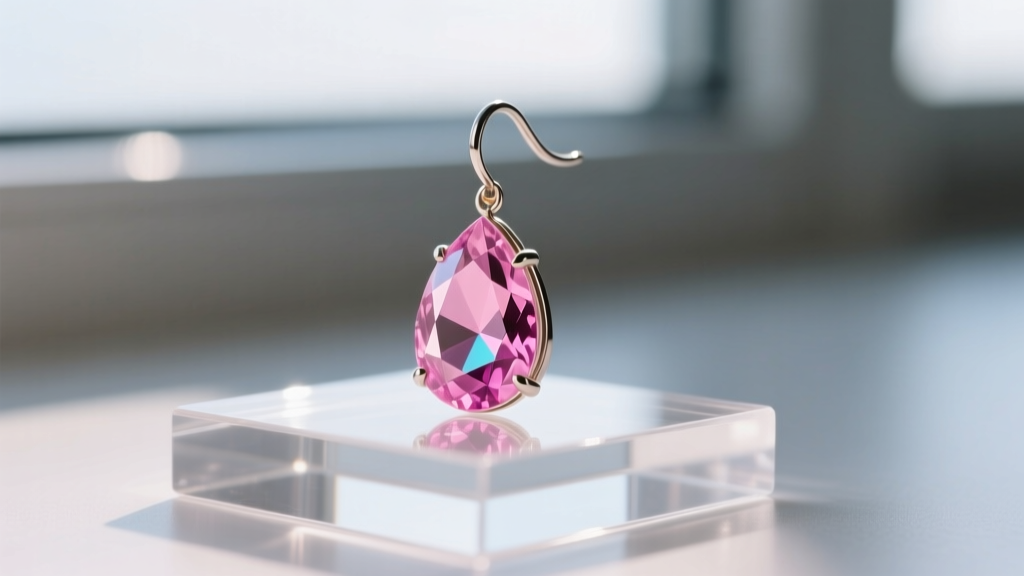
Optical Properties: Refractive Index and Pleochroism
The brilliance and color saturation of pink gemstone earrings are dictated by their Refractive Index (RI) and optical phenomena. A higher RI generally translates to greater light return and "sparkle."
- Pink Sapphire (RI 1.76-1.78): Exhibits high brilliance and strong pleochroism, meaning it shows different color intensities when viewed from different crystal axes. Master cutters must orient the table facet perpendicular to the c-axis to maximize the pink hue.
- Pink Spinel (RI 1.712-1.736): Being singly refractive (isotropic), spinel lacks pleochroism. The color you see is uniform from all angles. Certain "Jedi" spinels from Mahenge, Tanzania, contain trace chromium and lack iron, resulting in a neon pink fluorescence under UV light that makes them appear exceptionally vivid in daylight.
- Pink Tourmaline / Rubellite (RI 1.62-1.64): Highly pleochroic and doubly refractive. Poorly cut tourmaline can look muddy or dark in the center (extinction). When buying tourmaline drops, inspect the stones in natural light to ensure the pink is evenly distributed without brownish modifiers.
Material Comparison Chart: 2026 Market Data
| Gemstone | Mohs Hardness | Refractive Index | Specific Gravity | Common Treatments | Avg. Price Range (per ct) |
|---|---|---|---|---|---|
| Pink Sapphire | 9.0 | 1.76 - 1.78 | 4.00 | Heat (Standard), Lattice Diffusion | $500 - $3,500+ |
| Pink Spinel | 8.0 | 1.712 - 1.736 | 3.60 | Rarely Treated | $200 - $2,000 |
| Morganite | 7.5 - 8.0 | 1.57 - 1.58 | 2.71 - 2.90 | Heat (to remove yellow tones) | $100 - $350 |
| Pink Tourmaline | 7.0 - 7.5 | 1.62 - 1.64 | 3.06 | Heat, Irradiation, Clarity Filling | $50 - $600 |
| Rose Quartz | 7.0 | 1.54 - 1.55 | 2.65 | Untreated | $2 - $15 |
Common Treatments and Disclosure Standards
Understanding gemological treatments is non-negotiable when evaluating the value and stability of pink gemstone earrings. According to the GIA Sapphire Encyclopedia, the vast majority of pink sapphires on the market are heat-treated to dissolve silk inclusions and improve color saturation. This is a stable, permanent, and universally accepted practice.
However, buyers must be wary of lattice diffusion (where beryllium is introduced during heating to create artificial pink/orange hues) and fracture filling in lower-grade stones. Morganite is routinely heated to around 400°C to destroy yellow color centers, shifting peach beryl into pure pink. This treatment is permanent. Conversely, some pink tourmalines are treated with irradiation to deepen their color, which can occasionally fade upon prolonged exposure to intense sunlight. Always request a report from a reputable lab (GIA, AGL, or GRS) for any pink gemstone earring purchase exceeding $1,000.
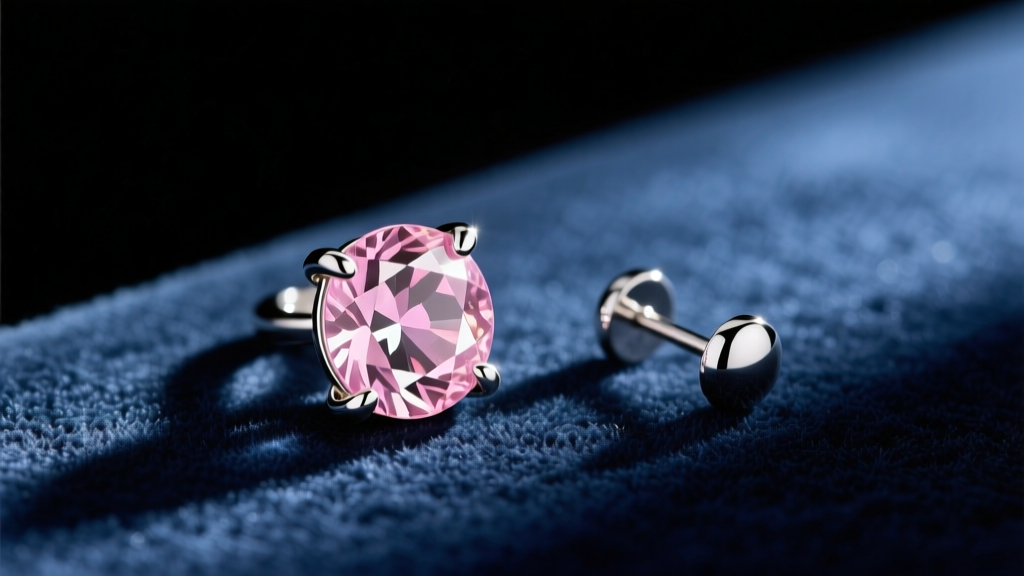
Setting Recommendations and Post Gauge Sizing
The physical design of the earring setting must complement the mechanical properties of the chosen gemstone. Because pink gemstones vary wildly in toughness, a one-size-fits-all approach to setting leads to premature stone loss.
Prong vs. Bezel Settings
For high-durability stones like pink sapphire and spinel, classic three-prong "martini" or four-prong "basket" settings are ideal. They maximize light entry and showcase the stone's brilliance. For moderate-durability stones like morganite and tourmaline, especially in dangle or drop styles that swing and collide, a bezel or half-bezel setting is highly recommended. The metal rim protects the vulnerable girdle and culet from chipping upon impact.
Post Thickness and Backings
Standard earring posts are typically 20-gauge (0.81mm). However, large pink gemstones—such as a 4-carat morganite cushion cut—can weigh over 3 grams per ear. A 20-gauge post will bend under this weight, causing the earring to droop unflatteringly. For stones exceeding 2 carats per ear, insist on an 18-gauge (1.02mm) or 16-gauge (1.29mm) post. Furthermore, pair heavy studs with secure screw-backs or large silicone friction stoppers to distribute the weight evenly against the earlobe and prevent tearing.
Gemologist's Tip: When wearing pink tourmaline or morganite drop earrings, always put them in after applying hairspray, perfumes, and lotions. The porous nature of some included tourmalines and the chemical sensitivity of beryl can lead to a cloudy film that dulls the stone's natural luster over time.
Final Verdict: Choosing Your Ideal Pink Stone
The best pink gemstone earrings for you depend entirely on your lifestyle and budget. If you seek a vibrant, heirloom-quality stud for daily wear, pink sapphire remains the undisputed champion of durability, while pink spinel offers a brilliant, untreated alternative for the purist. If you prefer larger, statement-making drop earrings for evening wear and are willing to exercise care, morganite provides unparalleled pastel elegance at a highly accessible price point. By prioritizing material properties alongside aesthetic appeal, you ensure your pink gemstone earrings remain as structurally sound as they are visually stunning.


