Concha Earrings Value Guide: Budget vs Luxury in 2026
Discover how to evaluate concha earrings in 2026. We break down sterling silver grades, genuine turquoise pricing, and budget vs. luxury value tiers.

The Anatomy of a Concha Earring: What You Are Actually Paying For
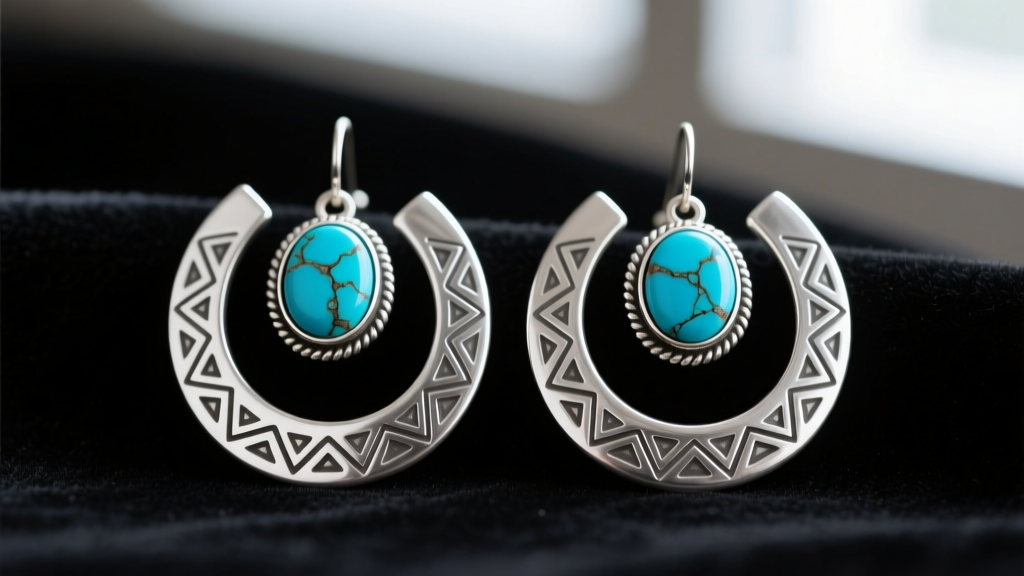
The concha earring, deeply rooted in Navajo and broader Southwestern silversmithing traditions, is characterized by its scalloped, round, or oval shape, often featuring a central hole or a prominent turquoise cabochon. In 2026, the market is flooded with everything from $12 mass-produced knockoffs to $1,500 master-crafted heirloom pieces. To accurately assess the value of concha earrings, you must deconstruct the piece into its three core value drivers: metal purity, stone origin, and artisan labor. Understanding these variables is the only way to separate genuine Southwestern heritage jewelry from cheap tourist-trap trinkets.
Unlike lightweight minimalist studs, concha earrings require a substantial amount of raw material. A standard 1-inch (25mm) concha earring pair can easily require 15 to 25 grams of silver. Therefore, the baseline value of any legitimate piece is intrinsically tied to the spot price of precious metals, making rock-bottom pricing an immediate red flag for counterfeit materials.
Metal Truths: Sterling Silver vs. The "Nickel Silver" Deception
The most common trap for budget-conscious buyers is the misdirection of metal alloys. According to The Silver Institute, genuine sterling silver must contain 92.5% pure silver and 7.5% alloy (usually copper) for structural integrity, and it should bear a ".925" or "Sterling" hallmark.
However, many budget concha earrings are marketed using deceptive terminology. You will frequently encounter terms like "Nickel Silver," "German Silver," or "Tibetan Silver." These contain absolutely zero elemental silver. They are base-metal alloys composed primarily of copper, nickel, and zinc. Not only do these alloys lack intrinsic value and tarnish into a dull, unpolishable gray-green, but the high nickel content is a primary culprit for severe contact dermatitis and earlobe irritation. If a pair of large, heavy concha earrings is priced under $30 and lacks a clear ".925" stamp, you are purchasing a base-metal alloy that will likely cause your piercing site to itch and inflame.
Premium Metal Upgrades
In the luxury tier, some contemporary Native American silversmiths are utilizing Argentium Silver. This modern alloy replaces some of the copper with germanium, making the silver highly resistant to tarnish and eliminating the need for frequent chemical polishing, which can degrade the porous turquoise stones set within the concha.
Stone Valuation: Genuine Turquoise vs. Imitations
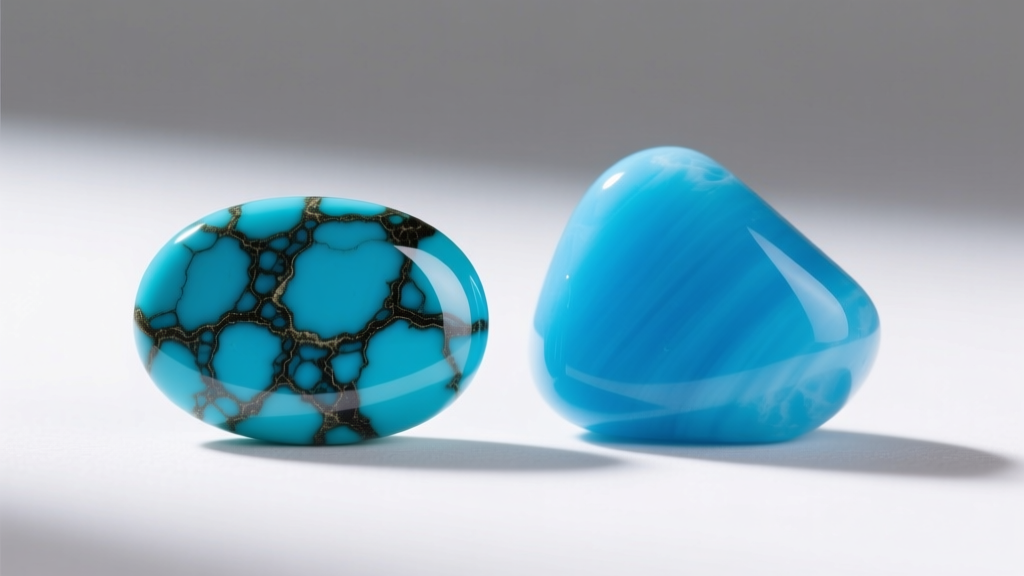
The central cabochon is the focal point of a concha earring, and its origin dictates massive price variances. The Gemological Institute of America (GIA) notes that turquoise is frequently treated, stabilized, or outright faked. Here is how different stone materials impact your budget and the overall value of the earrings.
| Stone Material | Description & Treatment | Value Impact | Price Tier |
|---|---|---|---|
| Block Turquoise | Epoxy resin mixed with turquoise dust or synthetic dyes. Molded into blocks and cut. | Zero collectible value. Prone to yellowing and scratching. | Budget ($15 - $40) |
| Dyed Howlite | Porous white magnesium mineral dyed bright blue. Lacks natural matrix veining. | Extremely low value. Dye can bleed onto skin or silver over time. | Budget ($15 - $40) |
| Stabilized Turquoise | Genuine, low-grade turquoise infused with clear epoxy under pressure to harden it. | Good value. Durable, retains natural color, standard for mid-tier jewelry. | Mid-Tier ($80 - $250) |
| Natural / Untreated | High-grade, unaltered stone (e.g., Sleeping Beauty, Kingman, Lander Blue). | Exceptional value. Highly collectible, but porous and requires careful maintenance. | Luxury ($350 - $1,500+) |
The 2026 Concha Earring Pricing Matrix
When shopping for concha earrings, use this matrix to align your budget with realistic expectations regarding craftsmanship and materials.
1. The Budget Tier ($15 – $50)
- Materials: Plated brass or nickel silver; block turquoise or dyed howlite.
- Construction: Machine-cast in overseas factories. Details are often muddy, and the scalloped edges lack sharp definition.
- Verdict: Acceptable only for temporary costume wear. Avoid if you have sensitive piercings or want longevity.
2. The Mid-Tier ($80 – $250)
- Materials: Solid .925 sterling silver; stabilized genuine turquoise or high-quality synthetic equivalents like Gilson.
- Construction: Often a mix of casting and light hand-finishing. Bezel settings are usually machine-soldered but clean. Silver weight is moderate (8-12 grams per earring).
- Verdict: The sweet spot for everyday wearers who want authentic materials without paying for master-artisan labor.
3. The Investment / Luxury Tier ($350 – $1,500+)
- Materials: Heavy-gauge .925 or Argentium silver; rare, natural, untreated turquoise with documented mine origins.
- Construction: Hand-stamped using individual steel dies (look for slight overlapping tool marks on the reverse side), or intricate silver overlay work where two sheets of silver are sweat-soldered together. Stones are hand-cut and set in thick, hand-sawn bezels.
- Verdict: Wearable art. These pieces appreciate in value and are often signed by the Native American silversmith, complying with the Indian Arts and Crafts Board authenticity guidelines.
Biomechanics of Heavy Silver: Gauges, Backs, and Lobe Health
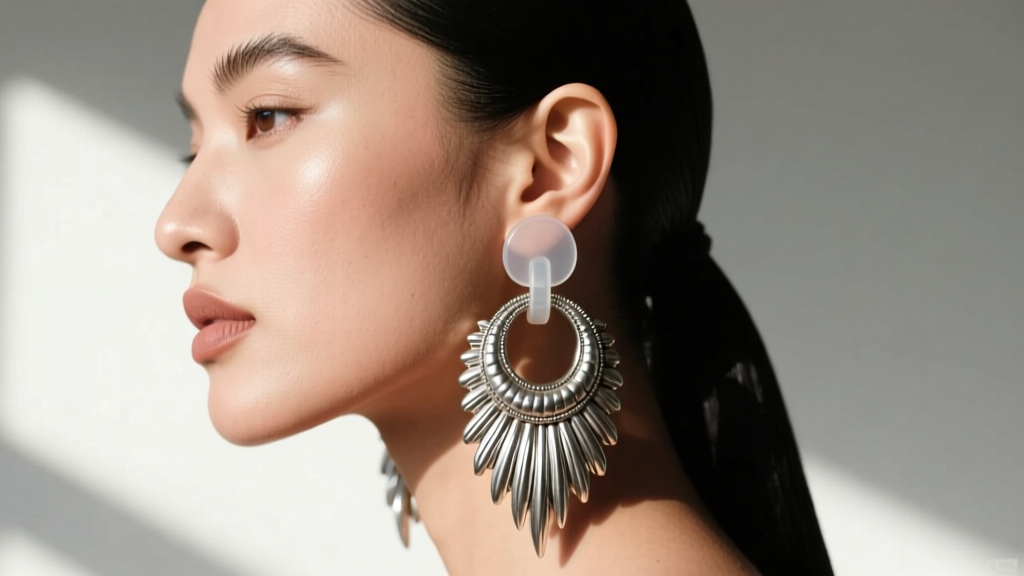
A critical, often overlooked aspect of assessing concha earring value is structural integrity and earlobe health. Because authentic .925 silver conchas are dense and heavy, they exert significant downward torque on the piercing fistula. A standard friction post and butterfly back will fail under this weight, causing the earring to droop forward and slowly stretch or tear the earlobe tissue.
Post Gauge Specifications
Most commercial earrings use a 20-gauge (0.81mm) post. For heavy concha earrings, a 20g post is dangerously thin and will bend under the weight of a 15-gram silver disc. When evaluating luxury or mid-tier conchas, inspect the post thickness. You want an 18-gauge (1.02mm) or even a 16-gauge (1.29mm) post for adequate load-bearing support.
Weight Distribution Solutions
If you are investing in heavy, luxury-tier concha earrings, factor in the cost of structural supports. Silicone earring support pads (such as Lobe Wonder patches) are essential. These adhesive discs distribute the weight of the silver across a wider surface area of the earlobe, preventing the "cheese-cutter effect" where the earring post slowly slices through the tissue. Alternatively, look for artisans who fabricate custom screw-backs or omega-clips for non-pierced ears, which grip the lobe more securely than standard friction backs.
Authentication Checklist: Spotting the Fakes
Before finalizing a purchase, especially in the mid-to-high tier, run the piece through this rapid authentication checklist:
The Bezel Test: Run your fingernail over the metal rim holding the turquoise. In mass-produced fakes, the stone is often glued in, and the "bezel" is merely a cast ridge with gaps. In genuine silversmithing, the silver bezel is pushed tightly and evenly over the stone's edge with no visible adhesive.
- The Magnet Test: Sterling silver is non-magnetic. If the earring post or the concha body snaps to a neodymium magnet, it contains steel or iron and is a counterfeit.
- The Sound Test: Gently tap two .925 silver conchas together. Real silver produces a high-pitched, resonant "ping" that sustains for a second. Base metals produce a dull, immediate "clack."
- The Reverse Stamp Check: Hand-stamped luxury pieces will show slight imperfections, varying depths, and minor overlapping on the back where the artisan struck the steel dies. Perfectly uniform, shallow patterns indicate machine casting, not hand-forging.
Final Verdict: Where to Allocate Your Budget
When buying concha earrings, never compromise on the metal. Even if you must settle for stabilized turquoise or a smaller stone size to fit your budget, ensure the silver is verified .925 and the post is at least 18-gauge. The cultural heritage and visual impact of the concha design rely heavily on the luster and weight of real silver. By understanding the material realities and structural requirements outlined above, you can confidently navigate the 2026 market and invest in pieces that honor the craft while protecting your earlobe health.


