2026 Gift Guide: Convert Clip On Earrings to Pierced Styles
Discover our 2026 gift guide on how to convert clip on earrings into custom pierced pieces. Learn costs, soldering methods, and occasion-matching tips.

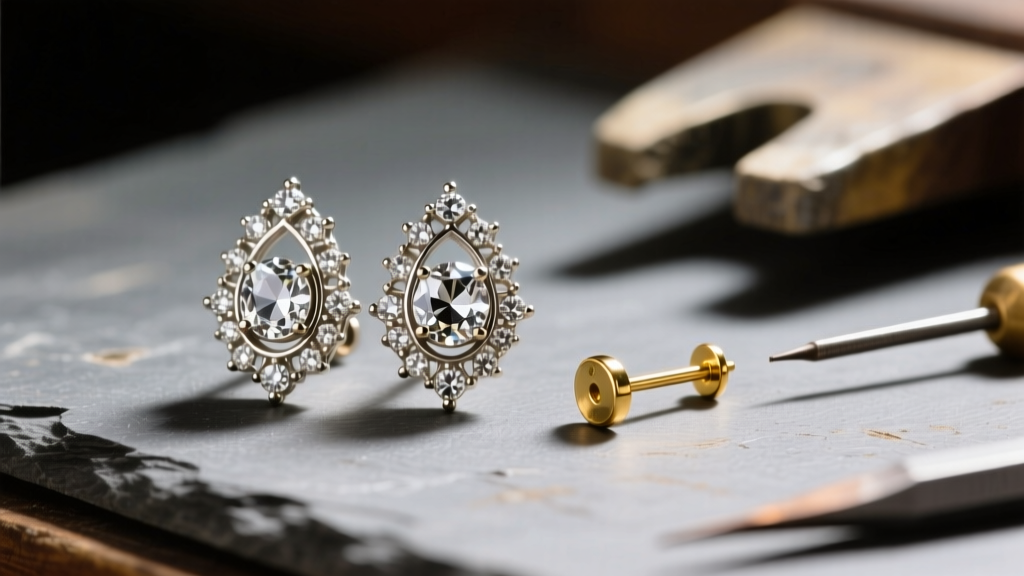
The 2026 Gifting Trend: Why Vintage Clip-Ons Are the Ultimate Thoughtful Gift
In the landscape of 2026 jewelry gifting, mass-produced accessories are taking a backseat to sustainable, one-of-a-kind vintage finds. Mid-century and Art Deco clip-on earrings—crafted by legendary houses like Trifari, Miriam Haskell, and Boucher—offer unparalleled craftsmanship, intricate metalwork, and high-quality aurora borealis rhinestones or faux pearls. However, a significant hurdle remains for the modern gift-giver: the vast majority of today’s recipients have pierced ears and rarely wear clip-ons, which can cause cartilage fatigue and lobe pinching after a few hours of wear.
The solution? Gifting a customized conversion. Learning how to convert clip on earrings into secure, comfortable pierced styles transforms a beautiful but unwearable antique into a deeply personal, everyday heirloom. This process bridges the gap between historical elegance and modern utility, making it the ultimate gesture for anniversaries, milestone birthdays, and graduations. By taking a vintage piece to a professional bench jeweler for conversion, you are not just giving a piece of jewelry; you are giving an experience of bespoke restoration.
Step-by-Step: How Jewelers Convert Clip On Earrings to Pierced Posts
Converting a clip-on earring is a delicate bench procedure that requires precision, proper metallurgical knowledge, and an understanding of weight distribution. When you bring a pair of vintage clips to a jeweler, the conversion process generally follows these critical steps:
- Paddle Removal: The jeweler carefully removes the metal clip paddle and the tension spring. If the clip was originally soldered, they will use a localized torch to melt the old solder without damaging the front-facing plating or stones. If it was riveted, they drill out the rivet and file the surface flush.
- Surface Preparation: The back of the earring is sanded and polished to ensure a clean, oxidized-free bonding surface. This is crucial for preventing future solder joint failures.
- Post Selection and Sizing: The jeweler selects the appropriate post gauge. Standard pierced earrings use a 20-gauge (0.81mm) or 22-gauge (0.64mm) post. However, heavy vintage drops or oversized chandelier clips require an 18-gauge (1.02mm) post to prevent the earring from drooping or bending under its own weight.
- Soldering and Pickling: The post is fluxed and soldered to the prepared surface. The piece is then quenched in a mild acid bath (pickle) to remove oxidation and flux residue.
Material Matters: Soldering Alloys and Heat-Sensitive Gemstones
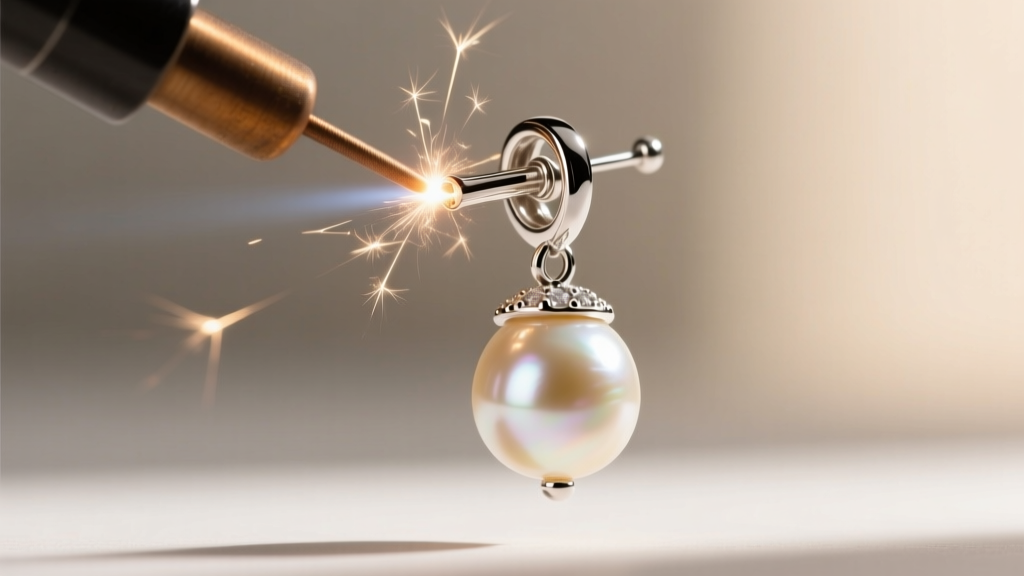
Not all vintage earrings can withstand traditional torch soldering. Many mid-century pieces feature cold enamel, glued-in glass cabochons, or heat-sensitive gemstones like opals, emeralds, and turquoise. According to the Gemological Institute of America (GIA), sudden thermal shock or prolonged heat from a jeweler's torch can cause internal fracturing in emeralds or completely melt the structural integrity of vintage cold enamel.
For these delicate pieces, a master jeweler will use laser welding. Laser welders use highly concentrated pulses of light to fuse metal in a fraction of a second, generating virtually no ambient heat. This allows the jeweler to attach a 14k gold or sterling silver post directly adjacent to a heat-sensitive stone without causing thermal damage. Beware of DIY conversion kits that suggest using cyanoacrylate (super glue) or two-part epoxies. Skin oils, moisture, and the sheer shear-stress of an earring resting against the neck will degrade these adhesives rapidly, leading to inevitable loss of the earring.
Occasion Matching: Which Converted Styles Fit Which Milestones?
Matching the converted earring style to the specific occasion elevates the gift from thoughtful to unforgettable. Below is a 2026 framework for pairing vintage clip-on styles with the appropriate conversion hardware based on the gifting milestone.
| Occasion | Ideal Vintage Clip Style | Recommended Conversion Hardware | Why It Works |
|---|---|---|---|
| College Graduation | 1950s Faux Pearl Drops | 20-Gauge Leverback Wire | Leverbacks provide security for active graduates while maintaining a classic, professional silhouette for early career networking. |
| 10th Anniversary | Art Deco Diamond/Onyx Clips | 18-Gauge Friction Post with Jumbo Backs | Heavy geometric pieces require thicker posts and jumbo silicone backs to distribute weight evenly across the lobe without tearing. |
| Milestone 50th Birthday | Bold 1980s Gold Button Clips | Omega Back Conversion | Converting large buttons to Omega backs provides a secure, non-pierced look that rests comfortably on the lower lobe without drooping. |
| Bridesmaid Gift | Delicate Floral Rhinestone Studs | 22-Gauge Standard Post with La Pousette Backs | La Pousette (push-pull) locking backs ensure the earrings stay secure through hours of dancing and celebration on the wedding day. |
Cost Breakdown: What to Expect When Paying for Earring Conversions
Budgeting for a custom jewelry conversion requires understanding the labor and materials involved. In 2026, bench jeweler rates have adjusted to reflect the specialized nature of vintage restoration. Here is a realistic pricing guide to help you plan your gift budget:
- Basic Torch Soldering (Sterling Silver or Base Metal): $35 to $60 per pair. This is ideal for simple, lightweight clips without heat-sensitive stones.
- Laser Welding (Gold, Platinum, or Heat-Sensitive Stones): $75 to $120 per pair. The premium cost covers the specialized equipment and the extra time required to protect delicate gemstones and enamel.
- Leverback or Ear Wire Conversion: $50 to $90 per pair. This involves soldering a jump ring and attaching a pre-fabricated leverback wire, which is excellent for heavy dangle earrings.
- Screw-Back Conversion: $40 to $70 per pair. Ideal for recipients who have stretched lobes or prefer a secure, non-friction backing.
When seeking a professional for this task, always look for certified bench jewelers. Organizations like Jewelers of America provide directories of credentialed professionals who have passed rigorous bench tests and understand the metallurgical nuances of vintage jewelry repair.
Gifting the Conversion: Presentation and Care Instructions
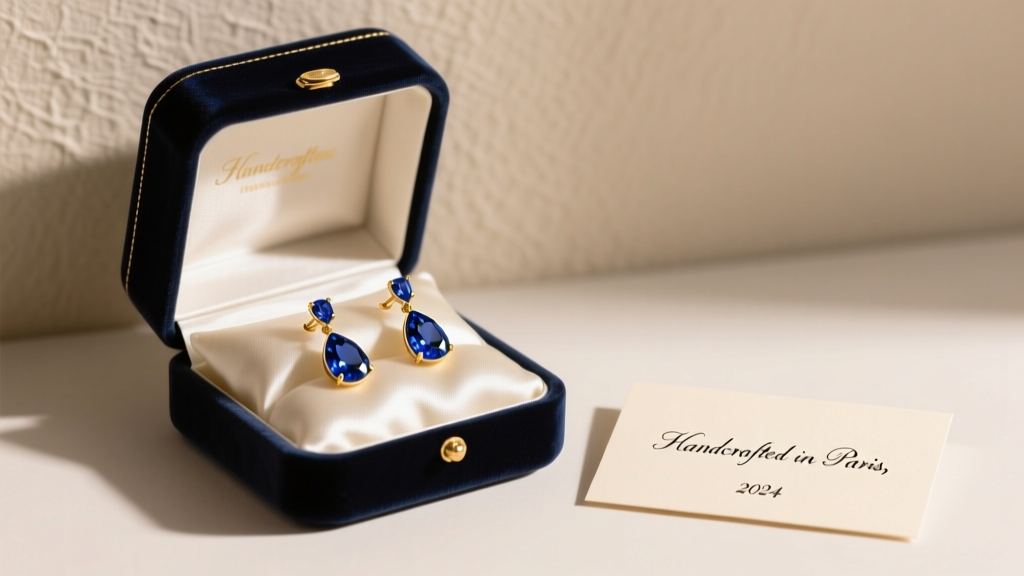
The final step in the gifting process is presentation. Because the recipient did not pick out the vintage piece themselves, providing context and care instructions adds a layer of luxury and thoughtfulness. When presenting the converted earrings, consider the following E-E-A-T approved gifting strategies:
Pro-Tip: Always include a small, handwritten provenance card detailing the estimated decade of the original piece, the designer (if known), and the specific conversion method used (e.g., "Laser-welded 18k gold posts, 2026"). This transforms the jewelry from a simple accessory into a documented artifact.
Furthermore, include a brief care guide. Vintage gold plating (often called vermeil or rolled gold) is thicker than modern flash plating but can still wear if subjected to harsh chemicals. Advise the recipient to clean the earrings using only a soft, dry microfiber cloth and to avoid ultrasonic cleaners, which can shake loose the original vintage glue settings holding the rhinestones in place. Store the converted earrings in an anti-tarnish pouch to preserve the newly soldered posts and the vintage metalwork alike.
By choosing to convert clip on earrings, you are participating in the circular fashion economy, preserving mid-century artistry, and delivering a deeply customized gift that will be cherished for decades. It is the epitome of modern, mindful gifting.


