The 2026 Coral Earring Gift Guide: Occasions & Styles
Discover the perfect coral earring gift for 2026. Learn ethical sourcing, occasion matching, gauge sizing, and care tips for this organic gem.

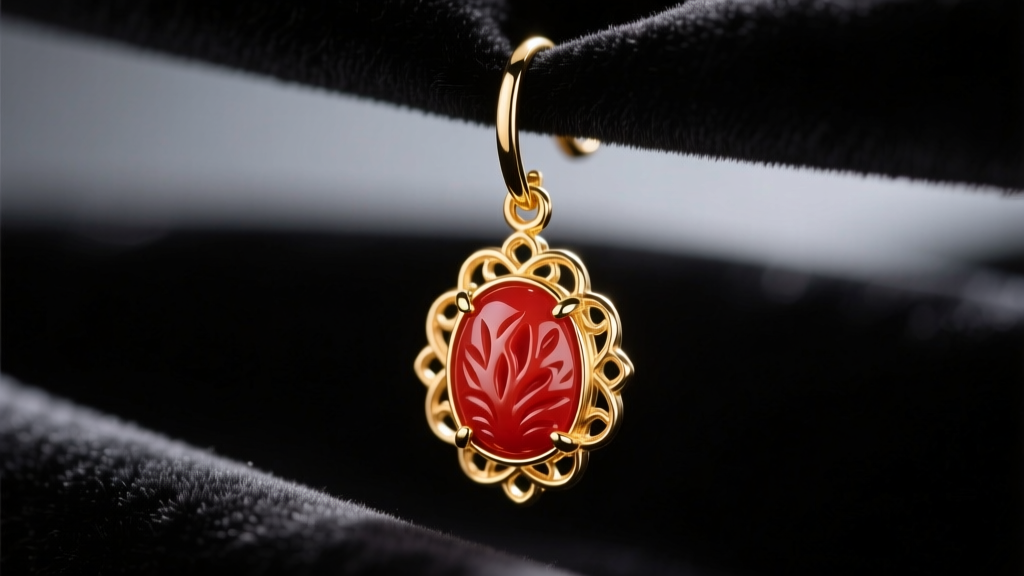
When it comes to milestone gifting in 2026, few organic gemstones carry the historical weight and visual warmth of a meticulously crafted coral earring. Unlike mined crystals, coral is a biological treasure formed by marine polyps, resulting in a unique, matte-to-waxy luster that catches the light with an unmistakable organic glow. Whether you are shopping for a traditional 35th wedding anniversary, a significant graduation, or a milestone birthday, gifting coral requires a nuanced understanding of material ethics, structural integrity, and style matching. This comprehensive guide will walk you through the technical and aesthetic considerations necessary to select a piece that is both beautiful and responsibly sourced.
Ethical Sourcing: Navigating the Modern Coral Market
The most critical factor in purchasing any coral jewelry today is understanding its origin. Due to overharvesting and ocean acidification, many marine coral species are strictly protected. The CITES Appendices heavily regulate the international trade of precious corals, particularly black and certain red varieties. When shopping for a genuine Corallium rubrum (Mediterranean red coral) piece, reputable jewelers will provide documentation proving the material was harvested prior to modern restrictions or sourced from highly regulated, sustainable fisheries in places like Japan or Italy.
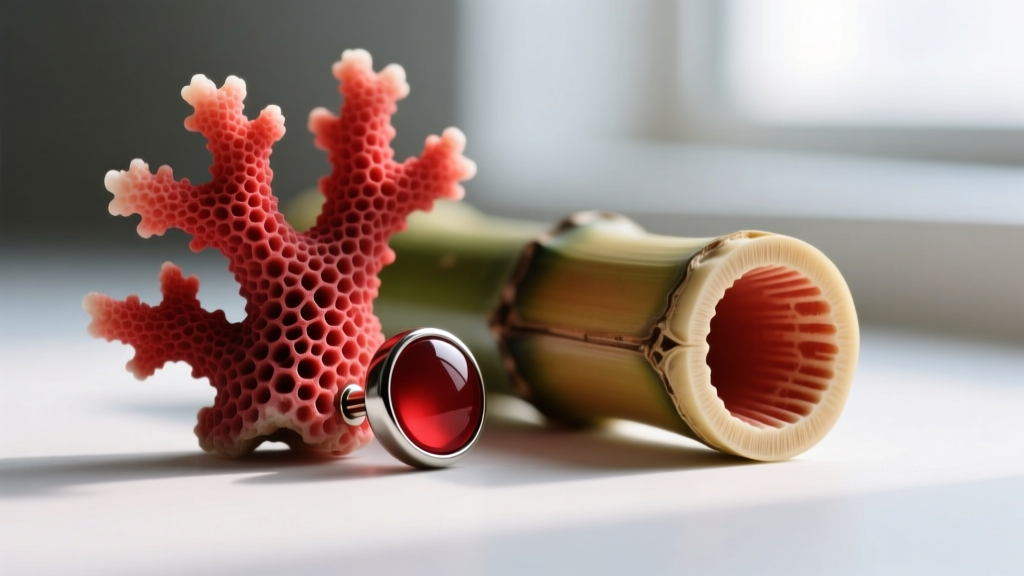
Because of these restrictions, the 2026 market has seen a surge in alternative materials that mimic the look of precious coral. Bamboo coral, a deep-sea variety that is naturally pale, is frequently dyed to imitate the coveted 'oxblood' red. While beautiful and more affordable, the Federal Trade Commission (FTC) Jewelry Guides mandate that any treated or dyed gemstone must be clearly disclosed to the buyer. Always ask the jeweler if the piece is natural, dyed, or reconstituted before making a purchase.
Verifying Authenticity and Material Grades
If you are investing in a high-end natural coral earring, knowing how to verify authenticity is essential. Natural precious coral is composed of calcium carbonate, giving it a Mohs hardness of 3.5 to 4.0. Under a 10x jeweler's loupe, genuine red coral will display a subtle, wavy grain pattern reminiscent of wood growth rings. Conversely, dyed bamboo coral often reveals concentrated dye pooling in its natural porous network, and glass or plastic imitations will show molded swirl marks or gas bubbles.
For a completely ethical and highly durable alternative, consider fossilized coral (agatized coral). This material occurs when prehistoric coral reefs are replaced by silica-rich groundwater over millions of years, transforming the organic structure into chalcedony. With a Mohs hardness of 6.5 to 7.0, fossilized coral is safe for everyday wear and requires none of the stringent CITES documentation associated with marine-harvested specimens.
Occasion Matching: Selecting the Right Silhouette
Matching the earring style to the specific occasion ensures your gift feels deeply personal and appropriate for the recipient's lifestyle.
The 35th Wedding Anniversary: Carved Drops and Cabochons
Coral is the traditional gift for the 35th wedding anniversary. For this milestone, opt for a statement piece that reflects the longevity of the relationship. A carved coral drop earring set in 18k yellow gold is a timeless choice. The warm undertones of yellow gold amplify the fiery red or deep pink hues of the coral. Look for pieces featuring a 'sugar-loaf' cabochon cut or intricate floral carvings, which showcase the artisan's skill and the material's natural translucency at the edges.
Graduations and Career Milestones: Structured Huggies
For a younger recipient celebrating a graduation or a major career promotion, traditional drops might feel too formal. Instead, consider coral-inlaid huggie hoops. These offer a modern, architectural silhouette that transitions seamlessly from the boardroom to evening events. A 14k or 18k white gold huggie featuring a channel-set row of precision-cut coral squares provides a striking pop of color while maintaining a sleek, contemporary profile. White gold or platinum settings provide a crisp contrast that makes the red coral appear even more vibrant.
Everyday Birthdays: Fossilized Coral Studs
If the recipient leads an active lifestyle or prefers minimalist jewelry, fossilized coral studs are the ultimate practical gift. Because agatized coral is significantly harder than marine coral, it can withstand the bumps and scratches of daily wear. A simple bezel-set fossilized coral stud in a rose gold setting highlights the earthy, earth-toned patterns of the stone while offering a secure, snag-free profile.
Technical Specifications: Gauges, Metals, and Hardware
One of the most overlooked aspects of gifting drop earrings is the hardware gauge. Coral is a dense material; a solid coral cabochon can easily weigh between 4 and 8 grams per earring. If this weight is suspended on a standard 20-gauge (0.81mm) wire, it will cause the 'cheese-cutter effect,' where the thin wire slowly slices through the earlobe tissue over time.
For any coral earring that dangles, you must verify that the jeweler has used an 18-gauge (1.02mm) or preferably a 16-gauge (1.29mm) wire. Additionally, the jump ring connecting the coral component to the ear wire should be soldered shut to prevent the heavy stone from pulling the ring open and being lost. For stud earrings, ensure the post is at least 18-gauge and features a secure backing, such as a screw-back or a jumbo friction clutch with a wide base to distribute the weight evenly across the back of the earlobe.
Pricing Tiers and Investment Value
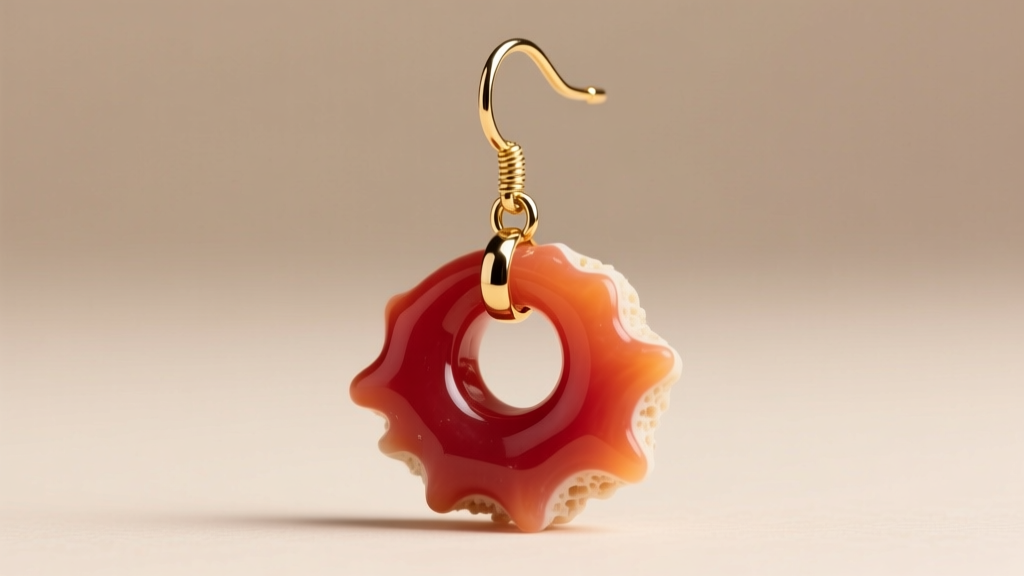
Understanding the market value of different coral types will help you set a realistic budget and avoid overpaying for treated materials. Below is a breakdown of what to expect in the 2026 market for a standard pair of earrings.
| Coral Type | Mohs Hardness | Origin / Source | Best Occasion | Price Range (Per Pair) |
|---|---|---|---|---|
| Mediterranean Red (C. rubrum) | 3.5 - 4.0 | Italy, Japan (Vintage/Regulated) | 35th Anniversary | $800 - $5,000+ |
| Fossilized Coral (Agatized) | 6.5 - 7.0 | Florida, Indonesia | Everyday / Birthdays | $150 - $600 |
| Bamboo Coral (Dyed) | 3.0 - 4.0 | Deep Sea (Pacific) | Trend / Fast Fashion | $30 - $120 |
| Pink 'Skin' Coral | 3.5 - 4.0 | Hawaii, Midway (Vintage only) | Graduations | $400 - $2,500 |
Essential Care for Porous Organic Gems
Gifting a coral earring also means gifting the knowledge of how to care for it. According to the Gemological Institute of America (GIA), organic gems like coral, pearl, and amber are highly sensitive to chemicals and environmental stressors. Coral's calcium carbonate structure reacts poorly to acids, meaning everyday substances like perfume, hairspray, and even natural skin acidity can dull its polish over time.
Advise the recipient to follow the 'last on, first off' rule: coral earrings should be the final accessory put on after cosmetics have dried, and the first item removed upon returning home. Cleaning should never involve ultrasonic machines or steam cleaners, as the high-frequency vibrations can shatter the internal crystalline structure. Instead, a simple wipe with a damp, lint-free microfiber cloth is sufficient to remove oils and restore the gem's natural luster. Finally, store the earrings in a soft pouch away from direct sunlight, as prolonged UV exposure can cause the organic pigments in red and pink varieties to fade prematurely.


