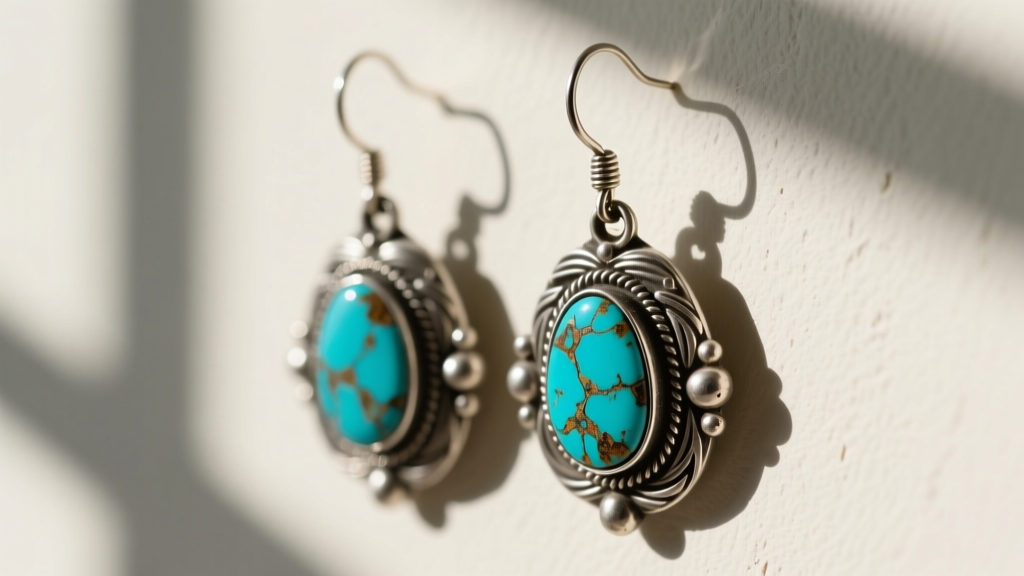
Cowrie Shell Earrings: Material Science, Mounting & Care Guide
Explore the material science, mounting techniques, and structural care of cowrie shell earrings. An expert guide to grading, gauges, and longevity.

The Evolution of Organic Jewelry in 2026
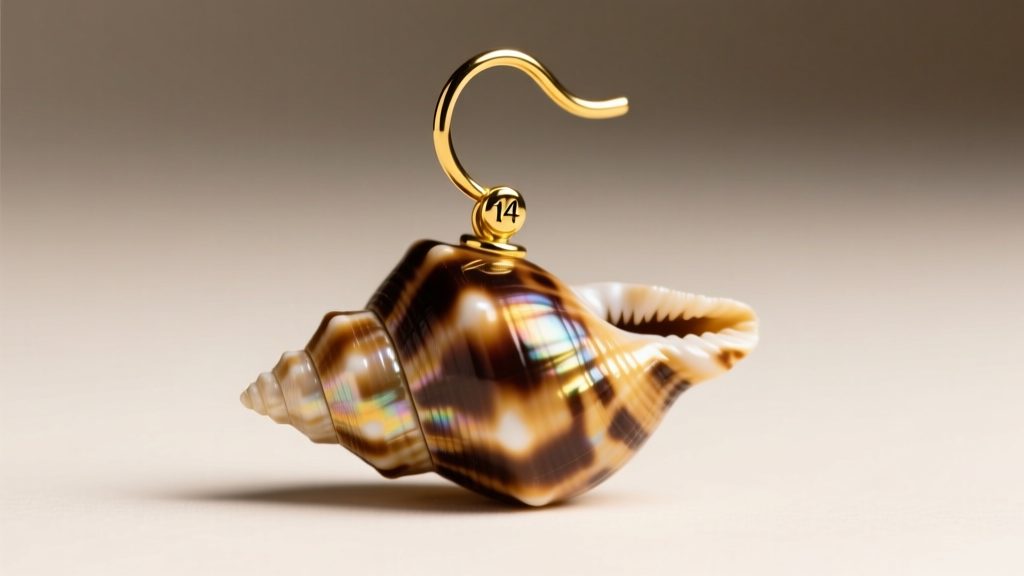
In the contemporary jewelry landscape of 2026, cowrie shell earrings have transcended their historical roots as mass-market souvenirs to become highly sought-after pieces of organic fine jewelry. However, working with and wearing shells requires a fundamentally different approach than working with faceted gemstones or metals. The family Cypraeidae, commonly known as cowries, presents unique structural challenges and biomechanical considerations for both the jeweler and the wearer. This expert deep dive explores the material science, precision mounting techniques, gauge requirements, and environmental care necessary to create and maintain heirloom-quality cowrie shell earrings.
The Material Science of Cypraeidae Shells
To understand how to properly mount and care for cowrie shell earrings, one must first understand their microstructure. Unlike pearls, which are composed of nacre, cowrie shells are primarily built from aragonite, a crystalline form of calcium carbonate, bound together by an organic protein matrix called conchiolin. According to the GIA Gem Encyclopedia, organic gems like shells require specialized handling due to their unique chemical makeup.
The exterior of a cowrie shell is renowned for its porcelain-like gloss. This is not an applied glaze, but the result of the mantle tissue of the living mollusk continuously polishing the aragonite crystals. On the Mohs scale of mineral hardness, cowrie shells rank between 3.5 and 4.0, making them softer than quartz but harder than pure calcite. However, hardness does not equate to toughness. The shell relies on a 'crossed-lamellar' microstructure—layers of aragonite laths oriented in alternating directions—to provide fracture toughness. This microstructure makes the shell highly resistant to crushing forces from the ocean floor, but surprisingly vulnerable to localized shear stress, such as the clamping force of a traditional jewelry bezel or the vibration of an ultrasonic cleaner.
Precision Drilling and Mechanical Mounting
The most common point of failure in commercial cowrie shell earrings is the mounting method. Mass-produced pieces often rely on industrial adhesives, while fine jewelry demands mechanical integrity.
The Failure Modes of Resin Adhesives
Cyanoacrylate (super glue) is entirely unsuitable for shell jewelry. Shells are microscopically porous and can retain ambient moisture. When cyanoacrylate cures over a porous, moisture-rich surface, it forms a brittle bond that degrades rapidly under the dynamic shear stress of a dangling earring. Even two-part epoxies, while stronger, are prone to UV-yellowing and can create a visible halo around the attachment point, ruining the natural aesthetic of the shell.
Wire-Wrapping and Bezel Tension Settings
For high-end cowrie shell earrings, mechanical mounting is mandatory. Wire-wrapping through drilled apertures or utilizing custom-fabricated bezels with silicone tension cushions ensures longevity. If drilling is required, jewelers must never use standard steel twist bits. The aggressive cutting action will catch the aragonite layers, causing catastrophic spalling (chipping) on the exit hole. Instead, diamond-coated hollow core bits must be used at low RPMs with continuous water lubrication. Crucially, the drill must always penetrate from the concave interior of the shell outward to the convex dorsal surface. This ensures that any micro-spalling that occurs as the bit breaks through the surface is hidden on the inside of the earring.
Ear Lobe Biomechanics and Wire Gauges
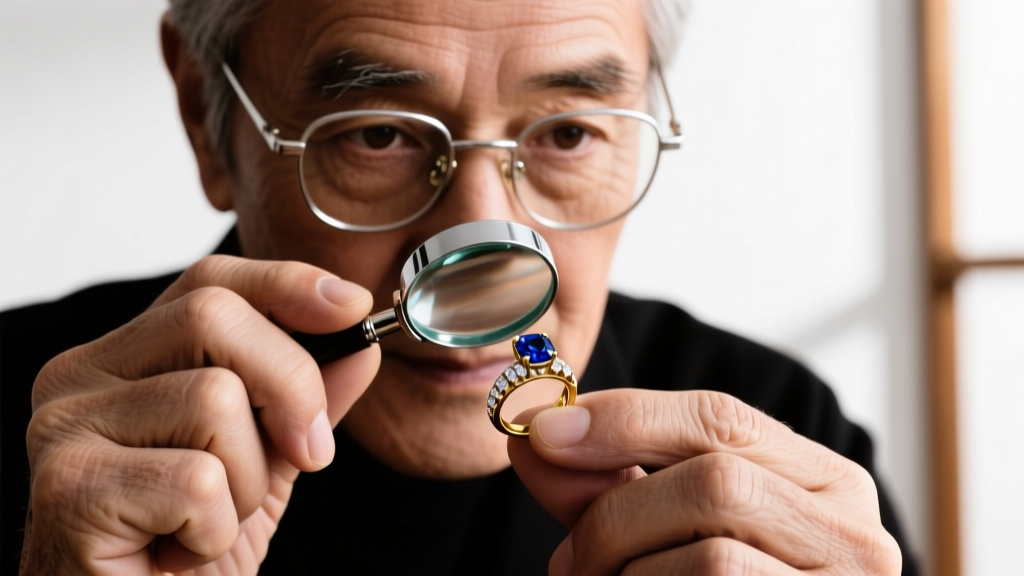
A critical, often overlooked aspect of designing cowrie shell earrings is the biomechanics of the human ear lobe. The ear lobe is composed of fibro-fatty tissue with no cartilage, making it highly susceptible to stretching and tearing—a phenomenon known in the body modification community as the 'cheese-cutter effect.' This occurs when a heavy earring rests on a thin wire, concentrating the gravitational force onto a microscopic surface area of the fistula (piercing hole).
Large species, such as the Tiger Cowrie (Cypraea tigris), can weigh between 15 and 25 grams per shell. Suspending a 20-gram shell from a standard 20-gauge (0.81mm) ear wire exerts immense localized pressure, inevitably leading to lobe migration, thinning, and eventual tearing. To counteract this, the wire gauge must be scaled proportionally to the shell's mass. Data from Rio Grande Jewelry Supply regarding wire tensile strength and ear lobe tolerance suggests the following framework:
| Cowrie Species | Average Weight (per shell) | Minimum Recommended Wire Gauge | Optimal Mounting Style |
|---|---|---|---|
| Money Cowrie (Monetaria moneta) | 1.5 - 3.0 grams | 20G (0.81mm) or 18G (1.02mm) | Standard French Hook or Stud Post |
| Golden Cowrie (Cypraea aurantium) | 8.0 - 12.0 grams | 16G (1.29mm) | Heavy French Hook with Stabilizing Bead |
| Tiger Cowrie (Cypraea tigris) | 15.0 - 25.0 grams | 14G (1.63mm) or 12G (2.05mm) | Forged Ear Wire or Leverback with Jumbo Disc Backing |
For heavy dangles, utilizing a silicone jumbo disc earring back is highly recommended. The disc distributes the pendulum weight across a wider surface area of the posterior lobe, significantly reducing the risk of tissue tearing.
Cartilage Considerations: Helix and Tragus Limits
While the fleshy ear lobe can accommodate heavy dangles with proper gauge sizing, cartilage piercings (such as the helix, tragus, or conch) operate under entirely different biomechanical rules. Cartilage is avascular and lacks the cushioning fat of the lobe. Subjecting a cartilage piercing to the dynamic, swinging weight of a large cowrie shell will almost certainly result in piercing rejection, migration, or the development of hypertrophic scarring (irritation bumps). Therefore, cowrie shell earrings designed for cartilage must be strictly limited to micro-specimens (like the Money Cowrie) weighing under 3 grams, and should be mounted on flat-back titanium labret posts in 16G or 14G to minimize rotational torque inside the fistula.
Grading and Sourcing: Identifying Premium Specimens
As the demand for organic jewelry has surged, the market has been flooded with chemically treated shells. Understanding the difference between natural and treated specimens is vital for both jewelers and collectors.
Expert Sourcing Tip: Always inspect the aperture (the mouth of the shell). In chemically bleached shells, the inner lip and teeth will appear chalky, stark white, and slightly degraded. In natural, unbleached shells, the teeth retain a subtle ivory or cream undertone and feel glassy smooth to the touch.
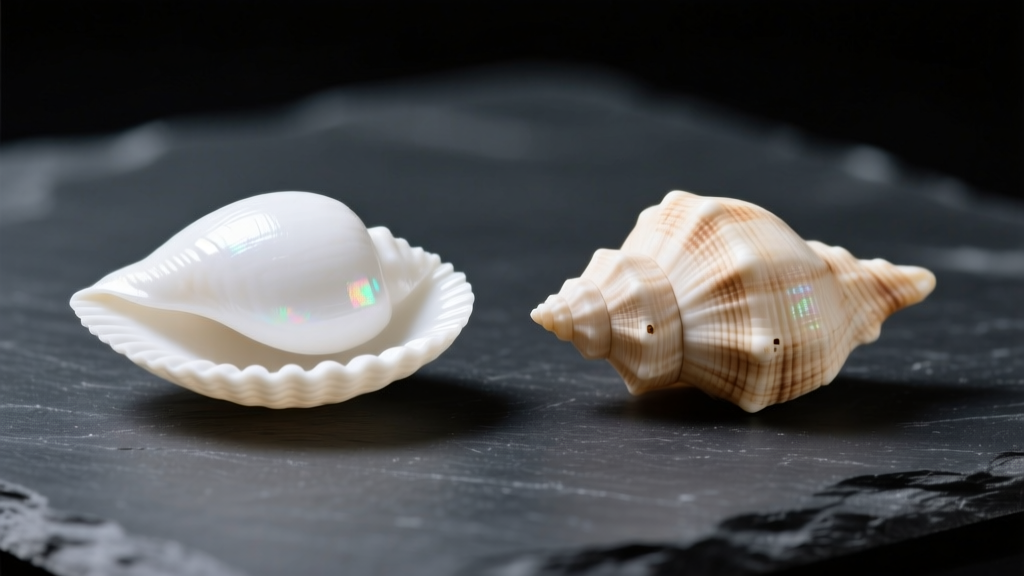
Commercial suppliers frequently harvest dead, sun-bleached, or algae-stained shells and soak them in concentrated hydrogen peroxide or mild acid baths to achieve a uniform, bright white appearance. This chemical processing strips away the protective outer layers and degrades the conchiolin protein matrix. Over a period of 24 to 36 months, these bleached shells will become brittle, develop micro-fissures, and eventually crumble under normal wear. 'Gem Grade' cowrie shells are harvested ethically, cleaned mechanically, and polished using natural tumbling media (like walnut shells or bamboo chips) without any chemical bleaching. These natural shells possess a warmer, creamier hue and will last for generations.
Environmental Degradation and Maintenance Protocols
Because cowrie shells are composed of calcium carbonate, they are highly reactive to acids. Human sweat has a pH ranging from 4.5 to 7.0, containing lactic acid and urea. Prolonged exposure to sweat, perfumes, hairsprays, and citrus-based lotions will slowly etch the surface of the shell, dulling its natural porcelain luster and leaving a permanent chalky residue.
To maintain the structural and aesthetic integrity of cowrie shell earrings, adhere to the following maintenance protocols:
- Never Use Ultrasonic Cleaners: The high-frequency cavitation bubbles generated by ultrasonic cleaners will aggressively attack the crossed-lamellar microstructure, causing internal fracturing and catastrophic shattering.
- Avoid Chemical Dips: Commercial silver polishing dips contain thiourea and mild acids that will instantly etch the shell surface. Always remove the shell component before polishing the metal hardware.
- Post-Wear Cleaning: After wearing, gently wipe the shell with a slightly damp, lint-free microfiber cloth to remove skin oils and environmental acids. Allow it to air dry completely before storing.
- Storage Environment: Store in a climate-controlled environment with moderate humidity. Extreme dryness can cause the conchiolin matrix to desiccate and shrink, leading to surface crazing (fine cracking).
By respecting the material science and biomechanical realities of Cypraeidae shells, jewelers can craft cowrie shell earrings that are not only visually stunning but structurally engineered to endure, elevating this ancient organic material to its rightful place in modern fine jewelry.