How to Craft and Style an Authentic Tibetan Earring Design
Learn how to craft and style an authentic Tibetan earring design. Step-by-step guide on selecting turquoise, coral, silver gauges, and weight distribution.

Understanding the Anatomy of a Traditional Tibetan Earring Design
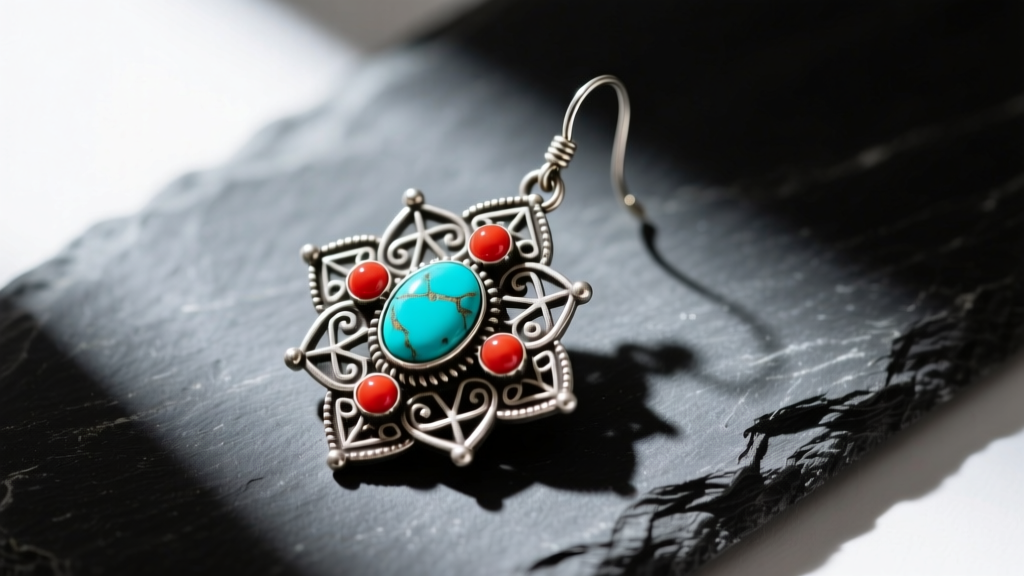
Tibetan jewelry is deeply rooted in Himalayan spiritualism, functioning not merely as adornment but as protective amulets and status symbols. When approaching a Tibetan earring design, it is crucial to understand the foundational motifs and material philosophy that define the style. Traditional pieces heavily feature the 'Endless Knot' (Shrivatsa), representing the interconnectedness of all things, and the 'Lotus', symbolizing purity. Unlike Western minimalist jewelry, Tibetan designs are intentionally bold, asymmetrical, and heavily textured, relying on the stark contrast between dark, oxidized metals and vibrant, unpolished gemstones.
Historically, nomadic tribes wore their wealth in the form of heavy silver and stone dangles. Today, translating this aesthetic into wearable, modern earrings requires a careful balance of traditional visual weight and ergonomic engineering. In this guide, we will walk through the exact steps to source materials, engineer the wire framework, and style heavy dangles without compromising your ear health.
Step 1: Sourcing Authentic Materials and Avoiding Fakes
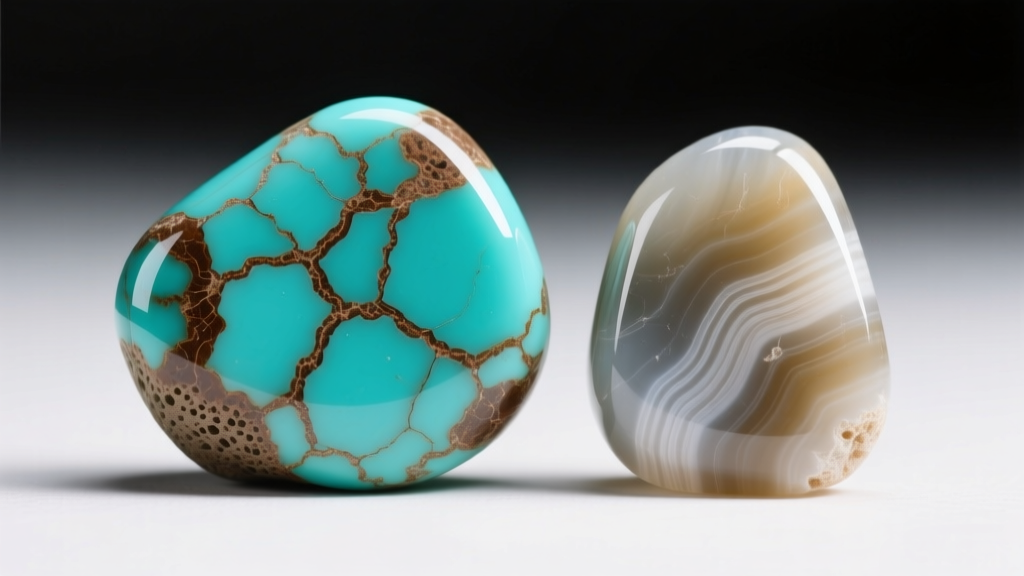
The most common pitfall when crafting a Tibetan earring design is falling for synthetic or dyed stones. The traditional triad of Tibetan gemstones includes Turquoise, Coral, and Lapis Lazuli. Furthermore, the term 'Tibetan Silver' is largely a misnomer in modern commercial markets; it often refers to a base metal alloy of copper, nickel, and zinc that can contain dangerous levels of lead or cause severe contact dermatitis. For a safe, high-quality design, always use genuine nickel-free brass or sterling silver (.925) and apply an artificial patina to mimic the antique Himalayan look.
Gemstone Identification Chart
Before purchasing your cabochons and beads, use this reference table to ensure you are acquiring genuine stones rather than dyed imitations. According to the Gemological Institute of America (GIA), treatments like dyeing and waxing are rampant in the turquoise market.
| Gemstone | Genuine Visual Cues | Common Imitation | Quick Identification Test |
|---|---|---|---|
| Turquoise | Natural brown/black matrix; waxy luster; Mohs 5-6 | Dyed Howlite | Hot needle test: Howlite smells like burnt plastic; genuine turquoise does not melt. |
| Coral | Subtle wood-grain texture; porous; Mohs 3.5-4 | Dyed Glass/Plastic | Magnification: Look for dye concentration in cracks. Coral effervesces slightly with weak acid. |
| Lapis Lazuli | Deep royal blue with metallic pyrite flecks; Mohs 5-5.5 | Dyed Sodalite | Acetone swab: Rubbing alcohol or acetone will remove dye from sodalite, but not affect genuine lapis. |
Step 2: Selecting the Right Wire Gauges and Findings
Because Tibetan dangles are inherently heavy, structural integrity is paramount. A poorly engineered ear wire will bend under the weight of stone cabochons, leading to lost earrings or torn earlobes. When selecting your wire, you must consider both the gauge (thickness) and the hardness (temper). For authentic detailing, dead-soft wire is necessary for weaving, but half-hard wire is mandatory for structural components.
Wire Gauge Framework for Heavy Dangles
- 16-Gauge (1.29mm) Half-Hard: Use exclusively for the main ear wire (French hook) and the primary load-bearing jump rings. This thickness prevents the hook from pulling through a stretched earlobe piercing.
- 18-Gauge (1.02mm) Half-Hard: Ideal for creating the structural frame or 'halo' around large cabochons, as well as heavy-duty clasps.
- 20-Gauge (0.81mm) Dead-Soft: Perfect for bezel wrapping, securing beads to the frame, and creating the intricate wire-weaving patterns characteristic of Himalayan metalwork.
- 24-Gauge (0.51mm) Dead-Soft: Used for delicate coiling and binding thicker wires together. Note that 24g wire has zero structural strength on its own.
For comprehensive wire hardness specifications and tensile strength data, jewelers frequently reference the Rio Grande metallurgy guides to ensure their findings can support specific gemstone weights.
Step 3: Assembling the Design and Applying Patina
Creating the visual depth associated with antique Tibetan jewelry requires a controlled oxidation process. Here is the step-by-step assembly and patina application for your design.
Wire-Wrapping the Cabochon
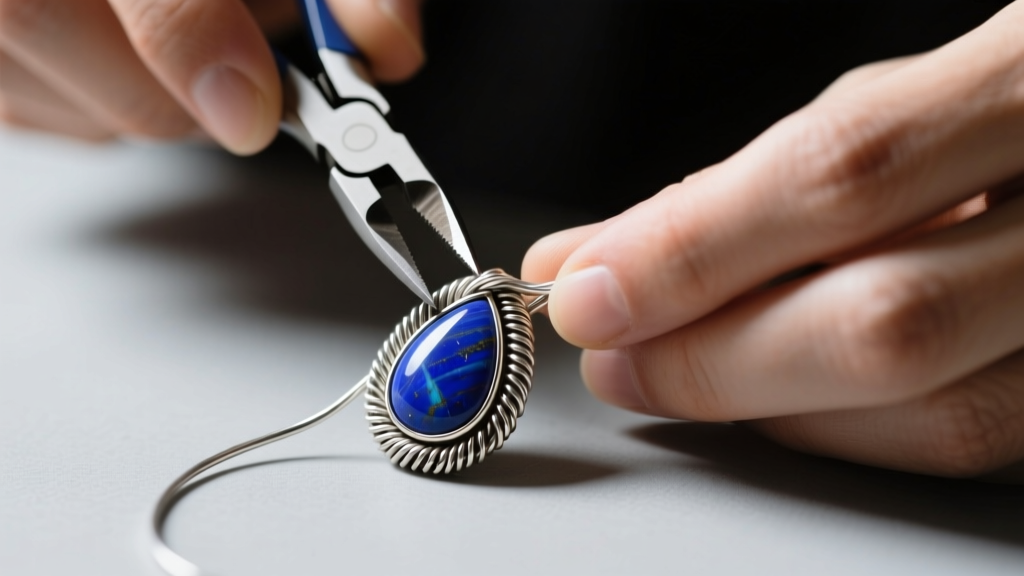
- Cut 12 inches of 20-gauge dead-soft sterling silver. Create a U-shape around the base of your turquoise cabochon.
- Use nylon-jaw pliers to bend the wire tightly against the stone's bezel edge, avoiding metal scratches.
- Wrap the excess wire around the 18-gauge structural frame, securing the stone without the use of solder or glue.
- Add decorative 24-gauge coiling around the base of the bezel to mimic the granulation seen in traditional Nepalese and Tibetan silversmithing.
The Liver of Sulfur (LOS) Patina Process
To achieve the dark, aged recesses that make Tibetan designs pop, you must oxidize the sterling silver. Mix one pea-sized drop of Liver of Sulfur gel into one cup of warm distilled water. Submerge your finished earring components for 3 to 5 minutes until they turn a deep, gunmetal black. Immediately neutralize the chemical reaction by dropping the pieces into a baking soda and water bath. Finally, use a brass brush and polishing cloth to buff the high points of the wire, leaving the recesses dark and the raised textures bright.
Step 4: Styling and Weight Management for Ear Health
A genuine Tibetan earring design can easily weigh between 15 and 30 grams per ear. Standard earlobes are not designed to support this weight long-term, which can lead to permanent lobe stretching or tearing. Proper styling and weight distribution are just as important as the craftsmanship.
Weight Distribution Techniques
'Never let a heavy dangle hang solely from the piercing hole. Always utilize the ear's anatomy or supportive accessories to share the load.' — Master Jeweler & Ergonomic Design Principle
- Silicone Support Patches: Apply invisible silicone earring supports (like Blingpatches) behind the earlobe. These distribute the weight of the 16-gauge ear wire across a wider surface area of the skin.
- Ear Cuff Integration: Design the earring with a secondary chain that attaches to a helix ear cuff. This transfers 50% of the dangle's weight to the sturdy upper cartilage.
- French Wire with Stoppers: Always use heavy-duty silicone stoppers on French hooks to prevent the earring from slipping forward, which changes the center of gravity and pulls painfully on the bottom of the piercing.
Face Shape Pairing Guide
Tibetan dangles are visually loud and physically long. Pairing them with the correct face shape ensures the jewelry enhances rather than overwhelms the wearer.
- Round Faces: Opt for elongated, teardrop-shaped Tibetan dangles with vertical lapis lazuli inlays. The verticality draws the eye down, creating a slimming, lengthening illusion.
- Square Faces: Choose designs featuring rounded turquoise cabochons and curved silver lotus motifs. The organic curves soften a strong, angular jawline.
- Heart-Shaped Faces: Select bottom-heavy designs, such as inverted triangular coral clusters, which add visual width to a narrower chin.
Maintenance: Cleaning Without Stripping the Patina
Because the oxidized recesses are vital to the Tibetan aesthetic, you must never use commercial silver dips or ultrasonic cleaners, as these will strip the Liver of Sulfur patina and leave the piece looking flat and overly shiny. Instead, clean your turquoise and coral stones with a barely damp microfiber cloth. For the silver, use a dry, soft-bristled makeup brush to dust out the crevices. If the high points lose their contrast over time, lightly buff them with a treated silver polishing cloth, strictly avoiding the darkened wire weaves. By respecting the materials and the engineering required to support them, your handmade Tibetan earring design will remain a striking, wearable piece of art for decades.


