The Ultimate Material Guide for Handmade Crochet Earrings
Discover the best materials for crochet earrings. We compare cotton, silk, and metallic threads, plus hypoallergenic hardware for sensitive ears.

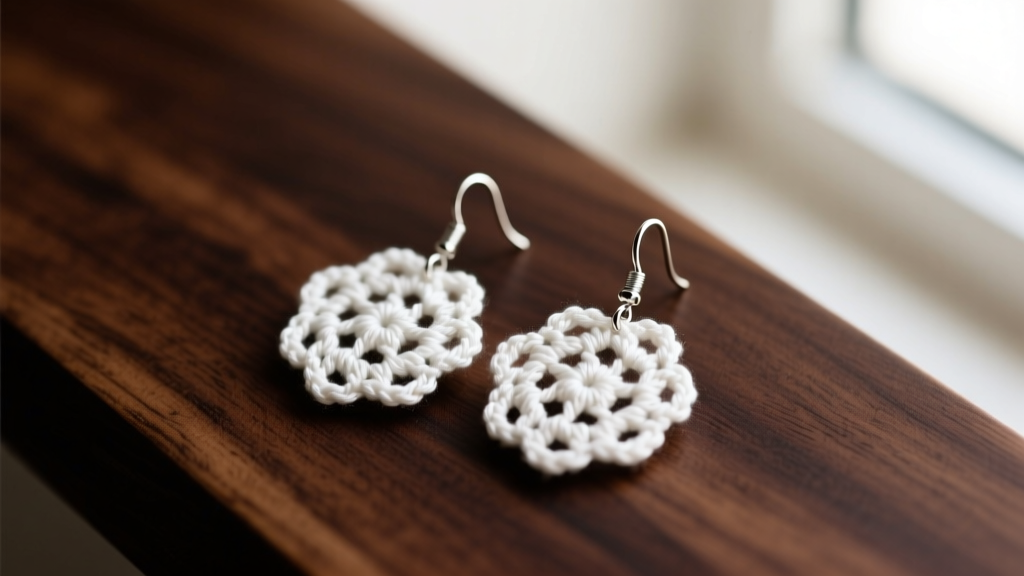
The Anatomy of Crochet Earrings: Beyond the Hook
Crochet earrings have evolved far beyond simple craft-fair novelties. In the contemporary jewelry market, they represent a sophisticated intersection of textile art and wearable design. However, the longevity, drape, and skin-compatibility of these pieces rely entirely on material selection. Unlike stamped metal or carved stone, crochet earrings are dynamic structures. They stretch, absorb moisture, and interact directly with the ear's hardware. As we navigate the artisanal jewelry landscape in 2026, understanding the precise properties of fibers, threads, and metallurgical components is essential for both makers and collectors. This guide breaks down the material science behind high-quality crochet earrings, exploring fiber bases, structural reinforcements, and hypoallergenic hardware integrations.
Thread vs. Yarn: Choosing the Right Fiber Base
The foundation of any crochet earring is the fiber. While the term 'yarn' is often used colloquially, high-end crochet earrings predominantly utilize mercerized cotton threads, silk blends, or specialized metallic filaments. The sizing system for crochet thread is inverse: a Size 10 thread is thick and robust, while a Size 80 thread is nearly microscopic, used for intricate lacework.
Mercerized Cotton: The Structural Workhorse
Mercerized cotton (such as Lizbeth Size 20 or Aunt Lydia's Classic 10) undergoes a chemical treatment under tension that increases its luster, strength, and affinity for dye. For earrings, mercerized cotton offers high tensile strength and resists pilling. Its tight twist prevents the fibers from fraying when rubbed against the earlobe or hair. According to textile experts at Interweave, mercerized cotton also holds chemical fabric stiffeners exceptionally well, making it the premier choice for geometric or 3D sculptural earring designs that require rigidity.
Silk and Bamboo Blends: The Luxury Drape
Silk and bamboo viscose threads provide an unparalleled, liquid-like drape and a natural, high-end sheen. However, they come with distinct material vulnerabilities. Silk loses up to 20% of its tensile strength when wet, meaning these earrings must be kept strictly away from moisture. Bamboo blends, while incredibly soft and hypoallergenic, are prone to stretching under the weight of heavy beads or metal charms. They are best reserved for lightweight, teardrop-shaped dangles where fluid movement is the primary design goal.
Metallic and Wire-Core Threads
Threads like Kreinik metallics introduce sparkle but introduce structural challenges. The metallic foil is wrapped around a nylon or polyester core. If the crocheter's tension is too tight, the foil can strip or fracture, leading to a frayed, dull appearance. When working with metallic threads, artisans must use larger hooks (typically 1.5mm to 2.0mm) and maintain a relaxed gauge to preserve the foil's integrity.
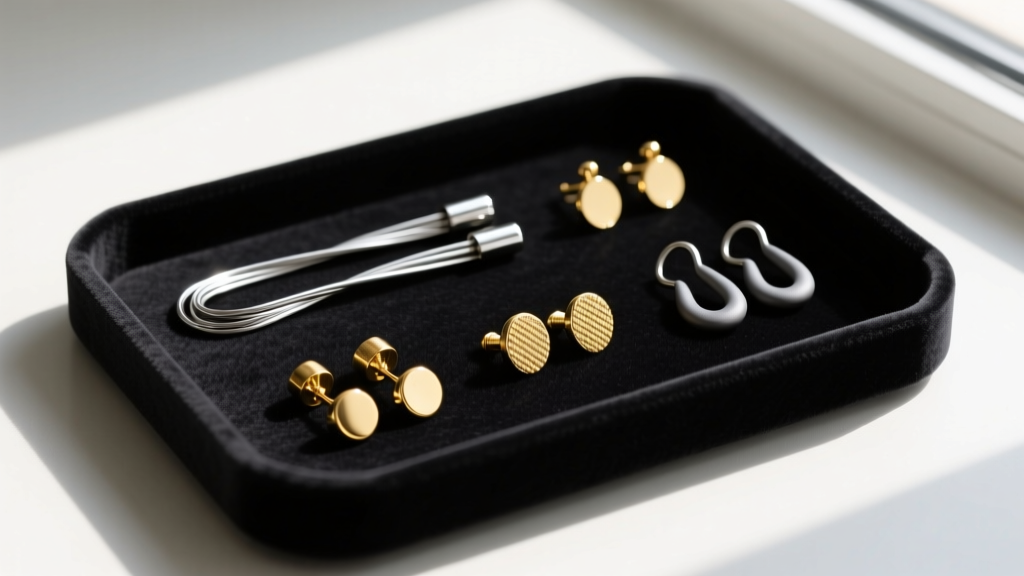
Hardware Comparison: Ear Wires, Posts, and Gauges
The intersection of fiber and metal is the most common failure point in crochet earrings. The hardware must support the textile without tearing it, while remaining biocompatible with the ear piercing. The gauge (thickness) of the ear wire is critical. A standard 20-gauge ear wire is robust but can split delicate Size 30 or Size 40 crochet threads. For fine micro-crochet, 22-gauge or even 24-gauge wires are necessary to glide through the fiber loops without causing micro-tears.
Furthermore, metal allergies are a primary concern. According to ASTM International standards, jewelry intended for prolonged skin contact must meet strict biocompatibility requirements. Below is a comparison of the most reliable hardware materials used by professional crochet jewelry artisans:
| Metal Type | Biocompatibility | Durability & Tarnish | Best Use Case |
|---|---|---|---|
| ASTM F136 Titanium | Excellent (Implant-Grade) | Highly durable, zero tarnish | Sensitive ears, everyday wear, heavy dangles |
| Niobium | Excellent (Hypoallergenic) | Durable, can be anodized for color | Color-matched hardware for vibrant threads |
| 14k Gold-Filled | Very Good (Nickel-Free) | High durability, thick gold layer | Luxury pieces, bridal crochet earrings |
| Surgical Steel (316L) | Fair (May contain trace nickel) | High durability, low tarnish | Budget-friendly pieces for non-sensitive ears |
When attaching the crochet piece to the hardware, always use closed jump rings (2mm or 3mm). Open jump rings, even when tightly shut with pliers, possess microscopic gaps that will eventually catch and shred the textile fibers.
Structural Reinforcement: Preventing Stretch and Sag
Crochet is inherently a flexible, stretchy fabric. Without intervention, a crochet earring will lose its shape, sagging under its own weight or warping when handled. Artisans employ two primary methods to introduce structural rigidity:
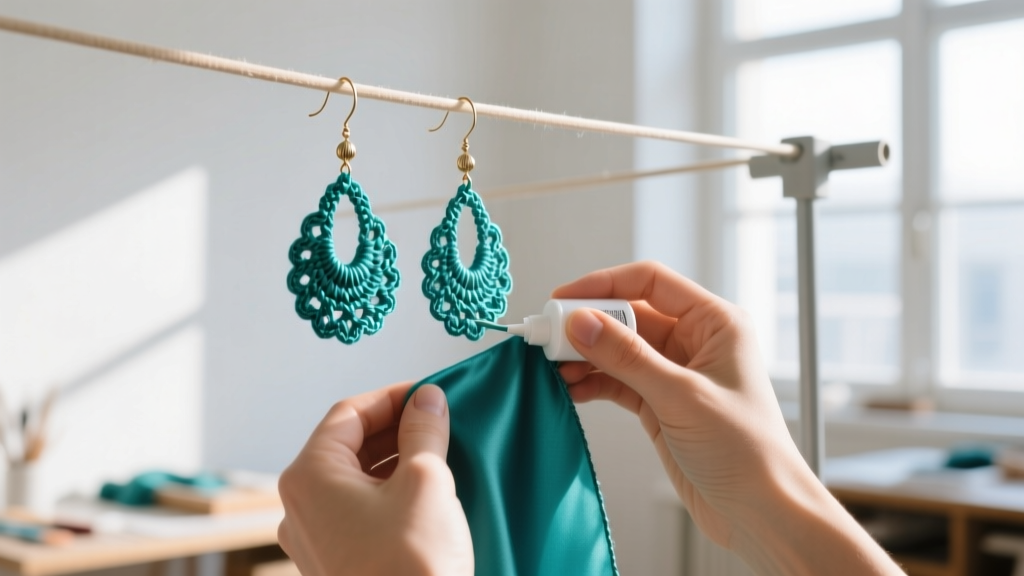
- Chemical Stiffeners: PVA-based (polyvinyl acetate) fabric stiffeners or specialized jewelry-grade acrylic dips are applied to the finished piece. The earring is pinned to a foam blocking board to dry. This locks the stitches in place while maintaining a lightweight feel. For ultra-rigid, geometric pieces, some makers use a diluted UV-curing resin, though this adds noticeable weight and a plastic-like sheen.
- Wire Armatures: For hoop earrings or structured cuffs, artisans crochet over a 28-gauge or 30-gauge dead-soft copper or sterling silver wire. The wire acts as a skeletal armature, allowing the earring to be bent into custom shapes while retaining the soft, tactile exterior of the yarn. Suppliers like Rio Grande provide specialized dead-soft wires specifically milled for textile integration.
Care and Maintenance by Material Type
Because crochet earrings are porous, they absorb oils, perfumes, and environmental pollutants. Cleaning them requires a nuanced approach based on the material matrix:
Expert Rule of Thumb: Never place crochet earrings in an ultrasonic jewelry cleaner. The high-frequency vibrations will shatter delicate metallic threads and loosen the chemical bonds of fabric stiffeners, causing the earring to collapse.
For mercerized cotton, a gentle spot-cleaning with a mild, pH-neutral surfactant (like baby shampoo) and a soft-bristled makeup brush is sufficient. Gently agitate the soiled areas, rinse with distilled water, and re-block the earring on a flat surface to dry. Silk and bamboo blends should only be surface-cleaned with a barely damp microfiber cloth to prevent water-spotting and fiber weakening. Always store crochet earrings flat in a breathable cotton pouch; hanging them in a jewelry box for months will cause gravity-induced stretching, even in stiffened pieces.
Sourcing and Pricing: What to Expect in 2026
The pricing of crochet earrings is heavily dictated by the thread size and the complexity of the stitch pattern. In 2026, the market has clearly segmented into three tiers:
- Standard Thread (Size 10 - Size 20): Typically priced between $25 and $45. These pieces are larger, often featuring bold, graphic motifs, and use standard mercerized cotton with gold-filled or surgical steel hardware.
- Fine Lace (Size 30 - Size 40): Priced between $50 and $85. These require advanced tension control and feature intricate pineapple or Irish lace motifs, often accented with freshwater pearls or Swarovski crystals.
- Micro-Crochet (Size 60 - Size 80): The pinnacle of the craft, priced from $120 to over $250. Using threads thinner than human hair and 0.4mm steel hooks, these earrings resemble delicate spiderwebs or vintage tatting. They are almost exclusively mounted on implant-grade titanium or solid 14k gold hardware to match the luxury status of the textile.
Understanding these material properties ensures that whether you are sourcing supplies for your next collection or investing in a pair of heirloom-quality artisan earrings, the piece will remain beautiful, structurally sound, and comfortable for years to come.


