Gift Guide: Building a Curated Ear with Earrings (2026)
Discover the ultimate 2026 gift guide for building a curated ear with earrings. Learn gauge sizes, titanium grades, and occasion-based piercing ideas.

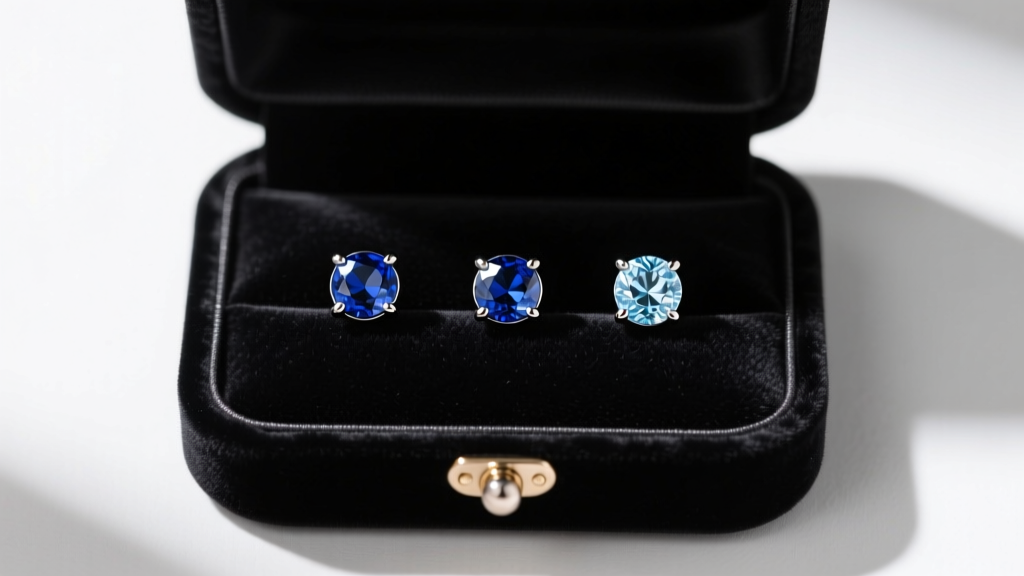
In the landscape of modern jewelry gifting, a single pair of diamond studs or standard hoops no longer captures the full scope of personal expression. As we move through 2026, the most coveted and memorable jewelry gift is an experience: building a fully curated ear with earrings tailored to the recipient's unique anatomy and aesthetic. This isn't just about buying jewelry; it is about commissioning a bespoke body modification project that blends high-end metallurgy, precise anatomical placement, and long-term styling potential.
Whether you are celebrating a milestone birthday, an anniversary, or a major career achievement, this guide will walk you through the technical specifications, material safety standards, and occasion-based strategies required to gift a flawless ear curation project.
The Anatomy of a Curated Ear Project
Before selecting jewelry, you must understand the canvas. A professional ear curation involves mapping the recipient's ear anatomy to determine which piercings will heal optimally and create a cohesive visual flow. The ear is divided into distinct zones, each requiring specific jewelry types and healing timelines.
- The Lobe Cluster: Includes the standard lobe, upper lobe, and mid-lobe. These vascular areas heal relatively quickly (6–10 weeks) and can support a wide variety of weights and styles.
- The Outer Rim (Helix & Flat): The helix follows the outer cartilage curve, while the 'flat' is the triangular space nestled between the rim and the inner ear. These require lightweight, low-profile jewelry to prevent snagging during the 6–12 month healing phase.
- The Inner Basin (Conch, Tragus, Daith, Rook): These deep cartilage piercings are structural anchors. A conch piercing, for example, can support a large 14-gauge hoop or an intricate stud cluster, but requires strict aftercare due to limited airflow.
Occasion-Based Gifting Matrix
Matching the piercing project to the occasion ensures the gift feels intentional. Below is a strategic matrix for 2026, detailing the ideal placements, required gauge sizes, and budget expectations for high-quality, implant-grade jewelry.
| Occasion | Ideal Piercing Zones | Recommended Gauge | Jewelry Style & Material | Est. Budget (2026) |
|---|---|---|---|---|
| 18th / 21st Birthday | Upper Lobe & Helix Stack | 16g (1.2mm) | Threadless Titanium w/ Birthstone | $180 - $280 |
| 5-Year Anniversary | Conch & Daith Pairing | 14g (1.6mm) / 16g | 14k Gold Clicker Hoops w/ Pave | $450 - $800 |
| Career Milestone | Flat & Tragus Accents | 16g (1.2mm) | Niobium Anodized Gem Clusters | $220 - $350 |
| Graduation | Minimalist Lobe Constellation | 18g (1.0mm) / 16g | 14k White Gold Threadless Ends | $300 - $500 |
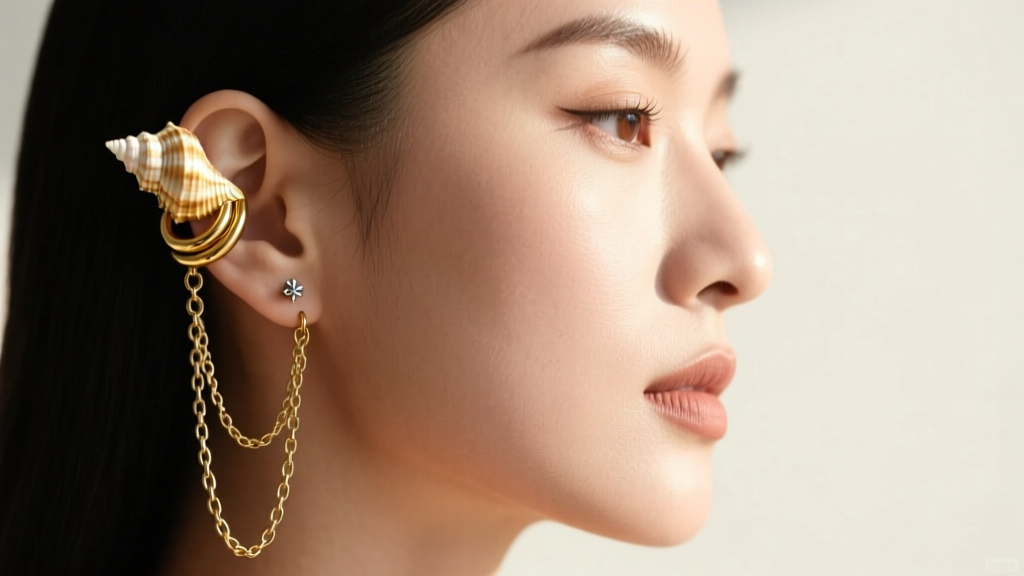
Material Science: What to Buy (and What to Avoid)
The most critical mistake gifters make is prioritizing aesthetics over biocompatibility. When building a curated ear with earrings, the initial jewelry must meet strict medical standards to prevent rejection, contact dermatitis, and hypertrophic scarring.
The Gold Standard: ASTM F136 Titanium
For any fresh piercing, ASTM F136 Implant-Grade Titanium is the undisputed champion. Unlike commercial "surgical steel" (a misleading marketing term for 316L stainless steel, which contains 8-10% nickel), ASTM F136 titanium is entirely nickel-free and highly biocompatible. Brands like BVLA, Anatometal, and Industrial Strength utilize this exact alloy, ensuring the body accepts the post as a neutral object.
Niobium and Solid Gold Alternatives
If the recipient prefers a warmer tone than titanium's cool grey, un-alloyed Niobium is a fantastic, nickel-free alternative that can be anodized into vibrant colors (like rose gold or deep purple) using electrical currents. For solid gold, you must ensure the piece is 14k or 18k and explicitly nickel-free. Many traditional white gold alloys use nickel for bleaching; always specify palladium-alloyed white gold to avoid severe allergic reactions in fresh cartilage wounds.
The Mechanics: Threadless vs. Internally Threaded
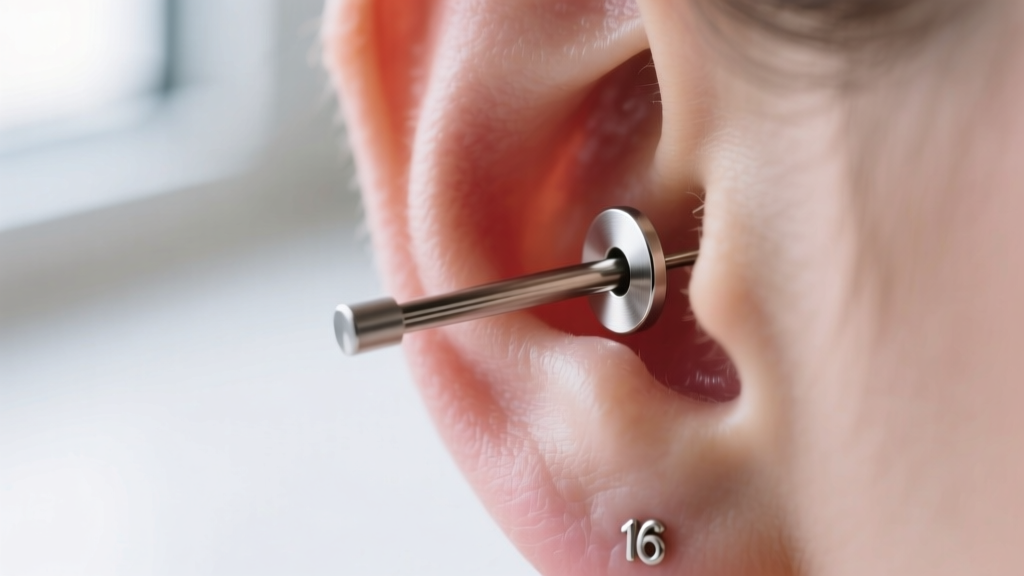
In 2026, externally threaded jewelry (where the screw is on the post itself) is universally condemned by professionals, as the sharp threads tear through delicate fistula tissue during insertion. Instead, you have two premium options:
- Threadless (Push-Pin): The decorative end features a slightly bent pin that inserts into the hollow post, relying on the tension of the bend to lock securely. This is the preferred method for most high-end curations as it allows for seamless, painless jewelry changes once healed.
- Internally Threaded: The screw is located on the inside of the decorative end, and the post is smooth. This is ideal for larger gauge piercings (14g or 12g) or specific hoop styles like segment rings.
The Gifting Protocol: How to Execute the Surprise
You cannot simply buy a post and a top online and gift it in a box. Cartilage posts must be custom-fitted to the exact millimeter of the recipient's tissue thickness to prevent moisture traps and snagging. Here is the professional protocol for gifting a curation:
Step 1: Purchase the decorative "ends" (the visible gemstones or gold designs) from a reputable brand like Maria Tash or BVLA. These are universal and can be saved in a beautiful presentation box.
Step 2: Create a custom "Curation Voucher" that includes the decorative ends and a prepaid deposit for a consultation at an APP-certified piercing studio.
Step 3: Attend the appointment together. The piercer will measure the tissue, select the correct post length (usually 5/16" or 1/4" for initial swelling), and perform the procedure using a sterilized, single-use needle.
Troubleshooting & Aftercare Essentials
A curated ear is only as beautiful as its healing process. Cartilage is notorious for developing "piercing bumps" (hypertrophic scarring or granulomas) if subjected to trauma or improper care. Include a premium aftercare kit with your gift, adhering strictly to the Association of Professional Piercers (APP) guidelines.
The LITHA Method and Saline
The golden rule of modern aftercare is LITHA: Leave It The Hell Alone. The only product that should touch a healing ear is sterile 0.9% sodium chloride wound wash (with no additives, preservatives, or aloe). Spray it once or twice daily and gently dry the area with non-woven gauze or a hairdryer on the cool setting.
Common Pitfalls to Warn Against
- Tea Tree Oil & Essential Oils: Highly caustic and will cause chemical burns on open fistulas.
- Sleeping on the Piercing: Causes angle migration and pressure bumps. Gift a specialized travel neck pillow (often called a "piercing pillow") that allows the ear to rest in the hollow center.
- Over-Cleaning: Spraying saline more than twice a day disrupts the delicate cellular matrix and delays healing.
By approaching the gift of a curated ear with earrings as a blend of medical precision and high fashion, you are offering an experience that results in a lifelong, wearable masterpiece. In 2026, true luxury lies in the details: the grade of the titanium, the precision of the angle, and the brilliance of a perfectly placed gemstone.


