Build a Custom Earring Rack DIY: Budget & Value Analysis
Discover the true cost of a custom earring rack DIY. We analyze material prices, tool depreciation, and tarnish risks for budget builders.

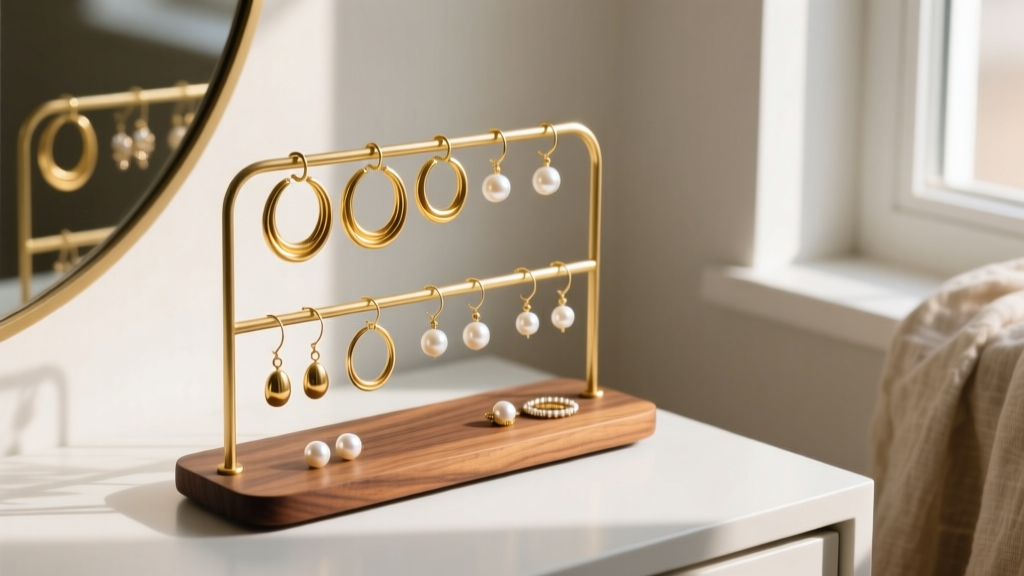
The True Cost of Commercial vs. DIY Earring Storage
As jewelry collections grow, so does the need for proper storage. In 2026, the market for high-end jewelry organization is more saturated than ever, but the pricing reflects a massive premium for aesthetic branding. A commercial acrylic tiered stand typically retails between $45 and $85, while handcrafted walnut or oak displays from boutique makers easily command $120 to $200. On the opposite end of the spectrum, mass-produced wire racks from big-box e-commerce sites cost around $15, but they introduce severe functional and chemical flaws.
Cheap commercial racks frequently use 22-gauge or thinner electroplated wire. This thin gauge bends under the weight of heavy chandelier or statement earrings, and the plating inevitably chips, exposing base metals that cause contact dermatitis. For collectors and small jewelry business owners, executing an earring rack DIY project isn't just about saving money; it is an exercise in quality control, material safety, and spatial customization. But is building it yourself genuinely more cost-effective when factoring in raw materials and tool depreciation? Let's break down the exact math and material science.
Material Breakdown: Engineering Your Earring Rack DIY
The structural integrity and chemical safety of your display depend entirely on material selection. Here is what you need to source for a professional-grade build:
1. Wire and Rods (The Hanging Mechanism)
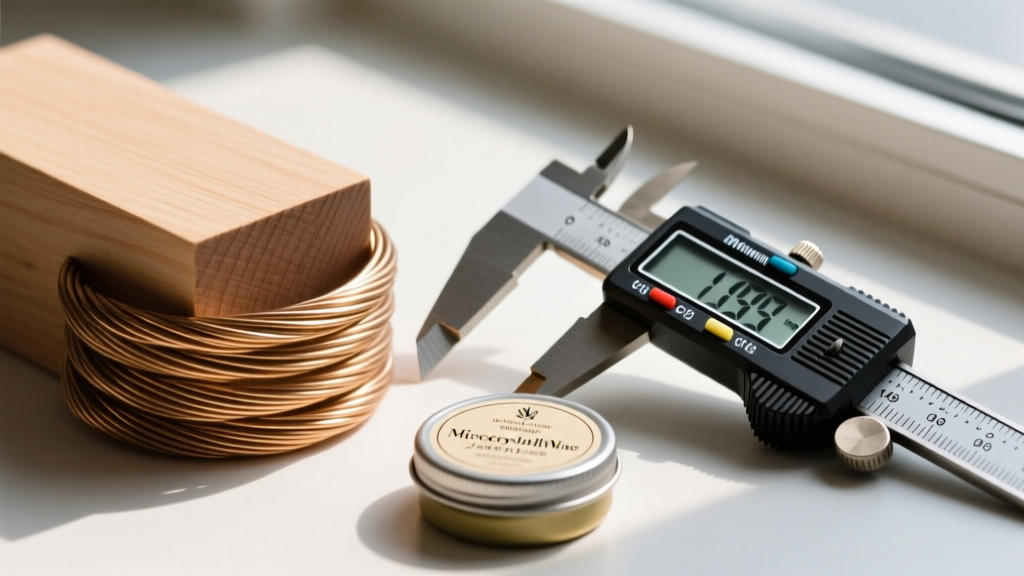
Do not use anything thinner than 14-gauge (1.6mm) wire for horizontal hanging bars. While 18-gauge wire is easier to bend by hand, it will permanently sag when loaded with heavy brass or gemstone drop earrings. Conversely, 12-gauge (2.0mm) wire requires specialized heavy-duty cutters and a bench vise to bend cleanly. Raw brass, copper, or aluminum are excellent choices. Avoid nickel-plated craft wires entirely due to allergy risks.
2. The Base Material (Wood vs. Acrylic)
Hardwoods like maple, walnut, and cherry offer premium aesthetics and heavy bases that prevent tipping. Acrylic (PMMA) offers a modern, invisible look but requires specific adhesives and scoring tools.
Budget Analysis: 3 DIY Build Tiers
Below is a comparative cost analysis of three distinct earring rack DIY builds, assuming you are starting with a basic household toolkit. Prices reflect average 2026 hardware and craft supply costs.
| Build Type | Material Cost | Specialty Tool Cost | Durability (1-10) | Tarnish Risk |
|---|---|---|---|---|
| Tier 1: Minimalist Wood & Brass (Maple block + 14g brass wire) | $18 - $25 | $0 (Hand drill) | 9 | Low (if sealed) |
| Tier 2: Upcycled Frame (Thrifted frame + brass mesh) | $8 - $15 | $5 (Staple gun) | 6 | Medium |
| Tier 3: Tiered Acrylic (3-tier PMMA + solvent weld) | $35 - $50 | $25 (Scoring knife & jig) | 7 | None |
Hidden Costs and Tool Depreciation
When calculating the ROI of an earring rack DIY, amateur builders often forget to factor in the "hidden" costs of consumables and tool wear. If you are building the Tier 3 Acrylic Stand, you cannot use standard super glue (cyanoacrylate), which will cure white and brittle, ruining the transparency of the acrylic. You must use a solvent weld like Weld-On 4, which chemically melts the plastic together for an invisible seam. Furthermore, cutting thick acrylic requires a specialized scoring knife and a metal straight-edge jig to prevent micro-fractures and shattering.
Pro-Tip on Tool Depreciation: If you have to buy a $60 drill press just to ensure your brass wire holes are perfectly plumb, your first DIY rack technically costs $85. However, the amortized cost per build drops to pennies if you plan to make matching displays for your entire jewelry line or as gifts.
Protecting Your Jewelry: Material Safety and Tarnish Prevention
The most critical, yet frequently overlooked, aspect of jewelry storage is the chemical interaction between the display material and your precious metals. Silver, in particular, is highly reactive.
The Danger of Tannins and Acidic Woods
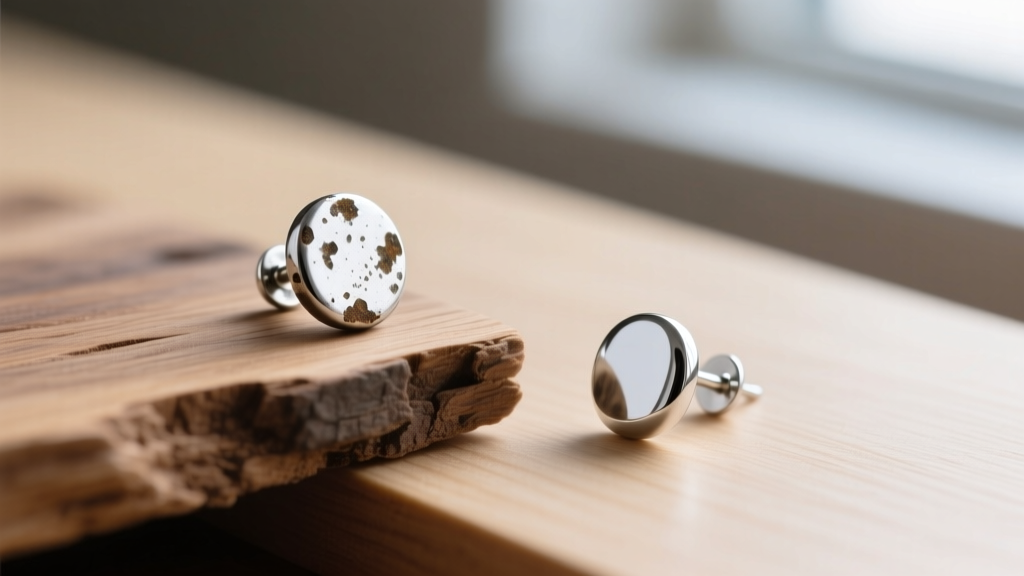
Woods like oak and cedar contain high levels of tannic acid and emit acidic vapors. When sterling silver rests against or near raw oak, these vapors accelerate the formation of silver sulfide, leading to rapid, stubborn tarnishing. According to metallurgical guidelines from the Gemological Institute of America (GIA), environmental pollutants and acidic off-gassing are primary culprits in accelerated silver degradation. Always opt for low-tannin hardwoods like maple or walnut for your earring rack DIY.
Sealing and Finishing
Even safe woods are porous and can trap humidity. You must seal the wood. Avoid oil-based polyurethanes that take weeks to fully off-gas; the solvents can tarnish metals during the curing process. Instead, use a water-based polycrylic or, for a museum-grade finish, apply a microcrystalline wax like Renaissance Wax. As noted by Rio Grande Jewelry Supply, creating a physical barrier between the storage environment and the metal is the most effective way to halt oxidation. Furthermore, ensure any adhesives used in your build (like PVA wood glues) are 100% cured before introducing jewelry, as curing glues release acetic acid.
Final Verdict: Is the Earring Rack DIY Worth It?
From a strict budget perspective, the Tier 1 Minimalist Wood & Brass build offers the highest value. For under $25, you can construct a heavy, elegant, and structurally sound display that rivals $120 commercial boutique pieces. The 14-gauge brass wire will never sag, and a properly sealed maple base guarantees your silver studs and hoops remain untarnished.
However, if your primary goal is sheer volume storage for hundreds of pairs of cheap fashion jewelry, the time investment of measuring, drilling, and sanding a custom DIY rack may not yield a positive return on your hourly labor. But for curated collections, heirloom pieces, or small-batch retail displays, an earring rack DIY project provides unparalleled aesthetic control, material safety, and long-term financial value that commercial options simply cannot match.


