Does CVS Sell Earrings? The 2026 Drugstore Buying Guide
Wondering if CVS sells earrings? We break down drugstore earring quality, material grades, gauge sizes, and better alternatives for sensitive ears.

The Short Answer: Does CVS Sell Earrings?
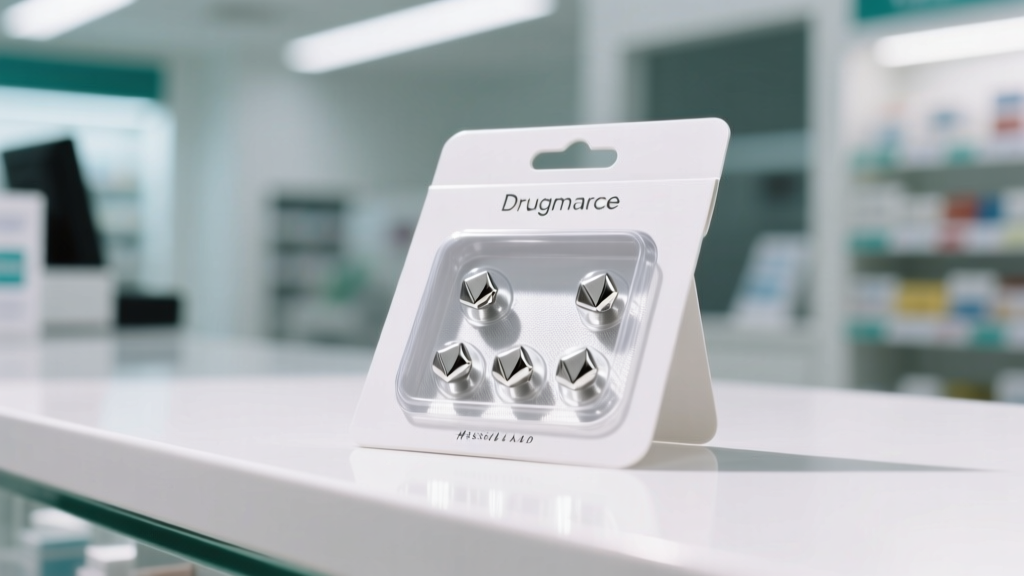
If you are standing in the beauty aisle right now wondering, 'does cvs sell earrings?' the short answer is yes. CVS Pharmacy, along with most major drugstores, carries a limited selection of basic earrings. You will typically find them in the hair care or cosmetics aisles, packaged in plastic blister packs under brands like Scunci, Conair, or Goody. The inventory usually consists of simple metal stud earrings, small fashion hoops, and clear plastic ear spacers.
However, as a senior jewelry stylist, I must issue a critical caveat: just because CVS sells earrings does not mean they are safe, sterile, or appropriate for every type of piercing. In 2026, consumer awareness regarding metal allergies and piercing aftercare is at an all-time high, yet drugstore earrings remain largely unregulated regarding body-safe metallurgy. This comprehensive buying guide will dissect exactly what you are buying at the pharmacy, the hidden risks of drugstore jewelry, and when you should absolutely avoid them in favor of professional alternatives.
Material Reality: Surgical Steel vs. Implant-Grade Titanium
The most significant issue with drugstore earrings is the ambiguous use of the term 'surgical steel.' When you pick up a pack of studs at CVS, the packaging often claims the metal is hypoallergenic or surgical grade. In reality, this is a marketing term, not a standardized metallurgical classification.
The Nickel Problem in 316L Steel
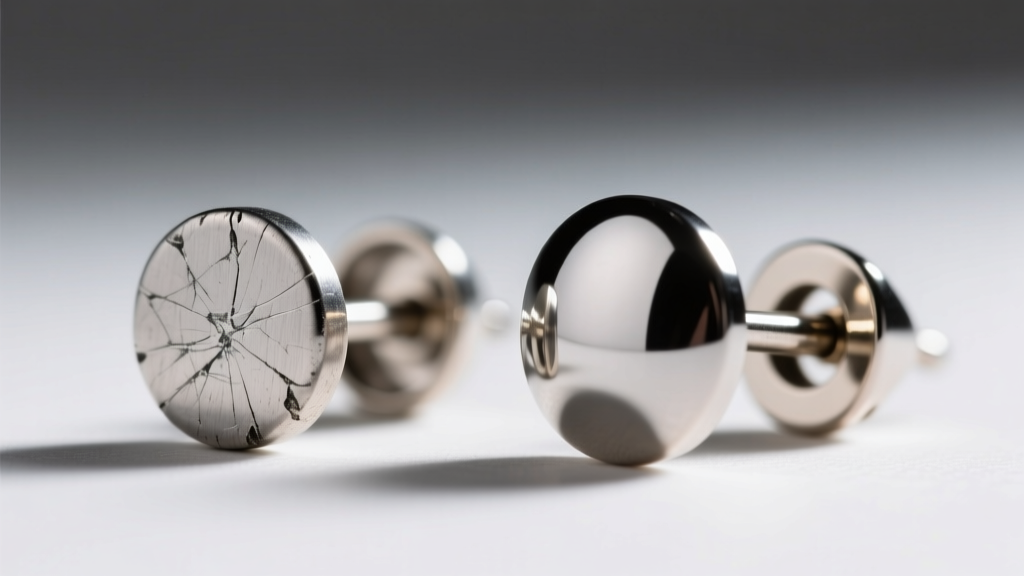
Most drugstore earrings are manufactured from 316L stainless steel. While 316L is highly corrosion-resistant and widely used in industrial applications, it contains between 8% and 12% nickel. According to the American Academy of Dermatology, nickel allergy is the most common contact allergy worldwide, affecting up to 36% of women. When 316L steel is exposed to the saline environment of a healing piercing or even just everyday sweat, it can leach nickel ions into the skin, triggering allergic contact dermatitis. Symptoms include severe itching, redness, blistering, and the dreaded 'green skin' effect caused by oxidized copper and nickel compounds.
The ASTM F136 Titanium Standard
Professional body piercers do not use 316L steel for initial piercings or sensitive ears. Instead, they rely on Implant-Grade Titanium, specifically alloyed to meet the ASTM F136 standard. This specific grade of titanium contains zero nickel, is highly biocompatible, and can be mirror-polished to a surface finish that prevents bacterial adhesion. You will not find ASTM F136 titanium in a CVS blister pack. For a deep dive into approved body jewelry materials, the Association of Professional Piercers (APP) provides the definitive industry guidelines.
Gauge Sizes and the 'Cheese Cutter' Effect
Beyond metallurgy, the physical dimensions of CVS earrings pose a structural risk to your piercings. Drugstore earrings are almost universally manufactured at 20-gauge (0.81mm) or 18-gauge (1.02mm) thicknesses. While a 20-gauge post is standard for older, traditional earlobe piercings, it is entirely inappropriate for modern cartilage piercings or fresh lobe piercings done by professionals.
Professional piercers typically use 16-gauge (1.29mm) or 14-gauge (1.63mm) jewelry for cartilage (like helixes, tragus, and conch piercings) to ensure stability. If you attempt to force a 20-gauge CVS earring into a 16-gauge cartilage hole, you risk the 'cheese cutter effect.' Because the wire is so thin, the tension and weight of the earring can cause the post to slowly slice through the tissue, leading to migration, rejection, and permanent scarring. Furthermore, the butterfly backings found on drugstore studs trap moisture and dead skin cells, creating a breeding ground for bacteria and increasing the risk of localized infections.
Drugstore vs. Professional Jewelry: A Data Comparison
To help you make an informed decision, here is a direct comparison between typical CVS drugstore earrings and professional body jewelry.
| Feature | CVS / Drugstore Earrings | Professional Body Jewelry |
|---|---|---|
| Material Grade | 316L Stainless Steel, Plated Brass, Acrylic | ASTM F136 Titanium, Solid 14k/18k Gold, Niobium |
| Nickel Content | High (8-12% in steel) | Zero (in Titanium and Niobium) |
| Standard Gauge Sizes | 20g (0.8mm), 18g (1.0mm) | 16g (1.2mm), 14g (1.6mm), 12g (2.0mm) |
| Surface Finish | Matte, Micro-scratches (traps bacteria) | Mirror Polish (minimizes tissue irritation) |
| Sterility | Non-sterile (sanitized at best) | Autoclave sterilized in medical-grade pouches |
| Price Range | $4.00 - $9.00 per multi-pack | $15.00 - $45.00+ per single piece |
The Truth About CVS Clear Spacers for MRIs
One of the most common reasons people search for drugstore earrings is the urgent need for clear ear spacers before an MRI scan or surgical procedure. CVS often sells packs of clear plastic or nylon retainers. While these will technically keep the hole open, they come with significant drawbacks.
Many cheap plastic spacers are made from porous acrylic, which can harbor bacteria and warp under the heat of an autoclave if a hospital attempts to sterilize them. Furthermore, some 'clear' spacers contain trace metallic elements that can cause artifacts on an MRI image. If you are facing an emergency MRI, the safest route is to visit a local professional piercer who can insert a sterile, non-porous PTFE (Teflon) or Bioplast retainer, or simply use medical tape to hold the jewelry in place if the specific titanium piece is confirmed to be non-ferromagnetic by the MRI technician.

Emergency Buying Checklist: What to Look For
If you are in a pinch, have lost an earring, and CVS is your only immediate option, use this checklist to minimize damage to your piercing:
- Check the Post Thickness: Ensure the earring post is thick enough to slide into your piercing without forcing it. If it feels like a thin needle, skip it.
- Avoid Plated Metals: Look closely at the metal. If it is gold-plated or silver-plated over brass or copper, do not buy it. The plating will wear off within days, exposing your skin to reactive base metals.
- Ditch the Butterfly Back: If you must buy drugstore studs, purchase O-rings or silicone backing discs from the beauty aisle to replace the metal butterfly clutches. This reduces pressure on the back of the earlobe and allows for better airflow.
- Sanitize Before Wearing: Because drugstore earrings are not sterile, wipe the post thoroughly with 70% isopropyl alcohol before insertion to remove manufacturing oils and environmental dust.
Final Verdict
So, does CVS sell earrings? Yes, they do. But they should be viewed strictly as temporary, emergency fashion accessories for fully healed, non-sensitive standard earlobe piercings. They are not suitable for fresh piercings, cartilage placements, or anyone with a history of metal sensitivities. In 2026, with the widespread availability of high-quality, affordable implant-grade titanium online and in professional studios, relying on drugstore steel is a risk your body simply does not need to take. When in doubt, skip the pharmacy aisle and visit a certified professional piercer.


