Dainty Diamond Earrings: 2026 Value & Budget Buying Guide
Discover how to budget for dainty diamond earrings in 2026. Compare lab-grown vs natural prices, carat weights, and setting values for top investments.

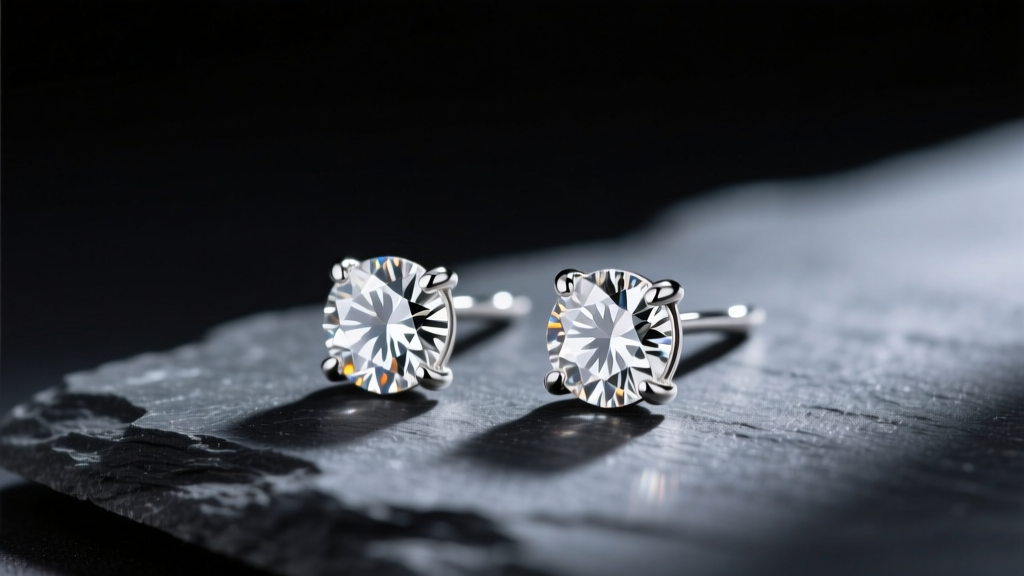
The True Cost of Dainty Diamond Earrings in 2026
The market for dainty diamond earrings has undergone a radical transformation over the last few years. As we navigate 2026, the dominance of lab-grown diamonds has fundamentally rewritten the pricing rules for fine jewelry. For budget-conscious buyers and value investors alike, understanding the divergence between natural and lab-grown pricing is no longer optional—it is the cornerstone of a smart purchase. Dainty studs, typically ranging from 0.25 to 1.00 total carat weight (TCW), remain a staple of everyday elegance, but overpaying for unnecessary grades or outdated retail markups is a common pitfall.
Whether you are seeking a subtle 3mm pair for a second-hole cartilage piercing or a classic 4.5mm set for the lobes, this comprehensive value assessment breaks down exactly where your money should go, where you can safely cut costs, and how to maximize visual spread without sacrificing optical performance.
Natural vs. Lab-Grown: A Data-Driven Price Breakdown
According to the Gemological Institute of America (GIA), lab-grown diamonds possess the exact same chemical, physical, and optical properties as their mined counterparts. However, their wholesale and retail pricing structures have decoupled entirely. Below is a realistic 2026 market comparison for round brilliant dainty diamond earrings set in 14K gold.
| Total Carat Weight (TCW) | Natural Price Range (2026) | Lab-Grown Price Range (2026) | Value Verdict |
|---|---|---|---|
| 0.25 ctw (approx. 3.0mm each) | $450 - $700 | $120 - $180 | Lab-grown offers unbeatable everyday value. |
| 0.50 ctw (approx. 4.0mm each) | $900 - $1,400 | $220 - $350 | Lab-grown is ideal; natural holds minor resale value. |
| 1.00 ctw (approx. 5.0mm each) | $2,200 - $3,500+ | $400 - $650 | Natural acts as a store of wealth; lab-grown is pure aesthetic. |
The Value Takeaway: If your primary goal is aesthetic brilliance and everyday wear under a strict budget, lab-grown dainty diamond earrings offer a 70% to 85% discount. However, if you view your jewelry as a tangible asset, natural diamonds in the 1.00ctw+ range still retain a measurable, albeit depreciated, secondary market value.
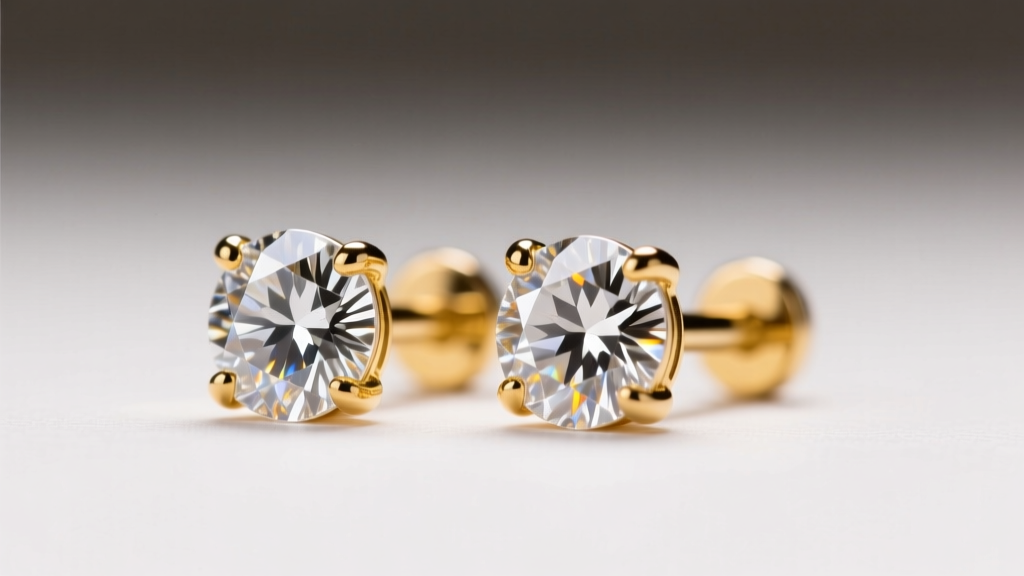
Decoding the 4Cs for Dainty Studs: Where to Save and Splurge
Applying the standard grading rules for large solitaire rings to tiny earring studs is the fastest way to destroy your budget. The American Gem Society (AGS) emphasizes that light performance is paramount, but the physical scale of dainty earrings changes how the human eye perceives color and clarity.
Clarity: The Naked Eye Reality
For dainty earrings (stones under 0.50ct each), you are paying a premium for Flawless (FL) or Very Very Slightly Included (VVS) grades that no one will ever see. A 4mm diamond is incredibly small. Inclusions in SI1 or even eye-clean SI2 stones are completely invisible without a 10x jeweler's loupe. Budget Hack: Target SI1 clarity. You will save up to 30% compared to VS1 grades, with zero visible compromise to the naked eye.
Color: The Mounting Influence
Because dainty studs are often viewed from a distance and framed by the wearer's hair and skin tone, ultra-white D or E color grades are largely a waste of capital. Budget Hack: Aim for G or H (Near Colorless). If you are setting the diamonds in 14K or 18K yellow gold, you can safely drop down to I or J color, as the warm metal reflection will mask any faint yellow tint in the stone's body color.
Cut: The Non-Negotiable Factor
Never compromise on cut. A poorly cut diamond will look dull, glassy, and significantly smaller than its carat weight suggests. Insist on "Excellent" or "Ideal" cut grades. Furthermore, avoid "shallow cuts"—some manufacturers cut small diamonds too shallow to maximize the millimeter spread (making a 0.20ct stone look like a 0.25ct). While this increases the visual footprint, it causes light leakage, destroying the sparkle that makes dainty earrings noticeable from across the room.
The Fluorescence Advantage
Medium to Strong Blue fluorescence is often penalized in the natural diamond market, dropping the price by 10% to 15%. However, in lower color grades (I, J, K), blue fluorescence can actually make the diamond appear whiter in natural sunlight. Buying natural diamonds with strong blue fluorescence is a highly effective, underutilized strategy for budget buyers seeking larger dainty studs.
Metal Choices: Assessing Durability vs. Cost
The metal you choose for the setting and post directly impacts both the upfront cost and the long-term survivability of your earrings.
- 14K Gold (White, Yellow, or Rose): The undisputed champion for dainty earrings. The higher alloy content (58.5% pure gold) makes the post rigid and resistant to bending during insertion or sleep. It is also the most cost-effective.
- 18K Gold: Contains 75% pure gold. While it offers a richer color (especially in yellow gold), the post is softer and more prone to bending. It commands a 20-30% price premium over 14K, which is rarely justified for simple stud settings.
- Platinum: Hypoallergenic and incredibly durable, but heavy and expensive. For dainty earrings, the weight of platinum can actually cause the earring to droop forward on the lobe if the post is thin. Reserve platinum for heavy drop earrings or high-value natural stones exceeding 1.00ctw.
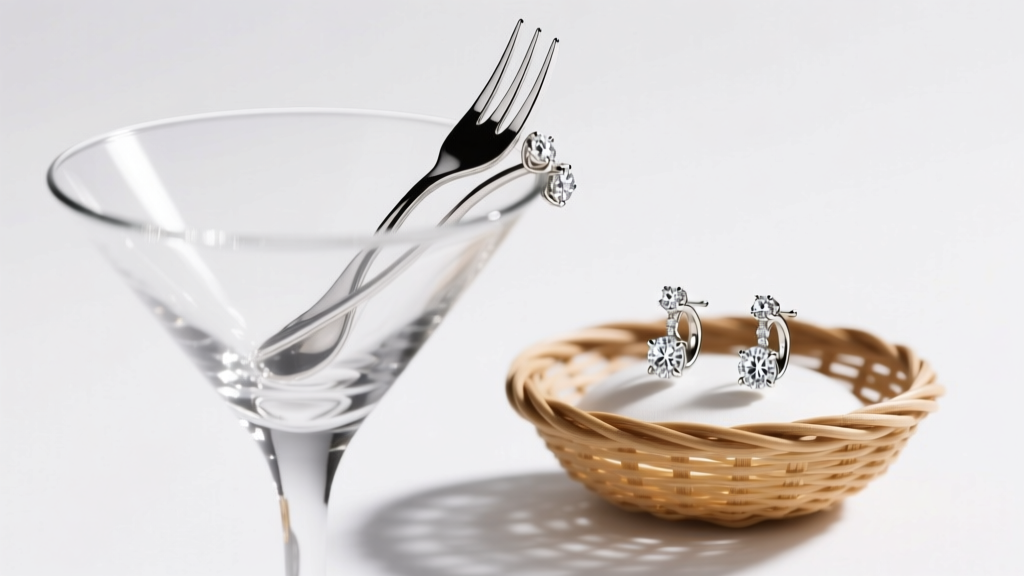
Hidden Costs: Settings, Backings, and Security
The architecture of the setting dictates how the earring sits on the ear and how much light enters the pavilion of the diamond.
Martini vs. Basket vs. Bezel
Martini (3-Prong): Allows maximum light entry and makes the diamond appear slightly larger. However, the center of gravity is higher, which can cause the earring to droop forward on softer earlobes unless the post is thick and positioned correctly.
Basket (4-Prong): Sits flatter against the ear and offers slightly more security for the girdle of the diamond. It is the best all-around choice for active lifestyles.
Bezel: A ring of metal encircles the diamond. While highly secure and modern, a bezel setting covers approximately 10% of the diamond's visible diameter, making your dainty stones look noticeably smaller. If choosing bezel, buy 0.10ct larger than you would for a prong setting.
The Security Tax: Earring Backings
Standard friction backs (butterfly backs) are cheap but notorious for slipping off, leading to lost diamonds. Screw-backs and La Pousette (locking) backs offer superior security but can add $75 to $150 to the final retail price. Budget Hack: Stick to standard friction backs to save money, but purchase medical-grade silicone earring O-rings online for under $5. Slipping an O-ring over the post behind the metal backing provides a custom, high-friction lock that rivals expensive mechanical backs.
Actionable Buying Framework for Budget Buyers
To maximize your budget when shopping for dainty diamond earrings in 2026, follow this strict decision matrix:
- Determine Origin: Choose Lab-Grown for pure aesthetics and maximum size-per-dollar. Choose Natural only if the stones are >0.50ct each and you prioritize asset retention.
- Lock the Cut: Filter immediately for Ideal/Excellent cut. Reject any stone without verified proportions.
- Downgrade Clarity & Color: Set filters to SI1 clarity and G/H color. If setting in yellow gold, drop to I/J color.
- Select the Metal: Choose 14K gold for the optimal balance of rigidity, cost, and longevity.
- Verify Measurements: Check the millimeter (mm) measurements, not just the carat weight. A well-cut 0.25ct diamond should measure approximately 4.0mm to 4.1mm in diameter.
By treating dainty diamond earrings as an exercise in optical engineering rather than a pursuit of flawless grading certificates, you can acquire breathtaking, brilliant jewelry that punches far above its actual price tag.


