Budget vs Premium Rivet Earrings: A Value Assessment
Discover if premium rivet earrings are worth the cost. We compare budget vs. high-end metals, pricing tiers, and long-term value for sensitive ears.

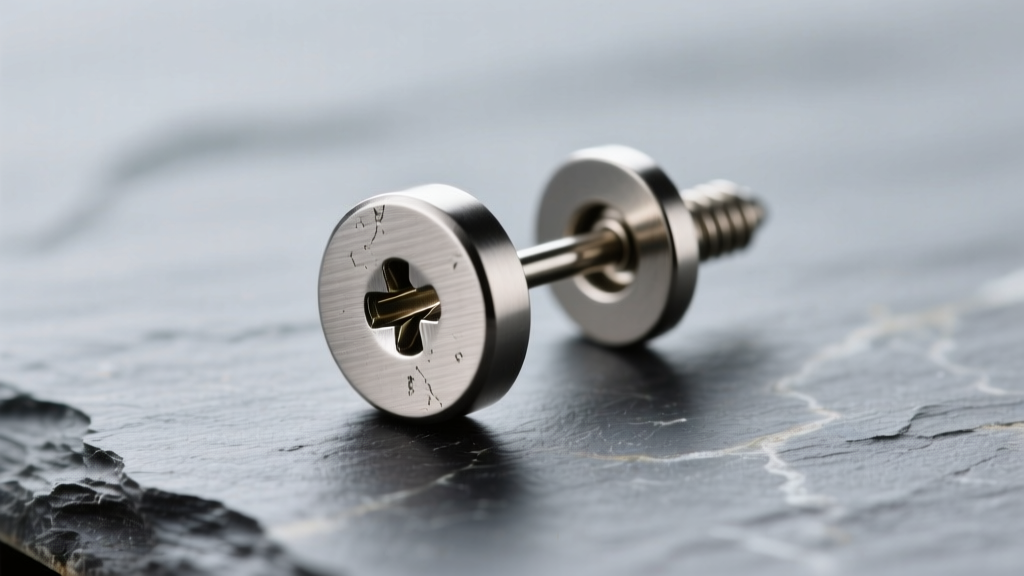
Rivet earrings have evolved from niche punk accessories into a staple of modern minimalist and industrial jewelry aesthetics. Characterized by their flat, dome, or hex-shaped heads that mimic architectural hardware, these earrings offer a bold, utilitarian look. However, because they are often worn as everyday 'sleepers' or statement pieces, the material quality and structural engineering directly impact both your comfort and your wallet. When assessing the true value of rivet earrings, the initial price tag is only a fraction of the equation. You must also factor in biocompatibility, threading mechanics, and the hidden costs of ear stretching.
The Anatomy of a Rivet Earring: What Are You Paying For?
Unlike standard stud earrings that typically sit at a delicate 20-gauge (0.8mm) or 18-gauge (1.0mm), authentic rivet earrings are designed to mimic heavy-duty hardware. This means they frequently start at 16-gauge (1.2mm) and can go as thick as 10-gauge (2.4mm) or 8-gauge (3.2mm) for stretched lobes. The value of a rivet earring is determined by three main structural components:
- The Head Profile: Flat-head (truss), dome-head, and hex-head. Precision-machined heads with beveled edges cost more to produce but prevent scratching behind the ear.
- The Post Gauge & Length: Thicker posts require more raw material and specialized piercing jewelry manufacturing techniques, driving up the baseline cost.
- The Threading Mechanism: How the backing attaches to the post dictates both the security of the earring and the health of your piercing fistula.
Material Breakdown: Surgical Steel vs. Titanium vs. Solid Gold
The most significant price differentiator in the rivet earring market is the base metal. Let us break down the three primary pricing tiers and evaluate their long-term value.
The Budget Tier: Brass, Alloys, and 316L Surgical Steel ($5 - $35)
Budget rivet earrings are widely available on fast-fashion marketplaces. Brass and zinc alloys are heavily used because they are cheap to cast and can be easily plated to look like gold or silver. However, brass reacts with the natural acids in human sweat, creating copper carbonate (verdigris)—the green residue often left on the skin. Furthermore, 316L surgical steel, while an upgrade from pot metal, contains 8% to 10% nickel. According to the American Academy of Dermatology, nickel is the most common cause of contact dermatitis, making 316L steel a poor long-term investment for sensitive or healing piercings.
The Mid-Tier: Implant-Grade Titanium ($35 - $90)
This is the sweet spot for value and biocompatibility. Implant-grade titanium (specifically ASTM F136 or F67) is the gold standard for body jewelry. It is completely nickel-free, highly resistant to corrosion, and significantly lighter than steel. For a 14-gauge or 12-gauge titanium rivet earring, you are paying for the material's inert nature and the precision CNC machining required to cut clean internal threads. Brands like NeoMetal and Industrial Strength set the benchmark here, offering threadless and internally threaded options that justify the mid-tier price point.
The Premium Tier: Solid 14k and 18k Gold ($150 - $500+)
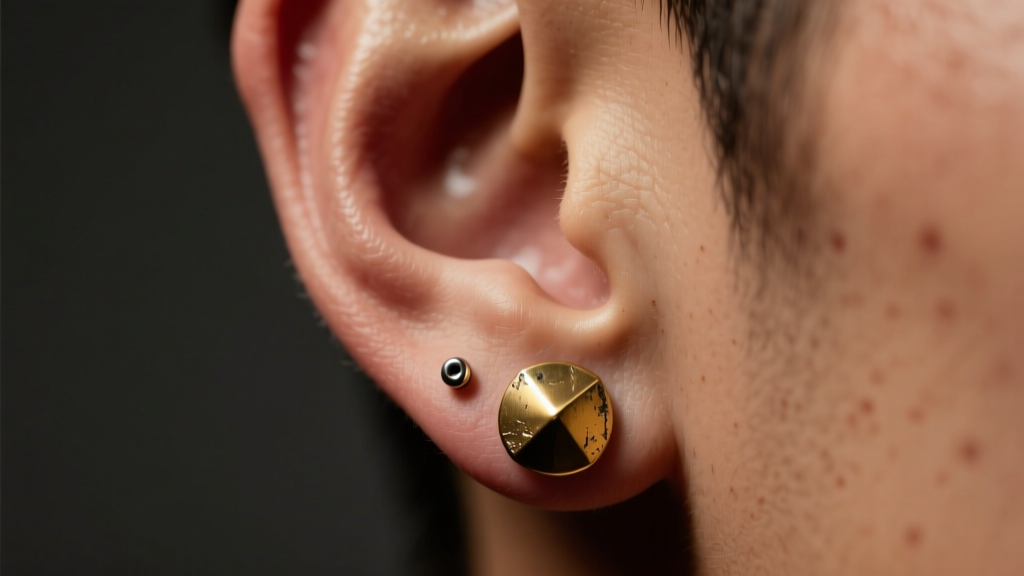
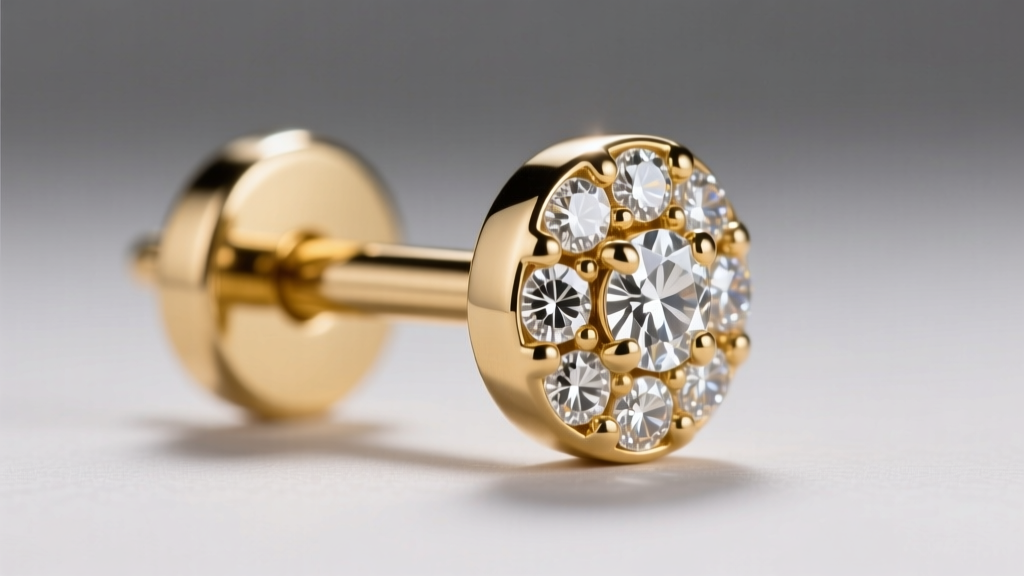
Solid gold rivet earrings are luxury investments. Unlike gold-plated steel, which will eventually wear down to expose the reactive base metal underneath, solid 14k or 18k gold maintains its integrity indefinitely. The high cost reflects both the raw commodity price of gold and the expert craftsmanship required to polish heavy-gauge posts to a mirror finish without compromising the structural integrity of the metal. For collectors and those with severe metal sensitivities, premium gold rivets hold their resale value and offer a lifetime of wear.
Price-to-Value Matrix: Rivet Earring Comparison Chart
To visualize the cost-to-benefit ratio, refer to the matrix below. This assessment assumes standard lobe wear (not fresh piercings) and evaluates the cost per wear over a three-year period.
| Material Grade | Avg. Price Range (14G Pair) | Corrosion Resistance | Allergy Risk | Long-Term Value Rating |
|---|---|---|---|---|
| Brass / Base Alloy | $5 - $15 | Poor (Tarnishes/Oxidizes) | High | 1/5 (Disposable) |
| 316L Surgical Steel | $15 - $35 | Moderate | Moderate (Nickel) | 2/5 (Fair) |
| ASTM F136 Titanium | $35 - $90 | Excellent | None | 5/5 (Exceptional) |
| Solid 14k Gold | $150 - $300 | Excellent | Very Low | 4/5 (High / Heirloom) |
| Solid 18k Gold | $250 - $500+ | Excellent | None | 4/5 (Luxury Investment) |
Hidden Costs: Threading Mechanics and Piercing Health
When evaluating the budget of a rivet earring, many buyers overlook the engineering of the post and backing. The Association of Professional Piercers strongly advises against externally threaded jewelry, yet it remains rampant in budget-tier rivet earrings.
The Danger of External Threading
In cheap rivet earrings, the screw threads are cut directly into the post (the part that goes through your ear). Every time you insert or remove the earring, those sharp, microscopic metal ridges scrape and tear the delicate tissue of the fistula. Over time, this causes micro-tears, irritation bumps, and scar tissue buildup. The 'cheap' earring ends up costing you hundreds of dollars in piercing aftercare products or professional downsizing treatments.
The Value of Internal Threading and Threadless Systems
Mid-tier and premium rivet earrings utilize internal threading (the screw is on the backing, and the post is smooth) or threadless (push-pin) technology. Threadless rivets, popularized by high-end body jewelry brands, use a bent pin that creates tension inside a hollow post. This is arguably the highest-value mechanism for heavy rivet heads, as it eliminates the need to twist a heavy metal dome while trying to align microscopic threads behind your earlobe. Paying an extra $20 for a threadless titanium setup saves immense frustration and protects your piercing.
The Stretching Factor: Sizing Up for the Industrial Look
Because rivet earrings are meant to look like heavy hardware, many enthusiasts prefer them in thicker gauges like 12G (2.0mm) or 10G (2.4mm). If your ears were pierced at a standard mall-kiosk size (usually 20G or 18G), you cannot simply force a 12G rivet through the hole.
Stretching your earlobes requires a deliberate, slow process using insertion tapers, PTFE tape, or professional tapering services. Therefore, the true 'budget' for a thick-gauge rivet earring must include the cost of stretching tools, high-quality lubricants (like jojoba oil), and the time investment required to safely expand the tissue over several months. Rushing this process to wear a cheap, heavy brass rivet will result in 'blowouts' (scar tissue pushing out of the fistula), which can permanently ruin the aesthetic you are trying to achieve.
The Verdict: How to Allocate Your Rivet Earring Budget
If you are purchasing rivet earrings for a one-off costume, a themed photoshoot, or occasional weekend wear, budget-tier 316L steel or plated brass is acceptable, provided you monitor your skin for irritation and swap them out after a few hours.
However, if you intend to wear rivet earrings as daily drivers, sleepers, or permanent fixtures in your jewelry rotation, implant-grade titanium (ASTM F136) offers the undisputed best return on investment. The $40 to $80 price tag guarantees a hypoallergenic experience, secure threadless or internally threaded mechanics, and a lifespan that will easily outlast your current wardrobe. Reserve solid gold for milestone purchases or when you require the specific warm hue that only high-karat precious metals can provide.


