Dangling Cat Earrings: 2026 Trend Analysis & Styling Guide
Discover the 2026 trend analysis for dangling cat earrings. Explore material grades, gauge safety, face-shape styling, and market pricing tiers.

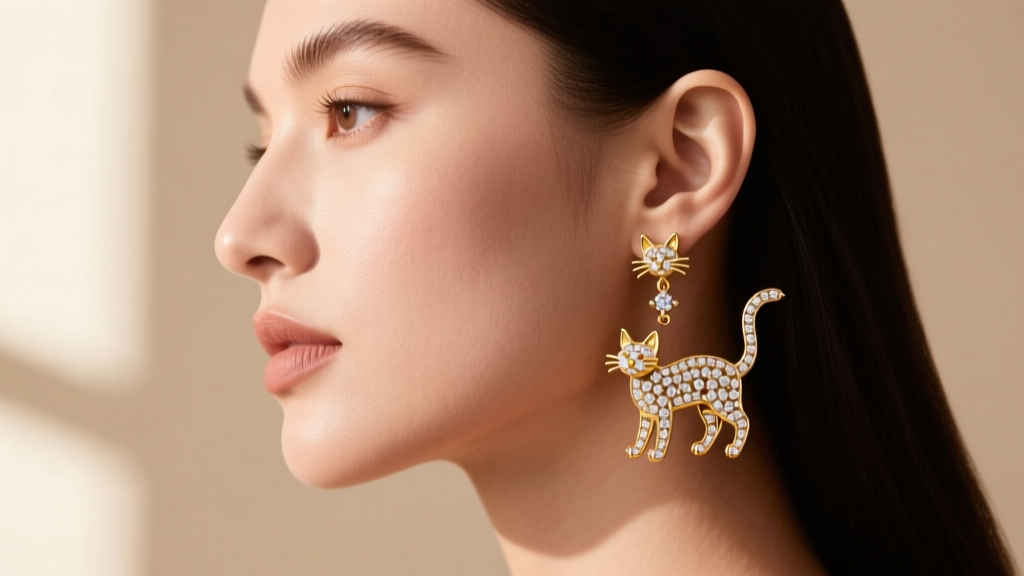
The jewelry landscape of 2026 has decisively moved away from literal, kitschy animal motifs, elevating feline-inspired designs into the realm of high fashion and sophisticated minimalism. Dangling cat earrings, once relegated to novelty gift shops, are now dominating editorial spreads and luxury boutiques. This shift is driven by a demand for 'stealth wealth' aesthetics and dark academia influences, where sleek, panther-like silhouettes and abstract geometric feline profiles replace cartoonish depictions. However, as these designs grow more intricate—featuring articulated joints, mixed-metal inlays, and elongated drop profiles—the biomechanics of wearing them become a critical consideration for both designers and consumers.
In this comprehensive trend analysis, we deconstruct the 2026 market for dangling cat earrings. We will examine the metallurgical standards required to support dynamic weight, the precise gauge specifications necessary to prevent lobe damage, and the geometric styling frameworks that flatter various face shapes. Whether you are a collector of avant-garde jewelry or a designer forecasting the next quarter's accessories, understanding the intersection of feline aesthetics and structural engineering is essential.
The 2026 Shift: From Novelty to High-Fashion Silhouettes
Historically, cat earrings relied on recognizable, playful shapes—think curled tails, prominent whiskers, and brightly colored cold enamel. The 2026 trend cycle, heavily influenced by the resurgence of gothic romance and architectural minimalism, favors abstraction. Designers are utilizing negative space to suggest the arch of a cat's back or the sharp angle of an ear.
Articulated dangles—where the cat's head or tail is connected via micro-hinges or jump rings—are the defining feature of this year's premium offerings. This kinetic movement catches the light and adds a lifelike fluidity to the jewelry. However, this articulation fundamentally changes how the earring interacts with the earlobe, shifting the center of gravity and introducing dynamic torque that static studs or simple hoops do not possess.
Biomechanics of the Dangle: Gauge, Weight, and Torque
When analyzing dangling cat earrings, aesthetic appeal must never supersede structural safety. The human earlobe is composed of adipose tissue and skin, lacking the cartilaginous support found in the upper ear. According to the Association of Professional Piercers (APP), prolonged exposure to heavy or improperly gauged jewelry can lead to irreversible tissue stretching and migration.
The Cheese-Cutter Effect and Gauge Sizing
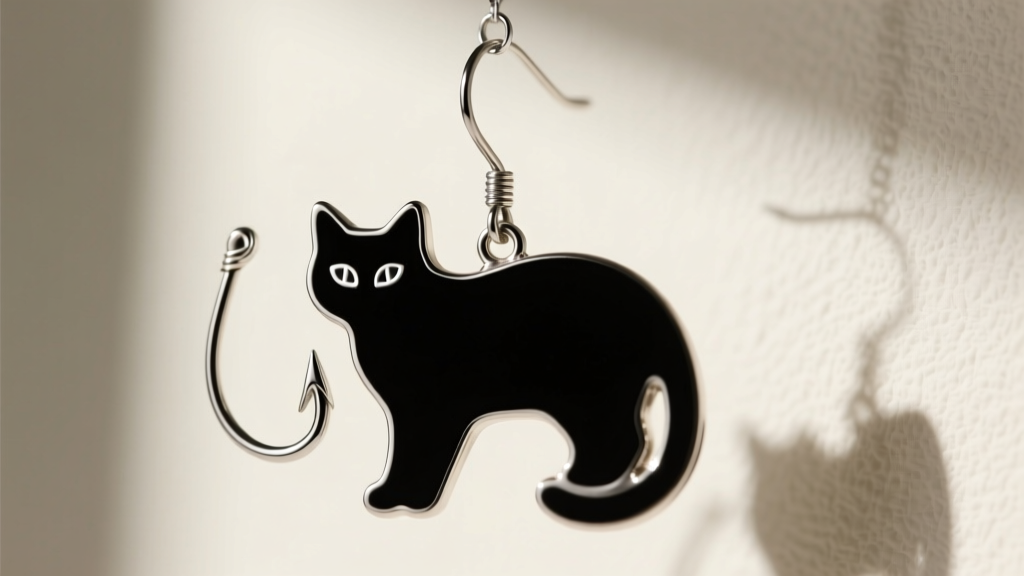
Standard lobe piercings are typically performed at 20-gauge (0.81mm) or 18-gauge (1.02mm). Many mass-market fashion earrings utilize thin 22-gauge or 24-gauge wires to save on metal costs. When a heavy, elongated cat dangle is suspended from a 22-gauge wire, the downward force concentrates on a microscopic surface area. Over time, this creates a 'cheese-cutter effect,' where the wire slowly slices through the bottom of the piercing channel. For any dangling cat earring exceeding 4 grams, an 18-gauge (1.02mm) or 16-gauge (1.29mm) fishhook or leverback wire is strictly mandatory to distribute the load safely.
Dynamic Torque in Articulated Designs
A static 6-gram earring exerts a predictable downward force. An articulated 6-gram cat earring with a swinging tail generates kinetic energy and dynamic torque as the wearer walks or turns their head. This lateral pulling can cause micro-tears in the fistula (the piercing tunnel). To mitigate this, elite jewelers in 2026 are engineering counterweights into the earwire or utilizing wider, flattened earwire paddles that rest flush against the back of the lobe, dispersing kinetic energy across a broader surface area.
Material Grade Breakdown & Pricing Tiers
The market for feline drop earrings is heavily stratified by material integrity. Because dangles require frequent handling to put on and take off, the metal must resist tarnishing, skin-oil degradation, and micro-scratching. Below is an analysis of the dominant material grades in the 2026 market.
| Material Grade | Specification Details | 2026 Price Range | Pros & Cons |
|---|---|---|---|
| 316L Surgical Steel | Implant-grade, low nickel release, highly polished | $35 - $85 | Excellent durability and hypoallergenic properties; lacks the prestige and resale value of precious metals. |
| 14k Gold Vermeil | Sterling silver (925) base, minimum 2.5 microns of 14k gold | $90 - $180 | Luxurious appearance at a mid-tier price; requires strict adherence to FTC guidelines to prevent premature wear. |
| Solid 18k Gold | 75% pure gold, alloyed with copper/silver for tensile strength | $450 - $1,200+ | Heirloom quality, will not tarnish, supports heavy gemstone settings; significant upfront investment. |
| Titanium (Grade 23) | Ti-6Al-4V ELI, anodized for color, ultra-lightweight | $60 - $120 | Virtually weightless, eliminating torque issues; limited to specific anodized colors rather than traditional gold tones. |
Consumers must be wary of 'gold-plated' brass or copper bases masquerading as high-end pieces. The Federal Trade Commission (FTC) Jewelry Guides strictly dictate that the term 'vermeil' can only be used if the base is sterling silver and the gold plating is at least 2.5 microns thick. Anything less will rapidly wear away at the friction points where the cat's articulated joints connect, exposing the reactive base metal beneath.
Face Shape Geometry: Matching Dangle Profiles
The elongated nature of dangling cat earrings makes them a powerful tool for facial contouring. The visual weight and linear direction of the dangle can either harmonize with or disrupt the natural geometry of the wearer's face. In 2026, stylists are utilizing specific feline silhouettes to achieve targeted optical illusions.
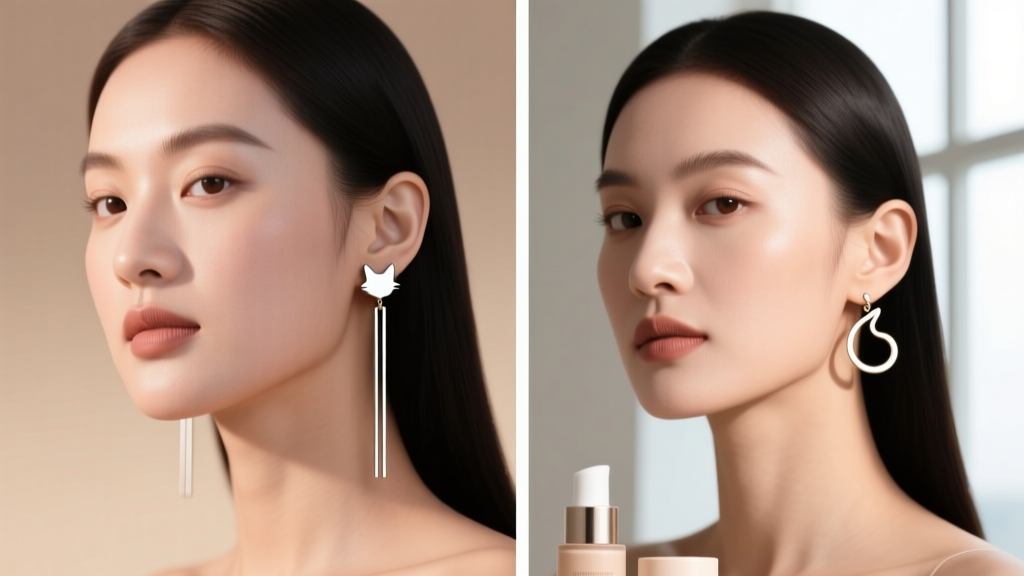
- Round Faces: Avoid wide, curled-up 'sleeping cat' silhouettes that emphasize facial width. Instead, opt for long, linear 'stretching cat' drop earrings. The verticality elongates the jawline and draws the eye downward, creating a slimming effect. Ideal length: 2.5 to 3.5 inches.
- Square Faces: Sharp jawlines benefit from softening elements. Choose dangling cat earrings with curved profiles, such as a cat with an arched back or a sweeping, crescent-shaped tail. Avoid rigid, geometric, or angular Art Deco cat designs that mirror the sharpness of the jaw.
- Oval Faces: The most versatile canvas. Oval faces can support virtually any dangle profile, from heavy, shoulder-grazing articulated panthers to minimalist, abstract feline ear-cuffs with a subtle drop. Proportion is the only limiting factor here.
- Heart-Shaped Faces: Characterized by a broader forehead and a narrow, pointed chin. To balance the lower half of the face, select cat dangles that feature visual weight at the bottom—such as a sitting cat silhouette with a gemstone-encrusted base or a wide, fluffy tail motif that rests near the collarbone.
Maintenance of Micro-Joints and Enamel
The intricate construction of premium dangling cat earrings requires specialized care. The micro-jump rings and hinges that allow the feline elements to move are prime traps for cosmetic residue, skin oils, and environmental dust. If left uncleaned, this debris acts as an abrasive paste, slowly grinding down the soft precious metals of the joint and eventually causing the earring to snap.
Furthermore, many 2026 designs incorporate cold enamel or guilloché enamel to add depth to the cat's eyes or coat. Ultrasonic jewelry cleaners, while excellent for solid diamond studs, are strictly contraindicated for enameled dangles. The high-frequency cavitation bubbles can fracture the glass-like enamel surface or shake loose the delicate micro-jump rings. Instead, maintenance should involve a gentle soak in a lukewarm solution of pH-neutral dish soap and distilled water, followed by careful agitation with a soft-bristled, baby-toothbrush. Joints should be dried thoroughly with compressed air to prevent water spots and oxidation within the crevices.
'The true mastery of 2026's feline jewelry trend lies not just in the visual design, but in the invisible engineering. A beautifully sculpted cat dangle is a failure if its 22-gauge wire compromises the wearer's piercing. True luxury is found in the perfect equilibrium of aesthetic grace and biomechanical respect.'
— Senior Metallurgist, Jewel Style Radar Editorial Board
As the year progresses, the integration of kinetic movement, ethical material sourcing, and piercing-safe engineering will separate fleeting fashion jewelry from enduring, collectible art. By prioritizing correct gauge sizing, understanding dynamic torque, and selecting face-flattering silhouettes, collectors can confidently navigate the sophisticated 2026 market for dangling cat earrings.


