Authentic Puerto Rico Earrings: Filigree, Shells & Gauges
Explore the technical craftsmanship of authentic Puerto Rico earrings, from 18k gold filigree gauge specs to caracol shell inlay techniques.

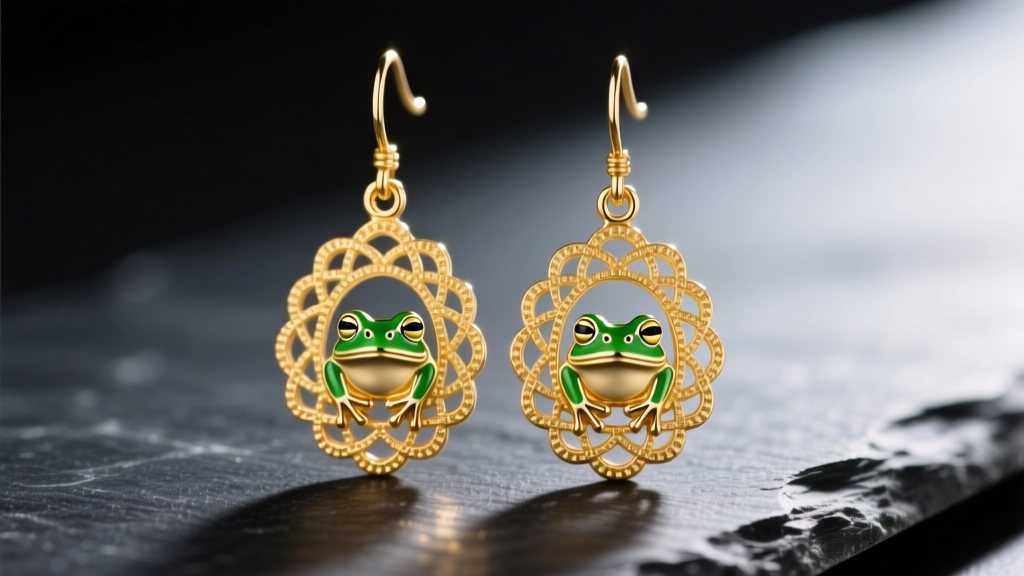
Puerto Rican jewelry is far more than a simple accessory; it is a complex metallurgical and cultural artifact. When examining authentic Puerto Rico earrings, gemologists and master jewelers look beyond the aesthetic appeal to evaluate the structural engineering, alloy compositions, and organic gem handling techniques that define the island's artisanal heritage. From the intricate wire-weaving of mundillo-inspired filigree to the precise thermal management required for Queen Conch shell inlays, crafting these pieces demands an elite level of technical proficiency. This deep dive explores the exact gauge specifications, casting technologies, and material constraints that separate mass-produced souvenirs from genuine, master-crafted Puerto Rican ear adornments.
The Metallurgy of Puerto Rican Filigree
Traditional Puerto Rican filigree (filigrana) draws heavy inspiration from mundillo, the island's historic bobbin lace-making tradition. Translating delicate textile lace into rigid metal requires a profound understanding of wire gauges and tensile strength. According to master jewelers documented by Ganoksin, the structural integrity of a filigree earring relies on a dual-gauge system.
The outer structural frame is typically fabricated from 18-gauge (1.02mm) or 20-gauge (0.81mm) wire, usually in 14k or 18k yellow gold, or 925 sterling silver. This heavy gauge prevents the earring from warping when handled or when the ear wire is inserted. The interior lacework, however, demands ultra-fine 24-gauge (0.51mm) to 28-gauge (0.32mm) wire. Working with 28-gauge wire presents severe thermal challenges during soldering. Artisans must use powdered borax flux and a micro-torch with a pinpoint flame to flow 14k easy solder. If the heat is applied for even a fraction of a second too long, the 28-gauge wires will instantly melt into unusable beads, ruining hours of meticulous weaving.
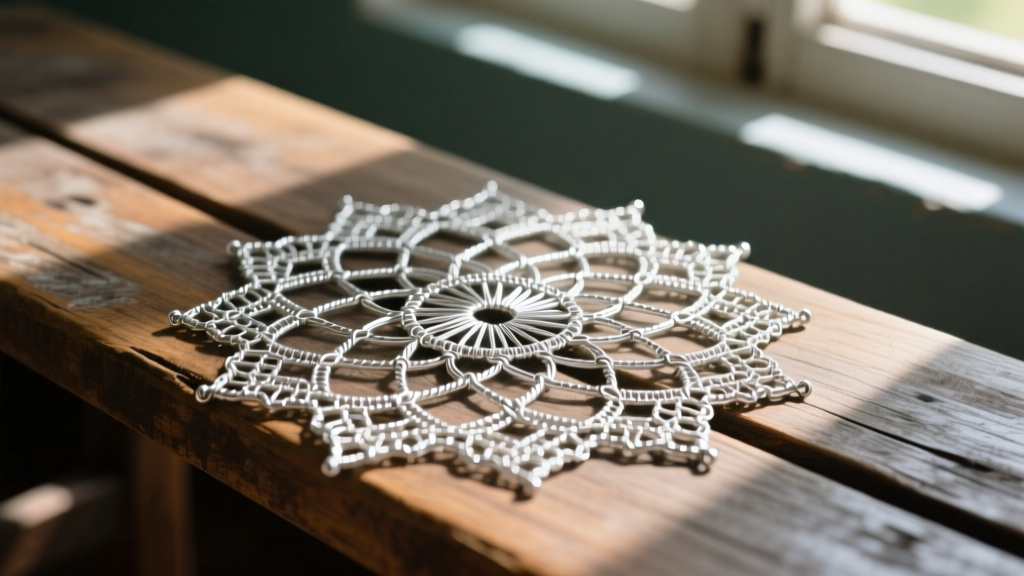
Because of the fragility of the interior lacework, authentic filigree Puerto Rico earrings are rarely cleaned in ultrasonic machines. The high-frequency vibrations can easily snap the microscopic solder joints holding the 26-gauge curls in place. Instead, experts recommend a gentle soak in warm water with a mild, phosphate-free dish soap, agitated lightly with a soft baby toothbrush.
Caracol Shell Inlay and Thermal Constraints
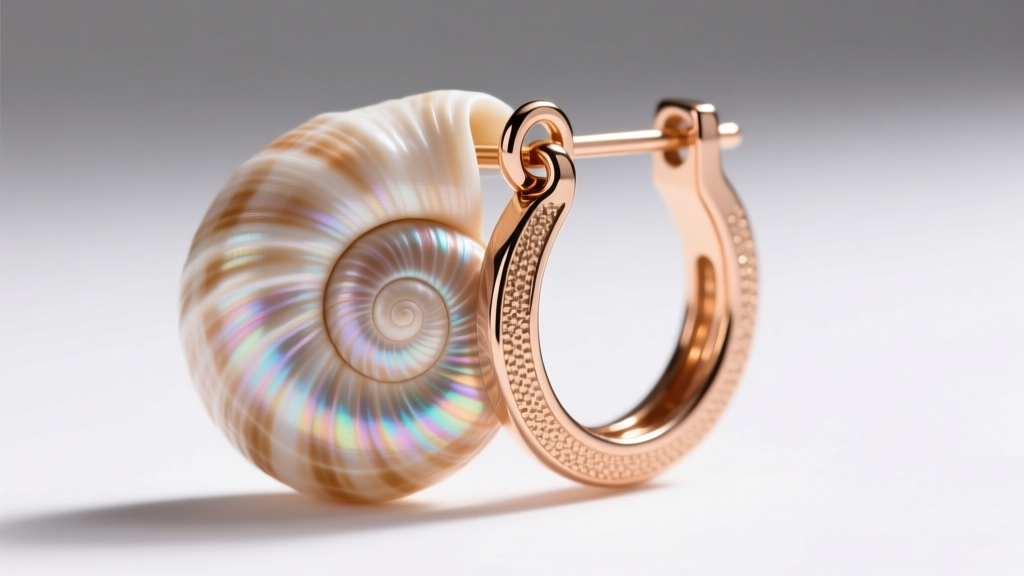
The Queen Conch (Strombus gigas), known locally as caracol, is an iconic motif in Puerto Rican jewelry. However, working with conch shell requires strict adherence to organic gemological protocols. The Gemological Institute of America (GIA) classifies shell as an organic gem with a Mohs hardness of just 3 to 3.5, making it highly susceptible to scratching, thermal shock, and chemical degradation.
When setting a carved caracol shell into a drop earring, jewelers must avoid traditional high-heat soldering near the stone. Thermal shock can cause "crazing"—a network of micro-fractures that destroys the shell's nacreous luster. To mitigate this, master fabricators use cold-connection techniques, such as riveting or tab-setting, or employ low-temperature laser welders to attach the setting's basket to the earring drop without transferring destructive heat to the shell.
Furthermore, the bezel wall cradling the shell must be annealed to a "dead-soft" state. Using 22-gauge fine silver or high-karat gold bezel wire, the jeweler gently pushes the metal over the shell's edge. If the bezel wire is work-hardened, the excessive PSI required to burnish it down will crack the calcium carbonate structure of the conch shell. A stabilizing backing of jeweler's epoxy is often applied to the flat back of the shell cabochon to prevent it from flexing and shattering under the pressure of daily wear.
Motif Engineering: The Coquí and Flor de Maga
Beyond materials, the engineering of specific Puerto Rican motifs requires advanced fabrication techniques. The Coquí (the island's native tree frog) is a beloved subject for stud and dangle earrings. Capturing the microscopic texture of the Coquí's skin and its distinct toe pads cannot be achieved through traditional hand-carving in wax. In 2026, top-tier artisans in San Juan utilize high-resolution DLP 3D resin printers with a 25-micron XY resolution to create the master patterns. These resin masters are then invested in phosphate-bonded casting investment and subjected to a precise 1350°F burnout cycle, ensuring every sub-millimeter detail is perfectly reproduced in 14k gold.
Similarly, the Flor de Maga (the national flower) presents a unique structural challenge when designed as a chandelier or drop earring. Rigidly soldering the five petals together results in a stiff earring that is prone to metal fatigue and snapping at the solder joints when bumped. To solve this, expert jewelers engineer micro-hinges using 22-gauge seamless jump rings with a 1.5mm outer diameter. This articulation allows the petals to move independently, distributing kinetic energy and drastically reducing the failure rate of the earring over time.
Material Specifications and Pricing Matrix
Understanding the technical specifications of Puerto Rico earrings helps collectors and buyers assess value and authenticity. The table below outlines the standard material grades, structural specifications, and current market pricing for genuine artisan pieces.
| Material / Component | Technical Specification | Physical Properties | Artisan Price Range (USD) |
|---|---|---|---|
| 14k Yellow Gold Filigree | 18g Frame / 26g Lacework | High Tensile Strength | $350 - $850 |
| 925 Sterling Silver Filigree | 20g Frame / 28g Lacework | Moderate Tarnish Risk | $120 - $280 |
| Queen Conch Shell Cabochon | Calibrated 8mm - 12mm Oval | Mohs 3 - 3.5 (Fragile) | $80 - $200 (Loose) |
| Articulated Ear Wires | 20g French Wire / 18g Leverback | Spring-Tempered for Retention | $15 - $45 (Hardware) |
Sourcing, Authenticity, and Cultural Verification
As the demand for culturally significant jewelry grows, the market has seen an influx of mass-produced, overseas-manufactured items stamped with generic "tropical" motifs. To verify the authenticity of Puerto Rico earrings, buyers must look beyond the design and examine the provenance and hallmarks. The Instituto de Cultura Puertorriqueña (ICP) and local artisan guilds actively promote the "Hecho en Puerto Rico" certification, which guarantees that the piece was conceptualized, fabricated, and finished on the island.
Authentic pieces will often feature the maker's hallmark stamped discreetly on the back of a stud post or the interior of a leverback clasp. Furthermore, true artisan filigree will show microscopic variations in the wire curls—evidence of hand-weaving with pliers—whereas die-stamped or cast-imposter filigree will appear uniformly perfect and slightly flattened at the wire intersections. By prioritizing technical craftsmanship, precise gauge engineering, and ethical sourcing of organic gems, collectors can acquire Puerto Rican earrings that are not only culturally profound but structurally built to last generations.


