Fusion Earrings DBZ: The Ultimate Potara Buying Guide
Discover the ultimate buying guide for fusion earrings DBZ fans love. Compare cosplay replicas, fine jewelry Potara styles, materials, and sizing.

The Anatomy of Authentic Potara Earrings
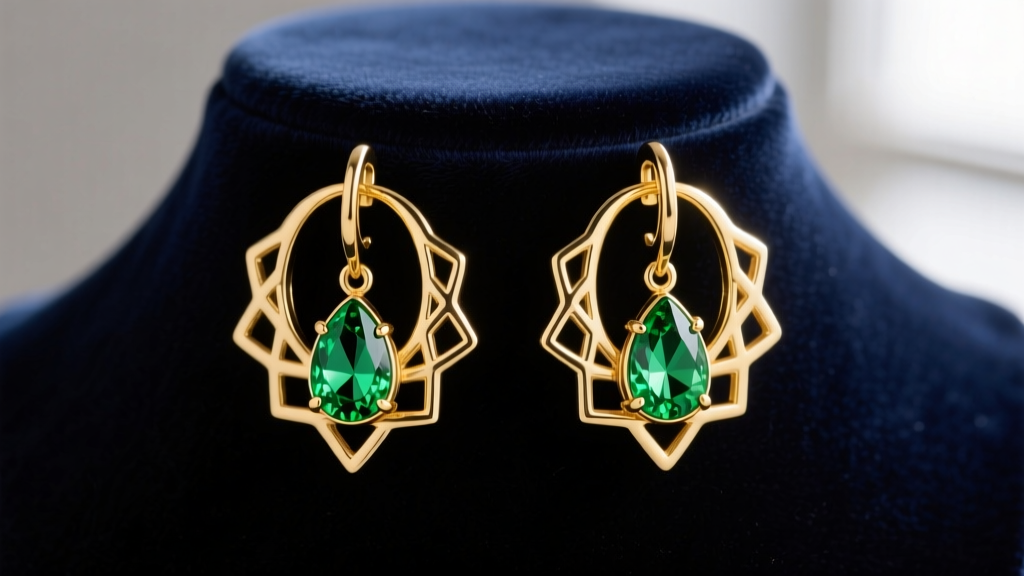
When fans begin their search for fusion earrings dbz enthusiasts often encounter a frustrating mix of cheap plastic toys, inaccurate designs, and heavy metals that irritate the skin. In the Dragon Ball Z universe, the Potara earrings are the sacred artifacts worn by the Supreme Kais, enabling two beings to fuse into a single, immensely powerful warrior. Unlike the Metamoran Fusion Dance, which requires precise choreography, Potara fusion simply requires each participant to wear one earring on opposite ears.
To accurately replicate this iconic lore for real-world wear, we must first break down the canonical design. According to the Dragon Ball Wiki, the classic Toei animation design features a golden-yellow hoop or stud base with a vibrant, spherical green gemstone dangling from the center. Translating this 2D anime aesthetic into 3D, wearable jewelry requires a deep understanding of metallurgy, gemology, and ear-lobe ergonomics. As we navigate the 2026 convention season, the divide between mass-produced anime merchandise and bespoke, wearable fine jewelry has never been more apparent. This guide will help you navigate the market to find the perfect pair.
Cosplay Replicas vs. Fine Jewelry Potaras
The market for DBZ fusion earrings is strictly divided into two categories: convention-grade cosplay props and fine jewelry adaptations. Your choice depends entirely on your use case, budget, and skin sensitivity.
Material Breakdown & Durability
Budget cosplay earrings are typically cast from zinc alloys or molded from ABS plastic and UV resin. While these materials allow for oversized, screen-accurate proportions (often 1.5 to 2 inches in diameter), they are notorious for causing contact dermatitis. Zinc alloys frequently contain nickel, a common allergen. If you are attending a multi-day convention, sweat and friction will accelerate metal oxidation, leading to the dreaded 'green ear' effect.
Conversely, fine jewelry replicas prioritize skin safety and longevity. High-end artisans use 14k or 18k solid gold, or at minimum, heavy gold vermeil (a thick layer of gold plated over a sterling silver base). For the posts, hypoallergenic standards like 316L surgical steel or ASTM F136 implant-grade titanium are essential for freshly pierced or sensitive lobes.
The All-Day Convention Test
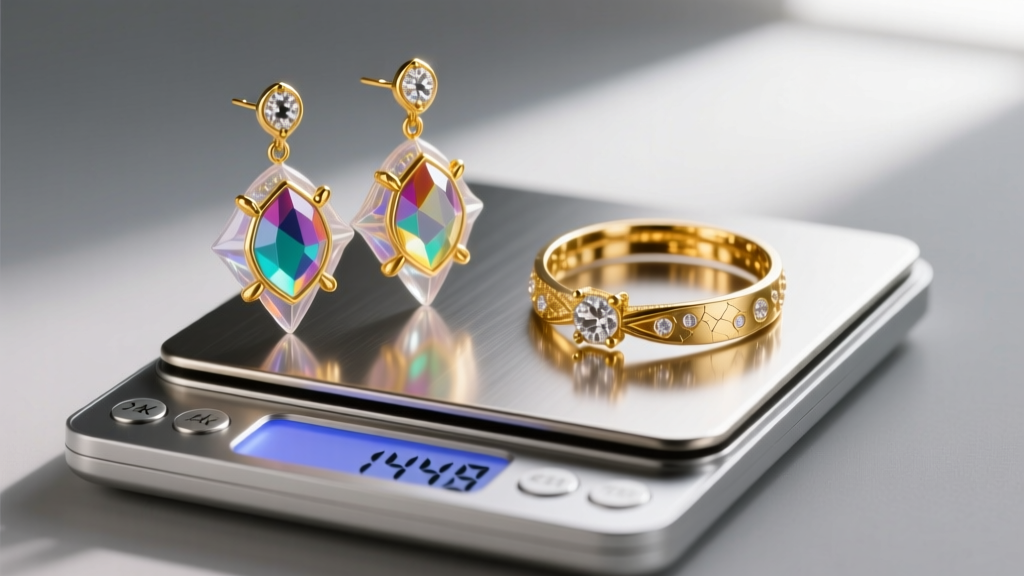
Weight distribution is the hidden enemy of anime earrings. A 2-inch resin earring might weigh only 4 grams, but a solid brass replica of the same size can exceed 15 grams. Wearing 15 grams on a standard earlobe for eight hours will cause severe stretching and pain. Fine jewelry makers solve this by utilizing hollow-form gold casting or lightweight huggie-style hoops that hug the earlobe, transferring the weight more evenly than a traditional dangling wire.
Sizing, Gauges, and Lobe Ergonomics
One of the most critical, yet overlooked, aspects of buying anime-inspired jewelry is the wire gauge. Standard ear piercings are done at 20-gauge (0.81mm) or 18-gauge (1.02mm). However, many overseas manufacturers of budget DBZ merchandise use thick, non-standard 16-gauge (1.29mm) or even 14-gauge (1.63mm) wires to support the weight of heavy plastic beads.
Forcing a 16-gauge wire into an 18-gauge piercing will cause micro-tears in the fistula (the piercing channel), leading to swelling, bleeding, and potential infection. When shopping, always verify the post thickness. If a seller does not list the gauge, assume it is non-standard and proceed with caution. For clip-on wearers who do not have pierced ears, look for tension-adjustable clip-backs with silicone pads to prevent the earring from snapping off during active convention photography.
Gemstone Selection for the Perfect Green Hue
The Supreme Kai's Potara earrings feature a very specific shade of green—a vivid, slightly yellowish-green that pops against the gold setting. Replicating this color requires careful gemstone selection.
- Peridot: The undisputed champion for Potara replicas. Peridot is one of the few gemstones that only occurs in green, and its natural yellowish-green hue perfectly matches the anime's color palette. With a Mohs hardness of 6.5 to 7, it is durable enough for earrings. The Gemological Institute of America (GIA) notes that high-quality peridot exhibits strong double refraction, giving the stone a lively, glowing sparkle that mimics the 'ki' energy of the Dragon Ball universe.
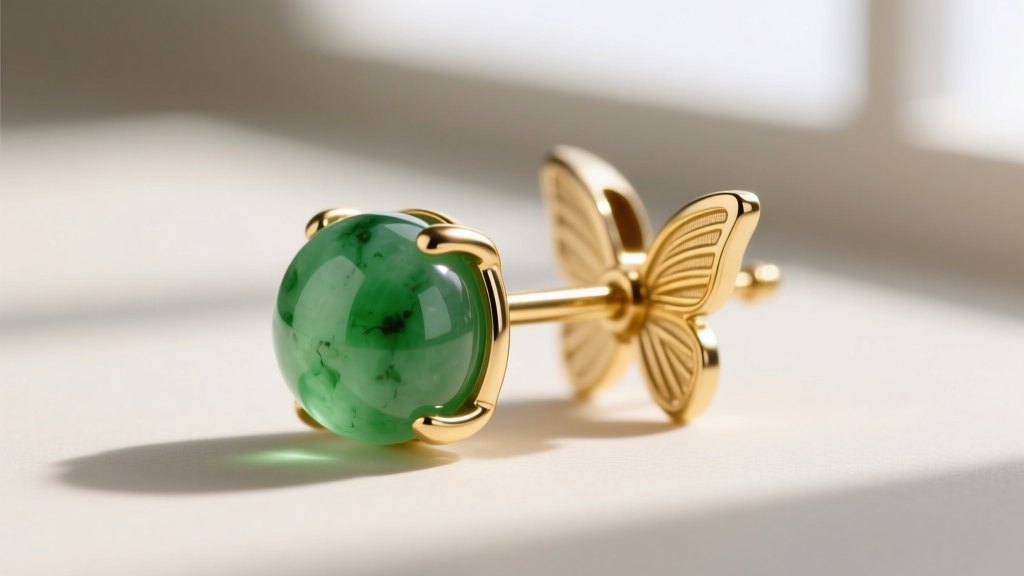
- Green Jade (Jadeite/Nephrite): Often used in mid-tier replicas. Jade offers a more opaque, milky green appearance. While lore-adjacent, it lacks the crystalline sparkle of the anime's vector art.
- Aventurine: A budget-friendly quartz alternative. It is heavily included and matte, making it look dull in dimly lit convention halls.
- Emerald: While visually stunning and highly durable (Mohs 7.5-8), emeralds are incredibly expensive and typically a darker, bluish-green, making them less screen-accurate than peridot.
Market Pricing & Comparison Chart
Understanding the pricing tiers will help you set realistic expectations and avoid overpaying for dropshipped goods. Below is a breakdown of what you can expect in the current market.
| Tier | Material Composition | Post Gauge | Best Use Case | Estimated Price Range |
|---|---|---|---|---|
| Budget Cosplay | Zinc Alloy / Acrylic Bead | 16g - 14g (Thick) | Short-term photoshoots | $12 - $25 |
| Mid-Tier Handmade | Gold Vermeil / Resin or Jade | 20g - 18g (Standard) | Weekend conventions | $60 - $120 |
| Fine Jewelry | 14k/18k Solid Gold / Peridot | 20g - 18g (Standard) | Daily wearable lore | $400 - $900+ |
Long-Term Care and Maintenance
Whether you opt for a $20 cosplay prop or an $800 custom fine jewelry piece, proper maintenance is required to keep your Potaras looking legendary.
- For Resin and Acrylic: Keep away from direct sunlight when not in use. UV rays will cause the green dye to yellow and the plastic to become brittle over time. Wipe down with a damp microfiber cloth after wearing to remove sweat and skin oils.
- For Gold Vermeil: Never wear vermeil in the shower or pool. Chlorine and hot water will strip the gold layer, exposing the sterling silver beneath to rapid tarnishing. Store in an anti-tarnish ziplock bag.
- For Solid Gold and Peridot: Clean with a soft-bristled baby toothbrush and mild dish soap. Avoid ultrasonic cleaners, as the vibrations can occasionally fracture natural peridot inclusions.
Final Verdict: Choosing Your Fusion Style
The right pair of DBZ fusion earrings depends entirely on your lifestyle. If you are building a Goku Black or Vegito cosplay for a weekend event, mid-tier handmade resin or jade replicas on sterling silver posts offer the best balance of screen accuracy and skin safety. However, if you want to carry a subtle, elegant piece of the Dragon Ball universe with you every day, investing in a custom 14k gold and peridot pair is a masterstroke of geek-chic fashion.
Pro-Tip for Couples: True Potara fusion requires two earrings worn on opposite ears (e.g., the left ear for one person, the right ear for the other). When buying fine jewelry sets, ensure the artisan provides a 'left-post' and 'right-post' pair so you and your partner can accurately trigger the fusion sequence.
By prioritizing correct gauge sizing, hypoallergenic metals, and lore-accurate gemstones, you can elevate your anime jewelry collection from cheap costume props to heirloom-quality treasures. Choose wisely, and may your fusion be eternal.


