What Earring Is the Gay One? Debunking the Piercing Myth
Wondering what earring is the gay one? We debunk the outdated right-ear piercing myth and guide you through modern men's ear styling and placement.


The Origin of the "Gay Ear" Myth
If you have ever found yourself staring at a piercing studio menu or a jewelry display and wondering, "what earring is the gay one?", you are experiencing a lingering cultural hangover from a bygone era. For decades, a pervasive urban dictionary myth dictated that piercing the right ear was a secret signal of homosexuality, while the left ear was reserved for heterosexual men. This binary coding created immense anxiety for generations of men navigating personal style. Today, we are troubleshooting this outdated stereotype, breaking down the sociological history, and providing a modern, aesthetic-driven framework for choosing your ear piercings based on anatomy, face shape, and personal expression rather than archaic rules.
The concept of the "gay ear" did not emerge from the fashion world; it was born out of necessity. During the 1970s and 1980s, LGBTQ+ individuals faced severe societal discrimination and legal persecution. To identify one another safely in public spaces, the community developed subtle visual cues, most notably the "hanky code" (where colored bandanas in specific back pockets indicated sexual preferences). This coding eventually bled into mainstream accessories, including earrings. The phrase "left is right, and right is wrong" became a whispered schoolyard mantra. Piercing the right ear became a covert way for gay men to signal their orientation to others in the know, without overtly outing themselves to a hostile public.
However, as queer culture became more visible and accepted in the 1990s and 2000s, the need for covert signaling evaporated. According to cultural historians and style archives documented by GQ Magazine, the mainstream adoption of multiple ear piercings by hip-hop artists, punk rockers, and Hollywood actors completely dismantled the right-ear stigma. The code is effectively dead, yet the ghost of this myth still prompts questions in piercing studios today.
Troubleshooting Modern Piercing Anxiety
If you are currently troubleshooting the anxiety of "what will people think if I pierce my right ear?", the most actionable advice is to recognize that society has moved on. Gen Z and younger Millennials do not subscribe to this binary. In 2026, wearing a hoop, stud, or huggie in the right ear, left ear, or both is viewed strictly as a fashion choice. The real problem to solve is not societal judgment, but rather how to balance your facial features and select the correct jewelry gauge for your anatomy.
Holding onto the "gay ear" myth limits your stylistic potential and prevents you from exploring asymmetrical or curated ear projects that could dramatically elevate your personal aesthetic. Men and masculine-presenting individuals are now embracing stacked lobes, tragus studs, and daith hoops without a second thought about 1980s signaling codes.
Aesthetic Troubleshooting: Choosing the Right Ear and Style
When deciding which ear to pierce, discard sexual orientation codes and instead troubleshoot your facial symmetry and hair styling. A practical decision framework involves analyzing your hair part and jawline.
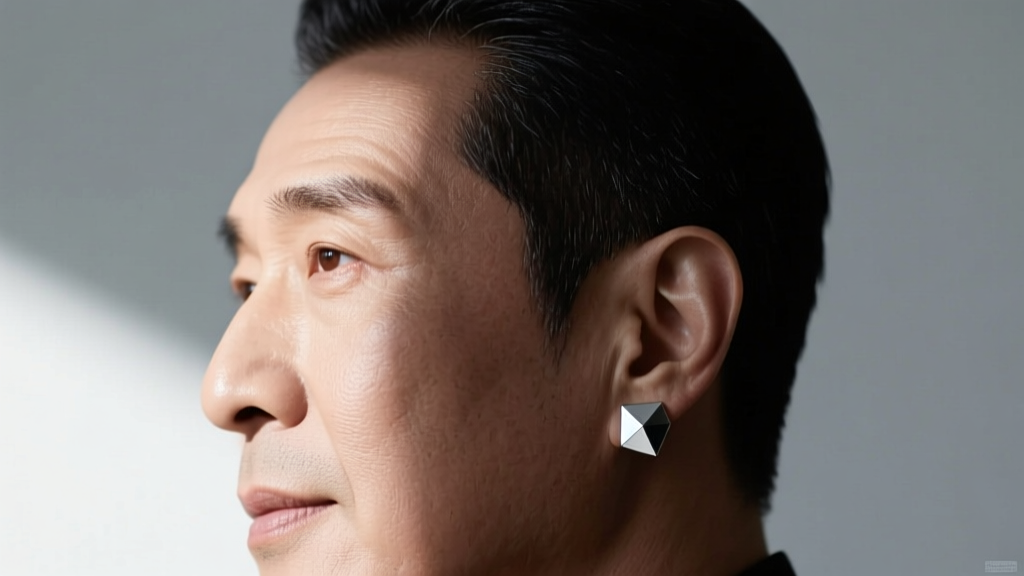
- The Hair Part Rule: If you part your hair on the left side, your right ear is naturally more exposed and visible. Piercing the more visible ear creates a deliberate, styled focal point that draws the eye.
- Jawline Balancing: If you have a strong, asymmetrical jawline, placing a slightly heavier earring—like a 14-gauge gold hoop or a geometric drop earring—on the softer side of your face can create visual balance.
- Face Shape Mapping: For men with square face shapes, angular studs or squared-off huggies complement the strong jawline. For those with rounder faces, elongated drop earrings or vertical barbells can create an illusion of length and structure.
The goal is to use ear jewelry as an architectural tool to frame your face, not as a billboard for your sexuality.
Technical Guide: Gauge Sizes and the "Cheese Cutter" Effect
Beyond placement, the most common troubleshooting issue in men's ear piercings is improper gauge sizing and material selection. Many mall kiosks use piercing guns that force a blunt 20-gauge or 18-gauge stud through the tissue. This causes blunt force trauma and introduces the dreaded "cheese cutter effect."
The cheese cutter effect occurs when a thin wire slowly migrates through the earlobe over time due to the weight of the jewelry or accidental snags. Professional piercers recommend starting lobe piercings at 16-gauge or even 14-gauge. A thicker gauge provides structural stability, heals faster, and supports heavier jewelry without tearing. For cartilage piercings like the helix, tragus, or conch, 16-gauge is the industry standard to accommodate swelling and prevent rejection.
Healing Complications and the LITHA Method
Healing complications are another major hurdle. If you develop an irritation bump (often mistaken for a keloid) near your new piercing, the problem is usually mechanical friction or harsh chemicals. Troubleshooting this requires the LITHA method: Leave It The Hell Alone. Stop applying tea tree oil, alcohol, or hydrogen peroxide, which destroy healthy cellular growth.
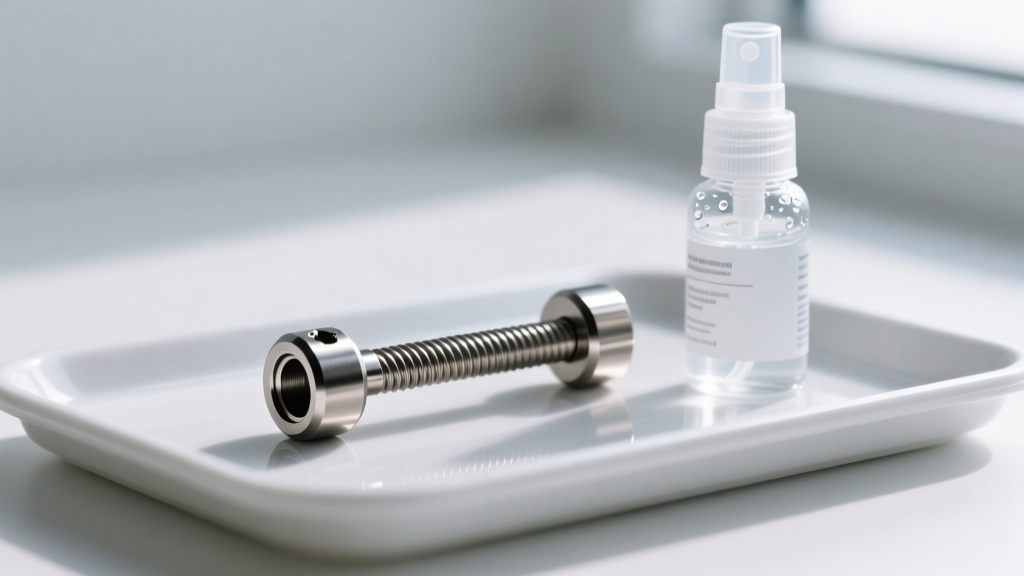
Instead, use a sterile 0.9% sodium chloride saline spray twice daily. Ensure your jewelry post is long enough to accommodate initial swelling but have your piercer "downsize" the post after 4 to 6 weeks. Downsizing prevents the jewelry from snagging on towels or hair, which causes the angle of the piercing to shift and form a bump.
Material Grades: What to Actually Put in Your Ear
The Association of Professional Piercers (APP) strictly recommends specific biocompatible materials for all fresh piercings. Here is a troubleshooting matrix to help you select the right metal for your skin type and budget.
| Material Grade | Nickel Content | Best Use Case | Price Range |
|---|---|---|---|
| Implant-Grade Titanium (ASTM F136) | Zero | Initial piercings, sensitive skin | $40 - $120 |
| 316L Surgical Steel | Trace amounts | Healed lobes, budget-friendly | $15 - $40 |
| Solid 14k/18k Gold (Nickel-Free) | Zero | Long-term wear, luxury aesthetics | $150 - $500+ |
| Niobium | Zero | Hypoallergenic alternative to titanium | $30 - $80 |
Implant-grade titanium is the gold standard for fresh piercings due to its biocompatibility and lack of nickel, a common allergen found in commercial "surgical" steels that can cause chronic itching and delayed healing.
Conclusion: Moving Past the Myth
Ultimately, asking "what earring is the gay one" is like asking which watch tells the straightest time. Jewelry is an inanimate object; it is the wearer who gives it context. By focusing on proper gauge sizing, high-quality biocompatible materials, and aesthetic balance with your facial features, you can troubleshoot any styling dilemma. Whether you opt for a single 14-gauge titanium hoop in your right lobe or a fully curated constellation of cartilage studs on your left, the only rule in modern jewelry styling is that you wear it with confidence.


