Dentalium Earrings: Value, Pricing & Authenticity Guide
Discover the true value of dentalium earrings. Learn to spot genuine shells, understand pricing tiers, and evaluate hardware quality before you buy.

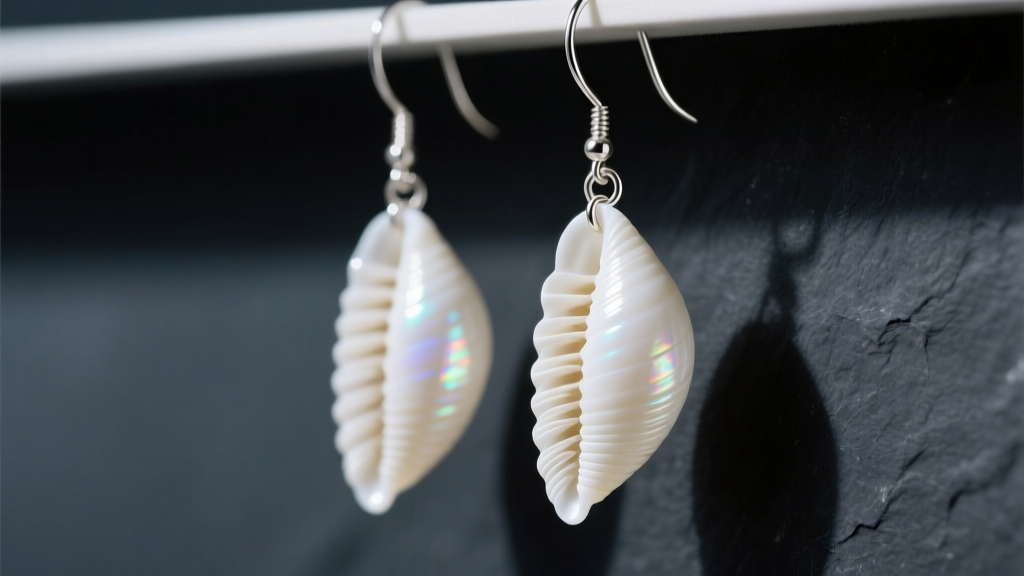
The True Cost of Dentalium Shell Earrings in 2026
Dentalium shells—elongated, tusk-shaped marine mollusks—have been prized for millennia. Historically, they served as currency and status symbols among the Indigenous peoples of the Pacific Northwest, the Plains, and various African cultures. Today, dentalium earrings are highly sought after in bohemian, festival, and historical reenactment fashion. However, as demand has surged, the market has become saturated with mass-produced imitations. For the discerning buyer, assessing the budget and true value of dentalium earrings requires a deep understanding of material authenticity, hardware quality, and ethical sourcing. In 2026, distinguishing between a $20 mass-produced knockoff and a $150 artisan-crafted piece is essential for protecting your investment and respecting the material's rich heritage.
Real vs. Faux: How to Assess Material Value
The foundation of any jewelry value assessment begins with the primary material. Genuine dentalium shells (typically from the Antalis or Dentalium genera) are composed of calcium carbonate. They possess a distinct, natural taper, subtle micro-ridges (growth rings), and a deep, porcelain-like luster. Because they are naturally formed, no two genuine shells are perfectly identical in curvature or length.
Conversely, the modern market is flooded with imitations. The most common substitutes include:
- Carved Cow Bone: Often bleached white, bone lacks the translucent luster of shell. It feels slightly porous and is usually uniform in shape, lacking the natural taper of a true tusk.
- Resin and 3D-Printed Plastics: These are entirely uniform, artificially lightweight, and feel warm to the touch. Under magnification, they lack the crystalline structure of calcium carbonate.
- Freshwater Mussel Shell: Sometimes carved into tusk shapes, these have a pearly, iridescent overtone that genuine marine dentalium lacks.
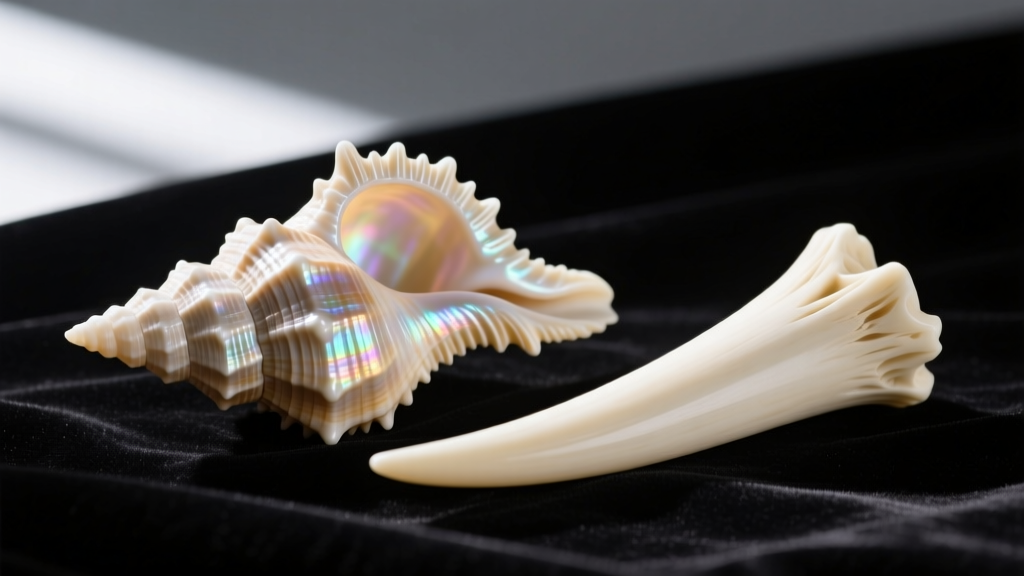
The Tactile and Visual Authentication Tests
To assess value, you must verify authenticity. The "tooth test" is a classic gemological trick: gently tapping genuine shell against your front teeth yields a sharp, glass-like "clink," whereas bone produces a dull thud, and resin feels soft. Additionally, genuine dentalium shells used in high-end earrings typically measure between 15mm and 45mm in length. If a pair of earrings features 60mm+ "shells" that are perfectly straight and blindingly white, you are likely looking at a synthetic or heavily bleached bone imitation, which drastically lowers the intrinsic value of the piece.
Pricing Tiers: What Should You Actually Pay?
When budgeting for dentalium earrings, it is crucial to align your expectations with the market's pricing tiers. The cost is driven by the authenticity of the shell, the complexity of the wirework, and the origin of the craftsmanship.
| Tier | Material & Shell Quality | Hardware & Findings | Price Range (USD) | Value Assessment |
|---|---|---|---|---|
| Budget / Fast Fashion | Bone, resin, or heavily bleached/fragile low-grade shell. | Base metal, nickel-plated brass, or mystery alloys. | $12 - $35 | Low long-term value. High risk of skin irritation and rapid material degradation. |
| Mid-Range / Artisan | Genuine, ethically harvested marine dentalium with natural taper. | 20g or 22g Sterling Silver, Gold-Filled, or Niobium. | $45 - $95 | Excellent everyday value. Durable, hypoallergenic, and visually authentic. |
| Heritage / Master Crafter | Premium matched genuine shells, often paired with turquoise, coral, or seed beads. | Hand-forged Sterling Silver, intricate wire-wrapping, French hooks. | $120 - $250+ | High investment value. Supports indigenous or master artisans; functions as wearable art. |
Hardware & Findings: The Hidden Cost Factor
A common mistake buyers make is ignoring the metal findings. A genuine dentalium shell threaded onto a cheap, nickel-laced base metal wire is a poor investment. According to jewelry manufacturing standards outlined by suppliers like Rio Grande Jewelry Supply, high-quality ear wires should be crafted from 20-gauge (0.81mm) or 22-gauge (0.64mm) wire. This thickness ensures the wire can support the weight of the shell and beadwork without bending, while still being comfortable for standard lobe piercings. Always look for stamped 925 sterling silver, 14k gold-filled, or anodized niobium (the gold standard for hyper-sensitive cartilage and lobe piercings).
Ethical Sourcing and Heritage Artisans
Value is not solely monetary; it encompasses ethical and cultural weight. Dentalium shells hold profound historical significance. As noted by the Canadian Museum of History, dentalium shells were a cornerstone of pre-contact trade networks across North America. Today, when purchasing dentalium earrings, buyers must navigate the complexities of cultural appropriation versus appreciation.
"When buying Native American jewelry, it is vital to ensure compliance with the Indian Arts and Crafts Act, which mandates that all products marketed as 'Indian-made' must be created by a member of a State or Federally recognized tribe or an Alaska Native artisan." — Indian Arts and Crafts Board
Purchasing from verified Indigenous artisans or reputable historical reproduction jewelers ensures your money supports traditional craftsmanship rather than overseas sweatshops that mass-produce culturally significant designs using synthetic materials. While an artisan-crafted pair may cost $150 compared to a $20 import, the ethical value, durability, and support of living heritage make the premium entirely justifiable.
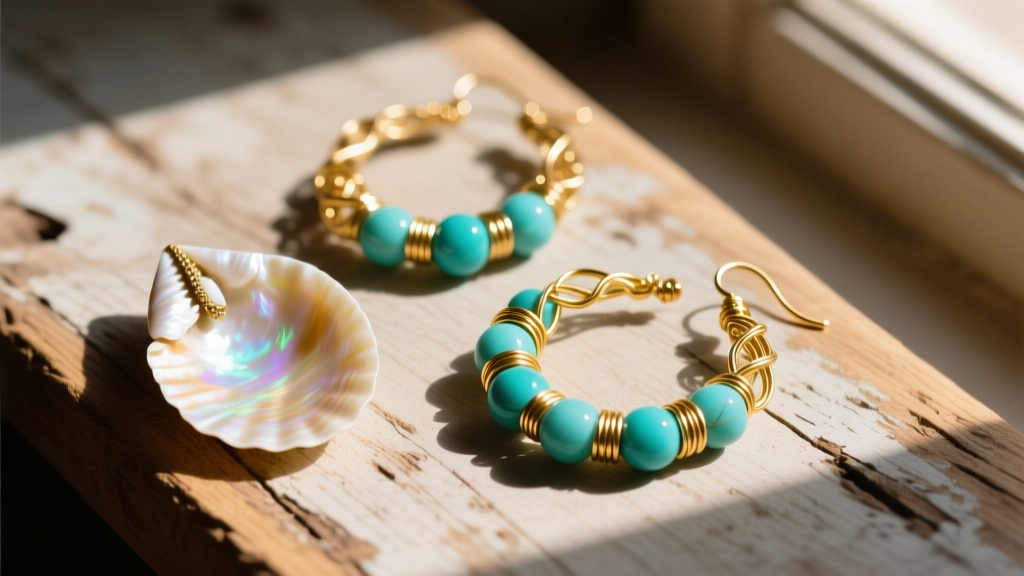
Troubleshooting Common Dentalium Earring Issues
Even high-value dentalium earrings can present unique challenges due to the organic nature of the material. Here is how to troubleshoot and assess potential flaws before finalizing a purchase:
- Uneven Hanging: Because genuine shells are naturally curved, a pair of dangles may not hang perfectly symmetrical. Master jewelers compensate for this by using flexible jump rings or wire-wrapping the top of the shell to allow it to swing freely and align with gravity. Rigidly glued shells that hang crookedly indicate poor craftsmanship.
- Micro-Cracking at the Drill Hole: Calcium carbonate is brittle. If the shell was drilled with a high-speed, uncooled bit, micro-fractures will radiate from the hole. Inspect the top and bottom drill holes under good lighting. Clean, smooth holes indicate slow, careful lapidary work; jagged edges mean the shell is prone to splitting under the weight of the earring.
- Discoloration: Genuine white dentalium should not have yellow or brown patches unless it is sold as "unbleached" or "natural antique." If a supposedly bright white shell has a chalky, matte finish, it has likely been acid-bleached, which weakens the structural integrity of the shell.
Care and Longevity: Protecting Your Investment
To ensure your dentalium earrings retain their financial and aesthetic value, proper care is non-negotiable. Calcium carbonate is highly reactive to acids. This means everyday exposures—such as citrus, vinegar, perfume, and even the natural lactic acid in your sweat—can slowly etch the surface of the shell, dulling its natural luster over time.
Maintenance Protocol:
- Apply First, Wear Last: Always put your dentalium earrings on after applying hairspray, perfume, and lotions.
- Post-Wear Wipe Down: After wearing, gently wipe the shells with a soft, slightly damp microfiber cloth to remove skin oils and environmental pollutants.
- Proper Storage: Store them in a soft pouch or a lined jewelry box. Because shells are harder than silver but softer than quartz, tossing them into a communal jewelry dish will result in the silver hardware scratching the shell, or harder gemstones (like turquoise or agate) chipping the delicate tips of the tusks.
Final Verdict: Are Dentalium Earrings Worth the Investment?
When approached with an educated eye, dentalium earrings offer exceptional value. They bridge the gap between organic, earthy aesthetics and refined jewelry design. By bypassing the budget tier of bone and resin imitations, and instead investing $50 to $150 in genuine, ethically sourced shells paired with hypoallergenic 20-gauge sterling silver or gold-filled hardware, you secure a piece of wearable history. The true value of dentalium earrings lies not just in their striking visual appeal, but in their durability, their cultural resonance, and the artisan craftsmanship required to transform a fragile marine tusk into a lasting piece of personal adornment.


