The Diamond Earring Box Guide: Storage, Security & Settings
Discover everything about the diamond earring box, from anti-tarnish storage materials to secure box settings. Protect your fine jewelry like a pro.

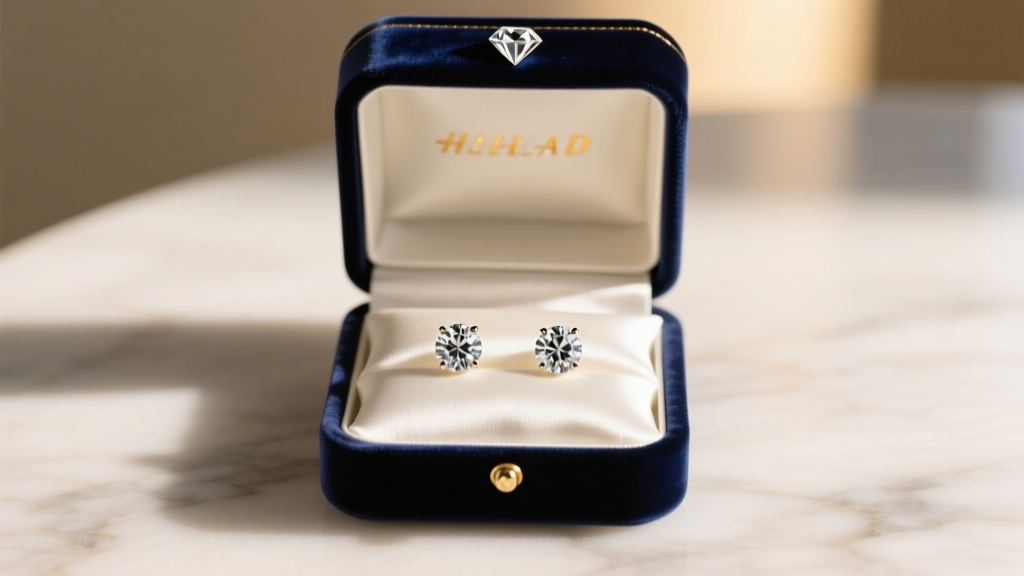
When beginners invest in fine jewelry, the focus is almost entirely on the 4Cs—cut, color, clarity, and carat. However, the moment the purchase is complete, a critical vulnerability emerges: how the jewelry is stored and protected. The term diamond earring box actually refers to two distinct concepts in the jewelry world. It can mean the physical storage vessel designed to protect your precious gems, or it can refer to the architectural 'box setting' (a square bezel) used to secure the diamond itself.
Whether you are trying to preserve the pristine polish of your 18k gold studs or looking for a secure setting for an active lifestyle, understanding both sides of the 'box' is essential. In this comprehensive guide, we break down the material science of jewelry storage, the mechanics of box settings, and the exact protocols you need to follow to keep your earrings flawless for decades.
Why the Right Diamond Earring Box Matters More Than You Think
The most common mistake beginners make is tossing their diamond earrings into a generic, multi-compartment jewelry box alongside silver bangles, steel watches, and other gemstones. This is a recipe for microscopic disaster.
Diamonds are the hardest natural material on earth, scoring a perfect 10 on the Mohs scale of mineral hardness. To put this in perspective, 14k and 18k gold score between 2.5 and 3, while platinum scores around 4 to 4.5. When a diamond rubs against precious metal in a shared storage space, the diamond acts like a microscopic piece of sandpaper. Over just a few months, this friction will scour the polish right off your gold settings, dulling the metal and potentially weakening the prongs that hold your diamond in place.
A high-quality, dedicated diamond earring box features individual, fabric-lined slots or pouches that isolate each earring. This prevents the diamonds from touching each other (which can cause chipping at the girdle) and stops them from scratching the precious metal mountings.
Decoding the 'Box': Storage Vessels vs. Earring Settings
Because the keyword 'diamond earring box' bridges two different jewelry concepts, let us clarify the terminology so you know exactly what to ask for when shopping.
1. The Physical Storage Box: Archival Materials
A premium storage box is not just about aesthetics; it is a controlled micro-environment. As of 2026, the best archival boxes utilize advanced anti-tarnish linings. Standard velvet or untreated flannel can actually trap moisture and accelerate the oxidation of silver or white gold alloys. Instead, look for boxes lined with Pacific Silvercloth or specially treated flannel that absorbs hydrogen sulfide and sulfur dioxide from the air—the primary culprits behind metal tarnish.
2. The Box Setting (Square Bezel): A Beginner's Guide
If you are shopping for the earrings themselves, a 'box setting' refers to a square or rectangular bezel that frames the diamond with four straight metal walls. Unlike a traditional prong setting that uses four to six metal claws, a box setting completely encloses the edges of the stone.
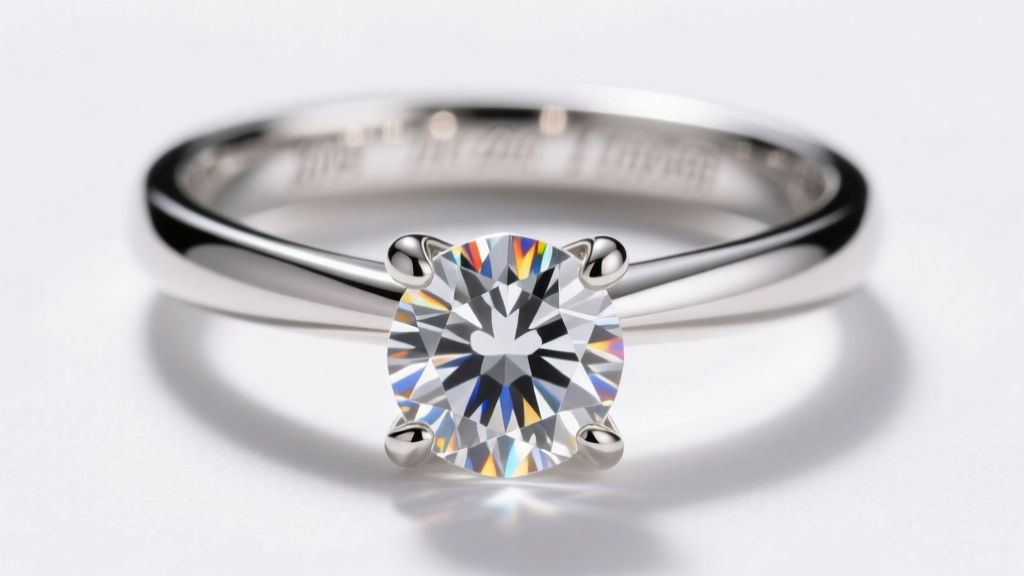
- Best For: Princess-cut, Asscher, and cushion-cut diamonds.
- Security Level: Exceptional. The metal walls protect the sharp, vulnerable corners of square diamonds from chipping upon impact.
- Light Performance: Because the sides are enclosed in metal, a box setting can slightly reduce light entry compared to an open prong setting. However, it offers a sleek, modern, geometric aesthetic that is highly sought after in contemporary jewelry design.
- Metal Weight: Box settings require more precious metal than prong settings, making them slightly heavier and more expensive to cast in 18k gold or platinum.
Material Science: What Happens Inside Your Earring Box?
Understanding the chemistry inside your storage box will help you make better purchasing decisions. Tarnish is not dirt; it is a chemical reaction. When the copper or silver alloys in your gold or white gold earrings react with sulfur compounds in the ambient air, they form a dark layer of silver sulfide or copper sulfate.
According to the Jewelers of America, proper storage is the first line of defense against this chemical degradation. Below is a comparison of common lining materials found in diamond earring boxes.
| Lining Material | Tarnish Protection | Scratch Resistance | Best Use Case |
|---|---|---|---|
| Standard Velvet | Low (Traps moisture) | High | Short-term retail display |
| Untreated Flannel | None | Medium | Travel (if paired with zip-bags) |
| Treated Anti-Tarnish Cloth | Exceptional (Absorbs sulfur) | High | Long-term archival storage |
| Silk Pillow Insert | Low | Very High (Frictionless) | Displaying high-polish platinum |
Step-by-Step: How to Pack and Store Diamond Earrings Safely
Simply placing your earrings in a nice box is not enough. If you seal skin oils, lotions, and environmental grime inside an airtight box, you create an incubator for bacterial growth and localized corrosion. Follow this exact protocol before closing the lid of your diamond earring box.
- The Cleaning Phase: Mix a few drops of mild, ammonia-free dish soap in lukewarm water. Soak the earrings for 15 minutes. Gently brush the back of the diamond (the pavilion) with a soft baby toothbrush to remove sebum and dead skin cells that block light return.
- The Ultrasonic Warning: While ultrasonic cleaners are great for plain diamond studs, never use them if your diamonds are fracture-filled or clarity-enhanced. The high-frequency vibrations can shatter the glass-like resin used to fill internal fissures.
- The Drying Phase: Pat dry with a lint-free microfiber cloth. Ensure the crevices where the post meets the setting are completely dry to prevent moisture trapping.
- The Securing Phase: Always fasten the earring backs (butterfly clasps or screw-backs) before placing them in the box. Loose backs are the number one cause of lost earrings in storage, as they slip through fabric seams and vanish into the box's wooden sub-structure.
Expert Troubleshooting: Common Storage Mistakes
Even seasoned collectors make errors when managing their jewelry inventory. Here are three specific failure modes to watch out for:
Prong Snagging on Fabric Linings
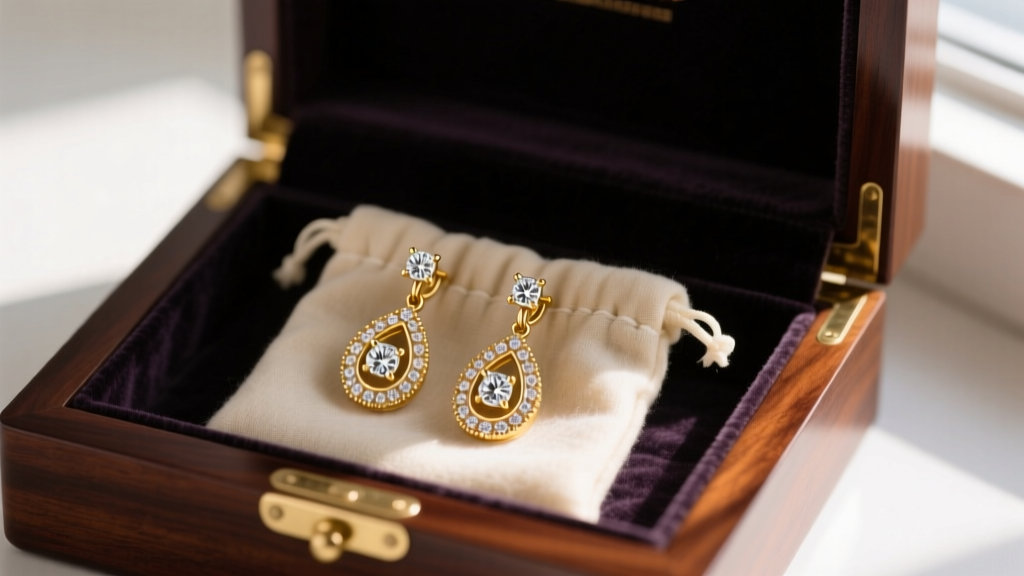
If you own diamond dangle earrings or drop earrings with intricate milgrain detailing or high-set prongs, they can easily snag on the woven threads of cheap velvet linings. Over time, pulling the earring free can bend the prongs, compromising the security of the diamond. The Fix: Use a box with a smooth, woven silk interior or store prong-heavy drops in individual, non-woven polyethylene pouches before placing them in the box.
The 'Tension' Post Bend
When forcing a pair of long drop earrings into a shallow diamond earring box, the pressure from the closed lid can bend the metal posts. A bent post is difficult to insert through the earlobe and can snap if repeatedly bent back and forth. The Fix: Ensure your storage box has a minimum interior clearance of 1.5 inches (approx. 38mm) to accommodate drop earrings without applying downward pressure.
Ignoring the Hinge and Clasp
The physical box itself requires maintenance. The brass hinges on wooden jewelry boxes can oxidize and seize up if exposed to high humidity environments (like a master bathroom). Store your diamond earring box in a climate-controlled bedroom or closet, maintaining a relative humidity level between 40% and 50%.
Pro Tip: If you are gifting a pair of diamond earrings, the presentation box is part of the experience. However, advise the recipient to transfer the earrings to a dedicated, anti-tarnish home storage system for daily wear, and keep the original retail box strictly for long-term safekeeping, appraisals, or future resale.
Ultimately, whether you are evaluating the structural integrity of a geometric box setting or investing in an archival-grade storage vessel, paying attention to the 'box' ensures your diamonds remain as brilliant and secure as the day they were cut. Treat your jewelry with the precision it deserves, and it will easily outlast a lifetime.


