Are Diamond Earrings in Box Worth It? 2026 Value Guide
Evaluate the true cost of diamond earrings in box sets. Our 2026 guide breaks down markups, diamond grades, and hardware quality for smart buyers.

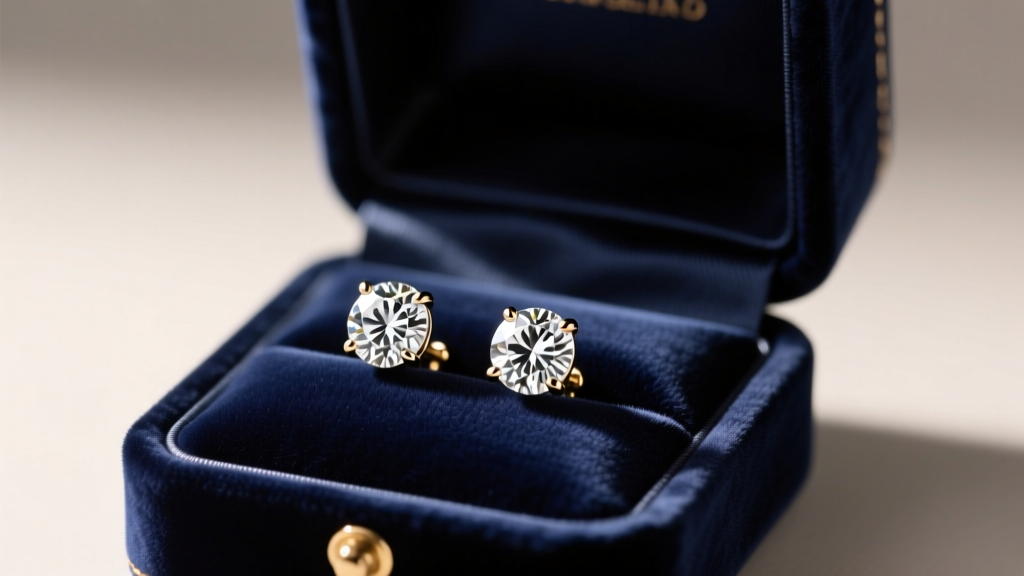
The 'Diamond Earrings in Box' Phenomenon: Convenience vs. Cost
Walk into any major department store or mall jeweler, and you will immediately spot them: velvet or leatherette boxes displaying pre-selected, pre-mounted diamond studs. The appeal of buying diamond earrings in box sets is undeniable. They offer instant gratification, elegant gift-ready packaging, and the illusion of a curated, premium purchase. However, from a strict budget and value assessment perspective, the convenience of a pre-boxed pair often masks severe compromises in diamond quality, hardware durability, and overall pricing transparency.
As we navigate the 2026 jewelry market, the price gap between commercial 'boxed' studs and ethically sourced, certified loose diamonds has widened. Retailers rely on the untrained eye to assess sparkle, using aggressive store lighting to mask poor cut grades and heavy color tinting. To make a financially sound decision, buyers must look past the velvet packaging and deconstruct the actual assets they are purchasing.
Deconstructing the Markup: What You Actually Pay For
When you purchase pre-packaged diamond studs, you are paying for three distinct elements: the melee diamonds, the precious metal hardware, and the retail overhead (the 'box' experience). Commercial boxed earrings typically feature 'promotional grade' diamonds. These are stones that have been rejected for high-end jewelry due to heavy inclusions (I1-I2 clarity), noticeable body color (J-M color), or poor light return (Fair to Poor cut grades).
To understand the true financial impact, compare the retail pricing of a standard 1.00 Carat Total Weight (CTW) boxed set against specialized market alternatives.
| Feature | Mall 'In Box' Studs | Specialized Online Retailer | Custom Local Jeweler |
|---|---|---|---|
| Average Retail Markup | 150% - 300% | 15% - 30% | 40% - 80% |
| Certification | In-house / None | GIA / AGS | GIA / AGS |
| Post Thickness | 0.7mm - 0.8mm | 0.9mm - 1.0mm | 1.0mm+ |
| Cut Quality | Commercial / Fair | Excellent / Ideal | Excellent / Ideal |
| Est. Price (1.00 ctw, 14k) | $2,400 - $3,800 | $1,100 - $1,600 | $1,800 - $2,500 |
The data reveals a stark reality: the 'convenience premium' on boxed earrings can inflate the price by up to 300%. You are effectively subsidizing the retailer's physical footprint, inventory holding costs, and the decorative box itself.
The Certification Trap: Why 'In-Store Appraisals' Fall Short
One of the most critical failure modes in buying boxed diamond jewelry is the reliance on in-store certificates of authenticity or replacement appraisals. These documents are not grading reports. According to the FTC Jewelry Guides, retailers must be careful not to misrepresent diamond grades, yet many in-house documents use vague, inflated terminology like 'Fine Commercial' or 'Exceptional Sparkle' instead of standardized gemological metrics.
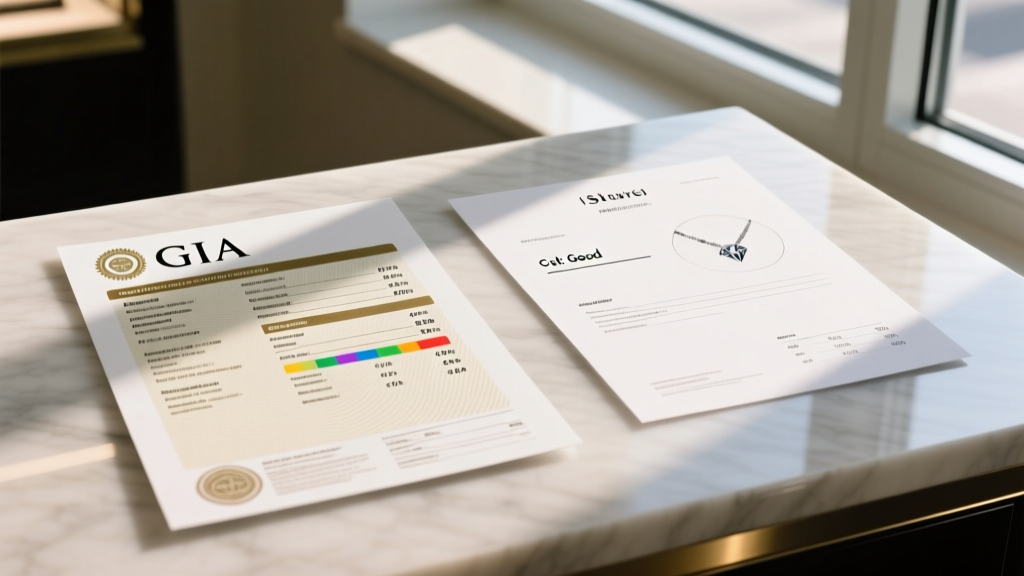
A genuine grading report from a top-tier laboratory like the Gemological Institute of America (GIA) evaluates the 4Cs of Diamond Quality with scientific precision. Boxed earrings rarely come with GIA reports because the cost of grading ($80-$150 per stone) would obliterate the profit margins on commercial-grade diamonds. Furthermore, a GIA report would expose the 'fisheye effect' or severe light extinction caused by the deep pavilions often found in boxed studs—cutters leave extra weight on the bottom of the stone to hit the '1.00 carat' threshold, sacrificing the brilliance that makes a diamond valuable.
Assessing the Hardware: Posts, Backings, and Hidden Flaws
The value assessment of diamond earrings extends beyond the stones to the structural integrity of the settings. Boxed earrings are notorious for utilizing ultra-lightweight hardware to keep gold costs down. This leads to a high rate of mechanical failure, lost earrings, and bent posts.
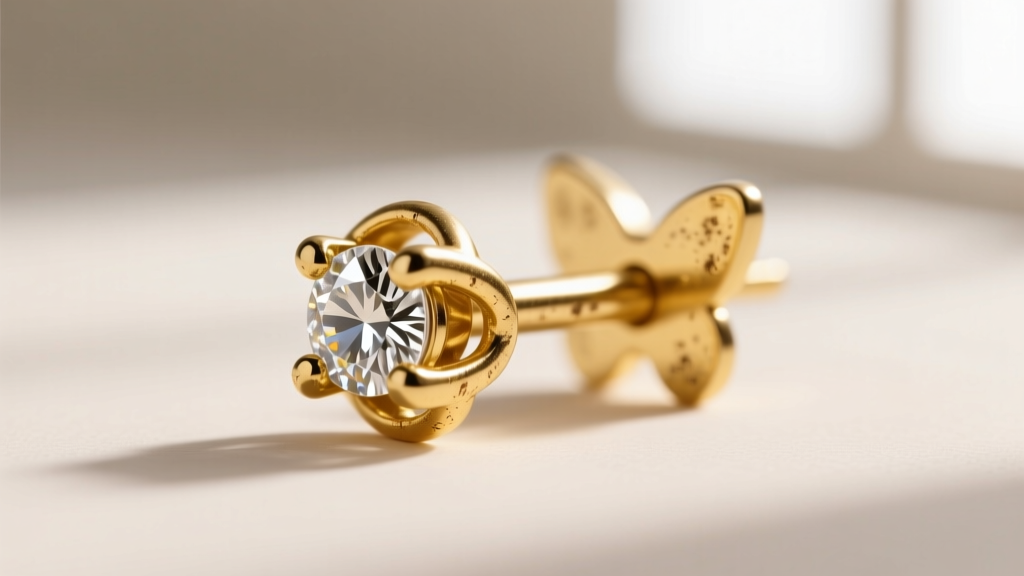
When evaluating the physical build of a boxed pair, inspect the following specifications:
- Post Diameter: Standard boxed earrings use 0.7mm to 0.8mm posts. A 0.50ct diamond weighs roughly 0.1 grams; while light, the leverage applied when putting on a jacket or brushing hair will easily bend a 0.7mm 14k gold post. High-value settings utilize 0.9mm to 1.0mm posts for rigid support.
- Friction Backs vs. Screw Backs: Boxed sets almost exclusively feature lightweight 3mm friction backs (butterfly clasps). Over time, the tension loops stretch out, leading to lost diamonds. Premium setups offer heavy 6mm friction backs or threaded screw-backs, which require a thicker, precisely machined post.
- Prong Weight: Inspect the prongs under a loupe. Commercial settings use 'micro-prongs' that are barely thick enough to secure the girdle of the diamond. After two years of daily wear, these prongs shear off or lift, risking the stone.
A Buyer’s Framework for Evaluating Boxed Diamond Studs
If you are in a time crunch and must purchase a pair of diamond earrings in box sets, use this strict evaluation framework to ensure you are not overpaying for subpar assets:
- Demand the Exact CTW: Look at the tag. Does it say '1.00 CTW' or '1.00 ct. TW'? The FTC allows a tolerance on fractional weights. A box labeled '1.00 carat total weight' might legally contain 0.92 ctw. Always ask the jeweler for the exact point weight on the invoice.
- Perform the Line Test: Place the earrings face down on a piece of paper with a sharp black line drawn on it. If you can clearly see the black line through the pavilion of the diamond, the cut is too shallow, and light is leaking out the bottom. Walk away.
- Check the Girdle Thickness: Use a 10x jeweler's loupe. If the girdle (the outer edge of the diamond) is extremely thin, it is highly susceptible to chipping when the jeweler pushes the lightweight prongs over it during manufacturing.
- Negotiate the 'Box' Price: Ask the jeweler to price the earrings without the premium presentation packaging, or ask for an upgrade to screw-backs and a thicker post as part of the negotiation. If they refuse, the margin is purely in the marketing, not the metal.
Final Verdict: When to Buy Boxed and When to Walk Away
The 'diamond earrings in box' model is designed for the gift-giver who values presentation and immediacy over long-term asset retention and optical performance. If your budget is strictly under $800 and you need a gift today, a boxed pair from a reputable department store may serve its purpose, provided you understand you are buying commercial-grade melee with lightweight hardware.
However, if you are investing $1,500 or more, the boxed model represents a poor allocation of capital. By shifting your purchase to a specialized online retailer or a custom bench jeweler, you can secure GIA-certified stones with Excellent cut grades, 1.0mm structural posts, and secure screw-backings—ultimately yielding a pair of earrings that sparkles brilliantly, survives daily wear, and retains genuine secondary market value. Always prioritize the gemological data and structural engineering over the velvet box it comes in.


