Recreating the Painting of the Woman with Pearl Earring: Style Guide
Learn to source, size, and safely wear heavy pearl drops inspired by the painting of the woman with pearl earring with our expert step-by-step style guide.

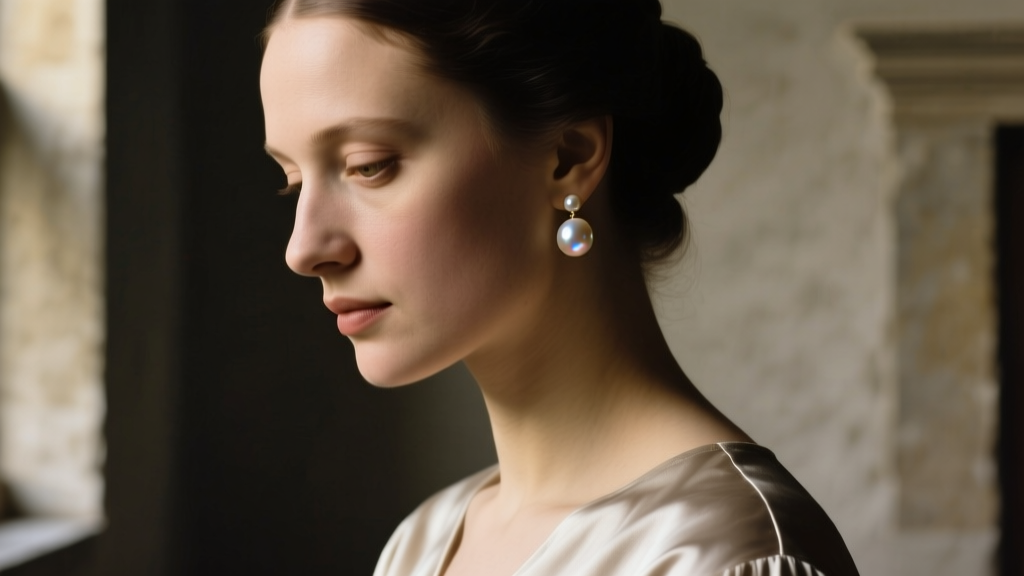
The Allure and Anatomy of Vermeer's Masterpiece
Often referred to in popular searches as the painting of the woman with pearl earring, Johannes Vermeer’s 17th-century masterpiece (officially titled Girl with a Pearl Earring) remains one of the most compelling studies of light, shadow, and jewelry in art history. Housed at the Mauritshuis museum, the artwork captivates viewers not just through the subject's enigmatic gaze, but through the sheer physics and luminescence of the oversized pearl resting against her jawline.
From a gemological and stylistic perspective, recreating this iconic look in 2026 requires more than simply buying any white bead. The earring in the painting is estimated by jewelry historians to be at least 12mm to 14mm in diameter. A natural pearl of this size would have been astronomically rare and heavy in the 1600s. Today, achieving this exact silhouette requires a deep understanding of pearl grading, hardware engineering, and earlobe weight management. This step-by-step guide will walk you through sourcing, setting, and safely wearing a statement pearl drop that perfectly mirrors the painting's iconic aesthetic.
Step 1: Sizing and Sourcing the Perfect Sphere
The defining characteristic of the painting of the woman with pearl earring is the massive scale of the gem relative to the subject's face. To replicate this, you must source a spherical drop measuring between 13mm and 15mm. According to the Gemological Institute of America (GIA), luster and surface quality are paramount when dealing with large surface areas, as flaws become exponentially more visible on larger pearls.
In 2026, you have several material options to achieve this look, ranging from investment-grade natural gems to high-tech simulated alternatives. Below is a breakdown of the best materials for this specific historical recreation:
| Material Type | Weight (14mm) | 2026 Price Range | Visual Accuracy |
|---|---|---|---|
| White South Sea Pearl | ~4.8 grams | $1,800 - $5,000+ | Exceptional (Deep, satiny luster) |
| Edison Freshwater Pearl | ~4.2 grams | $60 - $250 | High (Bright, mirror-like luster) |
| Majorica Simulated Pearl | ~3.5 grams | $120 - $300 | Moderate (Perfect surface, uniform shine) |
| High-Grade Glass/Crystal | ~6.0 grams | $15 - $45 | Low (Too reflective, lacks pearl orient) |
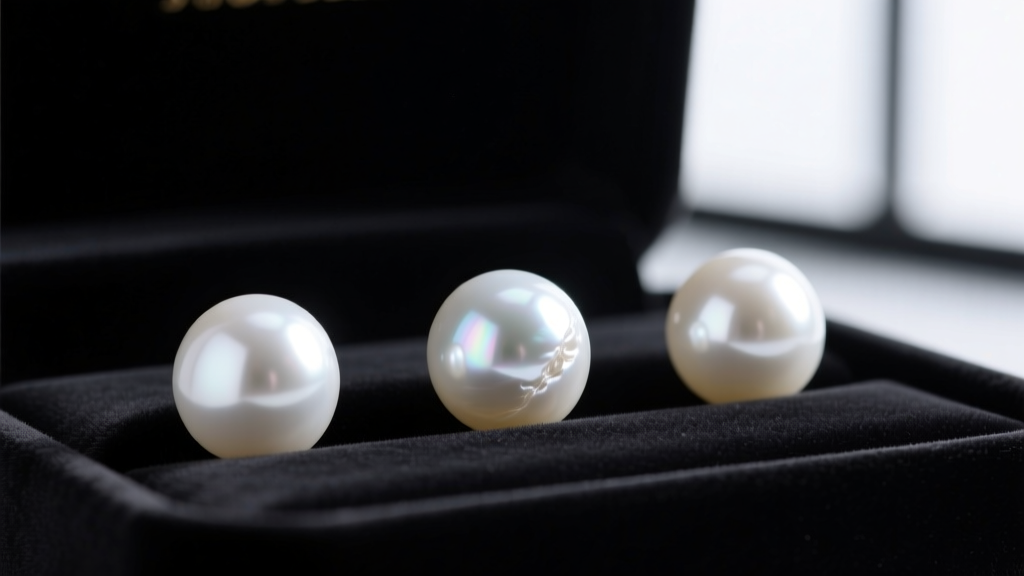
Pro-Tip: Chasing the "Orient"
Vermeer masterfully painted the orient—the iridescent play of colors that seems to glow from just beneath the surface of a high-quality pearl. When sourcing your Edison or South Sea pearl, look for a specimen with a subtle rosé or silver overtone rather than a flat, chalky white. This internal glow is what catches the directional window light in the painting.
Step 2: Engineering the Hardware for Heavy Drops
A 14mm solid pearl is heavy. If mounted on flimsy wire, the earring will droop, pointing the pearl backward toward the neck rather than letting it hang perfectly perpendicular to catch the light. The hardware must be engineered to support 4+ grams of downward force without warping.
Wire Gauge and Setting Selection
- 18-Gauge (1.0mm) Wire: This is the minimum thickness required for a 14mm pearl drop. Standard 20-gauge (0.8mm) wire will bend under the pearl's weight, ruining the silhouette.
- Leverback or French Wire with a Tension Coil: Because an 18-gauge wire might be slightly thick for a standard 20-gauge earlobe piercing, opt for a leverback setting that features a tapered post. Alternatively, use a French shepherd's hook with a silicone tension stopper to prevent the heavy pearl from slipping out if the wire shifts.
- The Bail (Cap): The painting shows a simple, unadorned pearl. Avoid heavily jeweled or diamond-encrusted caps. Look for a minimal, polished 14k or 18k gold bell cap or peg-and-cup setting that hides the drill hole while adding minimal visual weight.
Step 3: Earlobe Support and Weight Distribution
The human auricular lobule (earlobe) is composed of areolar connective tissue and lacks cartilage. Wearing 5-gram earrings for extended periods can cause collagen degradation, leading to permanent lobe stretching and sagging. To wear the heavy drops required to mimic the painting of the woman with pearl earring comfortably and safely, you must use structural support.
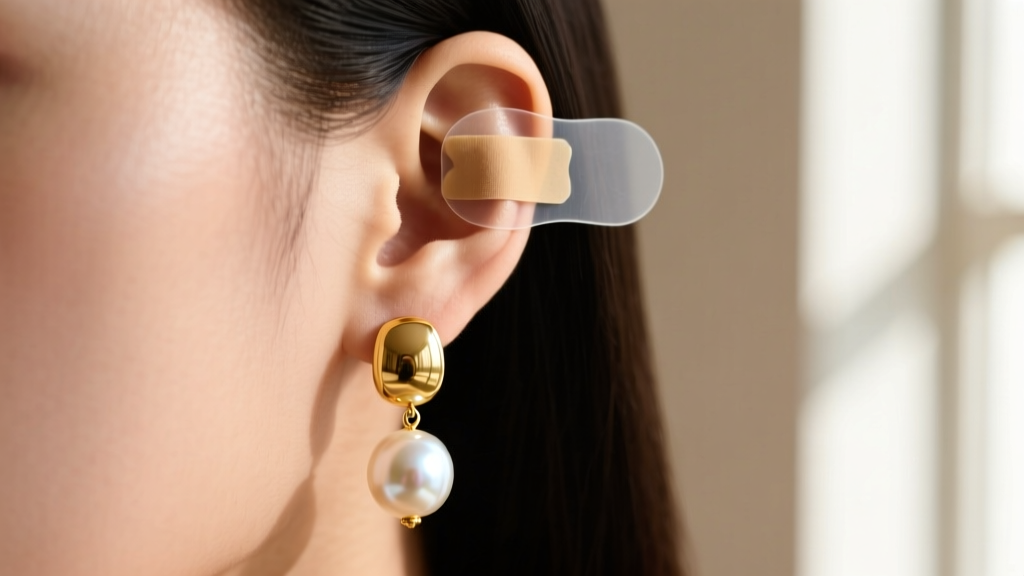
Step-by-Step Earlobe Support Application
- Cleanse the Area: Wipe the front and back of your earlobe with an alcohol prep pad to remove natural oils. Allow it to dry completely.
- Apply the Support Patch: Peel the backing off a medical-grade silicone earlobe support patch (brands like BlingDots or generic hypoallergenic foam patches work best). Place it on the back of your earlobe, aligning the slit with your piercing hole.
- Insert the Earring: Push the 18-gauge leverback post through the piercing and the patch simultaneously. The patch will act as a wide, shock-absorbing washer, distributing the 4.8-gram weight across a 15mm surface area rather than concentrating it on the 1mm piercing hole.
- Secure the Backing: Fasten the earring closure. The silicone patch will grip the metal, preventing the heavy pearl from swinging wildly or drooping forward.
Step 4: Lighting, Luster, and Final Styling
The magic of the painting of the woman with pearl earring lies entirely in its lighting. The pearl acts as a secondary light source, reflecting the environment around it. To style this look for a modern event, portrait session, or evening gala, you must consider your environment's light sources.
Styling for Maximum Luminescence
Unlike faceted diamonds that require direct, pinpoint light to sparkle, pearls require broad, diffused light to display their luster. When wearing your 14mm pearl drop, position yourself near large windows, softbox lighting, or diffused architectural lighting. Avoid harsh, direct spotlights, which will blow out the pearl's highlight, turning it into a flat white circle in photographs.
Stylist's Note: To truly capture the Vermeer aesthetic, pull your hair back into a tight, low chignon or wrap. The subject's hair is tucked away beneath a turban, ensuring that the jawline, the collarbone, and the pearl remain the undisputed focal points of the composition. Avoid wearing competing necklaces; a bare décolletage allows the pearl's reflection to bounce softly against the skin.
Troubleshooting Common Heavy Earring Issues
Even with the right hardware and support, recreating historical jewelry comes with modern physical challenges. Here is how to troubleshoot the most common issues when wearing oversized pearl drops:
- The Pearl Swings Forward: If the pearl rests against your neck rather than hanging straight down, your pearl cap is too heavy, or your wire is too thin. Switch to a lighter peg-setting and a thicker 16-gauge custom wire.
- Redness or Irritation: Heavy earrings can cause micro-tears in the fistula (piercing channel). If you experience tenderness, downsize to a 12mm Edison pearl for daily wear, and reserve the 14mm+ South Sea or glass replicas strictly for short-term events.
- Dull Appearance in Photos: If your pearl looks like plastic on camera, the surface is too perfect (indicating glass or shell-coated beads) or lacks nacre thickness. Always verify the nacre thickness via X-ray or optical coherence tomography (OCT) reports when investing in high-end South Sea pearls.
Conclusion
Recreating the iconic look from the painting of the woman with pearl earring is a masterclass in balancing gemology, physics, and styling. By carefully selecting a 13mm to 15mm pearl with high orient, engineering the hardware with 18-gauge wire, and utilizing medical-grade earlobe support patches, you can safely wear this heavy, historical silhouette. Whether you opt for a luxurious South Sea gem or a highly reflective Edison freshwater pearl, understanding the mechanics of the drop ensures that your jewelry catches the light—and the room's attention—exactly as Vermeer intended.


