Divas Dream Earrings: Material & Stone Comparison Guide
Compare the stones and metals in Bvlgari Divas Dream earrings. Discover hardness, care tips, and pricing for mother of pearl, malachite, and onyx.

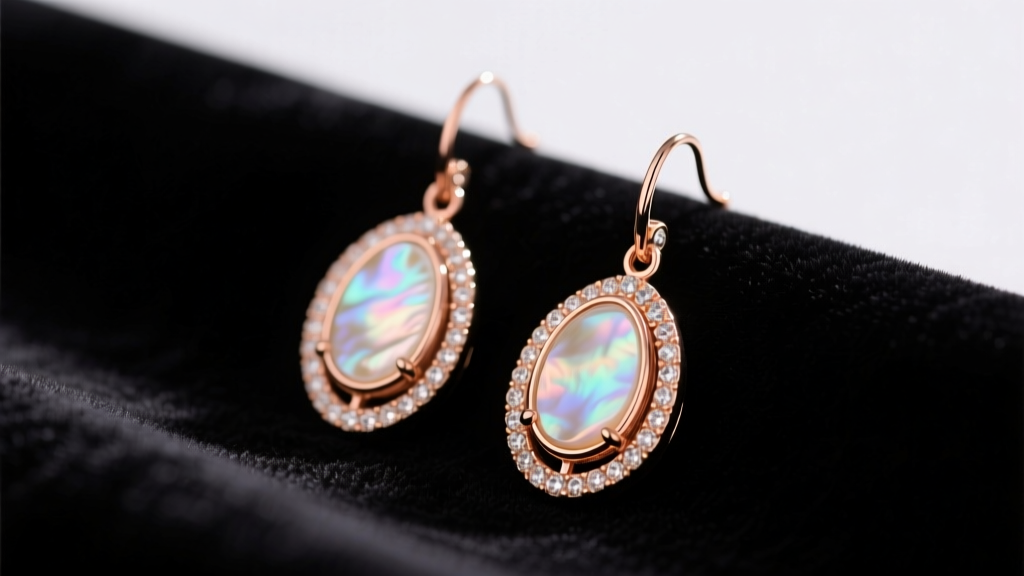
Bvlgari’s Divas’ Dream collection is an unmistakable icon in the luxury jewelry sector, drawing its signature fan motif from the mosaics of the Roman Caracalla Baths. While the silhouette remains constant, the material composition of Divas Dream earrings varies wildly, fundamentally altering their durability, weight, maintenance requirements, and secondary market value. As we navigate the 2026 luxury landscape, understanding the gemological and metallurgical properties of these earrings is critical for both prospective buyers and seasoned collectors.
This comprehensive material analysis dissects the specific alloys, inlay stones, and structural mechanics that define the Divas Dream earring lineup, providing a data-driven framework for your next acquisition.
The Architectural Foundation: 18k Gold Alloys and Post Mechanics
The structural integrity of any luxury earring begins with its metalwork. Bvlgari exclusively utilizes 18k gold (stamped 750) for the Divas Dream line, meaning the alloy consists of 75% pure gold and 25% trace metals. However, the specific trace metals drastically change the material properties:
- 18k Yellow Gold: Alloyed with roughly equal parts silver and copper. It offers the highest resistance to tarnishing among the three colors and requires the least amount of long-term maintenance.
- 18k Rose Gold: Achieves its pink hue through a higher copper content (often up to 20% copper, 5% silver). While beautiful, individuals with severe copper or nickel sensitivities may experience contact dermatitis on the ear post, though this is rare in high-purity luxury alloys.
- 18k White Gold: Alloyed with palladium or nickel and plated with rhodium. The rhodium plating provides a stark, mirror-like finish but is subject to friction wear. On earring posts and clutch backs, this plating can wear away within 12 to 18 months of daily use, revealing the slightly yellowish underlying alloy and requiring professional re-plating.
From a mechanical standpoint, the ear posts on Divas Dream studs and drops are typically forged at 18-gauge (1.02mm) or 19-gauge (0.91mm). This is slightly thicker than standard commercial earrings (usually 20g or 22g) to withstand the torque and shear stress exerted by the weighted fan motifs.
Gemological Breakdown: Inlay Stones and the Mohs Scale
The true differentiator in the Divas Dream collection is the inlay material. Bvlgari masterfully cuts and sets thin veneers of gemstones into the gold fan recesses. According to the Gemological Institute of America (GIA), these materials span vastly different hardness and stability ratings.
Mother of Pearl: The Organic Luminary
Mother of Pearl (MOP) is an organic gemstone composed of calcium carbonate (CaCO3) secreted by mollusks. It ranks between 2.5 and 4.5 on the Mohs hardness scale. Its iridescent nacre layer is highly prized for its soft, glowing luster, but it is inherently porous. MOP is highly vulnerable to acidic environments; even the natural pH of human sweat, or the alcohol in aerosol hairsprays and perfumes, can etch the surface, leading to a permanent loss of luster over time.
Malachite: The Vibrant but Fragile Copper Carbonate
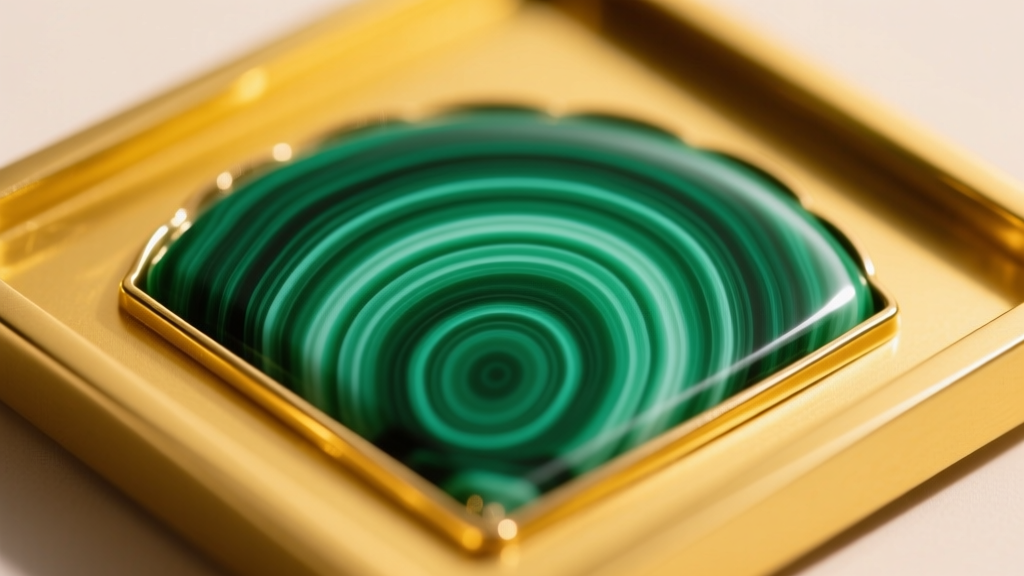
Malachite is a striking green mineral composed of copper carbonate hydroxide. With a Mohs hardness of 3.5 to 4.0, it is exceptionally soft for a jewelry inlay. The GIA notes that malachite is highly sensitive to heat, acids, and even prolonged exposure to hot water. In the context of Divas Dream earrings, malachite inlays are sealed with a specialized resin or wax by the lapidary to protect the concentric banding, but this sealant degrades over years of wear, requiring professional re-polishing and re-sealing by Bvlgari artisans.
Onyx and Carnelian: The Quartz Powerhouses
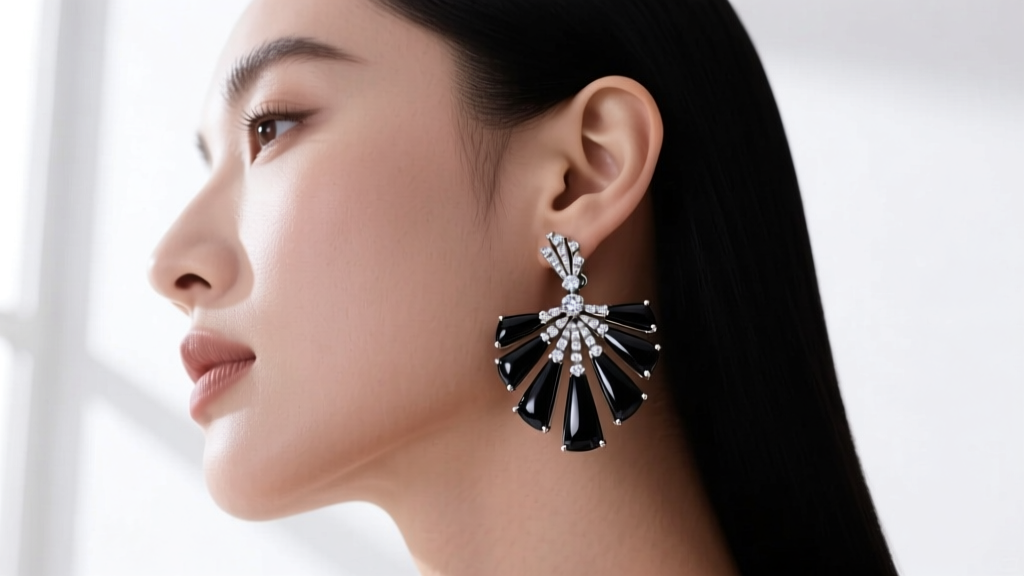
For clients seeking daily-wear durability, black onyx and orange-red carnelian are the superior choices. Both are varieties of cryptocrystalline quartz (chalcedony), boasting a Mohs hardness of 6.5 to 7.0. Unlike MOP and malachite, quartz-based inlays are non-porous, highly resistant to chemical degradation from cosmetics, and can withstand minor impacts without chipping. Onyx provides a sleek, modern contrast against white gold, while carnelian offers a warm, vintage aesthetic in yellow gold settings.
Comparative Matrix: Durability, Care, and Market Positioning
The table below synthesizes the physical properties and 2026 market realities of the primary Divas Dream inlay materials, using the standard Mother of Pearl 18k Gold Drop Earring as the baseline index.
| Inlay Material | Mohs Hardness | Chemical Vulnerability | Ultrasonic Safe? | 2026 Est. Price Premium |
|---|---|---|---|---|
| Mother of Pearl | 2.5 - 4.5 | High (Acids, Perfume) | No | Baseline (Entry Tier) |
| Malachite | 3.5 - 4.0 | Extreme (Heat, Acids) | No | +15% to +25% |
| Carnelian | 6.5 - 7.0 | Low | Yes | +10% to +15% |
| Black Onyx | 6.5 - 7.0 | Low | Yes | +10% to +20% |
| Full Pavé Diamonds | 10.0 | None (Metal prongs only) | Yes | +300% to +500% |
Biomechanics of the Earlobe: Weight Distribution and Droop Prevention
A frequently overlooked aspect of material selection is how the density of the inlay stone affects the earring's center of gravity. The Divas Dream drop earrings feature an articulated "V" hinge connecting the top stud to the dangling fan.
Quartz stones like onyx and carnelian are significantly denser than the organic, lightweight calcium carbonate of mother of pearl. Consequently, onyx drop earrings possess a higher moment of inertia. When worn on softer or stretched earlobes, the heavier stone inlays can cause the fan motif to tilt forward, resting against the neck rather than dangling flush against the jawline.
Expert Troubleshooting: To counteract the "forward droop" common with heavier stone variants, luxury stylists recommend utilizing invisible earlobe support patches (such as those from Chrysmila or Bling). These medical-grade adhesive backings reinforce the earlobe tissue, providing the necessary rigidity to keep the 18-gauge post perfectly vertical, allowing the articulated fan to swing freely as designed.
Long-Term Maintenance: Combating Porosity and Chemical Degradation
Caring for Divas Dream earrings requires a strict adherence to material-specific protocols. The most common mistake owners make is utilizing ultrasonic jewelry cleaners. While ultrasonic waves are excellent for dislodging sebum and dirt from diamond pavé settings, the high-frequency vibrations will cause microscopic fracturing in mother of pearl, and the heat generated in the fluid bath can permanently alter the chemical structure of malachite, turning its vibrant green bands into a dull, muddy brown.
For organic and copper-based inlays (MOP, Malachite, Lapis Lazuli), the only approved cleaning method is a gentle wipe with a dry, untreated microfiber cloth. If deeper cleaning is required, a slightly damp cloth with distilled water (never tap water, which contains chlorine and fluorides) should be used, followed immediately by thorough drying. Furthermore, these earrings must be the "last on, first off" when dressing, ensuring they never come into contact with setting sprays, perfumes, or lotions.
Authentication Markers in the Secondary Market
As the secondary market for luxury jewelry continues to expand in 2026, verifying the authenticity of Divas Dream earrings is paramount. Counterfeiters often use dyed howlite to mimic malachite, or glass-backed resin to imitate mother of pearl.
Authentic Bvlgari pieces feature laser-inscribed serial numbers and the "BVLGARI" hallmark on the flat backplate of the fan or directly on the ear post clutch. The metalwork should bear the Italian maker's mark and the 750 stamp for 18k gold. Additionally, genuine stone inlays are cut from solid veneers and seated flush within the gold bezel using a specialized, invisible epoxy; if you can see a thick line of glue, or if the inlay sits proud of the metal rim, the piece is highly suspect. For definitive verification, consulting a certified gemologist who can perform a non-destructive refractive index test on the inlay material is always recommended.


