Ultimate Guide to DIY Christmas Earrings: Materials & Sourcing
Discover what to look for when sourcing components for DIY Christmas earrings. Learn about hypoallergenic metals, gauge sizes, and premium festive charms.

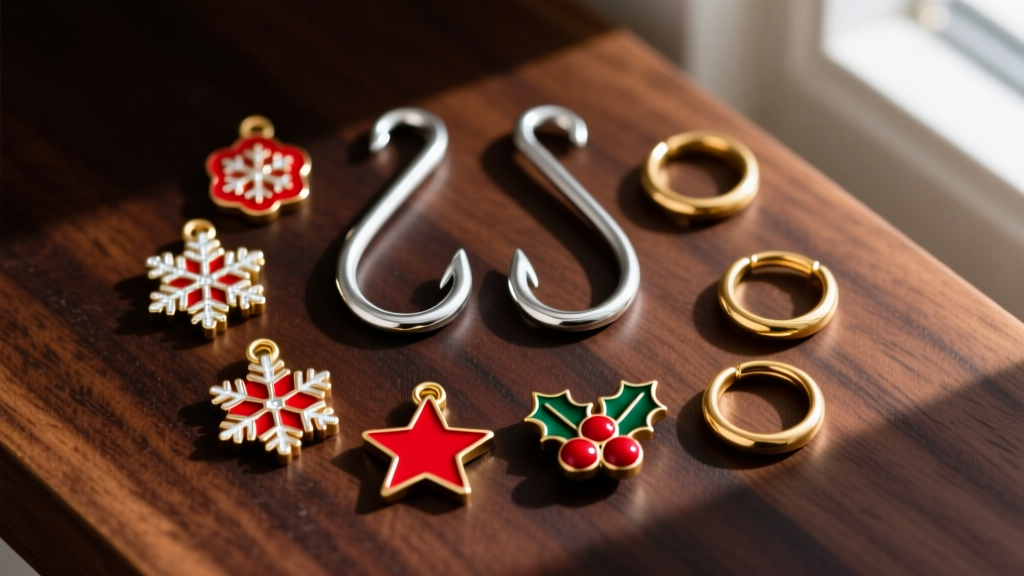
As the 2026 holiday season approaches, the demand for personalized, handcrafted jewelry continues to surge. Creating DIY Christmas earrings is no longer just a fun weekend craft; it has evolved into a sophisticated avenue for bespoke gifting and even small-batch retail. However, the line between 'handmade chic' and 'cheap craft fair' lies entirely in the quality of your sourced components. Whether you are designing delicate winter snowflake drops or bold, festive enameled studs, understanding the metallurgy, gauge specifications, and material grades of your supplies is critical. This comprehensive buying guide breaks down exactly what to look for when sourcing components for your holiday earring projects, ensuring your creations are durable, hypoallergenic, and visually stunning.
Why Material Quality Matters in Holiday Jewelry
When crafting earrings for gifting, you have zero control over the recipient's skin sensitivities. The most common culprit for jewelry-related contact dermatitis is nickel, which is frequently used as a hardening agent in cheap base-metal alloys. According to the American Academy of Dermatology, nickel allergy is one of the most prevalent causes of allergic contact dermatitis worldwide. Buying bulk 'mystery metal' earring hooks from unverified overseas marketplaces is a massive risk. If your DIY Christmas earrings cause an itchy, red rash on Christmas morning, the aesthetic appeal of the design is instantly negated.
To avoid this, you must source findings made from verified hypoallergenic materials. Grade 23 Titanium (Ti-6Al-4V ELI) and Niobium are the gold standards for sensitive ears. Niobium is a highly reactive elemental metal that is entirely nickel-free and can be anodized into vibrant holiday colors like deep ruby red and emerald green without the use of toxic dyes or platings that might chip over time.
Essential Earring Findings: Gauges, Metals, and Pricing
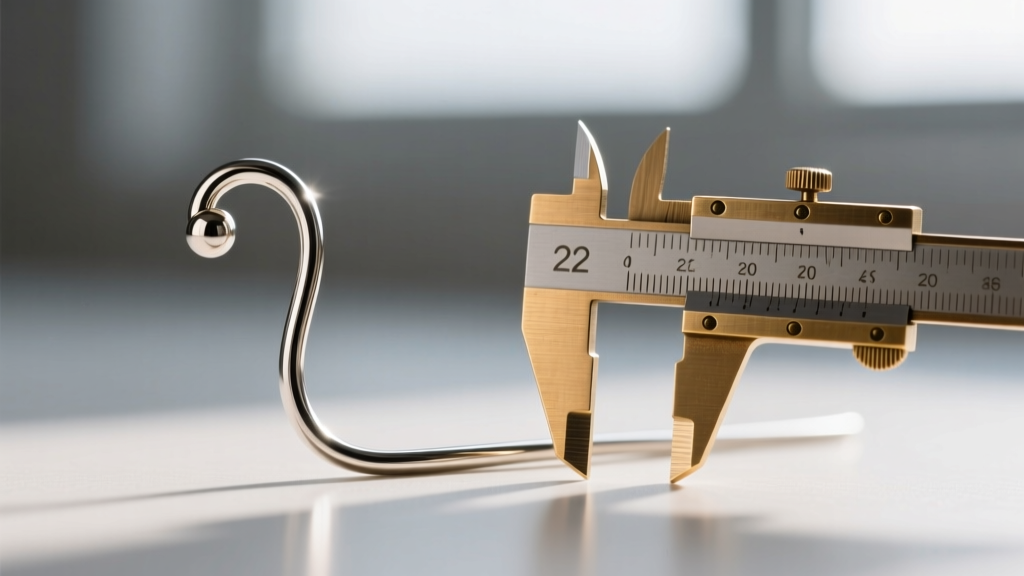
The structural integrity of your DIY Christmas earrings depends heavily on the gauge (thickness) of your ear wires and posts. The standard gauge for lobe earrings is 20-gauge (0.81mm), which offers a perfect balance of strength and comfort. However, if you are designing intricate, lightweight filigree snowflakes, stepping down to a 22-gauge (0.64mm) wire reduces the overall weight, preventing the earring from drooping forward.
Below is a sourcing comparison chart to help you budget and select the right findings for your holiday collection:
| Material | Gauge | Avg. Price (Per Pair) | Best Use Case | Durability & Notes |
|---|---|---|---|---|
| Surgical Steel (316L) | 20g | $0.15 - $0.25 | Budget-friendly holiday drops | Contains trace nickel; avoid for known allergies. |
| 925 Sterling Silver | 20g / 22g | $1.20 - $2.50 | Premium snowflake & star studs | Tarnishes easily; requires anti-tarnish packaging. |
| Niobium | 20g | $0.80 - $1.50 | Colorful anodized candy-cane hooks | 100% hypoallergenic; highly bendable. |
| Grade 23 Titanium | 20g / 18g | $1.50 - $3.00 | Heavy holiday chandeliers & cartilage | Extremely rigid; best for sensitive ears. |
| 14k Gold-Filled | 20g | $2.00 - $4.00 | Luxury nutcracker & bell dangles | Thick gold layer; won't flake like gold-plated. |
Lobe vs. Cartilage: Adapting Your Holiday Designs
A common mistake in DIY jewelry making is assuming one finding fits all piercings. If your holiday collection includes ear cuffs or cartilage-specific designs (like a tiny holly berry stud for the helix), standard fishhook ear wires will not work. Cartilage piercings require flat-back labret posts or clicker rings.
For cartilage, look for 16-gauge (1.2mm) or 14-gauge (1.6mm) internally threaded titanium labret posts. Externally threaded posts can damage the delicate fistula of a cartilage piercing during insertion. Sourcing internally threaded flat backs from reputable suppliers like Rio Grande or specialized body jewelry wholesalers ensures a smooth, safe fit. When designing a cartilage-specific Christmas earring, keep the overall profile low; heavy, dangling components can snag on winter scarves and beanies, leading to painful cartilage tears.
Sourcing Festive Charms: Enamel, Resin, and Glass
The visual centerpiece of your DIY Christmas earrings will likely be the charms or cabochons. When browsing wholesale suppliers, you will encounter two main types of enamel: vitreous (hot) enamel and cold enamel (epoxy resin).
- Vitreous Enamel: Made from fused glass powder, this material is incredibly durable, scratch-resistant, and will not yellow over time. It is ideal for heirloom-quality holiday pieces, though it comes at a higher price point and limits you to pre-manufactured shapes.
- Cold Enamel (Epoxy): Often found on cheaper, mass-produced holiday charms. While vibrant and affordable, cold enamel is prone to yellowing when exposed to UV light and can chip if dropped on a hard surface.
- Glass and Crystal: For that perfect 'winter frost' sparkle, avoid acrylic rhinestones. Acrylic clouds easily and lacks light refraction. Instead, source lead-free crystal beads (like Preciosa) or faceted glass teardrops. They catch the light beautifully at holiday parties and maintain their brilliance for years.
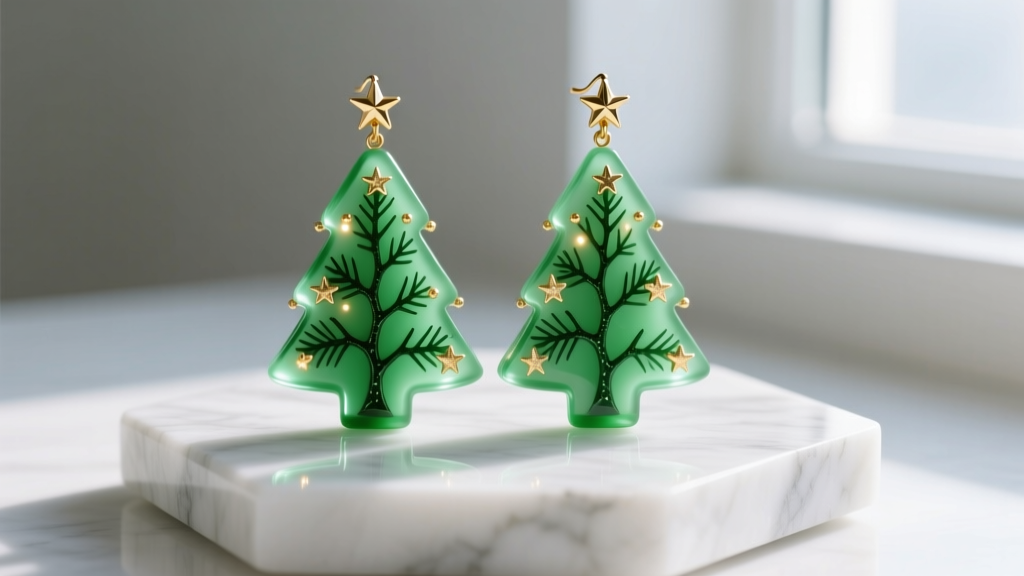
When connecting these charms, the jump ring is your weakest link. Always buy 'hard' temper jump rings rather than 'dead soft'. A dead soft 4mm jump ring will easily pull apart if a heavy enameled Christmas tree charm snags on a sweater. Look for 20-gauge or 18-gauge wire thickness with a 4mm or 5mm inner diameter, and always use two pairs of chain-nose pliers to twist them open laterally, rather than pulling them apart.
Adhesives and Assembly: Avoiding Crafting Disasters
If your holiday design involves gluing a flat-back cabochon to a stud post, your choice of adhesive is paramount. Many crafters default to E6000, but it has significant failure modes in jewelry making. E6000 remains slightly flexible, which can cause heavy studs to droop, and it emits strong VOCs during curing. More importantly, E6000 can become brittle and fail when exposed to extreme cold—such as sitting in a freezing mailbox during winter shipping.
For permanent stud assembly, two-part jeweler's epoxy or UV-curing resin provides a rigid, glass-hard bond that withstands temperature fluctuations and daily wear.
When using UV resin to encapsulate tiny holiday elements (like dried cranberries or gold leaf flakes) inside a bezel, ensure you are using a non-yellowing, high-viscosity formula. Apply in thin layers, curing each layer with a 36-watt UV lamp for 60 seconds to prevent trapped air bubbles from ruining the glass-like finish.
The 2026 Holiday Crafting Shopping Checklist
Before you finalize your supply order, run your cart through this E-E-A-T approved checklist to ensure professional-grade results:
- Hypoallergenic Verification: Are all ear wires/posts explicitly listed as Niobium, Grade 23 Titanium, or 14k Gold-Filled? (Avoid 'silver-plated' or 'alloy').
- Jump Ring Temper: Are your jump rings marked as 'half-hard' or 'hard' to prevent charm loss?
- Friction Backs: If making studs, do you have silicone or secure metal friction backs? (Standard butterfly backs often slip off heavy holiday designs).
- Anti-Tarnish Packaging: Do you have anti-tarnish paper tabs or treated flannel pouches to include in your gift boxes? Sterling silver will tarnish in humid environments within weeks without them.
- Weight Check: Have you weighed your heaviest charm assembly? Anything over 7 grams per ear requires a sturdy 20-gauge leverback or a reinforced French wire to prevent lobe stretching.
By prioritizing material science and structural integrity over sheer volume, your DIY Christmas earrings will transcend basic crafting. They will become cherished, wearable art that reflects the true spirit and quality of the holiday season.


