How to Make Cluster Earrings: Assembly, Care, and Cleaning Tips
Learn how to make cluster earrings that last. Expert guide on wire-wrapping, adhesive selection, and deep cleaning protocols for handmade multi-gem styles.

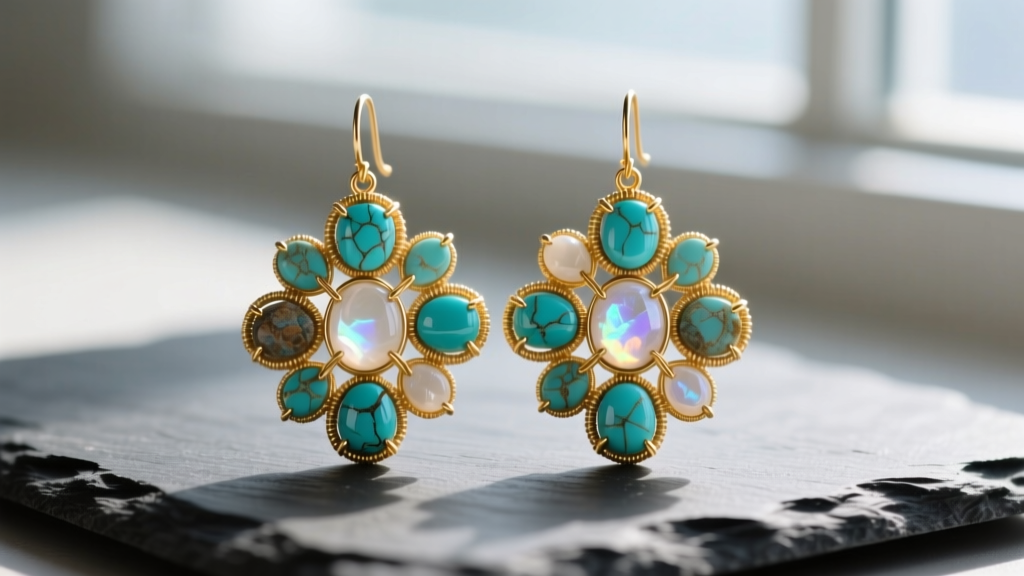
Cluster earrings are a masterclass in visual density, grouping multiple small gemstones, beads, or metal elements into a single, cohesive focal point. While they offer undeniable glamour and intricate artistry, their complex topography makes them notorious traps for skin oils, cosmetic residue, and environmental dust. For jewelry makers and enthusiasts, understanding the intersection of construction and maintenance is critical. When learning how to make cluster earrings, the structural integrity and material choices you make on the workbench will directly dictate how easily they can be cleaned and preserved over years of wear.
The Anatomy of a Handmade Cluster Earring
Unlike a simple solitaire stud, a cluster earring relies on a network of microscopic crevices. Whether the stones are set in traditional prongs, glued into micro-bezels, or woven via wire-wrapping, the overlapping nature of the design creates shadow lines where debris accumulates. The primary challenge in maintaining these pieces is that aggressive cleaning methods can compromise the very adhesives and delicate wire gauges used to hold the cluster together. A successful maintenance routine requires a deep understanding of the materials binding your stones.
Material Selection: Building for Longevity
If your goal is to craft durable jewelry, the decisions made during assembly will save hours of frustrating maintenance later. Here is how to make cluster earrings with cleanability in mind:
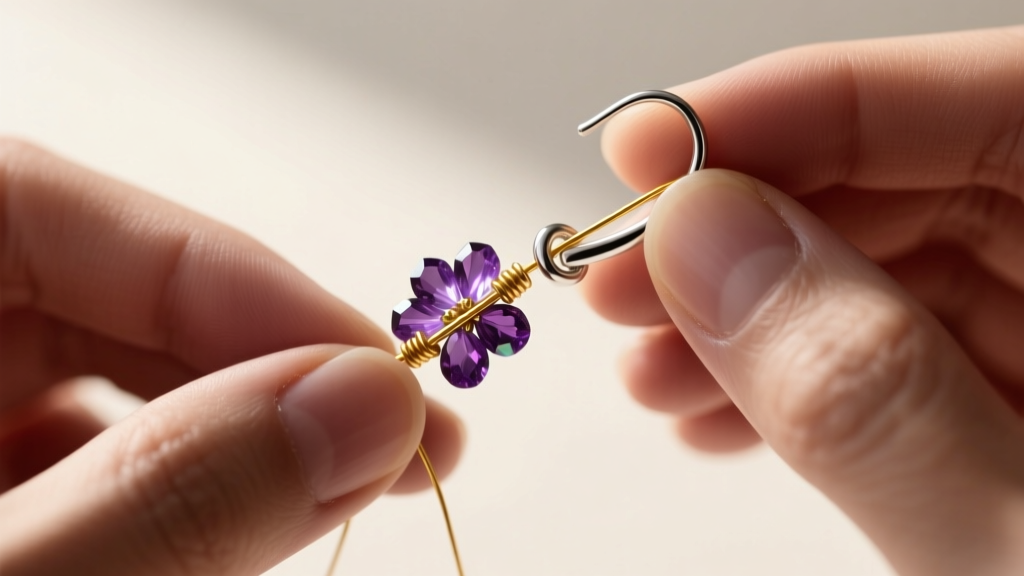
- Wire Gauges: Use 20-gauge or 22-gauge dead-soft sterling silver or 14k gold-filled wire for the primary structural frame. Reserve 26-gauge or 28-gauge wire strictly for the decorative weaving and stone locking. Thicker base wires withstand the gentle pressure of brushing during cleaning without warping.
- Adhesive Grades: Avoid standard cyanoacrylate (super glue), which turns brittle and white when exposed to moisture. Instead, opt for G-S Hypo Cement for micro-pores and precision tip applications, or a two-part clear epoxy for heavier cabochons. According to Rio Grande Jewelry Supply, selecting an adhesive with slight flexibility prevents cracking during thermal expansion and contraction.
- Stone Spacing: Leave a minimum of 0.5mm between clustered stones. This microscopic gap allows a soft-bristled brush to reach the backing plate, preventing the buildup of opaque grime that dulls the gemstones' refractive index.
The Daily Care Routine for Cluster Styles
Preventative care is vastly superior to deep cleaning. Cluster earrings should be the absolute last thing you put on when dressing and the first thing you take off.
Expert Rule of Thumb: Never expose adhesive-bound cluster earrings to aerosol hairsprays or alcohol-based perfumes. The solvents in these cosmetics will slowly dissolve the molecular bonds of jewelry cements, leading to catastrophic stone loss.
After each wear, gently wipe the cluster with a dry, lint-free microfiber cloth. Do not use standard silver polishing cloths on wire-wrapped clusters; the treated fibers can snag on 28-gauge wire ends, pulling the wraps loose and destabilizing the stones.
Deep Cleaning Protocols: What to Use and What to Avoid
When your cluster earrings lose their brilliance, it is time for a deep clean. However, the multi-material nature of handmade clusters means you must balance the cleaning needs of the gemstones with the vulnerabilities of the adhesives and base metals. The Gemological Institute of America (GIA) emphasizes that porous stones require vastly different care than crystalline ones.
| Cleaning Agent | Safe For | Unsafe For | Application Notes |
|---|---|---|---|
| Mild Dish Soap (e.g., Dawn) | Diamonds, Sapphires, Gold, Silver, Epoxy | Pearls, Opals, Turquoise | Use lukewarm water. Soak for 3 mins max to protect water-soluble glues. |
| Isopropyl Alcohol (70%) | Diamonds, Rubies, Platinum | E6000 Adhesive, Pearls, Emeralds | Apply via Q-tip to metal only. Alcohol degrades most jewelry cements. |
| Ultrasonic Cleaners | Hard stones in solid metal bezels | Wire-wraps, Glued stones, Opals | Never use on DIY clusters. Vibrations will shatter glue bonds and loosen wire weaves. |
| Ammonia-Based Cleaners | Diamonds, 14k/18k Yellow Gold | Sterling Silver, Gold-filled, Porous stones | Causes rapid oxidation and stripping of gold-filled outer layers. |
The Safest Deep Clean Method
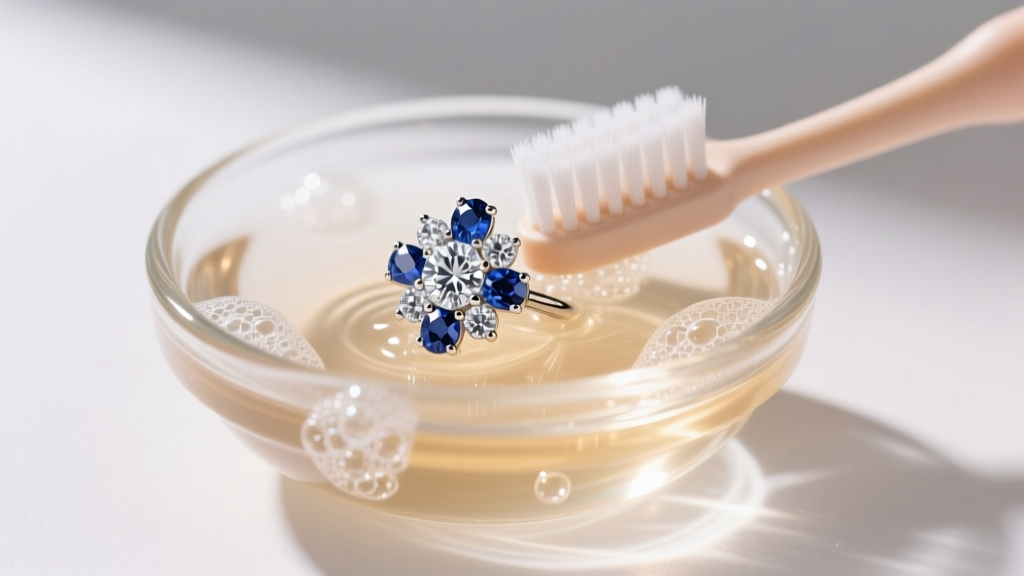
For 90% of handmade cluster earrings, the safest and most effective method is a mild surfactant bath. Mix three drops of phosphate-free dish soap into a bowl of distilled, lukewarm water. Submerge the earrings for no longer than three minutes. Using an ultra-soft baby toothbrush, gently flick the bristles across the surface of the stones and into the wire gaps. Flick, do not scrub. Scrubbing can bend delicate prongs or wire wraps. Rinse under a gentle stream of distilled water and pat dry with a microfiber cloth, followed by a blast of cool air from a hairdryer to push moisture out of the crevices.
Troubleshooting Common Cluster Earring Failures
Loose Stones and Adhesive Breakdown
If a stone in your cluster rattles or shifts, stop wearing the earring immediately. Moisture and skin oils have likely compromised the glue bed. To repair, use a fine needle to carefully scrape away the old, degraded adhesive from both the stone culet and the metal base. Clean the area with a tiny amount of acetone on a micro-swab (avoiding porous stones), let it dry completely, and reapply a microscopic drop of G-S Hypo Cement. Allow 24 hours to cure before wearing.
Tarnished Wire Wrapping
Sterling silver wire wraps will inevitably oxidize, especially in the tight, hard-to-reach spaces between clustered stones. While liquid silver dips remove tarnish instantly, they are highly corrosive and will destroy jewelry adhesives. Instead, use a specialized jewelry polishing stick or a wooden toothpick wrapped in a treated polishing cloth to manually buff the tarnished wire segments without disturbing the stones. For makers, applying a micro-thin coat of Renaissance Wax or ProtectaClear over the finished wire work during assembly will delay tarnish for months.
Storage Solutions to Prevent Snagging and Oxidation
The way you store cluster earrings is just as important as how you clean them. Because of their textured, multi-dimensional profiles, tossing them into a shared jewelry box guarantees that wire wraps will snag on other chains or earrings, pulling stones out of alignment.
Store each pair of cluster earrings in its own individual, zip-lock polyethylene bag. Squeeze out excess air before sealing to minimize oxidation. For an added layer of protection, drop a 3M anti-tarnish strip into the bag. These strips absorb airborne sulfur compounds that cause silver and copper to blacken. If you prefer a jewelry box, ensure the interior is lined with tarnish-resistant Pacific cloth and that the earrings are laid flat, never stacked, to prevent the metal posts from scratching the delicate gemstone clusters beneath them.
Mastering how to make cluster earrings is only half the journey; understanding the chemistry of their maintenance ensures your intricate designs remain as brilliant on their hundredth wear as they were on their first. By respecting the limitations of your adhesives and utilizing gentle, targeted cleaning protocols, your handmade clusters will endure as timeless staples in any jewelry collection.


