DIY Earring Holder Materials: A Tarnish-Prevention Guide
Discover the best base materials for a DIY earring holder. Compare wood, acrylic, and cork properties to prevent tarnish and protect fine jewelry.

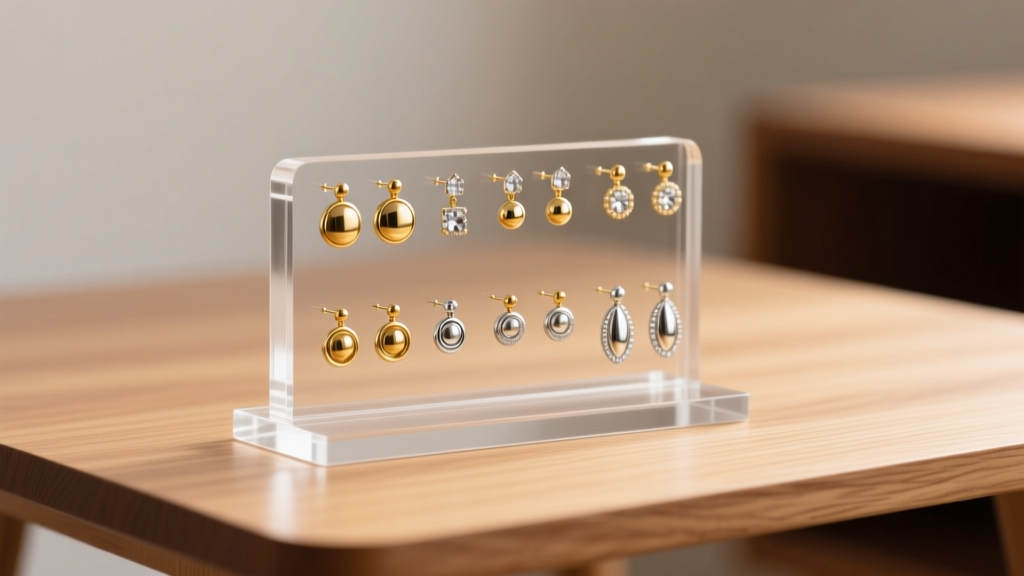
The Science of Earring Storage: Why Base Materials Matter
When crafting a custom jewelry display, most DIY tutorials focus entirely on aesthetics, completely ignoring the material science of jewelry preservation. A poorly chosen base for your diy earring holder can actively degrade your collection. Sterling silver oxidizes when exposed to sulfur and moisture, gold vermeil can scratch against abrasive surfaces, and delicate pearls can lose their luster when exposed to the volatile organic compounds (VOCs) off-gassed by cheap manufactured woods.
To build a truly functional earring holder, you must evaluate the porosity, chemical inertness, and moisture-retention properties of your base material. According to the Gemological Institute of America (GIA), proper storage environments are just as critical as regular cleaning in maintaining the structural integrity and finish of fine jewelry. This guide breaks down the exact material properties of common DIY bases and how they interact with various earring metals.
Material Comparison Chart: DIY Earring Holder Bases
Before cutting or drilling, review how standard craft materials perform as a jewelry storage substrate. The table below ranks common DIY bases based on their archival safety for fine metals.
| Base Material | Porosity | Off-Gassing Risk | Moisture Retention | Best Earring Types |
|---|---|---|---|---|
| Cast Acrylic (PMMA) | Non-Porous | None (Inert) | Zero | Sterling silver, pearls, opals |
| Sealed Hardwood (Maple) | Low (if sealed) | Low | Low | Gold filled, heavy brass hoops |
| Raw Oak Wood | High | High (Tannins) | High | Stainless steel, titanium only |
| Natural Cork | Very High | Low | Very High | Costume jewelry, plastic acrylics |
| Upcycled Metal Mesh | Non-Porous | None | Zero | Platinum, niobium (with barriers) |
Deep Dive: How Specific DIY Materials React with Jewelry Metals
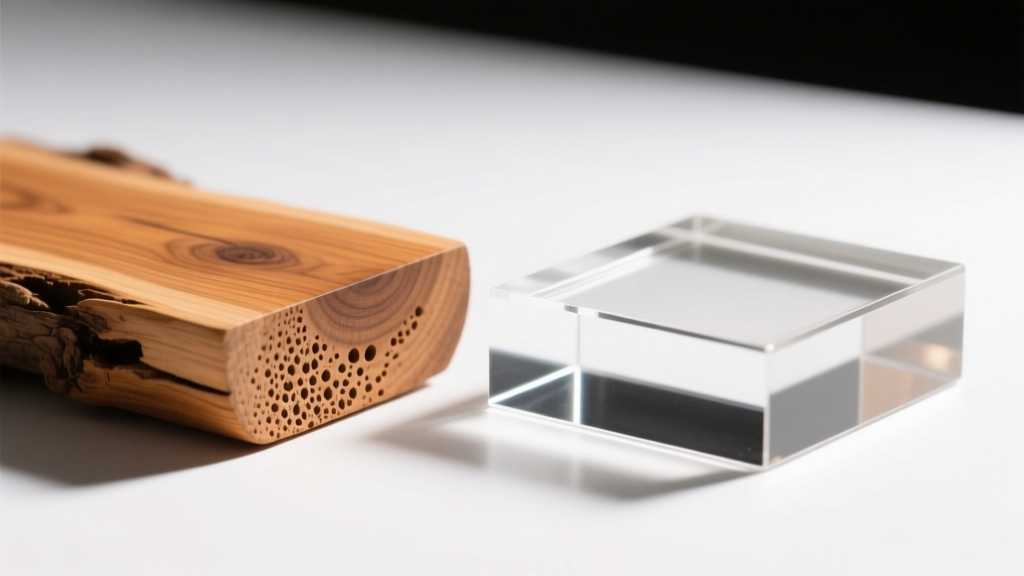
The Danger of Tannins and Acids in Wood
Wood is the most popular choice for a diy earring holder due to its workability, but it is fraught with chemical hazards. Woods like oak and walnut contain high levels of tannic acid. When ambient humidity rises, these woods release acidic vapors that accelerate the tarnishing of sterling silver and can pit the surface of copper alloys. Furthermore, composite woods like MDF or plywood often use urea-formaldehyde resins in their binding agents. As these resins degrade, they off-gas formaldehyde and acetic acid, which will permanently cloud the surface of pearl earrings and degrade the adhesive in opal doublets.
The Fix: If you must use wood, opt for kiln-dried maple or poplar, which have low tannin levels. You must then seal the wood completely using a water-based polyurethane or an archival-grade acrylic sealant to create a vapor barrier between the wood and your earrings.
Acrylic and Polycarbonate: The Inert Champions
Cast acrylic (Polymethyl methacrylate, or PMMA) is the gold standard for archival jewelry storage. It is completely chemically inert, meaning it will not off-gas or react with precious metals. However, acrylic has one hidden flaw: static electricity. Acrylic surfaces easily build up a static charge, which can attract fine dust and micro-abrasives to the surface. If you are storing high-polish gold vermeil or rhodium-plated earrings, this dust can cause micro-scratches when the earrings are dragged across the acrylic surface.
The Fix: Line the contact points of your acrylic diy earring holder with acid-free, non-abrasive flannel, or treat the acrylic with an anti-static plastic cleaner before use.
Upcycled Metal Mesh and Galvanic Corrosion
Repurposing copper wire mesh, brass grates, or steel cooling racks is a popular industrial-chic DIY trend. However, this introduces the risk of galvanic corrosion. When two dissimilar metals (like a copper mesh and a sterling silver earring post) come into direct physical contact in the presence of an electrolyte (ambient humidity), an electrochemical reaction occurs. The more anodic metal will corrode rapidly. The American Institute for Conservation (AIC) strictly advises against storing dissimilar metals in direct contact for this exact reason.
The Fix: Never let silver or gold rest directly on bare copper or steel mesh. Coat the metal mesh in a clear plastidip, or weave acid-free ribbon through the grid to create a physical barrier.
Step-by-Step: Sealing and Lining Your DIY Holder
If your chosen base material is porous or chemically active, you must line it properly. Standard craft store felt is a major culprit for jewelry damage; it is often dyed with sulfur-based compounds that cause rapid silver tarnishing. Instead, follow these professional lining steps:
- Source Archival Fabric: Purchase Pacific Silvercloth or an unbleached, acid-free cotton flannel. Pacific Silvercloth is embedded with microscopic silver particles that intercept and absorb sulfur gases before they reach your jewelry.
- Adhesive Selection: Do not use standard super glue or hot glue, which can melt synthetic fabrics and off-gas harmful cyanoacrylates. Use a pH-neutral PVA (polyvinyl acetate) glue, commonly used in bookbinding, to adhere the fabric to wood or MDF bases.
- Tensioning: Pull the fabric taut over the base before the glue sets to prevent wrinkling, which can trap moisture and cause uneven pressure on delicate earring clasps.
Earring Post and Wire Considerations for Precision Drilling
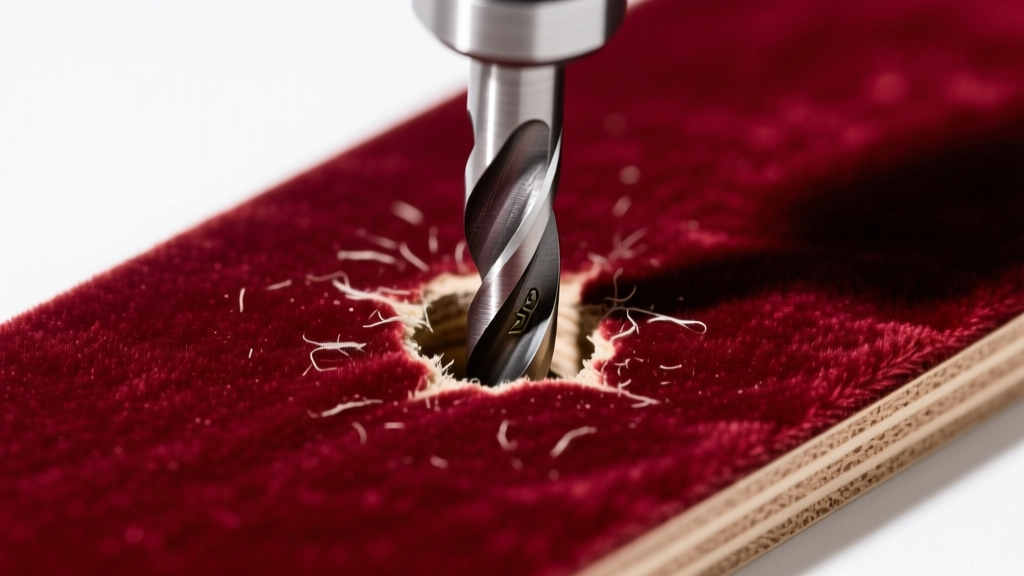
A common failure point in DIY earring holders is improperly sized mounting holes. If the hole is too tight, you risk bending the earring post or weakening the solder joint where the post meets the earring back. If the hole is too wide, heavy dangle earrings will droop and scratch against the base.
To drill precise holes, you must match your drill bit to the specific wire gauge of your earrings:
- 22-Gauge Posts (0.64mm / 0.025 inches): Standard for lightweight studs and delicate huggies. Use a 1/32-inch (0.79mm) drill bit. This provides a snug fit that holds the stud upright without bending the wire.
- 20-Gauge Posts and Wires (0.81mm / 0.032 inches): The industry standard for most sterling silver and gold studs, as well as standard fishhook ear wires. Use a 3/64-inch (1.19mm) drill bit to allow smooth insertion and removal without stressing the solder joint.
- 18-Gauge Wires (1.02mm / 0.040 inches): Often used for heavy statement hoops or lever-back clasps. Use a 1/16-inch (1.58mm) drill bit to accommodate the thicker wire comfortably.
When drilling into acrylic, use a step bit or a specialized plastics drill bit to prevent the material from cracking or melting. For wood, a standard brad-point bit will yield the cleanest entry hole, preventing tear-out on the fabric lining.
Specialized Storage: Ear Cuffs and Cartilage Pieces
Standard drilled holes do not work for non-pierced ear cuffs or continuous hoop cartilage jewelry. Ear cuffs require a storage solution that mimics the curvature and thickness of the human ear cartilage (typically 1.5mm to 2.5mm thick). When designing your diy earring holder, incorporate a routed edge or a thin, fabric-wrapped acrylic lip (approximately 2mm thick) where ear cuffs can be clamped securely without losing their tension or warping the metal over time.
Expert Insight: Never store hinged segment rings or clickers in a fully open position on a flat holder. The tension on the hinge can weaken over time. Always click them shut and store them in individual acid-free compartments or hang them vertically to maintain the structural integrity of the hinge mechanism.
Final Verdict: Choosing Your DIY Base
The ideal material for your diy earring holder depends entirely on your collection. If you primarily collect high-end sterling silver, pearls, and gold vermeil, cast acrylic or sealed maple lined with Pacific Silvercloth are your safest, most archival options. Avoid raw oak, unsealed MDF, and bare copper meshes at all costs. By prioritizing material properties and chemical inertness over mere aesthetics, you will build a functional, museum-grade display that actively protects your jewelry investment for decades. For more comprehensive care guidelines, always refer to the The Silver Institute for best practices on precious metal preservation.


