Do Earring Holes Close? The Financial Cost of Re-Piercing
Discover the true financial cost of letting piercings close. We analyze re-piercing fees, scar tissue risks, and budget-friendly retainer options.

The True Cost of Abandoning Your Piercings
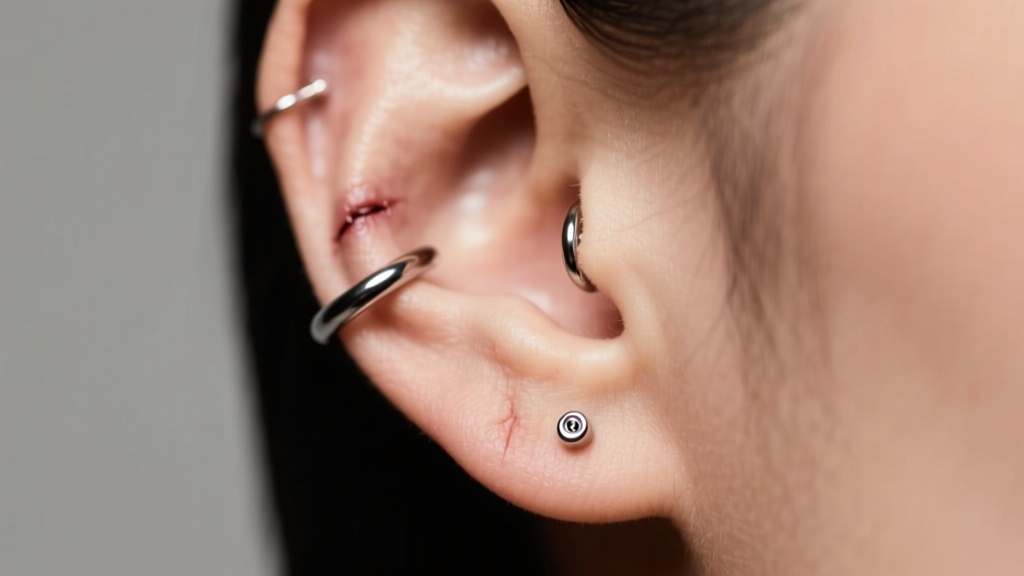
When jewelry enthusiasts ask, 'do earring holes close?', they are usually focused on aesthetics and convenience. However, from a budget and value assessment perspective, the closure of a piercing represents a significant financial loss. A piercing is not merely a temporary accessory placement; it is a minor surgical procedure and a long-term investment in body modification. When you remove your jewelry and allow the fistula (the epithelial tube of skin lining the piercing channel) to collapse, you are essentially throwing away the time, money, and healing capital you originally invested.
In 2026, the cost of professional body piercing has risen alongside inflation and the increased demand for high-quality, implant-grade jewelry. Letting a hole close might seem like a free way to take a break from earrings, but the downstream costs of re-piercing, managing scar tissue, and replacing lost jewelry can quickly multiply. This comprehensive guide breaks down the biological timelines of piercing closure, the hidden financial penalties of re-piercing, and the most cost-effective strategies to maintain your investments without wearing heavy jewelry daily.
The Biology of Closure: Lobe vs. Cartilage Timelines
To understand the financial risk, you must first understand the biological reality of how and why earring holes close. The body treats a piercing as a wound. During the healing process, the body forms a fistula—a tube of stratified squamous epithelium. If jewelry is removed before this tube is fully mature and keratinized, the body's myofibroblasts immediately initiate a contraction response, pulling the wound edges together to close the gap.
The speed of this closure dictates your risk of losing the piercing entirely. Vascular tissue, like the earlobe, heals quickly but also contracts rapidly in the early stages. Avascular tissue, like the upper ear cartilage, takes much longer to heal but can shrink unpredictably due to a lack of robust blood supply.
| Piercing Location | Initial Healing Phase | Fistula Maturation Time | Closure Risk (First Year) | Avg. Re-Piercing Cost |
|---|---|---|---|---|
| Standard Lobe (18g-16g) | 6-8 Weeks | 6-12 Months | Moderate (Shrinks rapidly) | $30 - $60 |
| Upper Lobe / Flat | 8-12 Weeks | 9-14 Months | High | $40 - $75 |
| Helix / Cartilage | 6-12 Months | 1-2 Years | Extreme (Closes overnight) | $50 - $90 |
| Tragus / Conch | 6-9 Months | 1-2 Years | High | $50 - $85 |
| Stretched Lobes (2g+) | N/A | Permanent Alteration | Low (Shrinks, rarely closes) | $500+ (Surgical repair) |
According to the Association of Professional Piercers, a piercing is never truly 'permanent' in the way a scar is. Even decades-old lobe piercings can shrink to the point where inserting a standard 18-gauge (1.0mm) earring becomes painful or impossible without professional tapering.
The Hidden Financial Penalties of Letting Holes Close
If your earring hole closes and you decide you want the piercing back, the financial burden extends far beyond the base studio fee. Re-piercing is rarely a simple transaction.
1. The Scar Tissue Surcharge
When a piercing closes, it leaves behind a core of dense, fibrotic scar tissue. Scar tissue is avascular and significantly tougher than healthy skin. When a piercer attempts to push a hollow needle through an old, closed piercing channel, the dense collagen can cause the needle to deflect, leading to crooked angles or tissue blowouts. Many reputable studios charge a 'difficulty fee' of $20 to $50 for re-piercing through old scar tissue, as it requires more time, specialized tapers, or even a dermal punch to excise the fibrotic core before inserting new jewelry.
2. The Cost of Complications and Keloids
Re-piercing traumatized tissue drastically increases the risk of hypertrophic scarring and keloids. The American Academy of Dermatology notes that repeated trauma to the same anatomical site is a primary trigger for keloid formation. If you develop a keloid, the aesthetic and financial costs skyrocket. Cortisone injections to flatten keloids typically cost between $100 and $300 per session out-of-pocket, as they are often classified as cosmetic dermatology by insurance providers.
3. Jewelry Replacement Costs
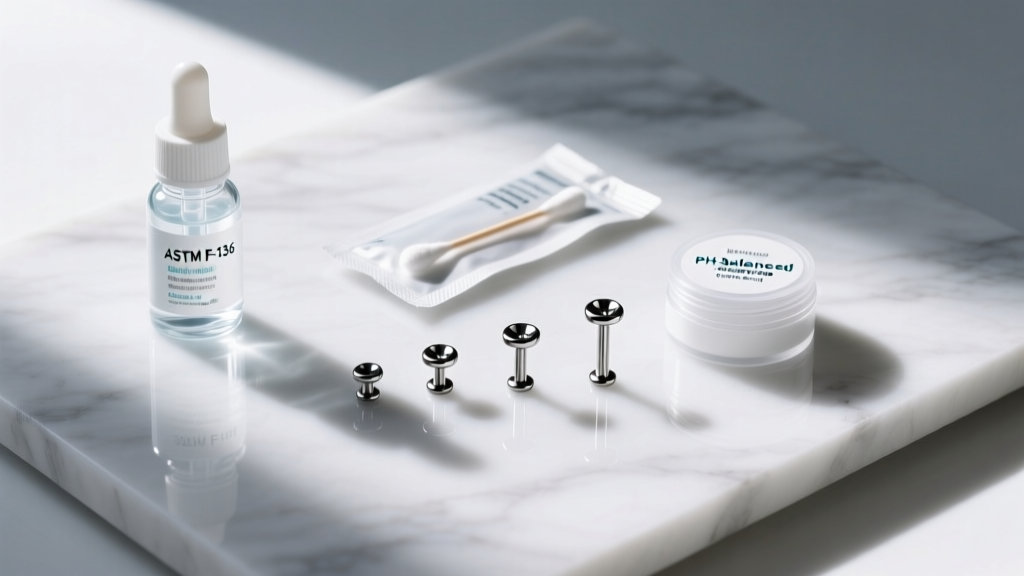
When you let a hole close, you are often forced to downsize your jewelry collection. If you had carefully curated a stack of 14-gauge (1.6mm) clickers and threadless ends, a shrunken hole may force you back to standard 18-gauge or 20-gauge (0.8mm) starter earrings. High-quality, implant-grade titanium (ASTM F-136) threadless ends cost between $35 and $120 each. Abandoning your piercing means abandoning the premium jewelry you invested in to fit that specific gauge and anatomy.
Budget-Friendly Strategies to Keep Holes Open
If you want to take a break from heavy dangles, hoops, or visible cartilage stacks without losing your financial investment in the piercing, you must utilize strategic retention methods. The goal is to maintain the fistula diameter while minimizing daily wear and tear, all without breaking the bank.
The Superior Value of Fused Quartz Glass Retainers
Many people turn to cheap, flexible 'bioplast' or PTFE retainers to hide their piercings during work or sports. This is a false economy. Bioplast is micro-porous, meaning it traps dead skin cells and bacteria, leading to chronic low-grade inflammation and unpleasant odors. Over time, this irritation can cause the body to reject the piercing or form irritation bumps, which cost time and money to treat.
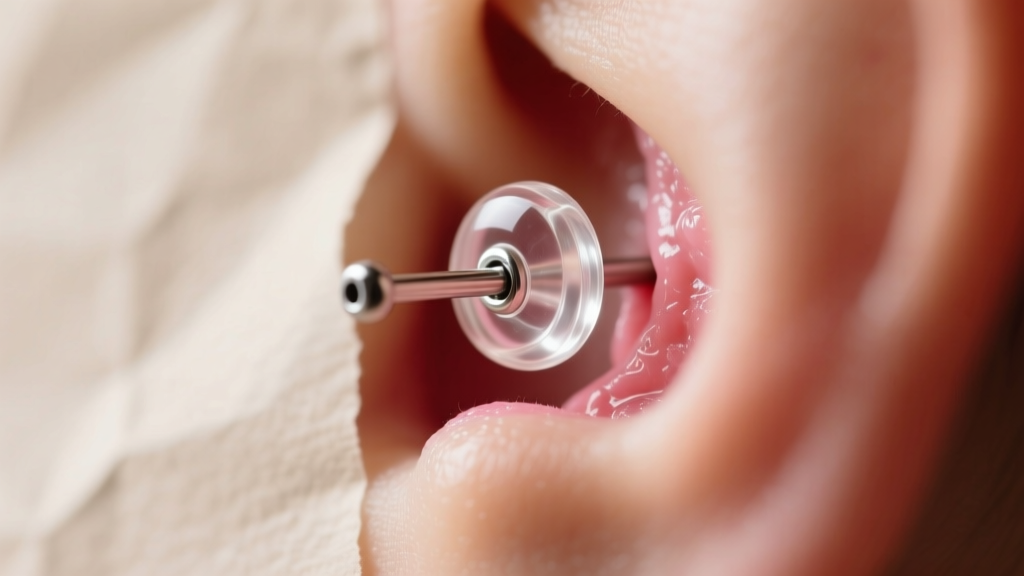
Instead, invest in fused quartz glass retainers. Glass is entirely non-porous, hypoallergenic, and can be autoclaved. A high-quality glass retainer with O-rings costs between $12 and $25. Because they last indefinitely and prevent the tissue irritation that leads to expensive corrective jewelry changes, glass retainers offer the highest long-term ROI for maintaining dormant piercings.
Sleeper Hoops and Huggies for Lobes
For standard lobe piercings, continuous sleeper hoops made of ASTM F-136 implant-grade titanium are the most cost-effective maintenance tool. Priced around $15 to $30, these lightweight, seamless rings prevent the lobe from contracting while being comfortable enough to sleep in. Unlike butterfly-back studs, which can harbor bacteria and cause pressure necrosis if worn 24/7, sleepers allow the fistula to breathe, reducing the need for expensive aftercare products or medical interventions for infected lobes.
When Letting a Hole Close is the Better Financial Choice
While maintaining a piercing is usually the most budget-conscious route, there are specific scenarios where letting an earring hole close is the smartest financial decision.
- Poor Anatomical Placement: If a cartilage piercing was done at an improper angle (a common issue with mall kiosks or piercing guns), it will perpetually suffer from pressure irritation, swelling, and jewelry rejection. Continuing to buy expensive jewelry and aftercare solutions for a doomed piercing is a sunk cost fallacy. Let it close, allow the tissue to rest for 12 to 18 months, and reinvest in a professional, custom-angled re-piercing.
- Migration and Rejection: If you notice the jewelry sitting closer to the surface of the skin than when it was first pierced, the body is actively rejecting it. Forcing a retainer into a migrating piercing will only result in severe scarring. Remove the jewelry immediately to preserve the skin's integrity, saving you from future dermatological treatments.
- Stretched Lobe Downsizing: If you have stretched your lobes to 0g (8mm) or 00g (10mm) and no longer want the large plugs, letting them shrink naturally is vastly superior to surgical earlobe repair (lobuloplasty). While surgery can cost $500 to $1,500 per ear, natural downsizing using the 'taping method' (wrapping PTFE tape around smaller glass plugs to gradually shrink the tissue) costs less than $10 in materials, though it requires months of patience.
Expert Verdict: Maximizing Your Piercing Investment
So, do earring holes close? Yes, and the financial friction of reversing that closure is substantial. When you view your piercings as long-term bodily investments rather than disposable fashion trends, the math clearly favors maintenance over abandonment. By allocating a small portion of your jewelry budget to high-quality glass retainers, seamless titanium sleepers, and proper sterile saline aftercare, you protect the structural integrity of your fistulas. This proactive approach ensures that when you are ready to wear your premium gold clickers or diamond threadless ends again, your anatomy will be ready to receive them—saving you hundreds of dollars in re-piercing fees, scar tissue management, and replacement jewelry costs.


