2026 Trends: Do It Yourself Earring Holder Ideas & Styles
Discover 2026's top do it yourself earring holder trends. Learn how to craft custom organizers for heavy hoops, delicate studs, and cartilage cuffs.

The 2026 Shift: From Generic Trays to Bespoke Earring Architecture
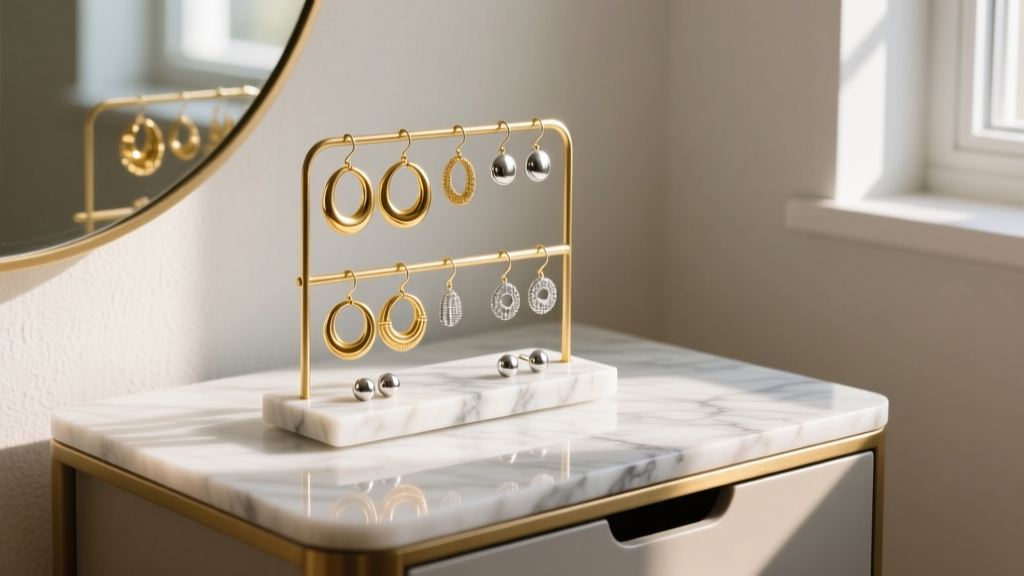
In the realm of jewelry organization, 2026 has ushered in a definitive pivot away from mass-produced velvet rolls and generic acrylic boxes. Today’s collectors and style enthusiasts are embracing "visible storage"—the concept that your jewelry organization should be as aesthetically compelling as the pieces themselves. At the forefront of this movement is the custom, do it yourself earring holder. No longer just a utilitarian craft project, the modern DIY earring organizer is an exercise in bespoke jewelry architecture, blending material science, structural engineering, and interior design.
As earrings evolve—ranging from heavyweight, sculptural brass hoops to ultra-delicate titanium cartilage cuffs—a one-size-fits-all tray simply no longer suffices. Heavy dangles require tension and vertical clearance, while flat-backed studs and huggies demand specialized slits or magnetic integration. This guide dives deep into the structural, material, and stylistic considerations required to build a high-end, functional earring holder tailored to your specific collection.
Material Science: Choosing the Right Base and Framework
The foundation of any premium DIY organizer lies in understanding how different materials interact with precious metals. A common mistake in amateur DIY projects is using raw, high-tannin woods like oak or cherry, which can accelerate the tarnishing of sterling silver through acidic off-gassing.
Wood Selection and Tannin Awareness
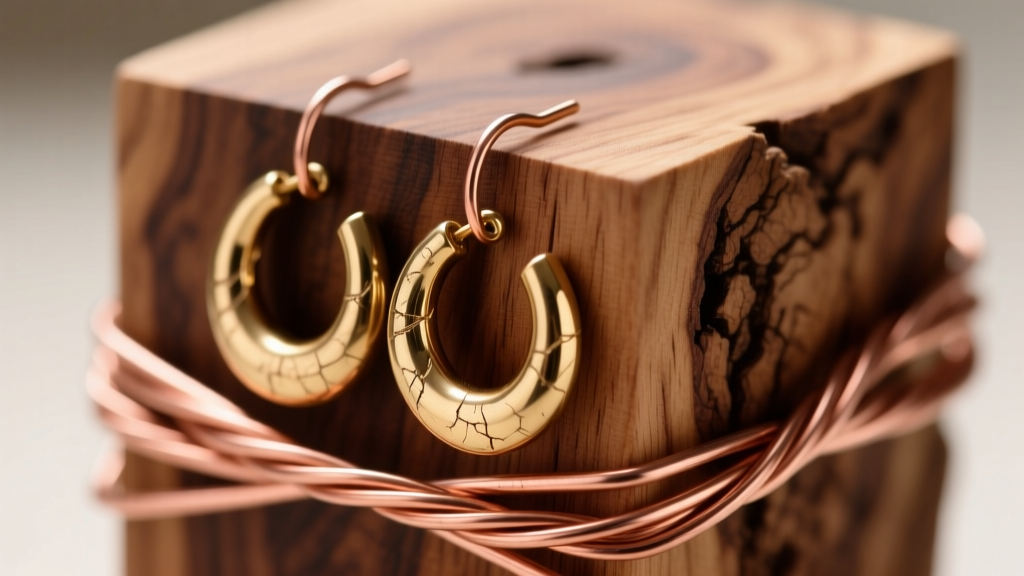
For wooden bases, opt for low-tannin hardwoods like maple, ash, or properly sealed walnut. If you are dead-set on using a reclaimed oak beam for its rustic aesthetic, you must seal the wood with a polyurethane or water-based acrylic sealer to create an inert barrier between the wood’s tannic acid and your silver jewelry. According to metalworking experts at Rio Grande, preventing silver sulfide reactions begins with controlling the micro-environment where the jewelry rests.
Wire Gauges and Metal Hardness
When constructing the vertical elements or hanging grids of your do it yourself earring holder, wire gauge and hardness are critical.
- 18-Gauge (1.02mm) Half-Hard Wire: Ideal for the main structural frames and tension hooks. Half-hard brass or stainless steel provides enough rigidity to hold 20g+ hoop earrings without bending, while remaining pliable enough to shape with nylon-jaw pliers.
- 22-Gauge (0.64mm) Dead-Soft Wire: Best used for wrapping, securing joints, or creating delicate secondary tiers for lightweight threader earrings.
- 24-Gauge (0.51mm) Copper Wire: Perfect for weaving through mesh or creating intricate decorative accents that do not bear structural weight.
Structural Frameworks by Earring Type
To engineer a truly functional holder, you must map your collection’s weight and silhouette to the correct structural mechanism. The table below outlines the optimal DIY frameworks based on specific earring categories.
| Earring Type | Avg. Weight | Ideal DIY Material | Holder Mechanism |
|---|---|---|---|
| Heavy Brass Hoops | 15g - 30g | 16ga Steel / 18ga Brass | Tension hooks with weighted base |
| Titanium / Gold Studs | 1g - 4g | Punched Leather / Acrylic | Friction-fit precision slits |
| Long Dangle / Drop | 5g - 12g | Wooden Dowel Grids | High-clearance horizontal bars |
| Huggies & Ear Cuffs | 2g - 6g | Silicone / Velvet-lined MDF | Angled display ramps |
Step-by-Step: The Tension-Wire Do It Yourself Earring Holder
One of the most striking and functional designs trending in 2026 is the tension-wire and stone base holder. This design uses the natural weight of a stone or concrete base to counterbalance the outward pull of heavy hoop earrings.
"The beauty of a tension-wire holder is that it turns the physical properties of the jewelry into part of the sculpture. The weight of a heavy hoop pulls the wire into a dynamic, sweeping curve that static displays simply cannot achieve." — Elara Vance, Jewelry Archivist and Display Designer
Construction Guide
- Base Preparation: Select a dense material like marble, soapstone, or poured concrete. Using a diamond-tipped drill bit, drill two 2mm holes exactly 4 inches apart. Ensure the holes are perfectly vertical using a drill press or a 3D-printed drilling jig.
- Wire Shaping: Cut a 12-inch length of 18-gauge half-hard brass wire. Using nylon-jaw pliers (which prevent marring the metal), bend the wire into a wide, asymmetrical 'U' shape. The varying heights will allow you to hang both short huggies and long drop earrings without them tangling.
- Tension Setting: Insert the wire ends into the drilled holes. Apply a micro-drop of cyanoacrylate (CA) glue mixed with baking soda for an instant, rock-solid bond that won't degrade over time like hot glue.
- Finishing: Polish the brass wire with a jeweler's rouge cloth to remove any oxidation or fingerprints, ensuring a brilliant shine that complements your gold and silver pieces.
Curation & Styling: Integrating Your Holder into Room Decor
A bespoke do it yourself earring holder is ultimately a piece of functional art. How you curate the earrings upon it dictates its visual impact. In 2026, the "gradient curation" method is highly favored by interior stylists. This involves arranging your earrings on the holder not by type, but by a visual gradient—transitioning from bright, polished yellow gold on the left, through rose gold and mixed metals, ending with oxidized silver and dark patinas on the right.
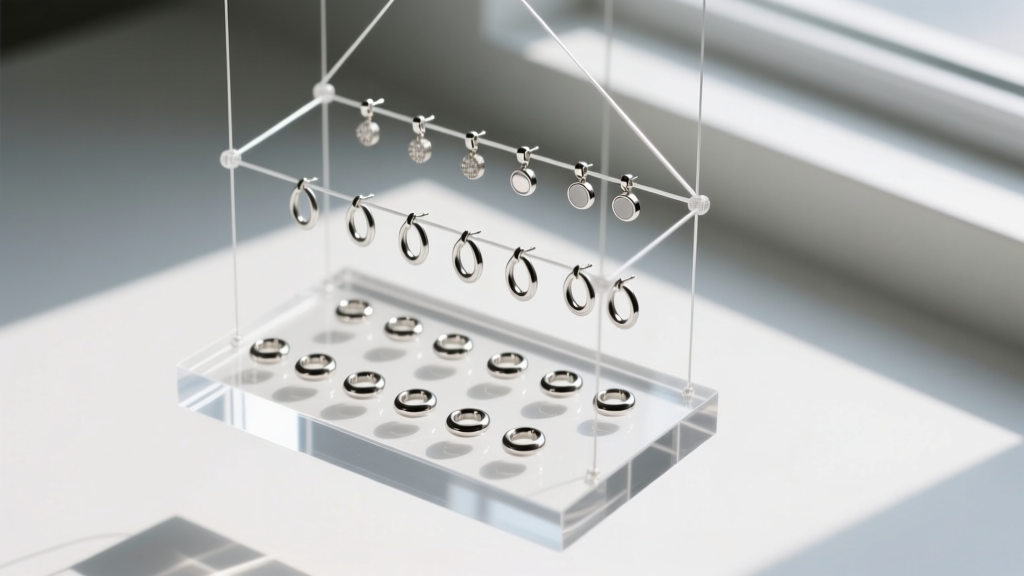
For minimalist spaces, clear cast acrylic bases paired with matte black stainless steel wire create a "floating" illusion, allowing the earrings to appear as if they are suspended in mid-air. Conversely, for maximalist or bohemian decors, combining raw-edge burl wood bases with woven copper wire and turquoise bead accents turns the organizer into a standalone vanity centerpiece.
Maintenance & Tarnish Prevention
Building the holder is only half the battle; maintaining the pristine condition of the jewelry displayed upon it is the other. Open-air displays inherently expose metals to sulfur compounds and humidity in the ambient air. The Gemological Institute of America (GIA) notes that proper environmental control is essential for preserving both metals and delicate gemstones like pearls or opals.
To combat tarnish on an open DIY holder, integrate hidden anti-tarnish technology. You can discreetly adhere 3M anti-tarnish strips to the underside of the wooden or acrylic base. These strips absorb airborne sulfides and can protect the jewelry displayed within a 12-inch radius for up to six months. Additionally, avoid placing your DIY holder in direct sunlight or in bathrooms, where fluctuating humidity and aerosolized cosmetics will rapidly degrade both the jewelry finishes and the structural adhesives of your custom build.
By marrying precise material science with intentional aesthetic curation, your custom earring architecture will not only protect your investment but elevate your daily styling ritual into an art form.


