Dr Pepper Earrings: A Material & Enamel Comparison Guide
Discover the best metals, enamels, and post grades for Dr Pepper earrings. Avoid allergies and fading with our 2026 material comparison guide.

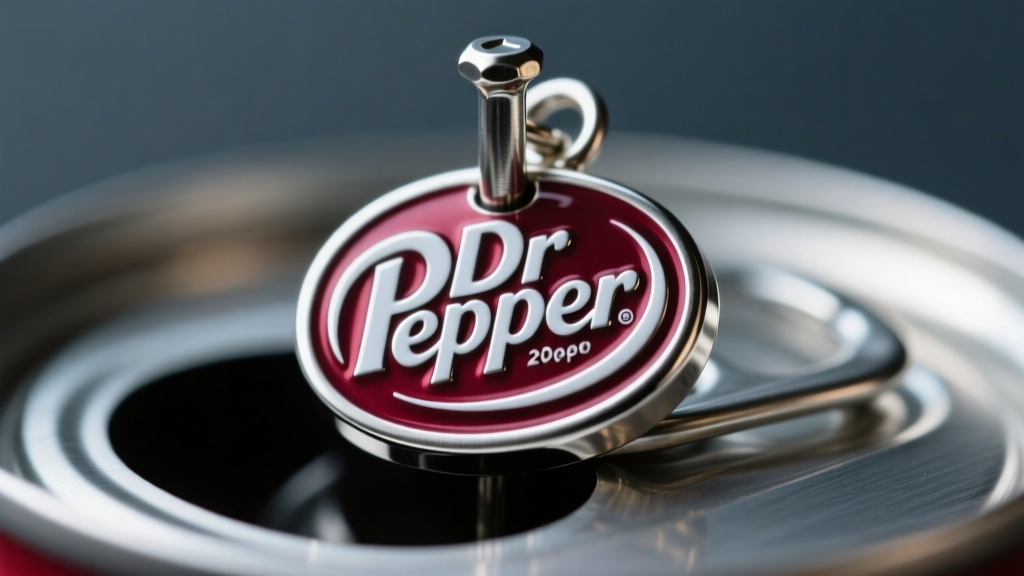
The Rise of Nostalgic Pop-Culture Jewelry
In the landscape of 2026 novelty jewelry, nostalgic pop-culture accessories have cemented their place in everyday fashion. Among the most sought-after novelty pieces are Dr Pepper earrings—ranging from miniature soda can studs to vintage logo dangles and acrylic bottle drops. However, the novelty jewelry market is notoriously saturated with fast-fashion pieces that prioritize low manufacturing costs over wearability. For collectors and daily wearers alike, understanding the metallurgical and material properties of these earrings is the difference between a cherished accessory and a skin-irritating disappointment.
When evaluating pop-culture jewelry, the primary concerns are contact dermatitis, enamel fading, and structural failure. According to the American Academy of Dermatology, nickel allergy remains one of the most common causes of allergic contact dermatitis, frequently triggered by cheap base metals used in novelty earring posts and charms. This guide breaks down the exact materials, enamel techniques, and structural grades you need to look for when sourcing high-quality soda-themed earrings.
The Base Metal Breakdown: Zinc Alloy vs. Brass vs. Steel
The charm or pendant of a soda-themed earring requires a base metal that can be cast into intricate 3D shapes (like a ribbed soda can) or stamped into flat vintage logos. Manufacturers typically rely on three primary base metals, each with distinct properties.
1. Zinc Alloy (Zamak)
Zinc alloy is the undisputed king of cheap novelty jewelry. It is highly fluid when melted, allowing for incredibly detailed 3D casts of miniature Dr Pepper cans and bottles. However, Zamak is heavy, brittle, and highly susceptible to pitting and oxidation. To prevent corrosion, Zamak must be plated (usually with copper, then nickel, then a final color). If the plating is thin, the zinc will react with skin acidity, leading to the dreaded 'green skin' effect and rapid structural degradation.
2. Jeweler's Brass
Brass (an alloy of copper and zinc) offers a superior surface for plating and takes enamel beautifully. It is lighter than zinc and more malleable, making it ideal for stamped vintage Dr Pepper logo earrings. The downside? Unplated or poorly plated brass will oxidize quickly, developing a dark patina that can transfer to the earlobe.
3. 316L Stainless Steel
For flat, laser-cut Dr Pepper script earrings or simple silhouette charms, 316L surgical stainless steel is the gold standard. It requires no plating, will not tarnish, and is highly hypoallergenic. The limitation is that steel is difficult to cast into complex 3D shapes, so it is rarely used for miniature soda can charms.
| Base Metal | Casting Detail | Tarnish Resistance | Weight | Best For |
|---|---|---|---|---|
| Zinc Alloy | Excellent (3D) | Poor (Requires Plating) | Heavy | Miniature soda cans, bottles |
| Brass | Good (2D/3D) | Moderate | Medium | Vintage stamped logos |
| 316L Steel | Poor (Mostly 2D) | Excellent | Medium | Laser-cut script, silhouettes |
Enamel & Resin Techniques: Achieving the Signature Maroon
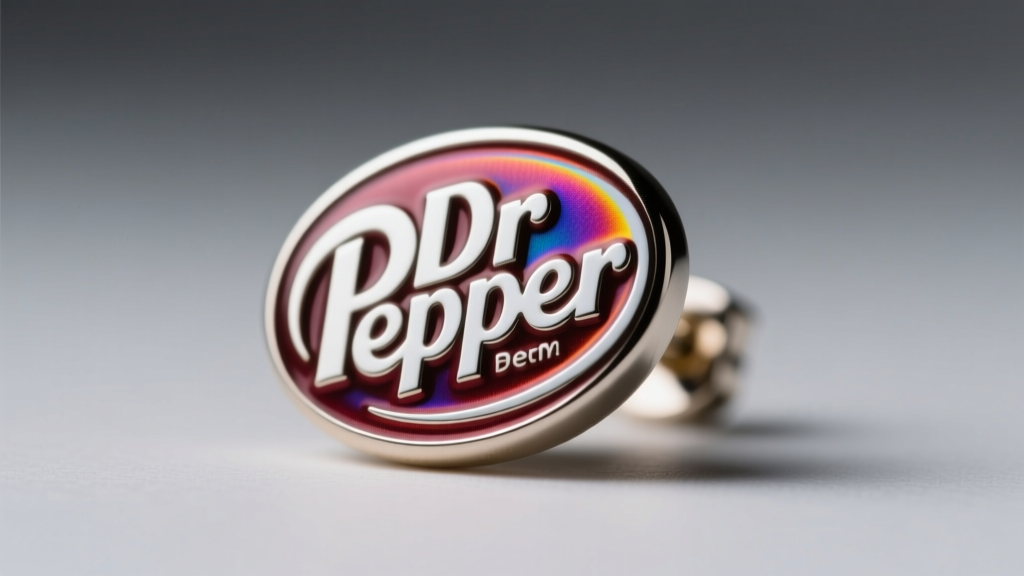
The defining feature of Dr Pepper branding is its deep, specific maroon-red hue. Replicating this color in jewelry requires precise pigment chemistry, especially because red and maroon pigments are highly susceptible to UV degradation. In 2026, manufacturers use three main coloring methods for these earrings:
Soft Enamel (Cloisonné Style)
Soft enamel involves filling recessed channels in the base metal with epoxy-based colored resins. The metal borders remain raised, giving the earring a textured, tactile feel. While cost-effective, soft enamel is prone to scratching and can trap skin oils and debris in the recessed channels, requiring careful cleaning.
Hard Enamel (Epola)
Hard enamel is filled to the top of the metal borders and then polished flat, resulting in a smooth, glass-like finish. This method is vastly superior for daily wear, as it resists scratching and is easy to wipe clean. High-end Dr Pepper can studs almost exclusively use hard enamel to mimic the glossy finish of an actual aluminum can.
UV-Stabilized Epoxy Resin (Cold Enamel)
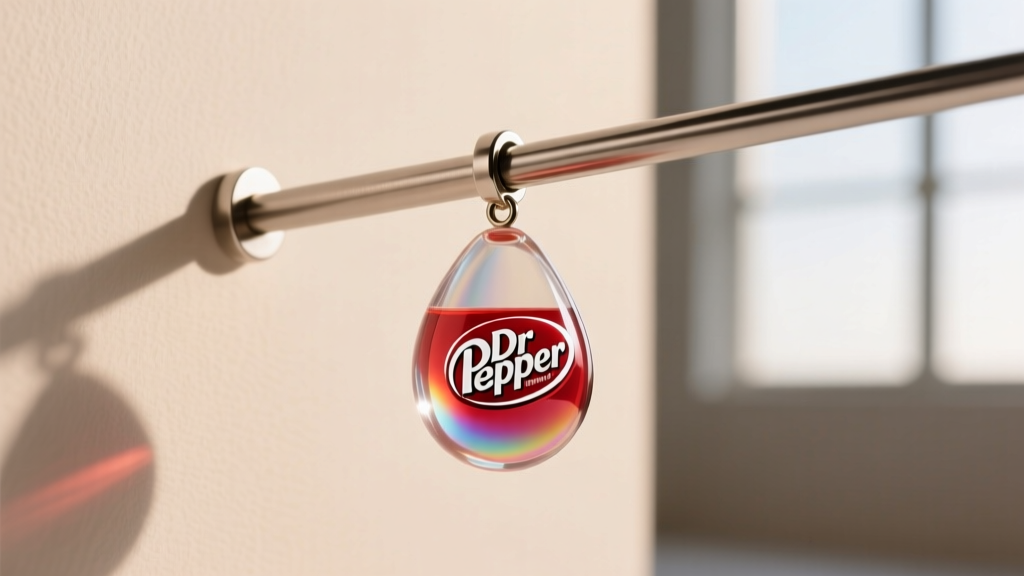
For 'liquid effect' earrings—such as a clear window on a miniature bottle showing sloshing maroon liquid—manufacturers use poured epoxy resin. Historically, cheap resins would yellow or turn orange within months of sun exposure. Modern, UV-stabilized epoxies incorporate Hindered Amine Light Stabilizers (HALS) to lock in the maroon pigment, ensuring the color remains vibrant for years.
The Post and Wire: Where Hypoallergenic Standards Matter
A beautifully crafted enamel soda can is useless if the post piercing your ear causes an allergic reaction. According to the Mayo Clinic, prolonged exposure to reactive metals can cause chronic contact dermatitis, leading to thickened, itchy skin around the piercing site.
- 316L Surgical Steel Posts: The industry standard. Contains trace amounts of nickel, but the alloy structure traps it, making it safe for 90% of wearers. Usually manufactured in 20-gauge (0.81mm) or 22-gauge (0.64mm) thicknesses for novelty studs.
- Grade 23 Titanium (Ti-6Al-4V ELI): The ultimate hypoallergenic material. Completely nickel-free and biocompatible. If you have highly sensitive piercings, seek out artisan makers who hand-solder titanium posts to their pop-culture charms.
- Sterling Silver (925): Often used for dangle hooks. While generally safe, the 7.5% copper content can cause reactions in highly acidic skin environments, and silver is too soft for the rigid posts required for heavy 3D can charms.
Structural Integrity: Soldered vs. Glued Attachments
The most common failure mode in novelty drop earrings is the detachment of the post or jump ring from the charm. Mass-produced earrings rely on cyanoacrylate (super glue) to attach the steel post to the flat back of a zinc alloy charm. Cyanoacrylate becomes brittle over time and degrades rapidly when exposed to the natural oils and moisture of the human body.
For long-lasting Dr Pepper dangles and heavier studs, look for laser-soldered attachments. Soldering melts a filler metal (usually a silver-bearing solder) to fuse the post directly to the base metal charm. A soldered joint will withstand the lateral torque of taking off a sweater or brushing your hair, whereas a glued joint will inevitably snap.
Real-World Failure Modes & Maintenance
To maximize the lifespan of your pop-culture enamel jewelry, you must understand how these materials interact with your environment:
- Ultrasonic Cleaners: Never put enameled or resin jewelry in an ultrasonic cleaner. The high-frequency vibrations will shatter the bond between the epoxy resin and the metal base, causing the 'maroon' color to flake out entirely.
- Friction Backings vs. Silicone: Heavy 3D soda can studs tend to droop forward due to front-weight distribution. Swap standard metal butterfly backs for wide, flat silicone O-rings or secure-lock screw backs to keep the earring sitting flush against the lobe.
- Perfume and Hairspray: The alcohol and solvents in cosmetics will cloud clear acrylic and degrade the glossy top-coat of soft enamel. Always put your earrings on after applying hair and body products.
Sourcing & Pricing Tiers in 2026
When shopping for Dr Pepper earrings, price is a reliable indicator of material quality. Fast-fashion retailers typically sell glued, zinc-alloy, soft-enamel studs in the $8 to $15 range. These are fun for a one-off costume party but will likely tarnish or break within a season.
For heirloom-quality novelty pieces—featuring brass bases, hard enamel, UV-stabilized resins, and soldered titanium posts—expect to pay between $35 and $85 from independent enamel artists and specialized pop-culture jewelers. Investing in the correct materials ensures your favorite nostalgic accessories remain as vibrant and comfortable as the day you bought them.


