Earring Piercing Meanings: A Cultural & Jewelry Buying Guide
Discover earring piercing meanings across cultures and learn how to buy the right gauge, material, and style for your curated ear stack.

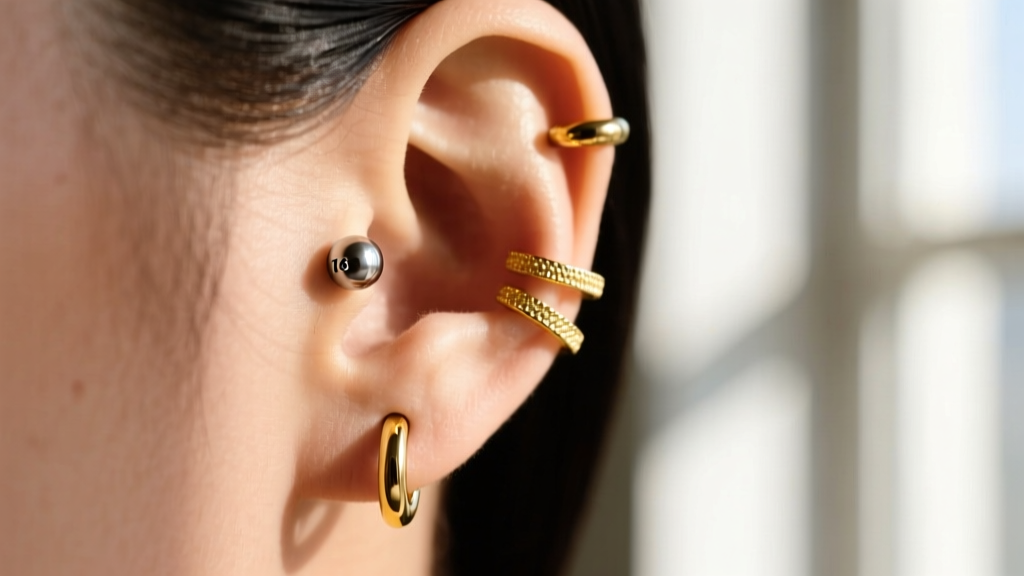
The Intersection of Anatomy, History, and Adornment
When we talk about earring piercing meanings, we are rarely just talking about fashion. For millennia, the placement of a hole in the ear has signaled tribal affiliation, marital status, spiritual protection, and even medical beliefs. Today, the modern "curated ear" is a deeply personal canvas where historical symbolism meets high-end jewelry design. However, understanding the cultural weight of your chosen placement is only half the journey. The other half is knowing exactly what to look for when buying the jewelry that will inhabit these meaningful spaces.
This buying guide bridges the gap between ancient lore and modern metallurgy. Whether you are drawn to the wellness associations of a daith piercing or the classic status of a standard lobe, selecting the correct gauge, material grade, and threading mechanism is critical for both the longevity of the piercing and the integrity of its meaning.
Decoding the Cultural Tapestry of Ear Placements
Before making a purchase, it is essential to understand the historical and contemporary narratives attached to specific ear zones. The Association of Professional Piercers (APP) notes that while modern piercings are largely aesthetic, their roots are deeply embedded in global traditions.
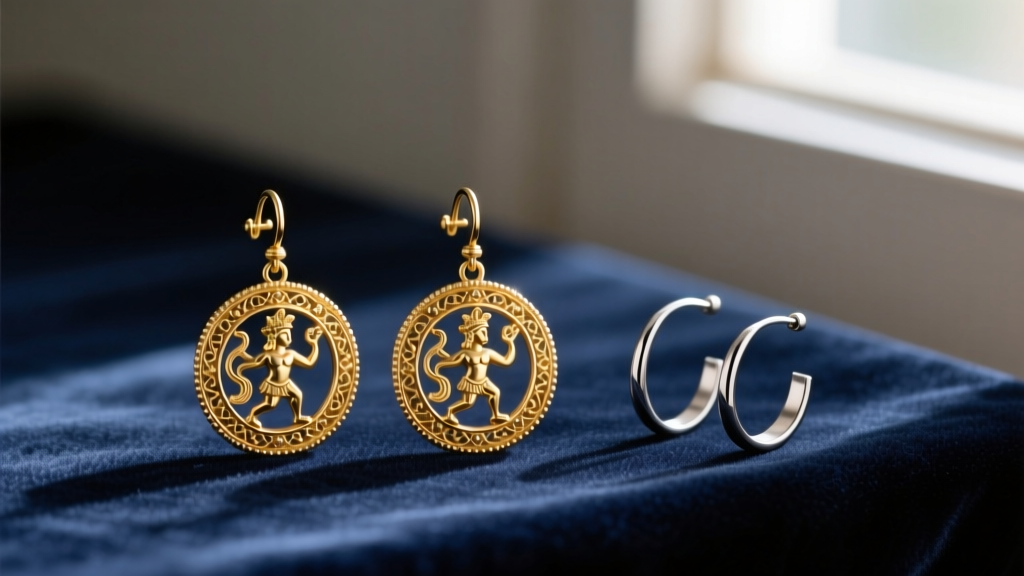
The Standard Lobe: Status and Rites of Passage
The lobe is the most universally pierced location. In ancient Rome, lobe earrings were markers of wealth and status, often featuring heavy gold and pearls. In many Indigenous cultures, lobe piercing is a rite of passage marking the transition into adulthood. When buying for the lobe, you have the most versatility, but the sheer weight of historical significance demands high-quality, timeless materials like solid 14k or 18k gold.
The Helix and Cartilage: Rebellion and Individuality
Cartilage piercings, particularly the helix, gained mainstream traction in the late 20th century as symbols of counter-culture and rebellion. Today, they represent individuality and a departure from traditional norms. Because cartilage is avascular (lacking direct blood supply), it heals slowly. The meaning of "patience and resilience" is often attached to the helix, mirrored by the strict requirement for implant-grade jewelry during the 12-to-18-month healing period.
The Daith: Wellness and the Migraine Myth
Perhaps no modern piercing carries as much specific intent as the daith. Located in the innermost cartilage fold of the ear, the daith is heavily associated with alternative wellness. Many seek it out based on the theory that it stimulates an acupuncture pressure point linked to migraine relief. While medical consensus points to a placebo effect rather than clinical efficacy, the meaning remains potent for the wearer: a talisman of hope and pain management. Buying for a daith requires specialized clicker rings that accommodate the tight, curved anatomy without putting pressure on the healing fistula.
Buyer's Matrix: Matching Meaning to Specifications
To honor the intention behind your piercing, you must buy jewelry that respects the anatomy. Below is a structural guide to help you match the placement's meaning with the correct technical specifications.
| Piercing Placement | Symbolic Meaning | Ideal Jewelry Style | Standard Gauge Size |
|---|---|---|---|
| Standard Lobe | Heritage, Status, Maturity | Flat-back labrets, seamless hoops | 18G (1.0mm) or 16G (1.2mm) |
| Helix | Individuality, Resilience | Threadless studs, captive bead rings | 16G (1.2mm) |
| Daith | Wellness, Healing, Balance | Segment rings, hinged clickers | 16G (1.2mm) |
| Tragus | Subtlety, Modern Minimalism | Small bezel-set studs, tiny hoops | 16G (1.2mm) |
| Conch | Boldness, Inner Strength | Large hoops, ornate flat-back studs | 14G (1.6mm) or 16G (1.2mm) |
The Metallurgy of Meaning: What to Look For
If your piercing represents a personal milestone or spiritual belief, adorning it with cheap, reactive metals is a contradiction. The material you buy dictates how your body accepts the adornment.
Implant-Grade Titanium (ASTM F-136)
For any piercing that represents a new beginning or is currently healing, ASTM F-136 implant-grade titanium is the gold standard. It is entirely nickel-free, highly polished, and biocompatible. Brands like Industrial Strength and Anatometal machine their titanium to medical implant standards. Expect to pay between $30 and $60 for a basic titanium post and end.
Solid Gold (14k and 18k)
Gold has been the metal of the gods and royalty for centuries, perfectly aligning with piercings that signify status or eternal commitment. However, you must avoid 24k gold (which is too soft and easily harbors bacteria in its scratches) and gold-plated brass (which will leach copper and nickel into the fistula). Always look for solid 14k or 18k nickel-free gold. High-end manufacturers like BVLA and Maria Tash specialize in this, with ornate gold ends ranging from $150 to over $800.
"The concept of the 'cheese-cutter effect' is vital for buyers to understand. Wearing a 20-gauge wire in a cartilage piercing creates excessive pressure on a tiny surface area, which can cause the jewelry to slowly slice through the tissue. Always opt for 16-gauge or 14-gauge thicknesses for cartilage to distribute the weight safely."
Mechanics Matter: Threading and Backings
The way your jewelry locks together is just as important as the metal it is made from. When exploring earring piercing meanings, the concept of "security" often comes up—whether it's the security of a talisman or the physical security of the jewelry in your ear.
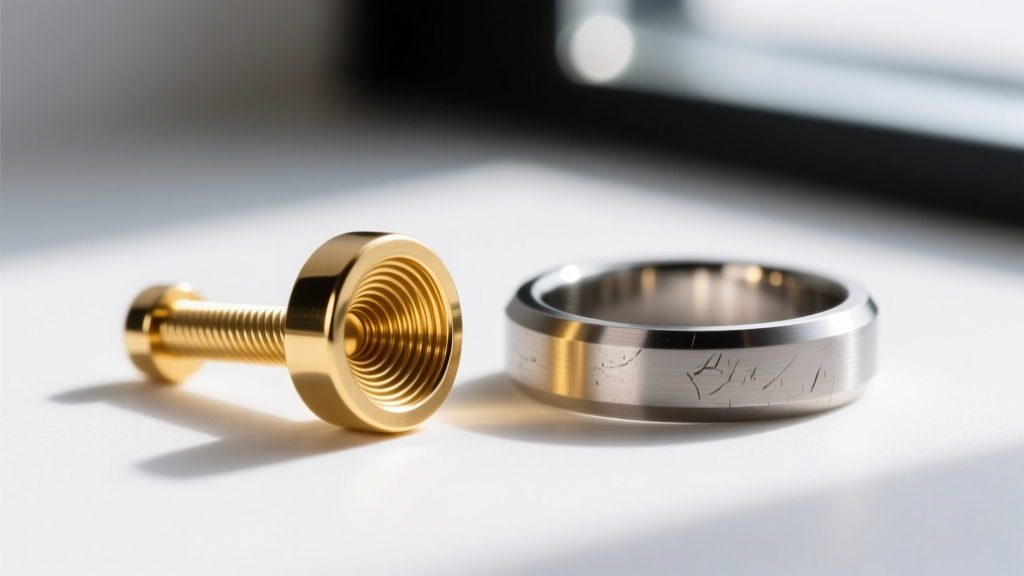
Internally Threaded vs. Threadless
Never buy externally threaded jewelry (where the screw is on the post that passes through the skin). The sharp threads will micro-tear the delicate fistula lining every time you change it. Instead, look for:
- Internally Threaded: The screw is on the decorative end, and the post is smooth. This is the hallmark of high-quality body jewelry.
- Threadless (Press-Fit): Pioneered by brands like NeoMetal, these use a tiny bent pin on the decorative end that snaps securely into the hollow post. They are incredibly secure, easy to change, and eliminate the risk of losing a screwed-on gemstone.
Curating Your Narrative
Building a curated ear is an exercise in storytelling. When you understand the deeper earring piercing meanings behind each placement, you can intentionally design a stack that reflects your personal journey. Start with a foundational lobe piercing representing your roots, add a helix to symbolize a period of personal growth, and perhaps incorporate a daith as a private reminder of your commitment to personal wellness. By marrying these profound meanings with precision-machined, anatomically correct jewelry, you ensure that your adornments are as resilient and meaningful as the stories they tell.


