Ear Hoppers and Hop Earrings: A Beginner's Styling Guide
Discover our beginner-friendly guide to ear hoppers and hop earrings. Learn gauge sizes, safe metals, and how to style ear crawlers in 2026.

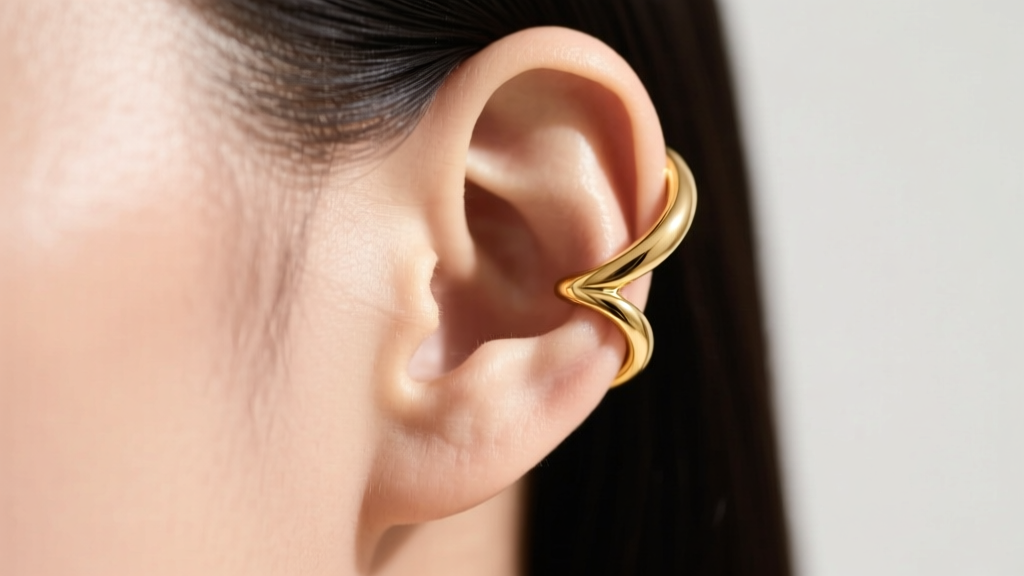
If you have recently found yourself searching for 'hop earrings,' you are not alone. In the modern jewelry community, this phrase is a frequent, endearing misnomer for ear hoppers (more formally known as ear crawlers or ear climbers). Unlike traditional earrings that dangle or sit statically on the earlobe, ear hoppers are designed to 'hop' or crawl up the outer edge of your ear cartilage, creating the illusion of multiple piercings using only a single hole. As we navigate the ear curation trends of 2026, the ear hopper remains a staple for both minimalists and maximalists alike.
This beginner-friendly explainer will break down everything you need to know about ear hoppers, from metallurgy and gauge sizing to insertion techniques and modern styling. Whether you are a seasoned collector or buying your very first piece of cartilage jewelry, this guide will ensure your ear game is safe, comfortable, and undeniably chic.
What Exactly Are 'Hop Earrings'?
The term 'hop earrings' almost always refers to ear crawlers. The mechanics are brilliantly simple: a standard earring post passes through your piercing, while the decorative front of the jewelry is elongated and curves upward, following the natural contour of your ear's helix or anti-helix. The backing of the earring features a tension cuff that gently grips the side of your ear, holding the elongated face securely in place without the need for additional piercings.
This design is perfect for individuals who want the aesthetic of an elaborate ear curation but are limited by workplace dress codes, a low pain tolerance, or simply the healing time required for multiple cartilage piercings. A high-quality ear hopper can completely transform your profile in seconds.
The Anatomy of an Ear Crawler
To understand how to wear and care for your jewelry, you need to understand its three main components:
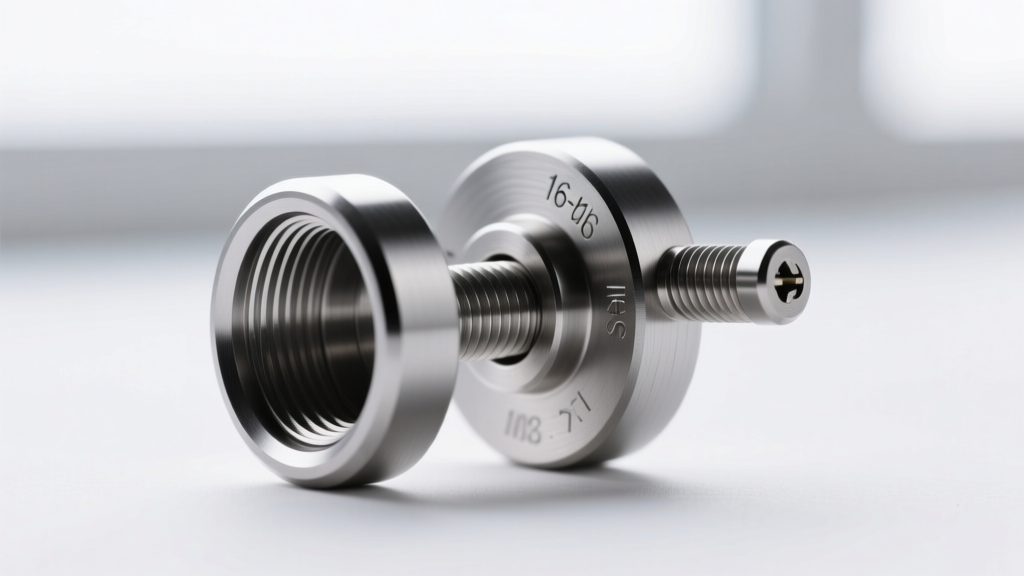
- The Post: The straight wire that actually passes through your piercing. This is typically 6mm to 8mm in length.
- The Tension Cuff (Backing): A C-shaped or U-shaped wire that extends from the back of the post. It rests against the back of your ear, providing the gentle pressure needed to keep the front facing upward.
- The Decorative Face: The visible, elongated front piece. This can feature pavé diamonds, geometric shapes, celestial motifs, or organic vine designs.
Material Safety: What to Buy (and Avoid)
Because ear hoppers sit tightly against the skin and cartilage, material choice is critical. Cartilage is notoriously prone to irritation bumps (hypertrophic scarring) if subjected to friction or allergic reactions. According to the Association of Professional Piercers (APP), only specific, biocompatible metals should be worn in the ear, especially if the piercing is relatively new or sensitive.
Metals Comparison Chart
| Metal Type | ASTM Standard | Nickel-Free? | Best For |
|---|---|---|---|
| Implant-Grade Titanium | F-136 | Yes | Fresh piercings, highly sensitive skin, daily wear |
| Niobium | N/A (Element) | Yes | Hypoallergenic cuffs, anodized color options |
| 14k/18k Solid Gold | N/A | Usually* | Long-term luxury wear, fully healed piercings |
| Surgical Steel | 316L | No (8-10%) | Fully healed, non-sensitive lobes only |
*Note: The Gemological Institute of America (GIA) notes that while pure gold is hypoallergenic, the alloys mixed into 14k and 18k gold can sometimes contain trace nickel. Always verify nickel-free status with the jeweler if you have contact dermatitis, a common issue detailed by the National Center for Biotechnology Information.
Gauge Sizing and Fit: Getting It Right
One of the most common mistakes beginners make is ignoring gauge thickness. The 'gauge' refers to the diameter of the post that passes through your ear. If your ear hopper post is too thin, it will move around, causing the tension cuff to pinch and irritate the back of your ear.
Standard Gauge Guide for Ear Hoppers
- 20 Gauge (0.8mm): Standard for traditional lobe piercings done with a piercing gun. Many fashion-brand ear crawlers use this size, but it is often too flimsy to support the weight of a long cartilage crawler.
- 18 Gauge (1.0mm): The most common size for high-quality ear hoppers. It provides enough structural integrity to hold the tension cuff securely without being too thick for standard lobe holes.
- 16 Gauge (1.2mm): The standard for professional cartilage piercings (like the helix or flat). If you are wearing an ear hopper through a lower helix piercing rather than a lobe piercing, you will likely need a 16g post.
"A well-fitted ear crawler should feel secure without causing a headache or pinching the posterior ear. If you experience throbbing after 30 minutes, the tension cuff is too tight or the gauge is incorrect for your anatomy." — Professional Piercing Guidelines, 2025 Edition.
Step-by-Step: How to Insert an Ear Hopper
Putting in an ear hopper for the first time can feel like a puzzle. Follow these steps to avoid bending the metal or pinching your skin:
- Open the Cuff: Gently pull the tension cuff away from the post to create a wider gap. Do not pull too hard, or you risk permanently warping the metal.
- Insert the Post: Pass the post through your piercing from the front to the back, just like a standard stud earring.
- Position the Face: Rotate the decorative face so it aligns perfectly with the upward curve of your ear's edge.
- Secure the Backing: Slide the tension cuff up the back of your ear. Gently squeeze the cuff toward the post until it rests snugly against your skin. It should feel secure but should not cause pain.
2026 Styling Trends for Ear Crawlers
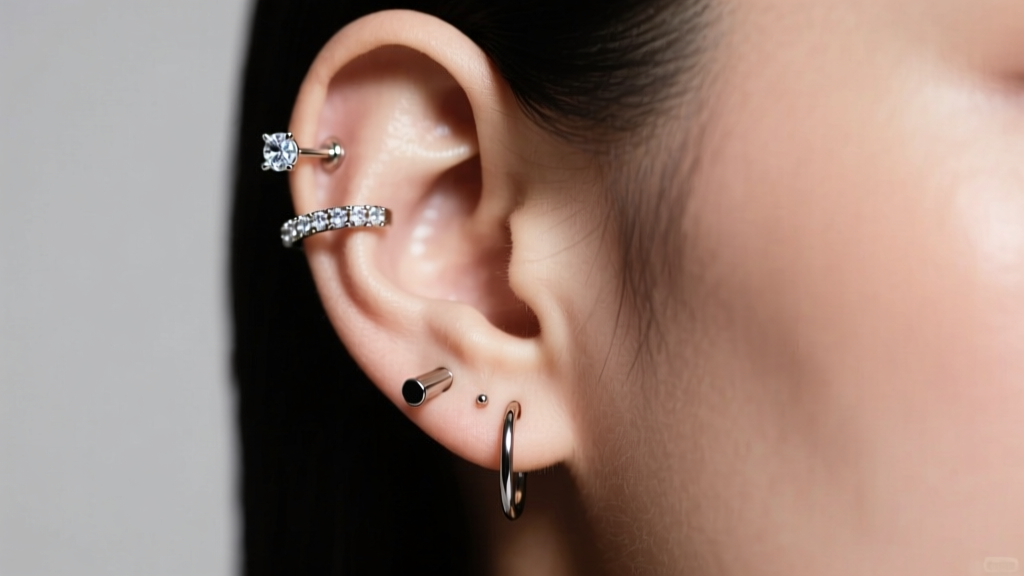
In 2026, the 'constellation' ear curation is dominating the jewelry space. This involves clustering small, delicate pieces to mimic a star map. Ear hoppers are the perfect anchor for this look. Here is how to style them:
- The Lobe-to-Helix Bridge: Wear a pavé diamond ear hopper in your upper lobe, allowing it to point toward a small, 16g titanium flat-back labret in your lower helix. This creates a visual bridge across the ear.
- Asymmetrical Balance: Pair a bold, geometric gold ear crawler on your left ear with a simple, single diamond stud and a micro-huggie on your right ear. Asymmetry keeps the look modern and effortless.
- Mixed Metals: The old rule of sticking to one metal color is dead. Layering a yellow gold ear hopper with white gold or platinum adjacent studs creates a rich, textured aesthetic that catches the light beautifully.
Final Thoughts on Hop Earrings
Whether you call them ear crawlers, ear climbers, or 'hop earrings,' these innovative pieces of jewelry offer a painless, commitment-free way to elevate your personal style. By prioritizing implant-grade materials, respecting your ear's gauge requirements, and mastering the gentle art of the tension cuff, you can enjoy the illusion of a complex piercing curation with zero healing time. Explore the 2026 collections from reputable body jewelers, and let your ear hoppers do the talking.


