Ear Infected From Earring What To Do: Material Guide
Dealing with an ear infected from earring? Learn what to do, how to treat it, and which hypoallergenic metals prevent future reactions and piercings issues.

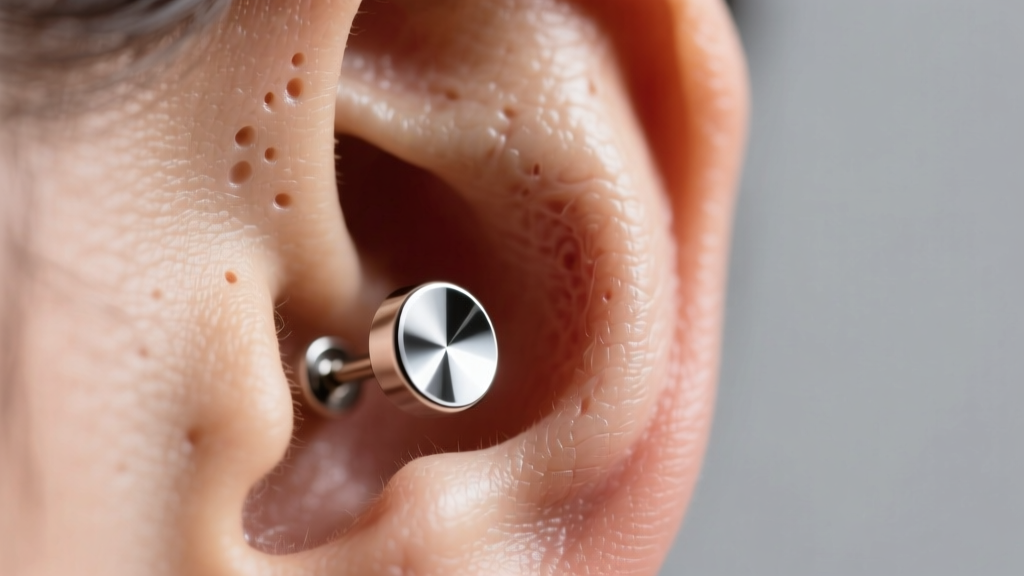
Waking up with a swollen, painful ear is a universal piercing nightmare. If you are dealing with an ear infected from earring what to do is the first question on your mind. However, before you reach for the antibiotic ointment, it is critical to understand that not all ear reactions are bacterial infections. In fact, a vast majority of earring-related ear trauma in 2026 stems from metallurgical incompatibility—specifically, contact dermatitis triggered by reactive alloys.
As a material science and jewelry style expert, I will walk you through the exact triage protocol to save your piercing, decode the metallurgical properties of your earrings, and help you build a truly hypoallergenic collection.
Immediate Triage: Infection vs. Metal Allergy
The most common mistake people make when their ear reacts to an earring is treating a metal allergy with antibacterial creams. This traps moisture and exacerbates the issue. You must first identify the root cause.
Signs of Contact Dermatitis (Nickel Allergy)
- Symptoms: Intense itching, flaking skin, clear weeping fluid, and localized redness exactly where the metal touches the skin.
- Timeline: Appears within 12 to 48 hours of wearing a new or unwashed earring.
- Culprit: Nickel leaching from surgical steel, white gold, or cheap fashion alloys.
Signs of a Bacterial Infection
- Symptoms: Throbbing pain, excessive heat radiating from the earlobe or cartilage, yellow or green purulent discharge (pus), and potentially a low-grade fever.
- Timeline: Develops over several days, often due to trapped moisture, micro-tears from rough earring posts, or poor hygiene.
- Culprit: Staphylococcus or Pseudomonas bacteria entering a compromised skin barrier.
According to the American Academy of Dermatology, nickel allergy is one of the most common causes of allergic contact dermatitis, affecting up to 36% of women in the United States.
The Metallurgical Culprits: Why Your Earring Caused a Reaction
To understand why your ear is reacting, we have to look at the microscopic surface of your earring post. Cheap metals are highly porous. Under a microscope, a standard "surgical steel" post looks like a jagged mountain range. These microscopic ridges cause micro-tears in the delicate fistula (the piercing channel), creating entry points for bacteria.
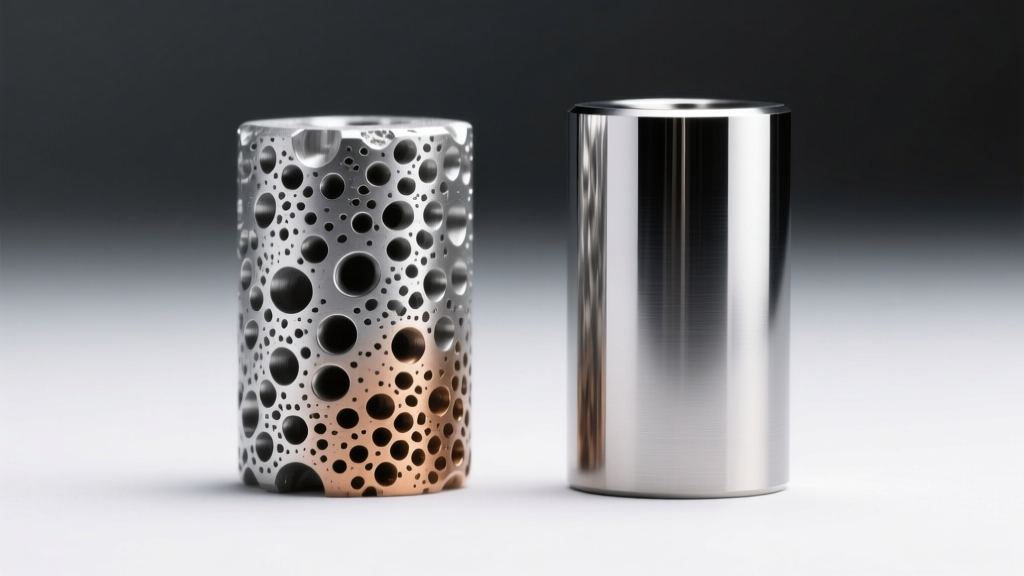
Furthermore, reactive metals like sterling silver and brass undergo oxidation when exposed to the saline environment of a healing or irritated piercing. Sterling silver (92.5% silver, 7.5% copper) is particularly dangerous for fresh or irritated piercings. The copper content can cause argyria, a condition where silver salts deposit in the skin, leaving a permanent grayish-black stain around the piercing hole.
Even "hypoallergenic" surgical stainless steel (often 316L) contains 8% to 10% nickel. While the nickel is bound within the alloy, the friction of inserting and removing the earring, combined with the acidic pH of human sweat, can break the passivation layer and release nickel ions directly into the tissue.
Material Comparison Chart: Safe vs. Reactive Metals
When your ear is compromised, the material of the jewelry you insert next is the difference between healing and chronic inflammation. Below is a definitive guide to earring materials based on biocompatibility and ASTM (American Society for Testing and Materials) standards.
| Material | Nickel Content | Surface Porosity | Biocompatibility Grade | Verdict for Irritated Ears |
|---|---|---|---|---|
| Implant-Grade Titanium (ASTM F136) | 0% | Mirror Polish (Non-porous) | Exceptional | Best Choice. The gold standard for irritated or healing piercings. |
| Niobium | 0% | Highly Polished | Excellent | Highly Recommended. Elemental metal, easily anodized, zero allergy risk. |
| 14k / 18k Solid Gold (Nickel-Free) | 0% (if alloyed with palladium/silver) | Low | Very Good | Safe. Must be verified nickel-free. Avoid white gold (often contains nickel). |
| Borosilicate Glass | 0% | Non-porous | Exceptional | Best for Retainers. Inert, can be autoclaved, perfect for acute infections. |
| Surgical Steel (316L) | 8% - 10% | Moderate (Micro-abrasions) | Poor for Sensitive Skin | Avoid. High risk of triggering contact dermatitis in compromised ears. |
| Sterling Silver (925) | 0% (but contains Copper) | High (Tarnishes/Oxidizes) | Poor | Never use. Causes argyria and severe irritation in open wounds. |
The Hidden Culprit: Earring Backs and Mechanical Irritation
Often, the earring post is not the only source of infection. Traditional "butterfly" friction backs are a breeding ground for bacteria, dead skin cells, and sebum. The tight crevices of a butterfly back trap moisture against the rear of the earlobe, creating a macerated environment where Staphylococcus bacteria thrive. This is the primary cause of the notorious "earring cheese" odor and chronic low-grade infections.
The Solution: Transition to internally threaded or threadless flat-back labrets made from implant-grade titanium. A flat disc rests flush against the back of the ear, eliminating the pressure points and bacterial traps inherent in butterfly clutches. For standard 18-gauge lobe piercings, a 6mm or 8mm post length with a 3mm flat back provides optimal clearance for swelling while preventing the jewelry from embedding into the tissue.
Step-by-Step Recovery: What To Do Right Now
If you are actively dealing with an ear infected from earring, what to do next requires a disciplined, hands-off approach. Follow this exact protocol recommended by the Association of Professional Piercers (APP).
Step 1: Do Not Remove the Jewelry (Unless Directed by a Doctor)
If the ear is genuinely infected (bacterial), removing the earring allows the surface tissue to heal over the infection, trapping it inside and potentially forming an abscess. If it is merely an allergic reaction, you should remove the offending metal immediately.
Step 2: Switch to an Inert Retainer
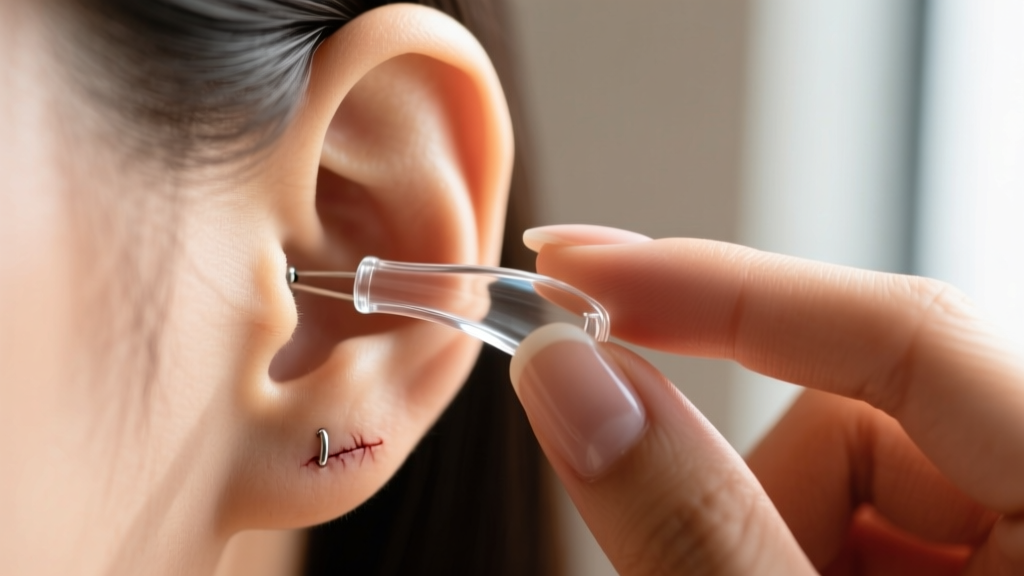
If you must remove a reactive metal due to an allergy, replace it immediately with a sterile borosilicate glass retainer or a PTFE (Teflon) bioplast retainer. This keeps the 20-gauge (0.81mm) or 18-gauge (1.0mm) fistula open without introducing new allergens.
Step 3: Sterile Saline Soaks
Discard homemade sea salt recipes. The incorrect ratio of salt to water creates a hypertonic solution that dehydrates cells and delays healing. Purchase a canned, sterile 0.9% sodium chloride wound wash. Spray the front and back of the earlobe twice daily, and gently pat dry with a non-woven gauze pad. Avoid cotton balls, as the fibers can wrap around the earring post and cause micro-trauma.
Step 4: Avoid Ointments and Alcohol
Neosporin, rubbing alcohol, and hydrogen peroxide are cytotoxic to new, healing skin cells. They destroy the delicate granulation tissue trying to repair your fistula. Stick strictly to sterile saline and warm compresses to encourage blood flow and natural drainage.
Long-Term Prevention: Upgrading Your Earring Wardrobe
Once the acute inflammation has subsided, it is time to audit your jewelry box. To ensure you never have to search for "ear infected from earring what to do" again, adopt these strict purchasing criteria outlined in the APP Jewelry Guide:
- Demand ASTM F136 Certification: "Titanium" is not enough. It must be labeled as Implant-Grade (ASTM F136 or F67). Commercially pure titanium is softer and can harbor bacteria in micro-scratches.
- Check the Post Polish: Run the earring post along your fingernail. If it catches or feels gritty, it will tear your fistula. High-end jewelers use a mirror-polish finish that glides through the tissue.
- Verify the Gauge Size: Standard fashion earrings are often 22-gauge (0.64mm), which is dangerously thin. Thin posts act like cheese-wires, migrating through the earlobe and causing mechanical irritation bumps. Upgrade to 18-gauge (1.0mm) or 16-gauge (1.2mm) posts for structural stability.
- Embrace PVD Coating: If you prefer the look of gold but have severe metal sensitivities, look for PVD (Physical Vapor Deposition) gold coating over an implant-grade titanium base. This provides the aesthetic of 14k gold with the biocompatibility of titanium.
When to Seek Medical Attention
While most contact dermatitis and minor localized infections resolve with proper material swaps and saline care, cartilage piercings (like the helix or tragus) are highly susceptible to perichondritis. If you experience swelling that engulfs the earring, red streaks radiating from the ear, or a fever over 100.4°F (38°C), bypass the jewelry store and visit an urgent care clinic immediately for prescription oral antibiotics.


