Earring Back Stuck in Ear Lobe: Safe Removal & Modern Clasp Trends
Discover safe, step-by-step removal techniques for an earring back stuck in ear lobe, plus 2026 jewelry trends replacing faulty friction clasps.

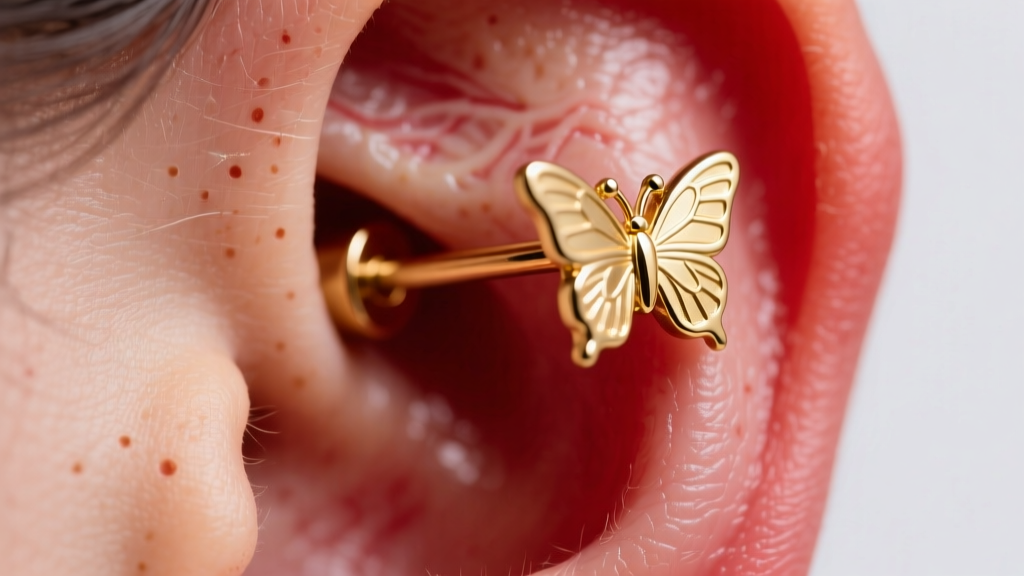
The Anatomy of a Jam: Why Friction Backs Fail
Few jewelry emergencies induce as much immediate panic as realizing you have an earring back stuck in ear lobe tissue. As a staple of traditional jewelry design, the friction back—commonly known as the butterfly clutch—relies entirely on metal tension to grip the earring post. While economical and ubiquitous, this mechanism is fundamentally flawed when paired with the dynamic biology of the human body.
Standard lobe piercings are typically performed at 20-gauge (0.81mm) or 18-gauge (1.02mm). The butterfly clutch features a rolled sheet-metal spring mechanism that snaps into a shallow groove on the post. The failure mode occurs when external pressure forces the back past this groove, or when the earlobe tissue swells. Swelling is often triggered by contact dermatitis (a nickel allergy common in lower-grade metals), sleeping on the jewelry, or minor trauma. As the tissue expands, it engulfs the post and the back, creating a vacuum-like seal that makes simple pulling impossible and incredibly painful.
Emergency Protocol: Safely Extracting a Stuck Back
When an earring back stuck in ear lobe tissue becomes a reality, brute force is your worst enemy. Yanking at the jewelry will only cause micro-tears in the fistula (the piercing channel), leading to scar tissue buildup and potential infection. Instead, follow this clinical-grade extraction protocol recommended by professional piercing standards.
Step 1: Lubricate and Soften
Do not use harsh oils, petroleum jelly, or alcohol, which can irritate compromised tissue. Instead, apply a generous amount of sterile saline solution or a medical-grade, water-based silicone lubricant to both the front of the post and the embedded back. Allow it to sit for five minutes to soften the hardened lymph and tissue fluid that may be acting as a biological glue.
Step 2: Stabilize with Proper Tools
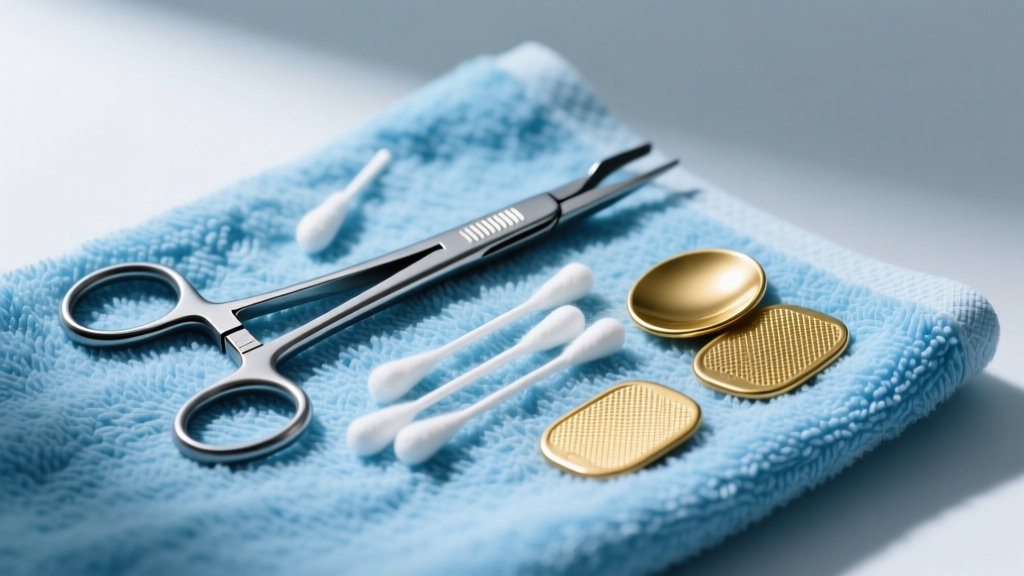
Your fingers lack the grip strength and precision needed to separate a tension-locked clutch from a thin post. You need a pair of sterilized hemostats (locking medical pliers), available at most pharmacies. Gently clamp the hemostat onto the earring post right where it exits the front of the earlobe. This stabilizes the jewelry and prevents the post from bending or snapping under pressure.
Step 3: The Twist-and-Pull Technique
With your dominant hand, grip the embedded butterfly back using your thumb and forefinger (or a second pair of hemostats if the swelling is severe). Apply a gentle, continuous twisting motion while pulling straight back along the axis of the post. The twisting motion breaks the tissue seal and disengages the spring tension. If the tissue is severely engorged, gently massage the lobe downward to encourage blood flow away from the immediate piercing site.
"Never use sharp tools like needles or tweezers to dig into the tissue to free a stuck earring back. This introduces bacteria directly into the bloodstream and guarantees scarring. If the jewelry will not budge after gentle manipulation, seek a professional piercer or urgent care physician." — Association of Professional Piercers (APP)
Trend Analysis: The Shift Away from Friction Backs
From a style and trend analysis perspective, the jewelry industry is actively correcting this design flaw. The "curated ear" movement, which dominated the 2020s, has matured into a demand for high-functioning, anatomical jewelry. In 2026, fine jewelry designers and master piercers are aggressively phasing out butterfly backs in favor of secure, tissue-friendly alternatives.
The modern consumer views friction backs as outdated, associating them with cheap, mass-produced fashion jewelry. High-end brands are now standardizing internally threaded and threadless mechanisms, which eliminate the sharp, exposed threads and tension-based clasps that cause tissue trauma.
| Clasp Mechanism | How It Works | Failure / Snag Rate | 2026 Trend Status |
|---|---|---|---|
| Friction (Butterfly) | Metal tension grips a notched post | High (prone to embedding) | Declining; relegated to fast fashion |
| Screw-Back | Post threads directly into the back | Very Low (secure but can unscrew) | Stable; standard for diamond studs |
| Threadless (Push-Pin) | Bent pin creates tension inside a hollow post | Near Zero (no external moving parts) | Dominant; the gold standard for curated ears |
| Flat-Back Labret | Disc sits flush against the inner ear | Near Zero (distributes pressure evenly) | Surging; replaces all standard lobe posts |
Material Matters: Hypoallergenic Upgrades to Reduce Swelling
A primary culprit behind the earring back stuck in ear lobe phenomenon is allergic contact dermatitis. According to the American Academy of Dermatology, nickel is the most common cause of allergic contact dermatitis, and it is frequently alloyed into lower-grade "surgical steel" or white gold.
When an earlobe reacts to nickel, the tissue rapidly inflames, expanding up to twice its normal volume. This swelling instantly swallows the earring back. To prevent this, the 2026 fine jewelry market has pivoted heavily toward biocompatible materials:
- ASTM F136 Implant-Grade Titanium: The absolute gold standard for sensitive ears and fresh piercings. It contains zero nickel and is lightweight, reducing the downward drag on the lobe.
- 14k or 18k Solid Yellow Gold: Naturally hypoallergenic, provided it is not alloyed with nickel (which is sometimes used to create white gold).
- Niobium: A highly reactive element that creates a safe, anodized oxide layer, frequently used in seamless hoops and clickers.
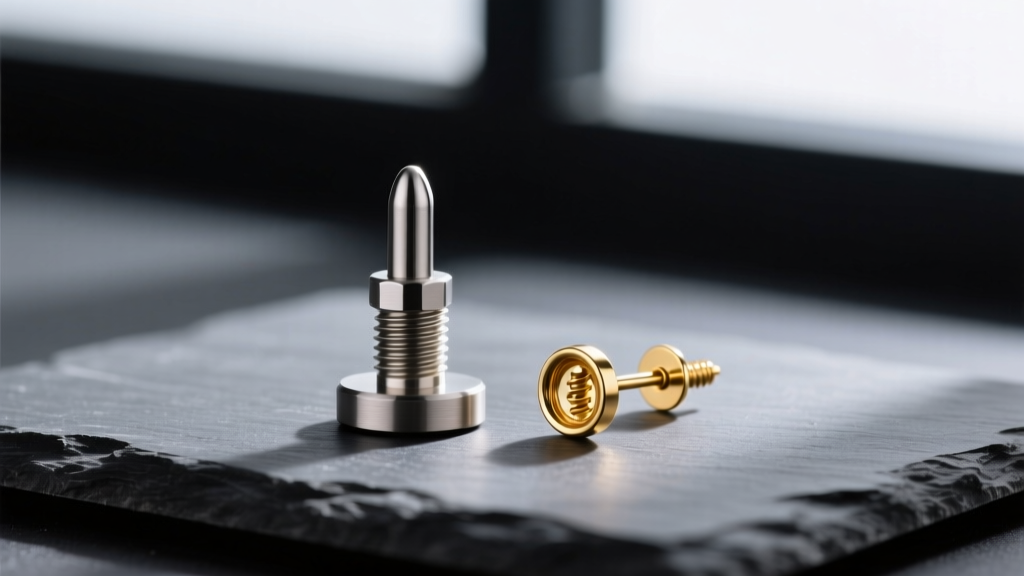
Styling Without the Snag: Managing Heavy Statement Pieces
The resurgence of heavy, oversized vintage hoops and chunky gemstone drop earrings presents a unique physics problem. Heavy earrings create significant downward torque. This torque pulls the front of the earring downward, which in turn levers the earring post upward inside the fistula, driving the back directly into the soft tissue behind the earlobe.
To style heavy statement pieces without risking an embedded back, jewelry stylists recommend utilizing silicone earlobe support patches or ear jackets. These accessories sit behind the earlobe, distributing the weight of the heavy jewelry across a wider surface area of the ear. By reducing the point-load pressure on the piercing channel, the earring back remains flush against the silicone support rather than digging into your skin.
Final Thoughts on Ear Health and Jewelry Design
Experiencing an earring back stuck in ear lobe tissue is a clear signal that your jewelry's mechanics are incompatible with your anatomy. While knowing the emergency extraction protocol is vital, the ultimate solution lies in upgrading your jewelry box. By transitioning to internally threaded flat-back labrets, threadless push-pin ends, and ASTM F136 titanium, you align your style with modern, anatomical engineering. The future of ear styling is not just about the aesthetic of the front-facing gem; it is equally about the invisible, flawless engineering of the hardware that holds it in place.


