Best Earring Backs Clear Materials: Silicone vs Acrylic
Compare silicone, acrylic, and PVC earring backs clear materials. Discover hypoallergenic properties, grip strength, and longevity for sensitive ears.

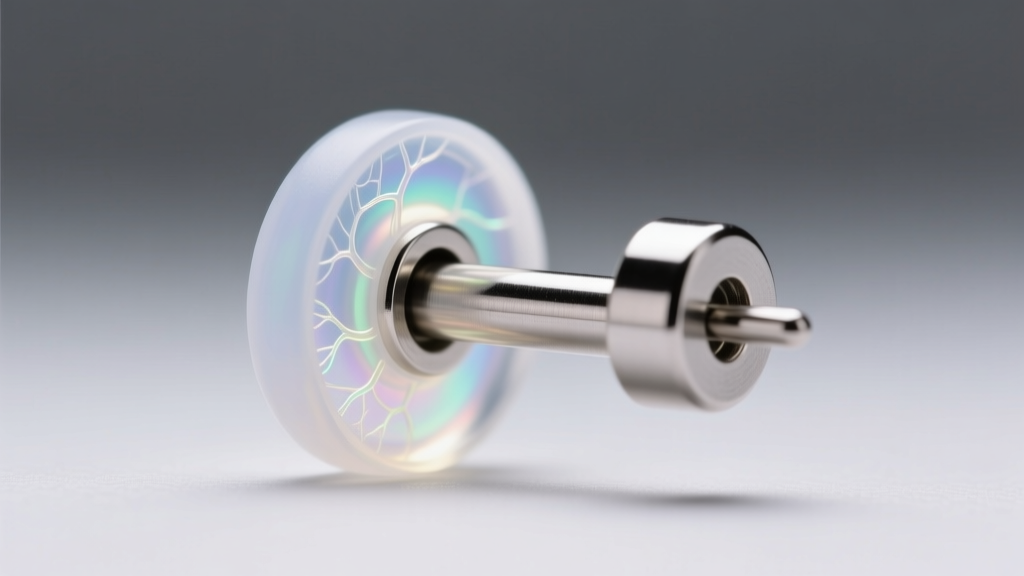
The Hidden Chemistry of Earring Backs Clear Materials
When jewelry enthusiasts and everyday wearers search for earring backs clear of visual obstruction, the primary goal is usually aesthetic discretion. Clear ear nuts, clutches, and O-rings allow the focus to remain entirely on the gemstone or metalwork of the earring itself. However, treating all transparent earring backs as a single category is a critical mistake that can lead to lost jewelry, degraded materials, and severe contact dermatitis. The term 'clear' encompasses a wide spectrum of polymers, each with vastly different chemical structures, friction coefficients, and biocompatibility profiles.
In 2026, the market is saturated with transparent earring backs ranging from medical-grade platinum-cured silicones to cheap, plasticizer-heavy polyvinyl chloride (PVC). Understanding the material science behind these polymers is essential for anyone managing sensitive earlobes, heavy statement pieces, or high-value fine jewelry. This guide breaks down the exact material properties, failure modes, and post-compatibility metrics you need to make an informed decision.
Material Breakdown: Silicone, Acrylic, and PVC
The transparency of a polymer is dictated by its crystalline structure and how it scatters light. While several plastics can be manufactured to be optically clear, only a few possess the mechanical properties required for the high-friction, high-moisture environment of the human ear.
Medical-Grade Silicone (Platinum-Cured)
The gold standard for hypoallergenic earring backs is platinum-cured silicone. Unlike tin-cured silicones (which are cheaper and prone to off-gassing), platinum-cured variants undergo an addition-curing process that leaves no toxic byproducts. These backs typically feature a Shore A durometer rating between 20 and 30, providing a soft, rubbery texture that creates an exceptional interference fit. Because silicone is inherently non-porous and chemically inert, it does not react with sebum, sweat, or cosmetics. According to DermNet NZ, pure silicone is exceptionally rare as a contact allergen, making it the safest choice for compromised skin barriers.
Acrylic (Polymethyl Methacrylate / PMMA)
Acrylic is a rigid thermoplastic prized for its optical clarity, which closely mimics glass. In the context of earring backs, acrylic is often used for 'screw-back' or 'friction-fit' hard clutches. While PMMA is highly resistant to UV yellowing and does not degrade when exposed to skin oils, its rigidity is a double-edged sword. Acrylic lacks the elastomeric grip of silicone, meaning it relies entirely on mechanical tension or threading to stay on the post. Furthermore, acrylic is brittle; applying excessive lateral force when removing a tight acrylic back can cause it to shatter into sharp micro-fragments.
Polyvinyl Chloride (PVC) and Thermoplastic Polyurethane (TPU)
The vast majority of inexpensive, bulk-packaged clear earring backs found in big-box craft stores are made from flexible PVC or low-grade TPU. To achieve flexibility, manufacturers load these polymers with phthalate plasticizers. Over time, body heat and the natural lipids in ear sebum extract these plasticizers from the polymer matrix. This migration not only causes the plastic to turn yellow and become brittle, but the leached chemicals are known triggers for allergic contact dermatitis. Clinical dermatological guidelines frequently cite plasticizer migration as a primary culprit for unexplained earlobe redness and weeping in patients wearing cheap jewelry components.
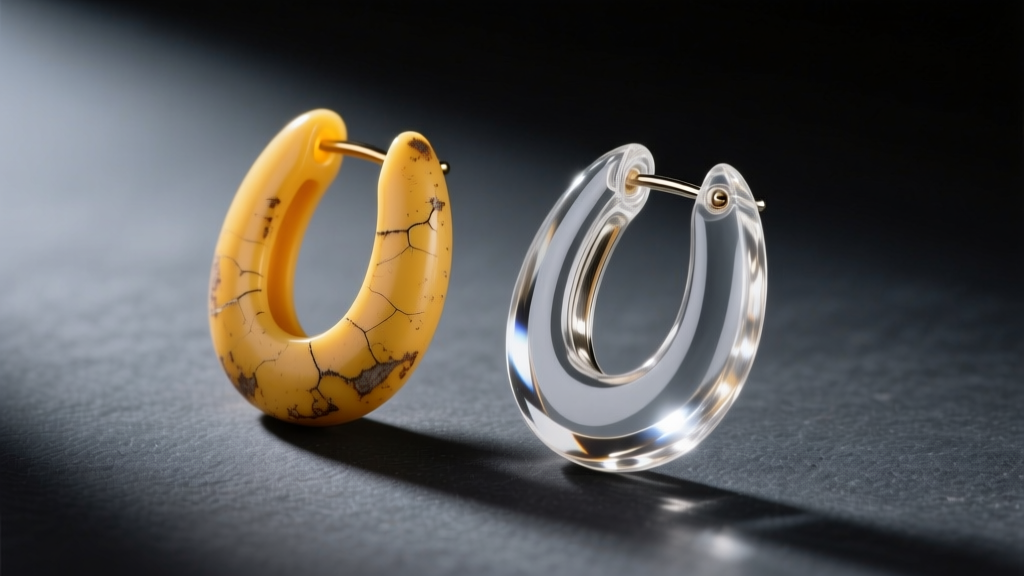
Comparative Data: Friction, Degradation, and Biocompatibility
To quantify the differences between these materials, we must look at standardized material testing metrics. The table below compares the three most common clear polymers used in earring backs across five critical performance indicators.
| Material | Durometer (Shore) | Friction Coefficient | UV & Sebum Resistance | Hypoallergenic Rating | Avg. Functional Lifespan |
|---|---|---|---|---|---|
| Platinum Silicone | 20A - 30A (Soft) | High (Elastomeric Grip) | Excellent (Inert) | Class VI Medical | 12 - 18 Months |
| Acrylic (PMMA) | 85D (Hard/Rigid) | Low (Relies on threading) | Excellent (No yellowing) | High (Inert) | 3 - 5 Years |
| Flexible PVC | 60A - 80A (Medium) | Medium (Degrades over time) | Poor (Yellows rapidly) | Low (Plasticizer risk) | 1 - 3 Months |
| TPU (Polyurethane) | 40A - 60A (Soft) | Medium-High | Moderate (Slight yellowing) | Moderate | 6 - 9 Months |
Post Compatibility: Matching Backs to Metal Gauges
The efficacy of any earring back clear material is entirely dependent on its mechanical interface with the earring post. Earring posts are generally manufactured in two standard wire gauges: 20-gauge (0.81mm) and 18-gauge (1.02mm). Fine jewelry may occasionally use 22-gauge (0.64mm), while heavy cartilage pieces might use 16-gauge (1.29mm).
The Mathematics of the Interference Fit
For elastomeric materials like silicone and TPU, the inner bore of the earring back must be slightly smaller than the post diameter to create an 'interference fit.' For a standard 20-gauge post (0.81mm), the ideal silicone bore diameter is 0.70mm to 0.75mm. This 7% to 13% negative tolerance ensures the silicone stretches slightly upon insertion, generating the radial force necessary to grip the post and resist accidental removal. If the bore is too large, the earring will slide off; if it is too small, the insertion force required may bend softer metal posts, such as 14k or 18k gold, which have lower yield strengths compared to ASTM F136 implant-grade titanium.
Conversely, rigid acrylic backs cannot utilize an interference fit. They must be manufactured with a bore tolerance of +0.02mm to allow the post to slide in without friction, relying instead on a mechanical locking mechanism, such as a threaded screw-back or a precision-machined friction groove on the post itself.
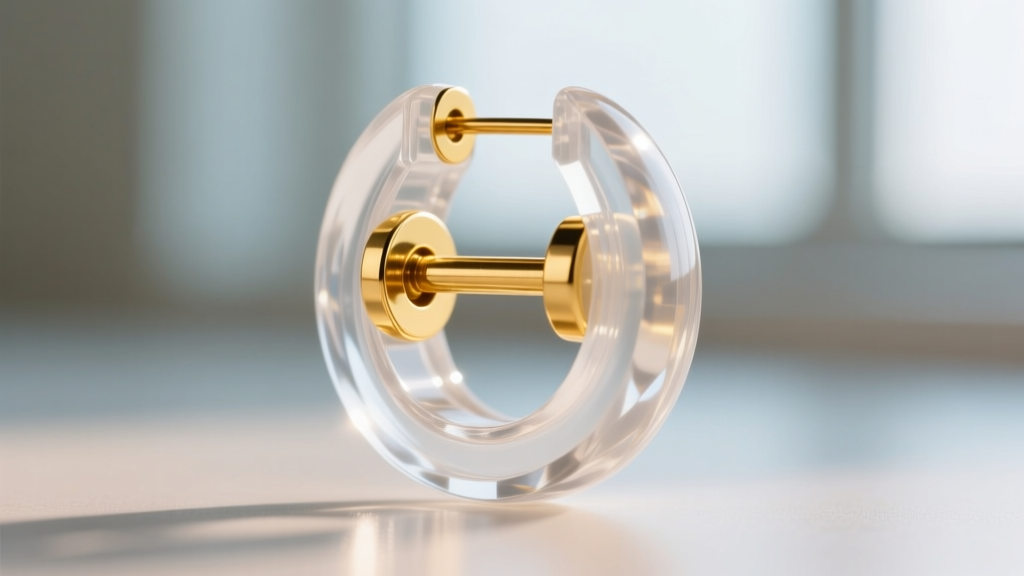
Failure Modes: Yellowing, Cracking, and Contact Dermatitis
Understanding how and why clear earring backs fail allows you to preemptively replace them before they compromise your jewelry or your health.
- Oxidative Yellowing: PVC and lower-grade polyurethanes contain aromatic rings in their polymer chains. When exposed to ultraviolet light and ambient oxygen, these rings undergo photo-oxidation, resulting in a distinct yellow or brown tint. This is purely aesthetic but serves as a visual indicator that the polymer chain is breaking down and losing structural integrity.
- Stress Cracking: Acrylic clutches are highly susceptible to environmental stress cracking (ESC). When exposed to certain chemicals found in hairsprays, perfumes, and alcohol-based sanitizers, micro-fissures form in the acrylic. These fissures are invisible to the naked eye until the clutch suddenly snaps under normal handling pressure.
- Plasticizer Migration: As mentioned, flexible PVC relies on phthalates. When these leach out, the material shrinks and hardens. A PVC back that was once easy to push onto an 18-gauge post may shrink to the point where it acts like a vice, requiring pliers to remove and severely scratching the earring post in the process.
Expert Maintenance and Replacement Cycles
To maintain the security of your earrings and the health of your piercings, implement a strict maintenance protocol based on the material of your clear backs. ASTM International standards for jewelry components emphasize the importance of regular inspection for material degradation, especially in items worn continuously against the skin.
Pro Tip: Never use rubbing alcohol or ultrasonic cleaners on flexible PVC or TPU earring backs. The solvents will accelerate plasticizer extraction and cause the material to turn opaque and brittle within hours. Stick to warm water and a mild, fragrance-free soap.
Silicone Maintenance: Platinum-cured silicone can be sterilized by boiling in water for 5 minutes. This removes accumulated sebum and dead skin cells from the inner bore, restoring its original friction coefficient. Replace silicone O-rings or clutches every 12 to 18 months, or immediately if they lose their elasticity.
Acrylic Maintenance: Wipe acrylic backs with a damp microfiber cloth. Inspect the interior bore for micro-scratches, which can harbor bacteria. Because acrylic does not degrade from skin oils, these backs only need replacement if the mechanical threading strips or if visible stress cracks appear.
PVC/TPU Maintenance: Treat these as single-use or short-term disposables. If you must use them, replace them every 30 to 60 days. The moment you notice a yellow tint or a stiffening of the plastic, discard them immediately to prevent contact dermatitis and post-damage.
Final Verdict on Clear Earring Materials
The pursuit of invisible earring security should never come at the cost of material integrity. For daily wear, sensitive ears, and high-value fine jewelry, platinum-cured medical silicone is the undisputed champion, offering superior grip and total biocompatibility. Acrylic serves a niche purpose for threaded, hard-clutch applications where rigidity is required. Flexible PVC, however, should be avoided entirely by anyone prioritizing ear health and jewelry longevity. By matching the correct polymer to your specific earring gauge and lifestyle, you ensure that your jewelry remains secure, pristine, and comfortable.


