Earring Fish Hooks: The 2026 Budget & Value Guide
Discover the true value of earring fish hooks in 2026. We compare materials, gauges, and pricing tiers to help you buy the best findings.

The True Cost of Earring Fish Hooks in 2026
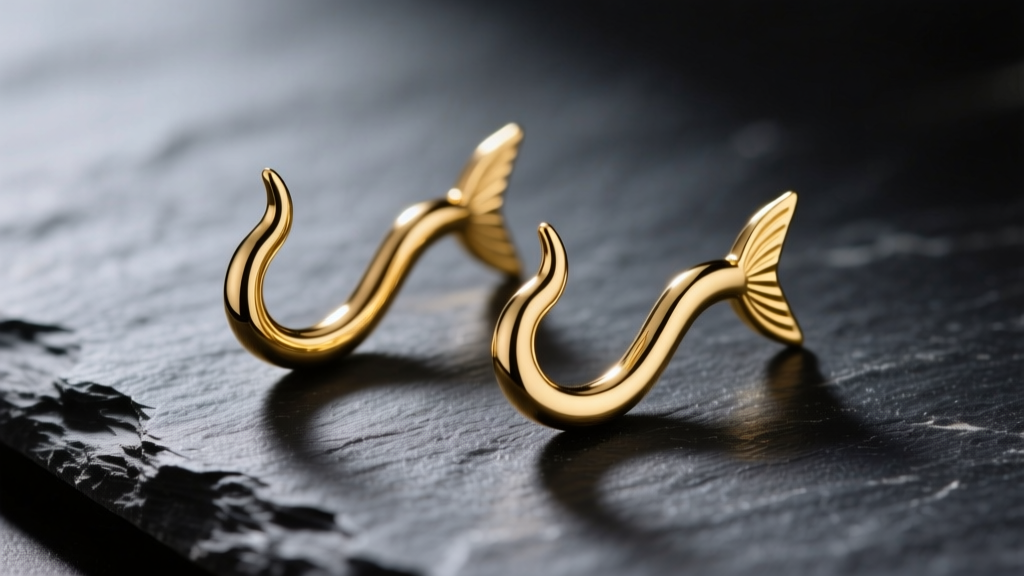
When building a jewelry line or curating a personal collection, the humble earring fish hook (often called a French wire or shepherd hook) is frequently treated as an afterthought. Yet, this simple finding bears the entire structural and financial weight of your dangling earrings. In 2026, with precious metal markets experiencing continued volatility, assessing the budget and value of your earring findings is no longer optional—it is a critical business and styling imperative. A cheap hook can ruin an expensive gemstone drop, while an overpriced solid gold hook might unnecessarily inflate your retail margins. This guide breaks down the exact metallurgy, gauge specifications, and wholesale pricing tiers you need to make informed, value-driven purchasing decisions.
Wire Gauge and Tensile Strength
The thickness of the wire, measured in gauge (AWG), directly impacts both the comfort of the wearer and the structural integrity of the earring. The industry standard for earring fish hooks is 20-gauge (0.81mm). This thickness provides the optimal balance between sliding comfortably through a standard earlobe piercing and possessing enough tensile strength to support moderate-weight drops without warping.
Many budget suppliers offer 22-gauge (0.64mm) hooks to save on material costs, particularly in solid gold or sterling silver. While 22-gauge wire is perfectly suitable for lightweight feather or resin dangles, it is a catastrophic choice for heavy gemstone or glass drops. Under the stress of daily wear, a 22-gauge hook will slowly pull open, leading to lost earrings and frustrated customers. Conversely, 18-gauge (1.02mm) hooks offer maximum security for heavy chandelier earrings but can cause discomfort or stretching in finer, unhealed, or sensitive piercings.
Temper and Wire Hardness
Beyond thickness, the temper (hardness) of the metal dictates its value. Earring fish hooks should be crafted from half-hard wire. Dead-soft wire is too malleable and will lose its signature curve when handled, while full-hard wire is too brittle and will snap when the wearer attempts to open the loop to attach a jump ring. When sourcing, always verify that your supplier specifies half-hard temper for their French wires.
Material Breakdown: Budget vs. Premium Tiers
The material composition of your earring fish hooks represents the largest variable in your findings budget. Below is a comprehensive assessment of the most common metals used in 2026, evaluated on cost, durability, and hypoallergenic properties.
| Material | Wholesale Cost (Per Pair) | Durability & Tarnish | Hypoallergenic Status |
|---|---|---|---|
| Surgical Steel (316L) | $0.10 - $0.15 | High / Tarnish-resistant | Good (Contains trace nickel) |
| Sterling Silver (925) | $0.45 - $0.65 | Medium / Tarnishes easily | Excellent (Usually nickel-free) |
| Argentium Silver (960) | $0.75 - $1.10 | High / Highly tarnish-resistant | Excellent |
| 14k Gold-Filled (14/20) | $1.20 - $1.80 | High / Long-lasting gold layer | Excellent |
| Niobium (Anodized) | $0.60 - $0.90 | High / Will not tarnish | Superior (100% Nickel-free) |
| Solid 14k Gold | $8.00 - $14.00+ | Maximum / Heirloom quality | Excellent |
For independent jewelers operating on a strict budget, 14k Gold-Filled (14/20) offers the highest return on investment. According to the Federal Trade Commission (FTC), gold-filled items must contain at least 1/20th of their total weight in solid gold, mechanically bonded to a brass core. Unlike gold-plated hooks, which feature a microscopic layer of gold that flakes off within months, gold-filled hooks can endure years of friction against the earlobe without exposing the base metal.
The Hidden Costs of Cheap Findings (Failure Modes)
When evaluating the budget for earring fish hooks, it is vital to calculate the "hidden costs" of purchasing ultra-cheap, mass-imported findings from unverified marketplaces. These failure modes can severely damage a brand's reputation:
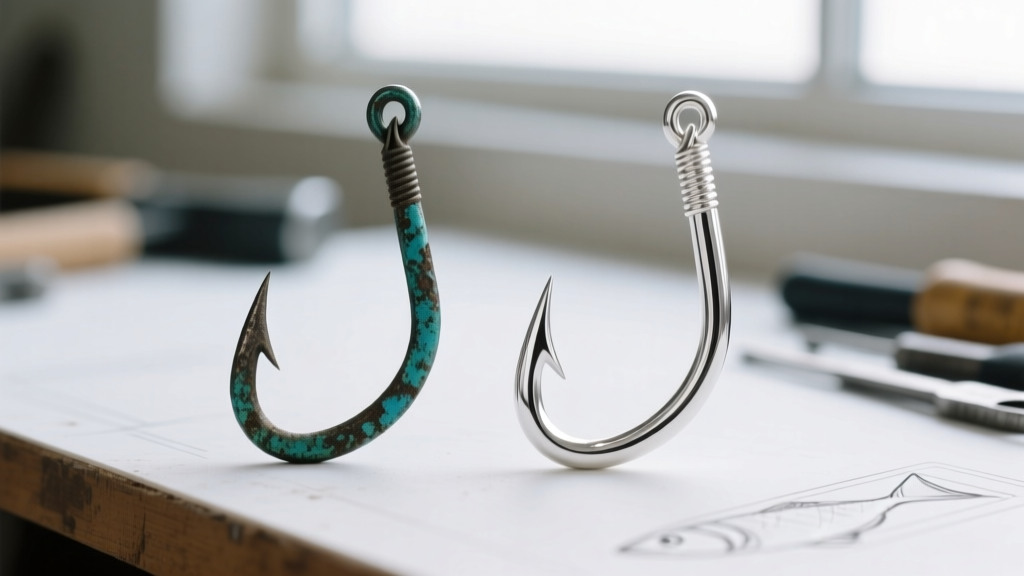
- Galvanic Corrosion and Plating Loss: Budget gold-plated hooks often use a copper or brass base without a proper palladium or nickel barrier layer. When exposed to the natural acids and salts of human skin, the plating degrades rapidly, leaving the wearer with a green-stained earlobe and an unusable finding.
- Metal Fatigue at the Loop: The small loop at the front of the fish hook is a primary stress point. Cheap, machine-stamped hooks often suffer from micro-fractures at this bend. Repeated opening and closing by the end-user will cause the loop to snap cleanly off, resulting in the loss of the entire earring drop.
- Contact Dermatitis: The most critical failure mode is biological. Many budget "silver-toned" or "hypoallergenic" hooks contain hidden nickel alloys to increase hardness and shine. The American Academy of Dermatology notes that nickel allergy is one of the most common causes of allergic contact dermatitis. Sourcing verified nickel-free materials like Niobium or Argentium silver is a non-negotiable value-add for sensitive ears.
"A $15 wholesale earring drop lost to a $0.10 broken fish hook represents a 100% failure in value engineering. Never compromise on the structural integrity of your primary piercing contact point." — Master Bench Jeweler Assessment, 2025
Sourcing Strategy: Where to Buy in 2026
To maximize your findings budget, you must bypass retail craft stores and middleman dropshippers. Professional jewelry suppliers offer tiered pricing that dramatically reduces the per-unit cost of high-quality earring fish hooks. Industry leaders like Rio Grande and Stuller provide certified metal compositions, ensuring that your "sterling silver" is actually .925 purity and your gold-filled wire meets FTC standards.
Bulk Wholesale vs. Retail Markup
Purchasing earring fish hooks in bulk quantities (e.g., gross packs of 144 pairs) can reduce your per-pair cost by 40% to 60% compared to buying in packs of 6 or 12. However, bulk buying requires proper inventory management. Sterling silver and copper-based alloys will tarnish if exposed to ambient humidity. To protect your bulk investment, store your findings in airtight ziplock bags with anti-tarnish 3M Silver Protector strips, and keep them in a climate-controlled environment rather than a damp basement studio.
Final Verdict: Maximizing Your Findings Budget
The value of earring fish hooks is not determined solely by the lowest upfront price, but by the intersection of material longevity, wearer comfort, and brand trust. For budget-conscious creators focusing on fashion or semi-precious stone jewelry, 20-gauge 14k Gold-Filled and Niobium hooks offer the most aggressive value proposition in 2026. They provide the aesthetic appeal and hypoallergenic safety of premium metals at a fraction of the cost of solid gold.
Conversely, if you are setting high-ticket diamonds, sapphires, or heirloom-grade gemstones, the only logical choice is solid 14k or 18k gold, half-hard fish hooks. The marginal savings of using gold-filled wire on a $500 earring drop is mathematically insignificant compared to the risk of devaluing the piece in the eyes of a discerning collector. By aligning your hook material and gauge precisely with the weight and value of your drops, you ensure that every earring you produce is structurally sound, financially viable, and comfortable for the end wearer.


