Earring Infection Treatment: Step-by-Step Healing Guide
Master earring infection treatment with our step-by-step guide. Learn to triage lobe and cartilage issues, mix proper saline, and choose safe metals.

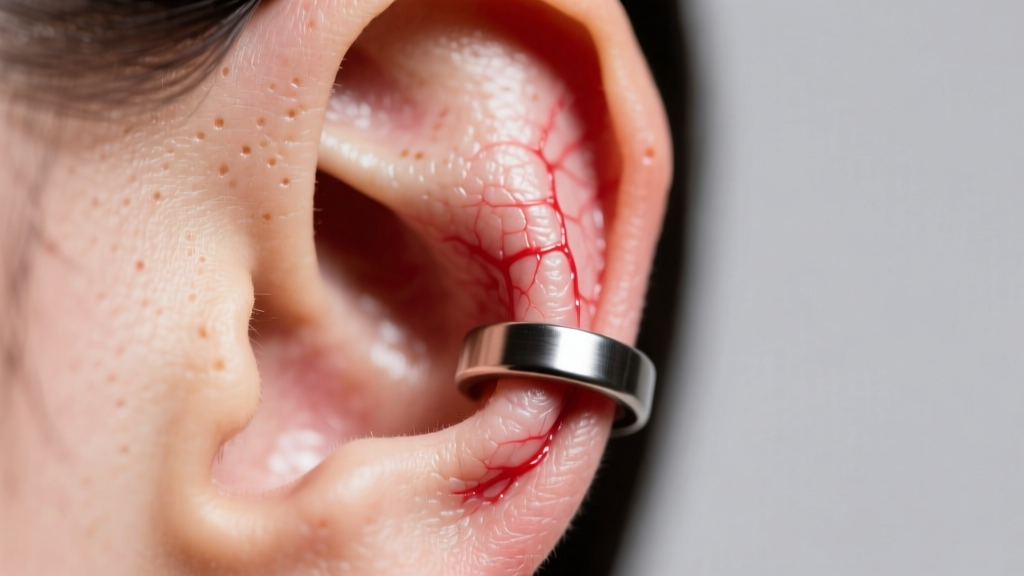
Waking up to a swollen, throbbing, or weeping ear piercing is a universal source of panic for jewelry lovers. However, before you reach for the rubbing alcohol or aggressively yank out your favorite hoops, it is critical to understand what is actually happening beneath the skin. True bacterial infections are relatively rare in healed piercings, while contact dermatitis and mechanical irritation are incredibly common. Applying the wrong earring infection treatment to an irritation bump can actually worsen the trauma and delay healing.
This comprehensive, step-by-step guide will help you accurately triage your symptoms, formulate a proper cleaning protocol, and understand the metallurgical science behind post-infection jewelry swaps. Whether you are dealing with a standard 20-gauge lobe stud or a complex 16-gauge cartilage constellation, precise aftercare is your best defense.
Step 1: Triage Your Symptoms (Infection vs. Allergy vs. Irritation)
The most common mistake in earring infection treatment is misidentifying the root cause. A localized bacterial infection presents very differently from a nickel allergy or a simple irritation bump caused by sleeping on your ear. Use the diagnostic table below to identify your primary issue before proceeding to treatment.
| Condition | Primary Symptoms | Exudate (Discharge) | Onset Speed |
|---|---|---|---|
| Bacterial Infection | Intense heat, deep throbbing pain, spreading redness, systemic fever (rare) | Thick, opaque yellow/green pus; foul odor | Rapid (24-48 hours) |
| Contact Dermatitis (Nickel Allergy) | Intense itching, flaky skin, localized rash, weeping clear fluid | Clear, watery, sticky lymph fluid | Gradual (Days to weeks) |
| Mechanical Irritation | Tender to the touch, small localized bump (granuloma), mild redness | Minimal; occasional clear crusties | Variable (Often after trauma) |
If you suspect a true bacterial infection characterized by heat and opaque pus, you must follow strict hygiene protocols. If your symptoms align with contact dermatitis, your earring infection treatment must focus entirely on removing the allergen (usually nickel found in cheap alloys or low-grade surgical steel) rather than fighting bacteria.
Step 2: The Immediate Earring Infection Treatment Protocol
Once you have determined that you are dealing with a localized infection or severe irritation, you must establish a sterile environment. The Association of Professional Piercers (APP) strongly advises against using harsh chemicals like hydrogen peroxide, rubbing alcohol, or antibiotic ointments. These substances destroy newly formed, fragile epithelial cells and trap bacteria beneath a greasy barrier.
Follow this exact daily protocol for optimal healing:
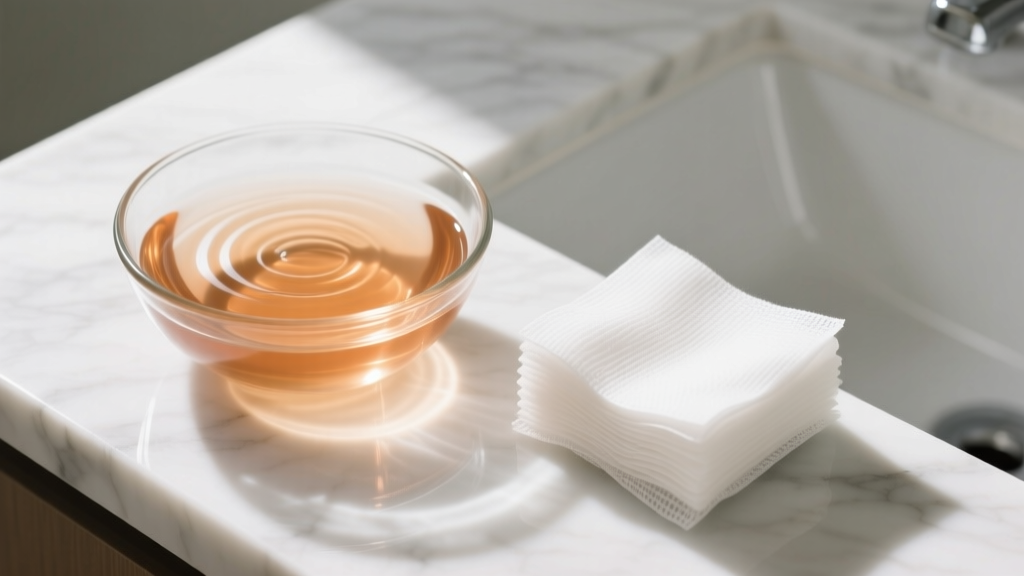
- Mix an Isotonic Saline Solution: Dissolve exactly 1/4 teaspoon of non-iodized sea salt into 8 ounces of distilled water. This creates a 0.9% isotonic solution that matches your body's natural salinity, preventing cellular dehydration.
- Apply via Sterile Gauze: Avoid cotton balls or swabs, which leave microscopic fibers tangled in the jewelry post and fistula (the piercing canal). Soak a non-woven sterile gauze pad in the warm saline and apply it as a compress for 3 to 5 minutes.
- Rinse and Dry: Gently rinse the area with clean, distilled water to remove salt residue, which can cause contact dermatitis if left to dry on the skin. Pat completely dry with a fresh paper towel.
- Frequency: Repeat this process exactly twice daily. Over-cleaning strips the skin of its natural acid mantle and delays the earring infection treatment process.
Step 3: The Jewelry Dilemma - Remove or Retain?
The most debated topic in earring infection treatment is whether to remove the jewelry. Conventional wisdom often suggests taking the earring out to let the hole breathe. In the context of an active infection, this is usually a catastrophic mistake.
If you remove the jewelry while an infection is present, the surface tissue will rapidly heal over the fistula. This creates an abscess trap, sealing the bacteria inside the earlobe or cartilage with no exit route for the pus. This can turn a minor localized infection into a severe medical emergency requiring surgical lancing.
Gauge Size and Tissue Swelling
Instead of removing the jewelry, you must ensure the post is long enough and thick enough to accommodate swelling. Standard fashion earrings are typically 20-gauge (0.81mm) or 22-gauge (0.64mm). In swollen, infected tissue, these thin posts act like a cheese-wire, migrating through the flesh and causing severe mechanical trauma. If possible, have a professional piercer upsizing your jewelry to a 16-gauge (1.2mm) or 14-gauge (1.6mm) implant-grade titanium post with an extended length (e.g., 5/16 inch or 8mm) to allow for edema (swelling).
Step 4: Material Forensics - Upgrading to Biocompatible Metals
You cannot successfully complete an earring infection treatment if the metal sitting inside the wound is actively corroding or leaching allergens. The term 'surgical steel' is largely a marketing myth in the jewelry industry. Most commercial surgical steel (ASTM F138) contains between 8% and 12% nickel. When exposed to the saline environment of an open wound, nickel ions leach into the tissue, triggering severe contact dermatitis that mimics an infection.
To halt the inflammatory response, you must upgrade to verified, biocompatible materials:
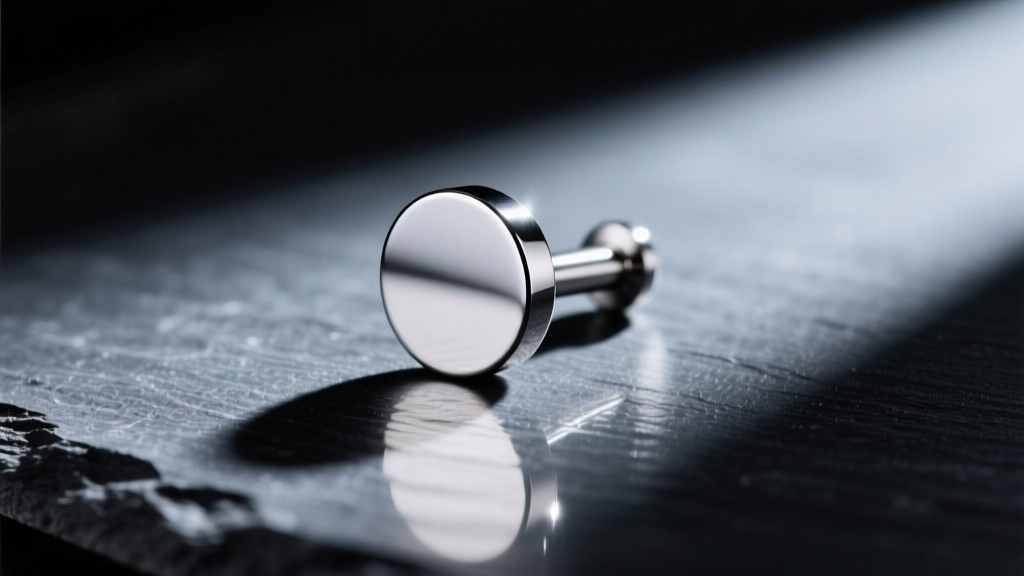
- ASTM F136 Implant-Grade Titanium: The gold standard for healing piercings. It contains zero nickel and is highly polished to prevent bacterial adhesion.
- Niobium: A highly reactive, unalloyed elemental metal that is exceptionally well-tolerated by sensitive skin.
- Solid 14k or 18k Gold: Must be nickel-free and alloyed for biocompatibility (avoid white gold, which often contains nickel or palladium that can cause reactions).
According to the Cleveland Clinic, ensuring your jewelry is made of hypoallergenic, non-porous materials is the single most effective way to prevent recurring piercing complications and chronic inflammation.
Step 5: Cartilage vs. Lobe - Navigating the Danger Zones
The anatomical location of your piercing drastically alters the risk profile of your earring infection treatment. Earlobes are highly vascular, meaning they have a robust blood supply that delivers white blood cells and systemic antibiotics directly to the site of infection. They heal quickly and rarely suffer permanent damage from localized infections.
Cartilage, however, is avascular. It receives nutrients and immune responses via diffusion from the perichondrium (the connective tissue covering the cartilage). If a cartilage piercing becomes infected, the bacteria can rapidly invade the perichondrium, leading to perichondritis. If left untreated, this can progress to chondritis, where the cartilage itself is destroyed, leading to permanent structural deformity (commonly known as cauliflower ear). Cartilage infections require aggressive, immediate medical intervention and should never be treated exclusively with at-home saline soaks.
When to Escalate to Medical Professionals
While minor localized irritation and superficial bacterial issues can be managed with the earring infection treatment protocol outlined above, you must recognize the red flags that indicate a systemic or deep-tissue infection. Seek immediate medical attention from a physician or urgent care clinic if you experience any of the following:
- Red streaks radiating outward from the piercing site (lymphangitis).
- A systemic fever, chills, or nausea.
- Swelling that extends beyond the immediate piercing site to the entire ear or neck.
- Piercings located in the cartilage that exhibit heat, intense throbbing, and opaque discharge.
Pro Tip: Never apply over-the-counter triple antibiotic ointments (like Neosporin) to a piercing. The petroleum base blocks oxygen flow to the fistula, creating an anaerobic environment where aggressive bacteria thrive. Stick to sterile saline and professional medical advice.
By understanding the difference between true infections, metal allergies, and mechanical irritation, you can approach earring aftercare with clinical precision. Patience, sterile technique, and high-quality titanium jewelry are the ultimate triad for a healthy, lifelong piercing.


