Your Earring Lobe Piercing: 2026 Cost & Value Guide
Discover the true cost of an earring lobe piercing in 2026. We break down studio pricing, jewelry material values, and hidden healing expenses.

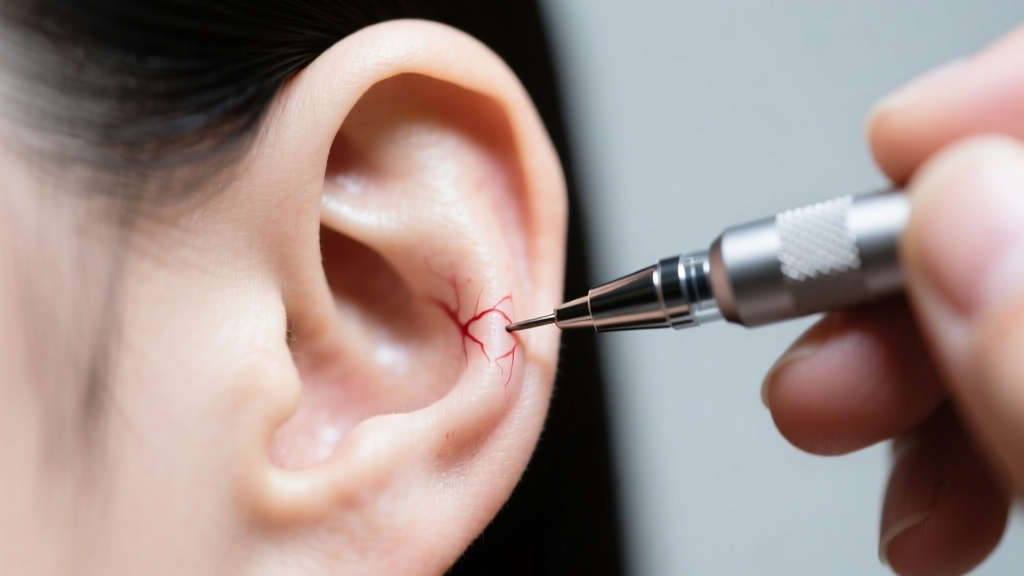
When planning a new piercing, the upfront price tag is rarely the whole story. As we navigate the body modification landscape in 2026, inflation and shifting supply chains have altered the pricing structures of professional studios and jewelry manufacturers alike. For a procedure as seemingly simple as an earring lobe piercing, understanding the true cost-to-value ratio is essential for avoiding painful complications, allergic reactions, and wasted money.
This comprehensive budget and value assessment breaks down exactly what you should expect to pay for a professional earring lobe piercing, which jewelry materials offer the best long-term investment, and the hidden costs of aftercare and healing troubleshooting. Whether you are getting your very first pair or adding to a curated ear project, this guide will help you allocate your budget wisely.
The Real Price of an Earring Lobe Piercing
The total cost of an earring lobe piercing is divided into two distinct categories: the service fee (the piercer's time, expertise, and sterilization protocols) and the jewelry cost. In 2026, the industry standard is to price these separately, allowing clients to choose jewelry that fits their specific budget and aesthetic preferences.
Studio Service Fees vs. Mall Kiosks
A common budget mistake is opting for a mall kiosk piercing gun to save money. While a kiosk might advertise a 'free piercing with the purchase of earrings,' this is a false economy that often leads to severe tissue trauma and prolonged healing.
- Professional Needle Piercing: A reputable studio uses single-use, sterilized hollow needles. The service fee typically ranges from $40 to $80 per lobe. This fee covers the piercer's apprenticeship and certification, autoclave sterilization, single-use medical equipment, and a hygienic environment.
- Piercing Gun (Mall Kiosk):strong> Guns use blunt force to shove a dull stud through the tissue, causing crush injuries. The 'hidden' cost here is the high likelihood of hypertrophic scarring, infection, and the eventual need to pay a professional to fix the damage.
Expert Insight: The Association of Professional Piercers (APP) strictly advises against the use of piercing guns. The mechanical stress placed on the earring lobe tissue by a gun can cause micro-tears that take months longer to heal than a clean needle puncture.
Jewelry Material Value Assessment
The jewelry you choose for your initial earring lobe piercing dictates how smoothly the healing process will go. Budgeting for high-quality, biocompatible metals is non-negotiable for a fresh wound. Below is a value assessment of the most common materials used in 2026.
| Material Grade | Average Price Range (2026) | Biocompatibility | Value Verdict |
|---|---|---|---|
| ASTM F-136 Implant-Grade Titanium | $45 - $95 | Excellent (Nickel-Free) | Best Overall Value. Lightweight, highly polished, and universally accepted by the body. |
| 14k or 18k Solid Gold (Nickel-Free) | $120 - $350+ | Excellent (If Alloyed Correctly) | Premium Investment. Ideal for those wanting luxury from day one, but requires verification of alloy metals. |
| 316L Surgical Stainless Steel | $20 - $40 | Poor for Fresh Piercings | Avoid Initially. Contains nickel, which can trigger contact dermatitis in healing fistulas. |
| 'Mystery Metal' / Fashion Alloys | $5 - $15 | Dangerous | Zero Value. High risk of heavy metal exposure and severe allergic reactions. |
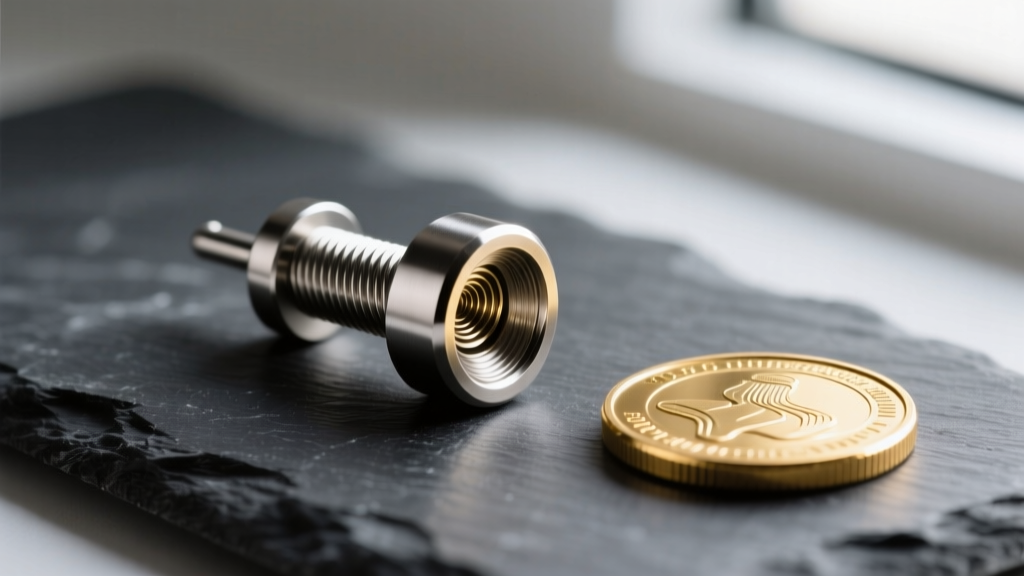
The Threading Factor: Internal vs. External
When assessing the value of earring lobe jewelry, you must examine the threading. Externally threaded jewelry (where the screw pattern is on the post that passes through the ear) acts like a file, tearing the delicate new cells of the healing fistula every time it is inserted or removed.
Always budget for internally threaded or threadless (push-pin) jewelry. While internally threaded titanium or gold pieces cost roughly 20% to 30% more to manufacture, the value gained in tissue preservation and comfort makes them the only acceptable choice for initial piercings. For a deep dive into how gold alloys affect skin sensitivity, refer to the metallurgical standards outlined by the Gemological Institute of America (GIA).
The Hidden Costs of Healing and Aftercare
Budgeting for an earring lobe piercing does not end at the studio counter. Proper aftercare is critical to preventing complications that could cost you hundreds of dollars in medical visits or jewelry replacements.
Essential Aftercare Supplies
Forget the overpriced, alcohol-based 'cleaning solutions' sold at mall kiosks. The modern, evidence-based approach to piercing aftercare is remarkably affordable:
- Sterile Saline Wound Wash (0.9% Sodium Chloride): $5 to $12 per can. You will need about two cans for the 6-to-8-week healing period of a standard lobe piercing.
- Non-Woven Gauze: $4 to $8. Used for gently drying the area after spraying, as terrycloth towels harbor bacteria and snag on jewelry.
- Piercing Aftercare App/Tracker: Free. Many studios now provide digital healing timelines to track your earring lobe progress.
Troubleshooting Healing Bumps (Hypertrophic Scarring)
If you experience a healing bump (often mistakenly called a keloid) on your earring lobe, the cost to fix it involves time and specific interventions. These bumps are usually caused by angle irregularities, sleeping on the piercing, or moisture buildup.
Actionable Fix: Apply a sterile, warm saline compress using non-woven gauze for 3-5 minutes daily. Avoid tea tree oil, aspirin pastes, and harsh chemicals, which will only cause chemical burns and worsen the inflammation. If the bump persists, budget $50 to $100 for a consultation with an APP-certified piercer to assess if your jewelry needs to be downsized or if the piercing angle requires correction.
Gauge Sizing and Future-Proofing Your Lobes
One of the most overlooked aspects of earring lobe value is the initial gauge size. The 'gauge' refers to the thickness of the jewelry post. Standard mall kiosk earrings are usually 20-gauge (0.81mm) or even 22-gauge (0.64mm). Professional studios typically pierce lobes at 18-gauge (1.0mm) or 16-gauge (1.2mm), and sometimes 14-gauge (1.6mm).
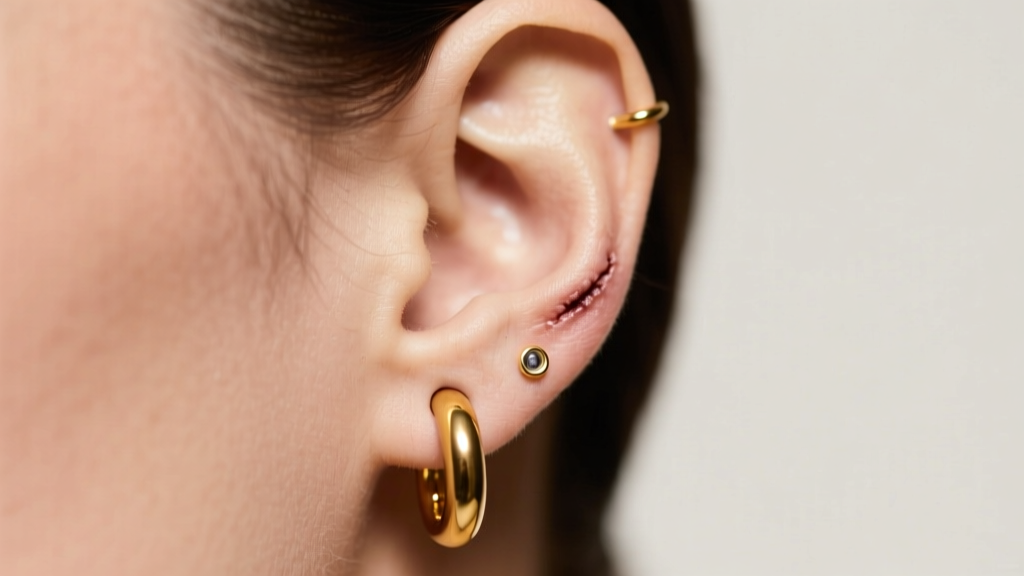
Avoiding the 'Cheese Cutter Effect'
If you plan to wear heavy dangle earrings, statement hoops, or ear cuffs in the future, getting pierced at a thin 20-gauge is a massive long-term liability. When heavy jewelry hangs from a thin wire, the weight concentrates on a tiny surface area of the earring lobe tissue. Over time, gravity pulls the wire downward, slowly slicing through the flesh in a phenomenon known in the industry as the 'cheese cutter effect.'
The Value Play: Request a 16-gauge or 14-gauge needle for your initial piercing. The difference in pain is virtually nonexistent, but the structural integrity provided to your earring lobe is immense. A 14-gauge piercing can comfortably support heavy gemstone drops and thick gold hoops without risking tissue migration or tearing, saving you from costly surgical repairs down the line.
Final Verdict: Where to Invest and Where to Save
To maximize the value of your earring lobe piercing in 2026, adopt a strategic approach to your budget:
- Invest heavily in the piercer: Never compromise on the studio's hygiene or the piercer's portfolio. A $60 service fee for a perfectly angled, sterile needle piercing is infinitely cheaper than treating a blown-out lobe.
- Invest in the initial jewelry: ASTM F-136 titanium or high-karat, nickel-free gold is mandatory for the healing phase. Do not put cheap fashion metals into an open wound.
- Save on aftercare: Skip the expensive proprietary cleansers. Standard sterile saline from your local pharmacy is the gold standard for wound care.
- Save on decorative upgrades (later): Once your earring lobe is fully healed (usually after 3 to 6 months), you can safely transition to more affordable, high-quality surgical steel or alternative metals for your daily wear, provided your skin does not have a nickel sensitivity.
By understanding the anatomy of the earring lobe and the true economics of professional body modification, you can achieve a beautiful, healthy piercing that stands the test of time without draining your wallet.


