Earring Piercing Healing Time: The Ultimate Jewelry Buying Guide
Discover how earring piercing healing time dictates your jewelry purchases. Learn material grades, gauge sizes, and buying rules for every healing stage.

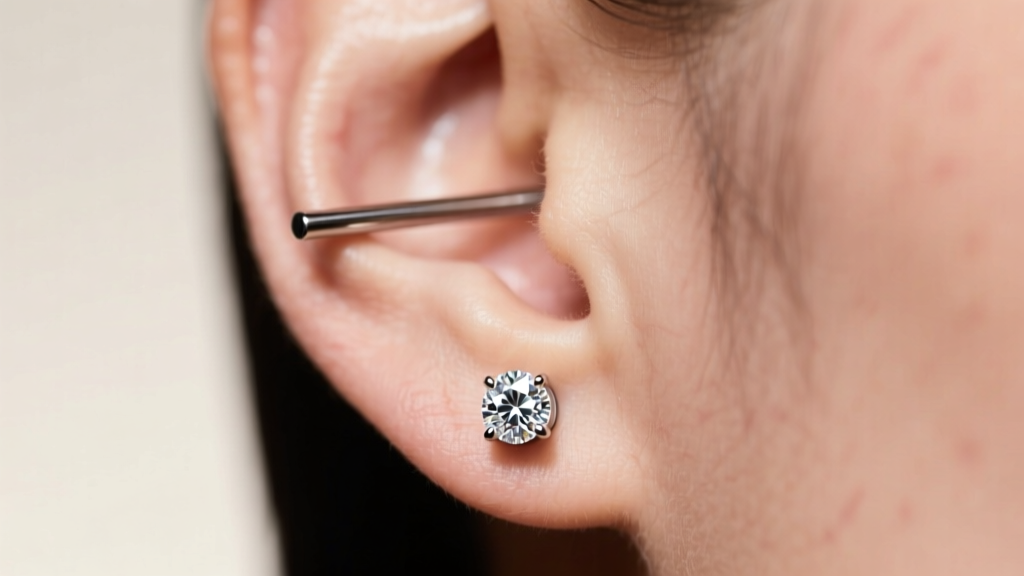
When navigating the world of ear adornments, understanding your earring piercing healing time is not just a matter of patience; it is the foundational metric that should dictate your entire jewelry purchasing strategy. Buying the wrong metal, threading type, or backing style during the delicate fistula maturation phase can lead to hypertrophic scarring, contact dermatitis, or permanent angle migration. As a buyer, you must align your jewelry investments with the biological realities of wound healing. This comprehensive guide breaks down exactly what to look for, what to avoid, and how to build a high-quality earring collection that supports your ear's health from day one through full maturation.
The Biology of Earring Piercing Healing Time
Before purchasing any body jewelry, you must understand what is actually healing. A piercing is not merely a hole; it is a wound that the body attempts to close. The body forms a fistula—a protective tube of new tissue—around the jewelry. The earring piercing healing time varies drastically based on tissue vascularity. Earlobes, rich in blood vessels, typically form a stable fistula in 6 to 10 weeks, though full tissue maturation takes up to 4 months. Cartilage, however, is avascular (lacking direct blood supply). It relies on surrounding tissues for nutrient delivery, extending the earring piercing healing time for placements like the helix, conch, or rook to anywhere from 8 to 18 months.
According to the Association of Professional Piercers (APP), introducing porous or reactive metals during this extended healing window disrupts fistula formation. Therefore, your buying criteria must shift depending on the biological age of the piercing.
Stage 1: Fresh Piercings (0 to 6 Months)
During the initial inflammatory and proliferative phases of healing, your primary buying focus must be on biocompatibility, surface finish, and backing mechanics. The American Academy of Dermatology (AAD) warns against nickel exposure in fresh wounds, making metal purity your top priority.
Mandatory Material Grades
Do not settle for vague marketing terms like "hypoallergenic" or "surgical steel." When shopping for fresh piercings, look for these specific metallurgical standards on the product specifications:
- Implant-Grade Titanium (ASTM F-136): The gold standard for fresh piercings. It contains zero nickel and is highly biocompatible.
- Niobium: An unalloyed, highly reactive-free metal that is safe for initial piercings, though softer than titanium.
- Solid 14k or 18k Gold: Must be nickel-free and alloyed for biocompatibility. Avoid anything higher than 18k, as 24k gold is too soft and easily scratches, harboring bacteria.
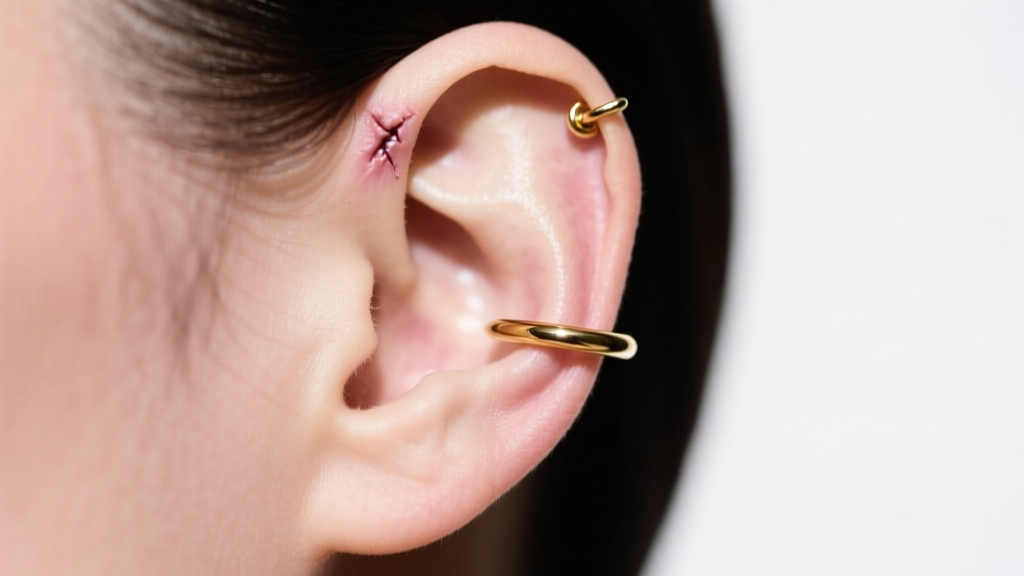
The Threading and Backing Trap
Never buy externally threaded jewelry (where the screw is on the post) for a healing piercing. Forcing coarse threads through a delicate fistula causes micro-tears. Always purchase internally threaded (the screw is on the decorative end) or threadless (push-pin) jewelry. Furthermore, avoid traditional butterfly backs at all costs. They trap dead skin and moisture, and their tight clasping mechanism frequently causes pressure necrosis on swelling lobes. Instead, invest in flat-back labret posts that distribute pressure evenly and allow for initial swelling.
Stage 2: Transitioning to Healed Piercings (6 to 12 Months)
Once the initial earring piercing healing time has passed and swelling has completely subsided, your buying focus shifts to downsizing and style introduction. Initial jewelry posts are deliberately long (often 8mm to 10mm) to accommodate swelling. If you continue to wear long posts after the swelling subsides, the jewelry will sit at an angle, causing the fistula to heal crookedly and leading to irritation bumps.
Buying Downsized Posts
At the 3-to-6-month mark for lobes, and the 6-to-9-month mark for cartilage, you should purchase shorter posts. Standard healed lobe posts are typically 5mm to 6mm in length, while healed cartilage posts range from 5mm to 7mm depending on tissue thickness. This is also the stage where you can safely begin purchasing decorative threadless ends, allowing you to swap out gemstone tops without removing the stabilizing post from the fistula.
Stage 3: Fully Healed Cartilage vs. Lobes (1 Year and Beyond)
Once the earring piercing healing time is fully complete and the fistula is mature, your purchasing options expand significantly. However, structural integrity remains vital, especially for cartilage.
Hoops, Huggies, and Dangles
For healed lobes, you can safely purchase dangles and heavy drop earrings. However, be mindful of weight; consistently wearing heavy brass or stone-laden dangles can cause irreversible lobe stretching or tearing over time. For healed cartilage, continuous hoops and clickers are excellent choices. When buying hoops for the helix or conch, ensure the inner diameter is large enough (usually 8mm to 10mm) so the hoop does not compress the tissue, which can cause the piercing angle to warp.
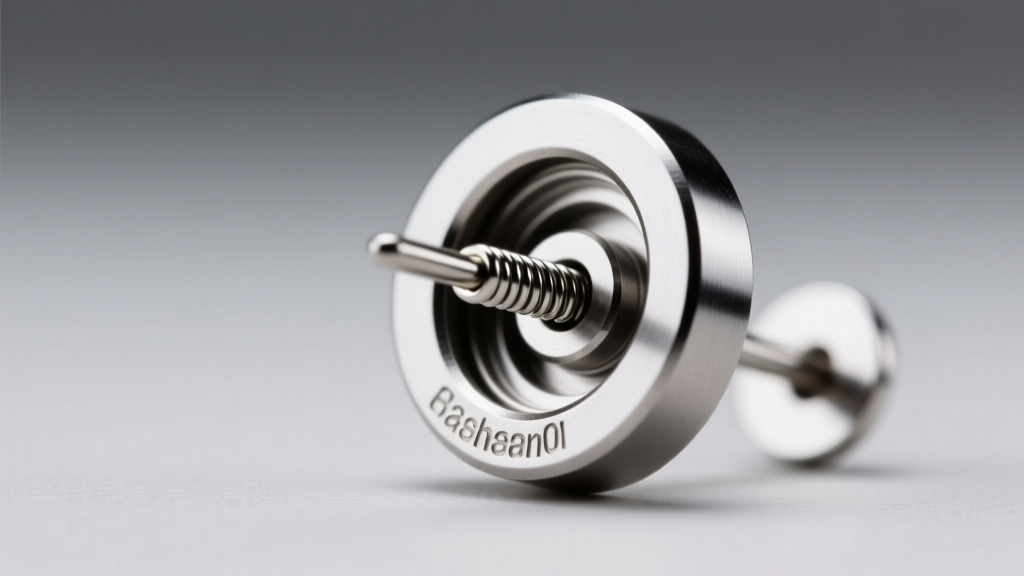
Expert Sizing & Earring Piercing Healing Time Chart
Use this reference chart to guide your jewelry purchases based on placement, ensuring you buy the correct gauge and style for the specific earring piercing healing time associated with each area.
| Piercing Placement | Avg. Healing Time | Standard Gauge | Best Initial Jewelry Style |
|---|---|---|---|
| Standard Lobe | 6 - 10 Weeks | 18g or 16g | Flat-back labret post |
| Upper Lobe | 8 - 12 Weeks | 18g or 16g | Flat-back labret post |
| Helix | 6 - 12 Months | 16g | Flat-back labret post |
| Conch | 8 - 12 Months | 16g or 14g | Flat-back labret post |
| Tragus | 6 - 9 Months | 16g | Flat-back labret post |
| Rook | 10 - 18 Months | 16g | Curved barbell |
| Daith | 9 - 15 Months | 16g | Curved barbell or captive bead ring |
Red Flags: Jewelry to Avoid During Any Healing Stage
To protect your investment and your health, immediately disqualify any jewelry that exhibits the following red flags, regardless of the earring piercing healing time:
- "Surgical Steel" or "Stainless Steel": These are unregulated commercial terms. They often contain high levels of nickel, which will leach into a healing fistula and cause severe allergic contact dermatitis.
- Gold Plated or Gold Vermeil: Plating is a microscopically thin layer of gold over a base metal (usually brass or copper). The friction of a healing fistula will strip the plating away in weeks, exposing the reactive base metal to the open wound.
- Sterling Silver: While acceptable for fully healed, mature lobes, sterling silver contains 7.5% copper and other alloys. It oxidizes and tarnishes when exposed to wound exudate and moisture, potentially causing permanent argyria (dark staining of the skin) inside a healing fistula.
- O-Rings and Rubber Backs: These porous materials act as sponges for bacteria and sebum, drastically increasing the risk of localized infection during the healing process.
The Buyer's Golden Rule: Your jewelry budget should be front-loaded. Spending $60 on an implant-grade titanium, internally threaded labret stud for a fresh piercing will save you hundreds of dollars in dermatologist visits and scar treatments caused by a $5 mystery-metal earring.
Ultimately, respecting the earring piercing healing time means treating your jewelry purchases as medical-grade investments rather than mere fashion accessories. By prioritizing ASTM-certified metals, proper threading mechanics, and anatomical sizing, you ensure that your piercings heal flawlessly, providing a beautiful, stable canvas for a lifetime of high-end earring styling.


