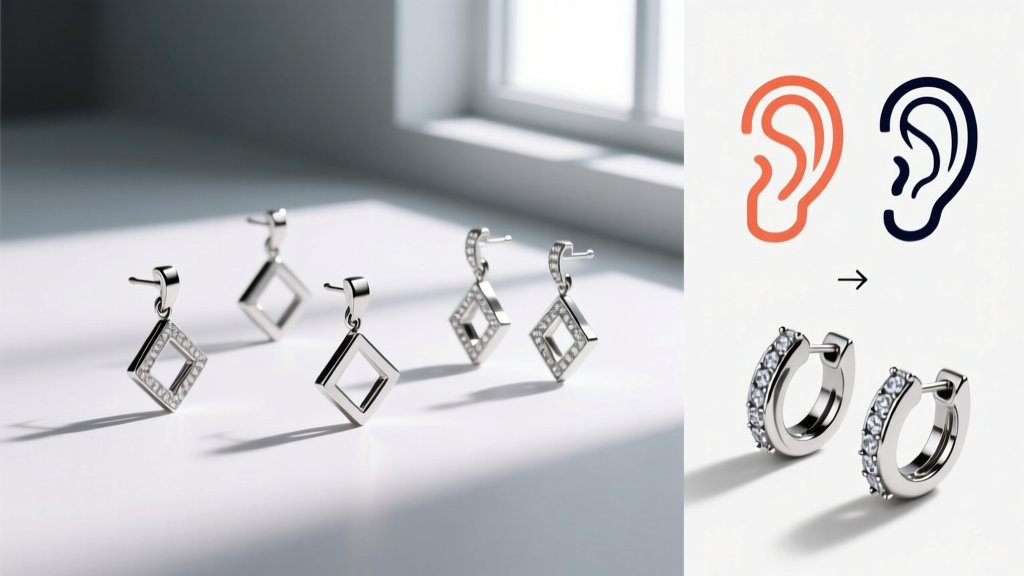
Choosing Jewelry Earring Findings: A Material Comparison
Discover how to select the best jewelry earring findings for sensitive ears. Compare titanium, gold, and steel grades for lasting comfort.

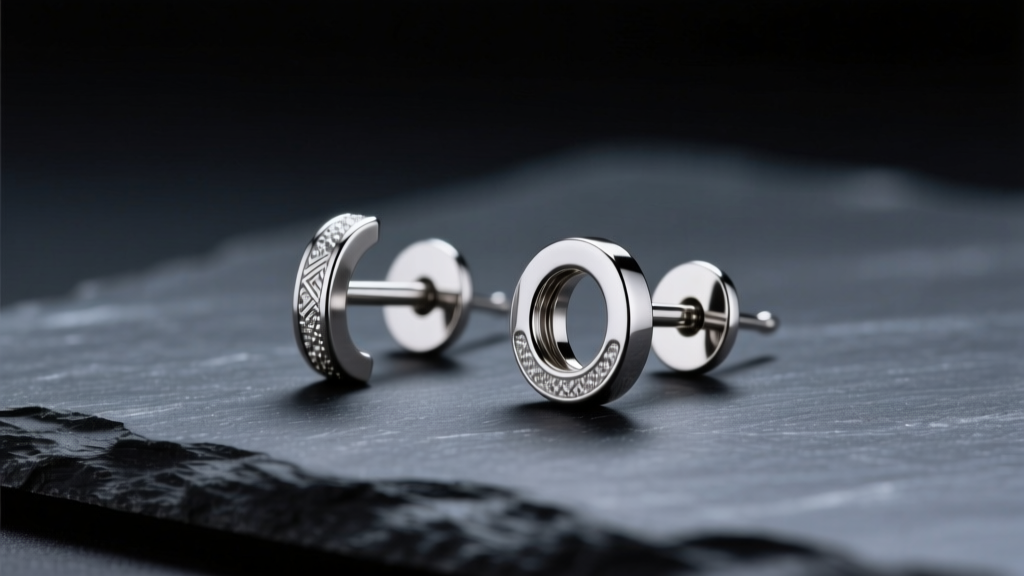
The Anatomy of Jewelry Earring Findings
When building or purchasing fine jewelry, the decorative elements often steal the spotlight, but the structural components dictate the lifespan and comfort of the piece. Jewelry earring findings encompass the posts, wires, hooks, clutches, and threading mechanisms that interface directly with the skin and piercing fistula. In 2026, the industry has seen a massive shift toward biocompatible metallurgy, driven by consumer demand for hypoallergenic options and long-term durability. Selecting the correct finding requires a deep understanding of material grades, gauge thicknesses, and mechanical failure points.
Standard commercial earring posts typically range from 20-gauge (0.81mm) to 18-gauge (1.02mm). However, for cartilage piercings or heavy gemstone settings, upgrading to 16-gauge (1.29mm) or 14-gauge (1.63mm) findings is critical to prevent the post from bending under lateral pressure. The metal chosen for these findings must balance tensile strength, malleability, and corrosion resistance.
Titanium: The Biocompatibility Benchmark
For hyper-sensitive ears and fresh piercings, titanium is the undisputed gold standard. However, not all titanium is created equal. The Association of Professional Piercers (APP) strictly recommends implant-grade titanium, specifically ASTM F136 (Ti-6Al-4V ELI). This aerospace and medical-grade alloy contains extremely low levels of interstitial elements, ensuring a mirror polish that prevents bacterial harboring and eliminates nickel exposure.
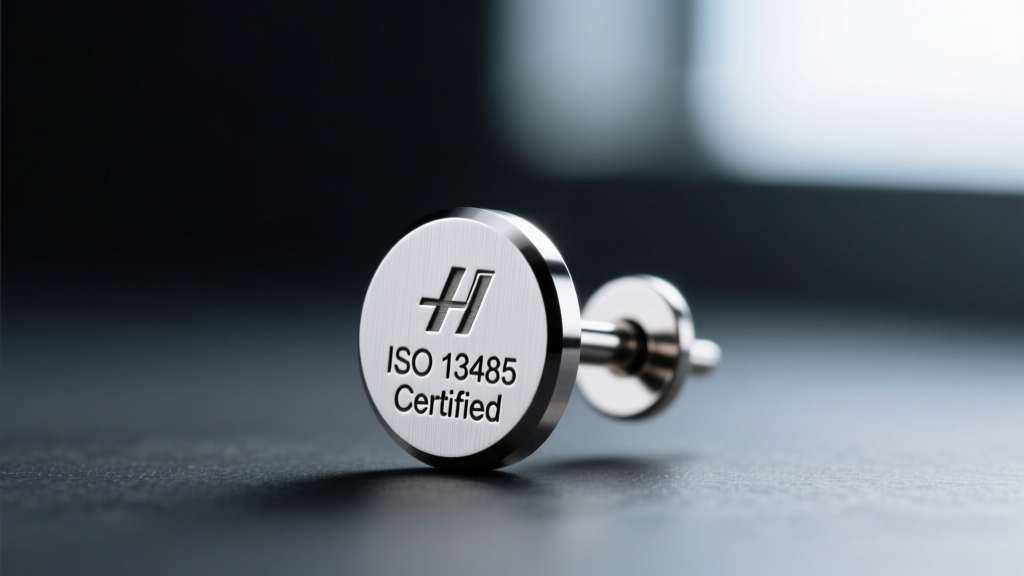
Conversely, commercial-grade titanium (ASTM B265) is often used in mass-market jewelry earring findings. While still largely nickel-free, it lacks the strict quality control of implant-grade metals and may feature microscopic surface pitting that can irritate healing tissue. Furthermore, high-quality titanium findings are frequently anodized—a process that uses an electrical current to create a vibrant, biocompatible oxide layer on the surface without using dyes or paints that could flake off inside the piercing channel.
The Rise of Threadless Titanium Systems
Modern titanium findings increasingly utilize threadless (push-pin) mechanics. Instead of screwing a decorative end onto a post, a slightly bent pin is inserted into a hollow post, creating a secure tension fit. This eliminates the micro-tears caused by external threading passing through the fistula and provides a vastly superior grip strength compared to traditional friction backs.
Gold Alloys: Karat Weights and Allergy Risks
Gold remains a premium choice for luxury jewelry earring findings, but pure 24K gold is entirely unsuitable for posts or wires due to its extreme malleability; a 24K post will bend and warp upon the first insertion. Therefore, gold is alloyed with other metals to increase hardness. The two dominant standards are 14K (58.5% pure gold) and 18K (75% pure gold).
- 14K Gold: Offers superior tensile strength and scratch resistance, making it ideal for thin French wires and delicate huggie hoop clasps.
- 18K Gold: Features a richer, warmer color and higher biocompatibility but is slightly softer, requiring thicker gauge posts to maintain structural integrity.
The primary danger with gold findings lies in white gold alloys. Traditionally, white gold is alloyed with nickel to achieve a silver hue, which can trigger severe contact dermatitis. According to the Gemological Institute of America (GIA), nickel allergies affect nearly 20% of the population. When sourcing white gold findings, buyers must explicitly seek out palladium-alloyed white gold, which is naturally hypoallergenic and does not rely on rhodium plating that eventually wears away to expose the reactive base metals beneath.
Stainless Steel: Decoding the "Surgical" Myth
The term "surgical steel" is largely a marketing fabrication. The jewelry industry primarily uses 316L and 316LVM (Vacuum Melted) stainless steel for earring findings. The "L" stands for low carbon, and the alloy includes molybdenum for enhanced corrosion resistance. While 316L is highly durable and cost-effective, it inherently contains between 8% and 10.5% nickel.
Because the nickel is trapped within the alloy's crystalline structure, many people with mild sensitivities can wear 316L steel without issue. However, if the finding is scratched, poorly polished, or exposed to highly acidic sweat over time, nickel ions can leach to the surface. For this reason, steel findings should never be used for initial piercings or for individuals with confirmed nickel contact dermatitis. 304 stainless steel, a cheaper alternative often found in fast-fashion accessories, offers even lower corrosion resistance and a higher risk of localized skin reactions.
| Material Grade | Nickel Content | Best Application | Relative Cost |
|---|---|---|---|
| ASTM F136 Titanium | None | Fresh piercings, hyper-sensitive lobes | High |
| 18K Palladium White Gold | None | Luxury studs, fine jewelry clasps | Premium |
| 316LVM Surgical Steel | 8% - 10.5% | Healed lobes, fashion hoops | Low |
| Niobium (99.9% Pure) | None | Cartilage rings, anodized colorwork | Medium |
Niobium: The Heavyweight Alternative
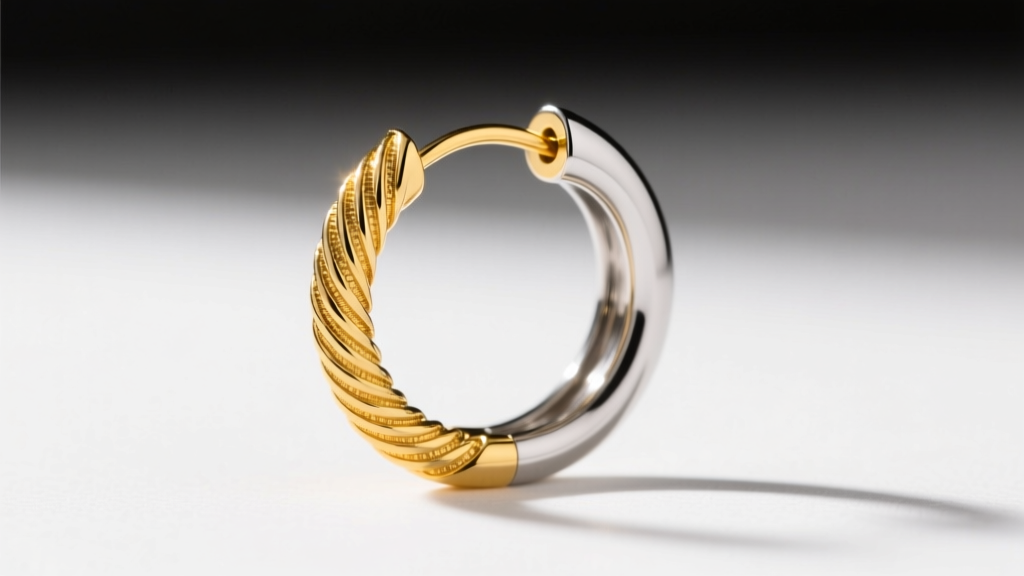
Niobium is a highly biocompatible, elemental metal that shares many of titanium’s hypoallergenic properties. Unlike titanium, which is an alloy, niobium used in jewelry is 99.9% pure. It is exceptionally resistant to corrosion and does not react with bodily fluids. The main drawback of niobium jewelry earring findings is its density; it is significantly heavier than titanium, which can cause discomfort in stretched lobes or delicate cartilage placements over long periods. However, its softness makes it incredibly easy for jewelers to adjust, bend, and customize continuous hoop rings without the risk of metal fatigue or snapping.
Threading and Clutch Mechanics: Where Findings Fail
Material quality is irrelevant if the mechanical design of the finding is flawed. External threading—where the screw pattern is cut into the post itself—is a major failure point. The sharp threads act like a file, scraping and damaging the delicate epithelial tissue of the piercing channel during insertion and removal. High-end jewelry earring findings exclusively utilize internal threading (where the post is smooth and the screw is on the decorative end) or threadless tension systems.
The Evolution of Earring Backs
The traditional butterfly friction back relies on the metal's natural tension to grip the post's grooves. Over time, this tension degrades, leading to lost earrings and compromised security. Modern alternatives include:
- Silicone O-Rings: Provide excellent grip and comfort but degrade when exposed to skin oils and require frequent replacement.
- La Pousette (Locking) Clutches: Utilize a mechanical spring-loaded locking mechanism that clicks securely into a precisely machined groove on the post. These are the industry standard for securing high-value diamond and gemstone studs.
Conclusion
Choosing the right jewelry earring findings requires looking past the surface aesthetics and evaluating the metallurgical and mechanical realities of the components. For absolute biocompatibility and modern structural integrity, ASTM F136 titanium with threadless mechanics remains the pinnacle of earring engineering. For luxury markets, palladium-alloyed white gold and 14K/18K yellow gold offer timeless appeal without the hidden risks of nickel leaching. By prioritizing implant-grade materials and secure locking mechanisms, jewelers and consumers alike can ensure that their pieces remain safe, comfortable, and secure for decades.