What Is an Earring Plug? A Beginner Guide to Posts
Discover what an earring plug really means. Learn about post gauges, implant-grade metals, and flat-backs in this beginner-friendly guide.

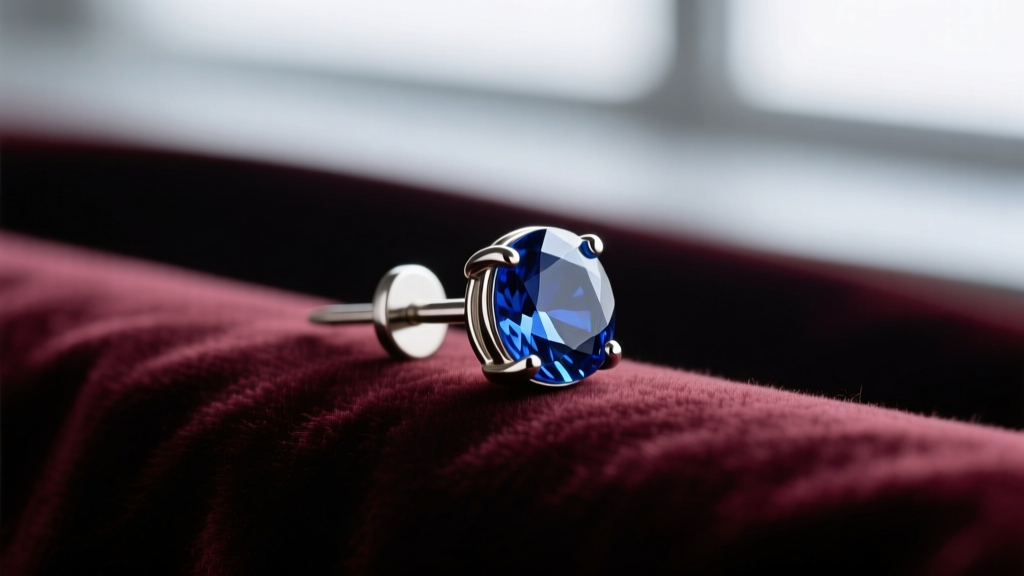
Defining the 'Earring Plug': Post vs. Stretched Jewelry
If you are new to the world of body jewelry, the terminology can quickly become overwhelming. One of the most frequently misunderstood terms is the earring plug. When beginners search for this term, they are usually referring to one of two completely different things: the post (or wire) of a standard earring that passes through the piercing, or the cylindrical jewelry worn in stretched earlobes (often called gauges or tunnels). Understanding the distinction is the first step toward curating a comfortable, healthy, and stylish jewelry collection.
Standard Earring Posts (The Everyday Plug)
In traditional jewelry anatomy, the 'plug' refers to the straight metal shaft that plugs the hole of your piercing. In professional contexts, this is called the post, wire, or barbell. This component is critical because it is the only part of the earring that maintains direct, continuous contact with your internal tissue (the fistula). The quality, thickness, and polish of this earring plug dictate whether your piercing remains healthy or becomes irritated.
Stretched Ear Plugs (Gauges and Tunnels)
Conversely, in the body modification community, an 'ear plug' refers to a solid, cylindrical piece of jewelry worn in stretched lobes. Unlike standard posts, these plugs range from 14-gauge (1.6mm) all the way up to several inches in diameter. While this guide will briefly touch upon stretched plugs, our primary focus is on the anatomy, metallurgy, and sizing of standard earring posts—the foundation of all ear styling.
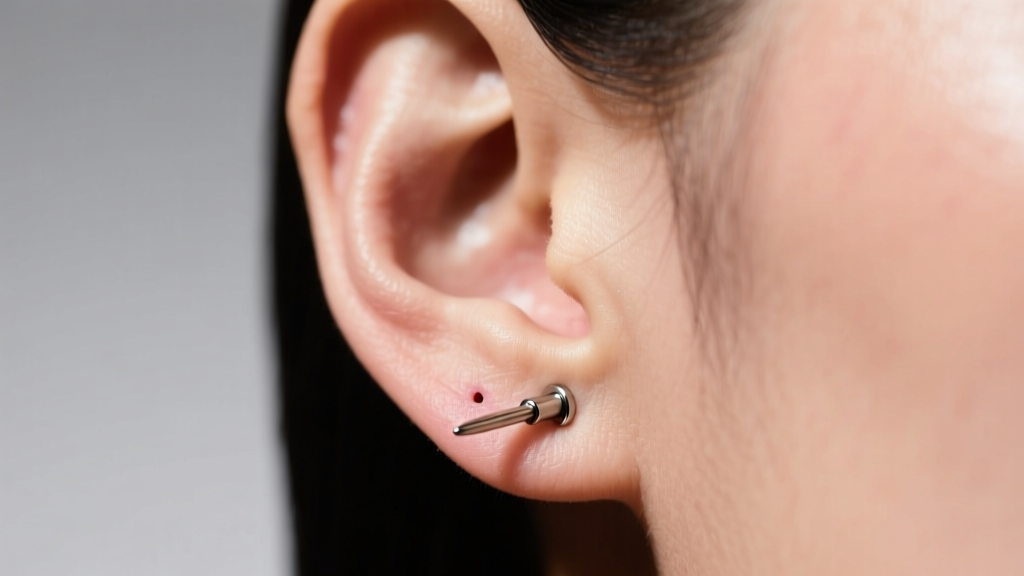
Gauge Sizes and Thickness: Finding the Right Fit
The thickness of your earring plug is measured in 'gauge' (G). The gauge system is counterintuitive for beginners: the higher the gauge number, the thinner the metal. Forcing a thick earring plug into a delicate, smaller-gauge fistula will cause micro-tears, blowouts, and severe irritation. Conversely, wearing a post that is too thin can cause the 'cheese-cutter effect,' where the thin wire slowly migrates through the tissue over time.
| Gauge Size | Millimeter (mm) | Common Piercing Types | Notes for Beginners |
|---|---|---|---|
| 20G | 0.81 mm | Standard lobe, helix, tragus | Most common for commercial mall-kiosk earrings. |
| 18G | 1.02 mm | Lobe, nostril, cartilage | The standard for professional piercings and fine jewelry. |
| 16G | 1.29 mm | Cartilage, daith, rook, conch | Thicker plug provides stability and reduces migration. |
| 14G | 1.60 mm | Industrial, snug, stretched lobes | Heavy-duty; requires a piercing needle of the same size. |
Pro Tip: Always check the gauge of your existing piercings before buying new jewelry. If you were pierced with a standard 20G earring gun, a high-quality 18G flat-back labret might feel tight. A professional piercer can safely taper your fistula to accommodate thicker, healthier jewelry.
Material Matters: What Your Earring Plug is Made Of
The internal environment of a piercing is warm, moist, and saline-rich. This environment can cause low-quality metals to oxidize, leach heavy metals, and trigger severe allergic reactions. According to the American Academy of Dermatology, nickel allergy is the most common cause of allergic contact dermatitis, often misdiagnosed by beginners as a 'piercing infection.' Here is the metallurgy breakdown you need to know:
- Implant-Grade Titanium (ASTM F136): The absolute gold standard for earring plugs. It is entirely nickel-free, lightweight, and biocompatible. The Association of Professional Piercers (APP) highly recommends this for all healing and sensitive piercings.
- Niobium: A highly reactive element that is safely anodized to create vibrant colors without using paints or platings that can flake off inside the ear.
- Solid 14k or 18k Gold: Must be nickel-free and alloyed for body jewelry. Avoid white gold, which is frequently alloyed with nickel to achieve its silver color.
- 'Surgical Steel' (316L): A marketing trap. While it sounds medical, 316L stainless steel contains 8% to 12% nickel. The polishing process traps nickel in the surface, which leaches out once worn in the ear, causing itching and swelling.
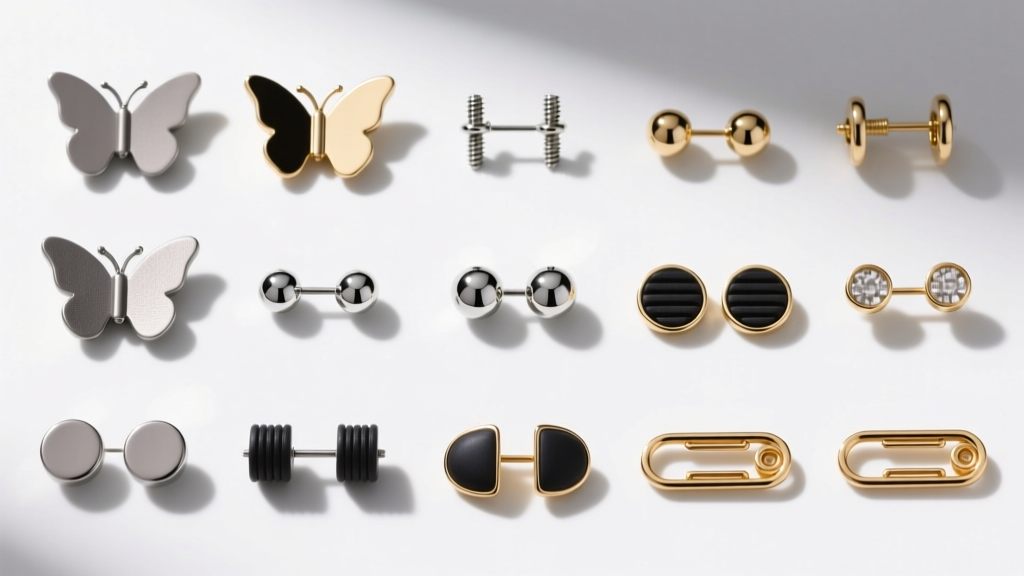
The Mechanics: Threaded, Threadless, and Friction Backs
An earring plug is only half the equation; how it secures to your ear is equally important. The backing mechanism dictates your comfort, especially while sleeping.
Friction Posts and Butterfly Backs
Standard commercial earrings use a notched friction post with a 'butterfly' push-back. While cheap to manufacture, these are notorious for trapping dead skin cells, soap, and bacteria in their tiny crevices. Furthermore, the sharp prongs of the butterfly back often dig into the neck during sleep, causing pressure necrosis and irritation bumps.
Internally Threaded Plugs
In high-end body jewelry, the threading is located inside the earring plug itself, and the decorative end has a smooth pin that screws into it. This ensures that no sharp threads pass through the delicate fistula when inserting the jewelry, preventing micro-tears.
Threadless (Press-Fit) Plugs
The modern pinnacle of earring design. Threadless jewelry uses a slightly bent pin on the decorative end that slides into a hollow earring plug. The tension of the bent metal against the inner wall of the post holds the jewelry securely in place. They are incredibly secure, easy to clean, and completely smooth on the interior.
Troubleshooting Pain and Irritation
If your earring plug is causing discomfort, do not immediately assume it is infected. Run through this quick troubleshooting checklist:
- Check the Angle: Piercings are rarely perfectly straight. If you force a rigid, straight earring plug into a curved fistula, it will create pressure points. Visit a piercer to assess your piercing angle.
- Assess the Backing Pressure: If you use a flat-back labret, ensure the post length is correct. A post that is too long will snag on hair and masks; a post that is too short will compress the tissue, restricting blood flow and causing swelling.
- Cleanse Properly: Stop using rubbing alcohol, hydrogen peroxide, or harsh soaps on your earrings. These strip the natural lipid barrier of the skin. Use only sterile 0.9% sodium chloride wound wash.
- Downsize the Metal: If you are experiencing persistent itching, redness, and clear fluid weeping, remove the jewelry. You likely have a nickel allergy from a low-grade steel plug. Switch to ASTM F136 titanium immediately.
Final Thoughts for Beginners
Understanding the nuances of the earring plug transforms how you shop for and wear jewelry. By prioritizing correct gauge sizes, investing in implant-grade titanium or solid gold, and upgrading to threadless or internally threaded mechanisms, you eliminate the daily frustrations of snagging, irritation, and allergic reactions. Treat the internal post with the same respect as the decorative gemstone, and your piercings will remain healthy, comfortable, and beautifully styled for a lifetime.


