Master Earring Plug Sizes: Care, Cleaning & Maintenance Guide
Learn how to clean and maintain stretched lobes across all earring plug sizes. Expert tips on materials, blowout prevention, and daily care.

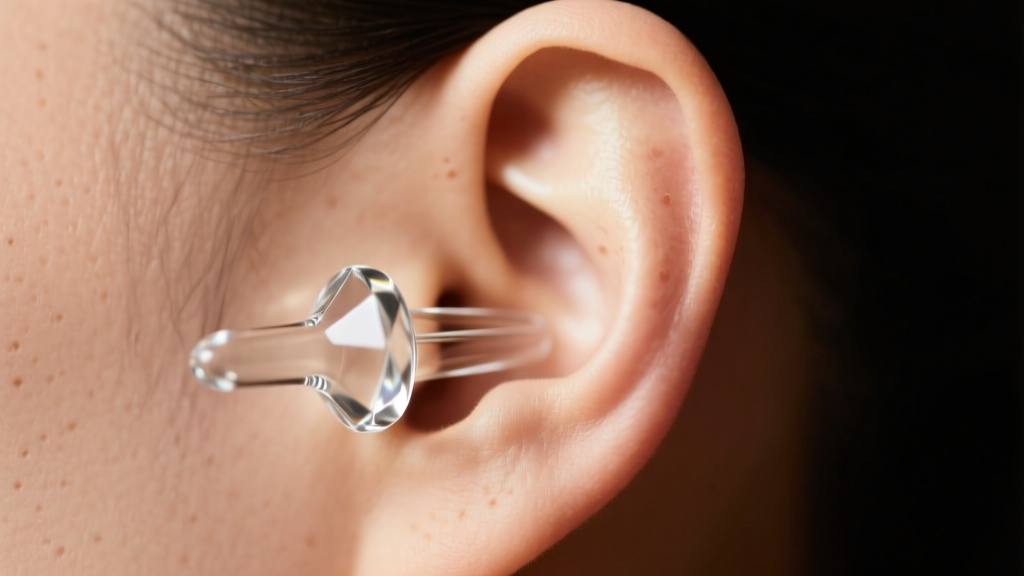
The Biology of the Fistula and Long-Term Maintenance
Stretching your earlobes is a profound modification that transforms a standard piercing into a permanent fistula—a tube of organized scar tissue. Unlike standard lobe piercings, stretched lobes require a dedicated, lifelong maintenance routine. The health of your tissue is intrinsically linked to the specific earring plug sizes you wear, the materials you choose, and your daily hygiene practices. When you increase the diameter of your jewelry, you alter the blood flow, weight distribution, and sebum production within the earlobe. Neglecting these factors can lead to thinning lobes, moisture buildup, and catastrophic tissue failures known as blowouts.
According to the Association of Professional Piercers (APP), the key to healthy stretched lobes is understanding that the fistula is essentially skin. It requires gentle cleansing, regular moisturizing, and breathable materials. This guide breaks down the exact protocols for maintaining your ear health across the entire spectrum of gauges.
Understanding Earring Plug Sizes and Material Reactions
As you move up in earring plug sizes, the surface area of the jewelry in contact with your skin increases exponentially. This means that material porosity and weight become critical factors. A porous material that might cause mild irritation at 12g can harbor severe bacterial infections at 00g due to the expanded micro-environment inside the fistula.
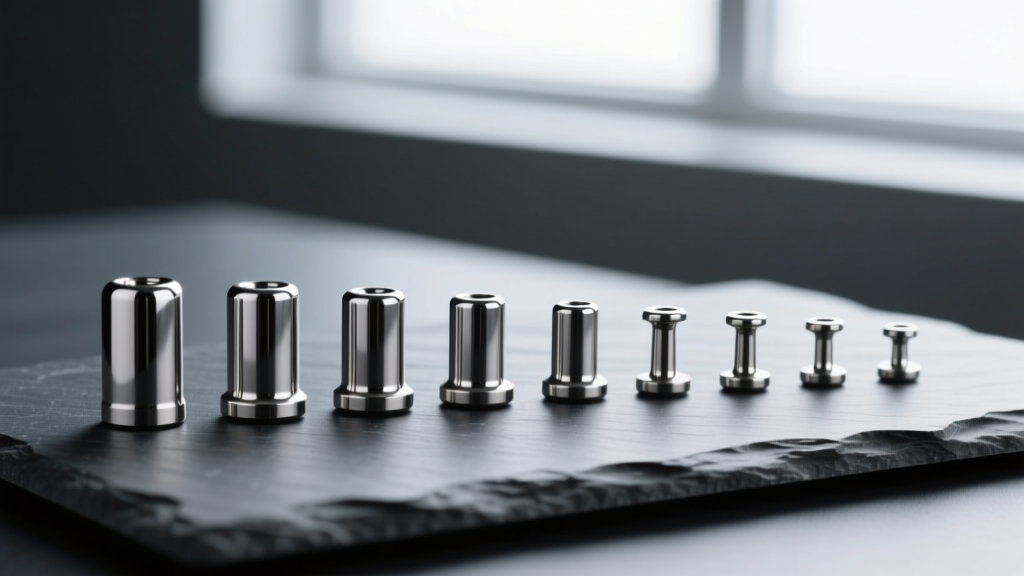
The Gauge to Millimeter Conversion and Weight Chart
Understanding the exact millimeter measurements is crucial for ordering the correct jewelry and monitoring your tissue's tolerance to weight. Below is a standard conversion chart detailing the physical impact of common sizes.
| Gauge / Fraction | Millimeters (mm) | Tissue Impact & Maintenance Focus |
|---|---|---|
| 8g | 3.2mm | Minimal weight. Standard saline cleaning is usually sufficient. |
| 4g | 5.0mm | Noticeable weight. Begin daily jojoba oil massages to maintain elasticity. |
| 0g | 8.0mm | Heavy. Risk of lobe thinning if wearing dense stone or steel plugs daily. |
| 00g | 10.0mm | Very heavy. The 'point of no return' for most. Requires strict weight management. |
| 1/2 inch | 12.7mm | Extreme surface area. High risk of sebum buildup; requires frequent deep cleaning. |
Daily Cleaning Routines by Earring Plug Sizes
Your daily hygiene protocol must adapt as your jewelry gets larger. The larger the plug, the more dead skin cells (sebum) and environmental debris will become trapped between the jewelry and the fistula wall.
Small to Medium Gauges (8g to 2g)
For these sizes, the fistula is still relatively tight, and natural skin shedding can easily cause a buildup commonly referred to as 'ear cheese.'
- Morning Routine: In the shower, gently lather the earlobe with a mild, fragrance-free liquid antibacterial soap. Do not use bar soaps, which harbor bacteria and leave a residue film.
- Rinsing: Ensure you rotate the plug slightly to allow water and soap to flush through the fistula channel.
- Drying: Pat dry with a disposable paper towel. Cloth towels harbor bacteria and can snag on jewelry threads.
Large Gauges (0g to 00g and Beyond)
At these earring plug sizes, the fistula is wide enough to trap significant moisture, especially if you wear O-rings or double-flared jewelry.
- The Saline Soak: Twice a week, supplement your shower routine with a sterile saline soak. Mix 1/4 teaspoon of non-iodized fine-grain sea salt into 8 ounces of warm distilled water. Soak a clean gauze pad and hold it against the lobe for 5 minutes.
- Moisture Management: Large silicone tunnels are notorious for trapping sweat. If you wear silicone, you must remove the plugs daily to wash both the jewelry and the earlobe separately, ensuring the lobe is 100% dry before reinsertion.
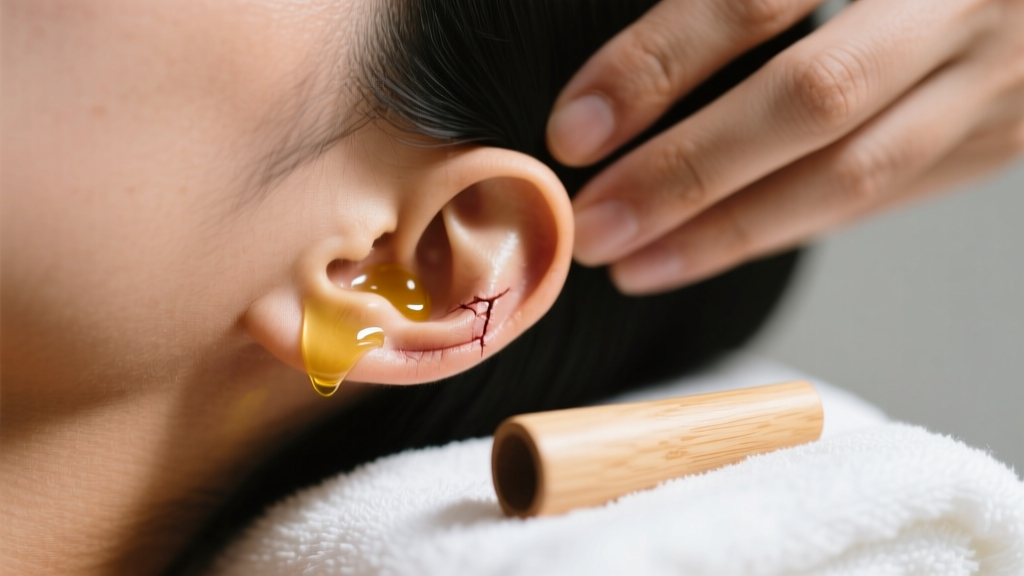
Deep Cleaning and Material-Specific Maintenance
The APP Jewelry Guidelines emphasize that not all materials are created equal, especially for long-term wear in stretched lobes. Your deep cleaning and maintenance routine must respect the chemical and physical properties of your chosen plugs.
Non-Porous Materials (Implant-Grade Titanium, Borosilicate Glass, 316L Steel)
These are the gold standards for healed and freshly stretched lobes. They can be sterilized in an autoclave and cleaned with harsh chemicals if necessary, though warm soap and water is usually enough. Titanium (ASTM F-136) is highly recommended for its biocompatibility and lightweight nature, which prevents lobe thinning at larger 00g and 1-inch sizes.
Organic Materials (Wood, Bone, Horn)
Organic plugs are beautiful but highly porous. They absorb moisture, sweat, and bacteria, which can cause them to warp, crack, or smell.
- Never wear wood in unhealed stretches or in the shower.
- Conditioning: Once a month, remove your wooden plugs and rub them with a natural oil like jojoba or coconut oil. Let the oil absorb for an hour, then buff them completely dry with a microfiber cloth before reinserting.
Silicone
Silicone is lightweight and flexible, making it a favorite for sleeping or active lifestyles. However, its high-friction surface can cause micro-tears in the fistula if inserted without lubrication. Always use a water-based lubricant or a drop of jojoba oil when inserting silicone plugs at larger earring plug sizes to prevent tissue abrasion.
Troubleshooting Common Issues: Blowouts and Thinning
Even with meticulous care, issues can arise. Recognizing the early warning signs is the difference between a minor setback and permanent tissue damage.
Expert Insight: A blowout is not a sudden event; it is the culmination of chronic tissue stress. If the skin inside your fistula turns red, feels tender to the touch, or begins to protrude from the back of the plug, you must immediately downsize your jewelry by one or two sizes and switch to lightweight glass or titanium.
Combating Lobe Thinning
Thinning occurs when the weight of heavy jewelry (like stone or steel at 0g and above) restricts blood flow to the bottom of the fistula, causing the tissue to atrophy. To prevent this, practice 'lobe conditioning.' Massage your lobes daily with pure, unrefined jojoba oil or Vitamin E oil. This increases local blood circulation, promotes collagen production, and keeps the scar tissue pliable and thick.
Dealing with Dryness and Flaking
If the skin inside your fistula becomes dry and flaky, avoid the temptation to over-wash it. Over-washing strips the skin of its natural lipid barrier. Instead, reduce soap use to every other day, rinse with plain warm water on off-days, and apply a tiny drop of squalane oil to the fistula interior using a clean cotton swab.
Final Thoughts on Long-Term Ear Health
Maintaining stretched lobes across varying earring plug sizes is a practice in mindfulness and body awareness. By respecting the biological limits of your tissue, choosing biocompatible materials like implant-grade titanium and borosilicate glass, and adhering to a strict, size-appropriate cleaning regimen, you ensure your modifications remain healthy, vibrant, and comfortable for a lifetime. Listen to your body, adjust your jewelry weight as needed, and never compromise on hygiene.


