Earring Post Buying Guide: Materials, Gauges, and Locking Backs
Discover what to look for in an earring post. Our buying guide covers hypoallergenic metals, standard gauge sizes, and secure backing mechanisms.
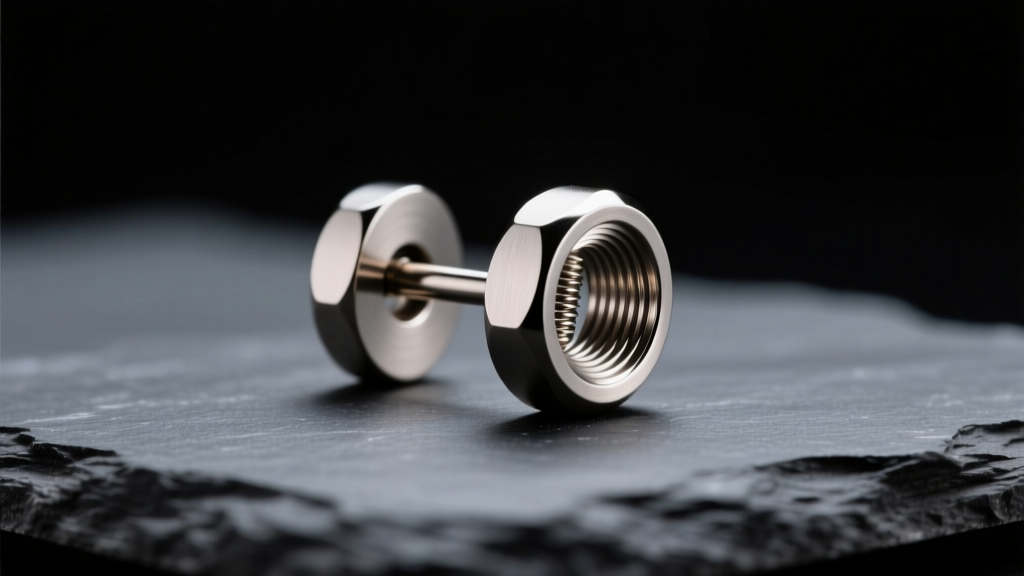
Why the Earring Post Matters More Than the Front
When shopping for fine jewelry, consumers overwhelmingly focus on the decorative front—the diamond clarity, the gemstone cut, or the intricate metalwork of a huggie hoop. However, the structural integrity, biocompatibility, and security of your jewelry rely entirely on the earring post. As of 2026, the fine jewelry and professional piercing industries have heavily shifted toward prioritizing post anatomy, recognizing that a poorly manufactured post is the leading cause of contact dermatitis, migration, and lost heirloom diamonds.
The earring post is the shaft that passes directly through the fistula (the piercing channel). It must withstand the biomechanical stress of daily movement, the acidic environment of human sebum, and the pressure of sleeping. This comprehensive buying guide breaks down the exact metallurgical standards, gauge dimensions, and locking mechanisms you need to evaluate before purchasing your next pair of studs, labrets, or cartilage earrings.
Decoding Earring Post Materials: What Touches Your Skin
The metal composition of the post dictates both its longevity and your body's immune response. According to the National Center for Biotechnology Information (NCBI), nickel allergy is the most common contact allergy worldwide, affecting up to 20% of the population. Because the post sits inside the body, it requires stricter material grades than the decorative front.
Implant-Grade Titanium (ASTM F136)
This is the undisputed gold standard for earring posts, especially for fresh piercings or hyper-sensitive ears. ASTM F136 titanium contains zero nickel and is highly resistant to corrosion. It is lightweight, incredibly strong, and can be polished to a mirror finish that prevents bacterial adhesion. If you are buying cartilage studs or sleeping earrings, titanium should be your default choice.
14k and 18k Solid Gold
Gold is a classic choice, but pure 24k gold is too soft for an earring post; it will bend and snap under minor pressure. Therefore, gold must be alloyed. When buying gold posts, verify the alloy composition. Yellow and rose gold are generally safe, but white gold is often alloyed with nickel to achieve its silver color. Always request palladium-alloyed white gold to avoid severe allergic reactions.
316L Stainless Steel vs. "Surgical Steel"
The term "surgical steel" is largely a marketing fabrication. Most commercial stainless steel jewelry is 316L, which contains between 8% and 10% nickel. While the nickel is tightly bound in the alloy matrix, prolonged exposure to sweat and friction can cause nickel ions to leach out, triggering irritation bumps. Stainless steel posts are acceptable for fully healed, non-sensitive earlobes, but they should be avoided for cartilage or new piercings.
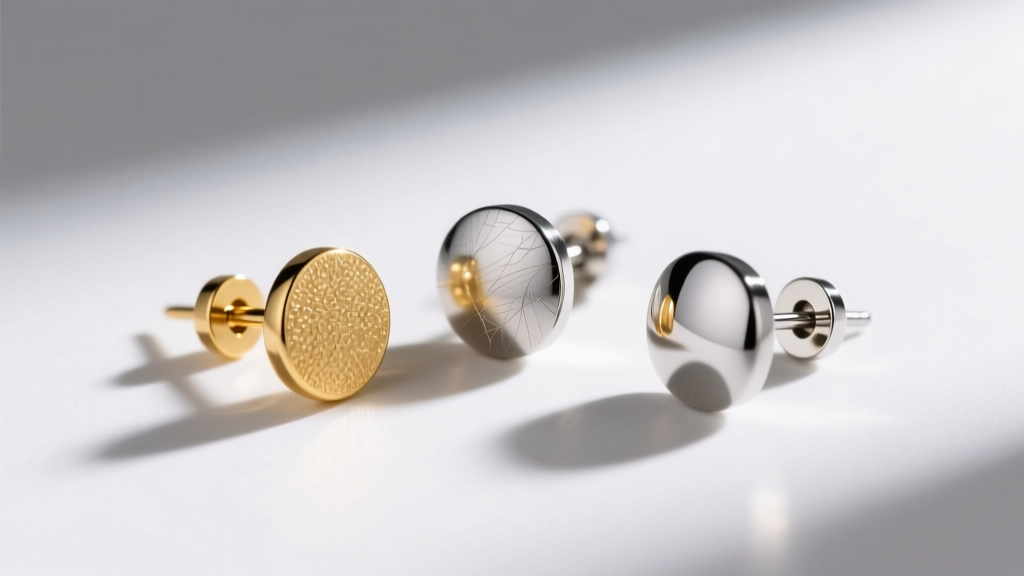
Gauge Sizes and Lengths: Getting the Exact Fit
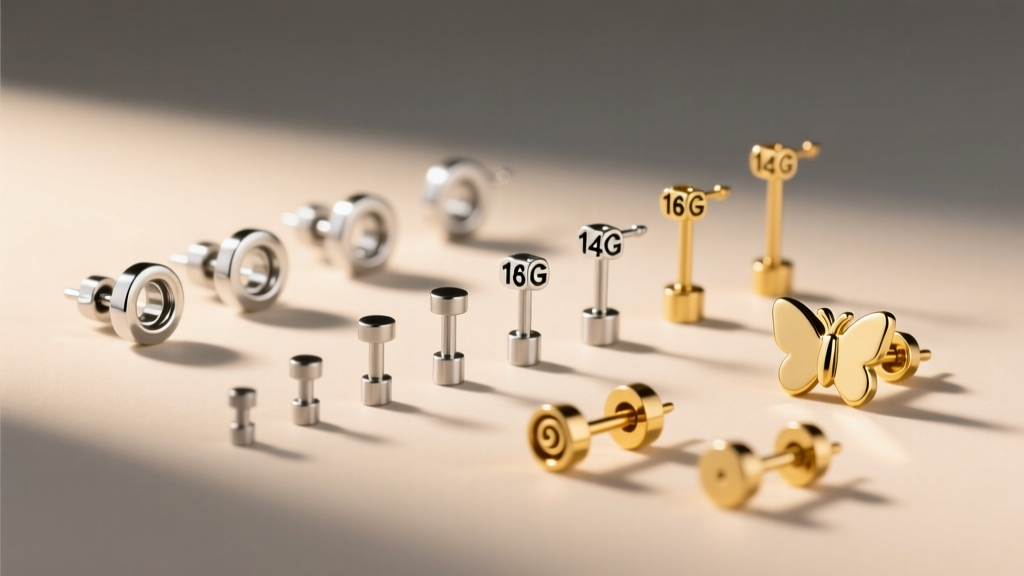
A common mistake buyers make is assuming all earring posts are a universal size. The thickness (gauge) and length of the post must match the specific anatomy of your piercing. A post that is too long will catch on hair and clothing, leading to irritation bumps, while a post that is too thick can cause tissue tearing.
| Piercing Location | Standard Gauge (Thickness) | Standard Post Length | Biomechanical Notes |
|---|---|---|---|
| Standard Earlobe | 20G (0.81mm) or 18G (1.02mm) | 6mm - 8mm | Thinner 20G posts are common in commercial jewelry but prone to bending. 18G offers better structural support. |
| Helix / Cartilage | 16G (1.29mm) or 14G (1.63mm) | 6mm - 8mm (Healed) | Cartilage requires thicker posts to prevent the "cheese-cutter effect" where thin wire migrates through the tissue. |
| Tragus / Conch | 16G (1.29mm) | 6mm - 10mm | Length varies heavily based on ear thickness. Flat-back labrets are mandatory here to avoid pressing into the head. |
For a precise fit, the Association of Professional Piercers (APP) recommends getting your ear measured with a digital caliper before purchasing high-end diamond studs, ensuring the post length accommodates your specific tissue depth without protruding excessively.
Friction vs. Threaded vs. Push-Pin: Backing Mechanisms
The mechanism that secures the earring post is just as critical as the metal itself. The backing dictates how secure your jewelry is and how much bacteria it traps.
Butterfly Friction Backs
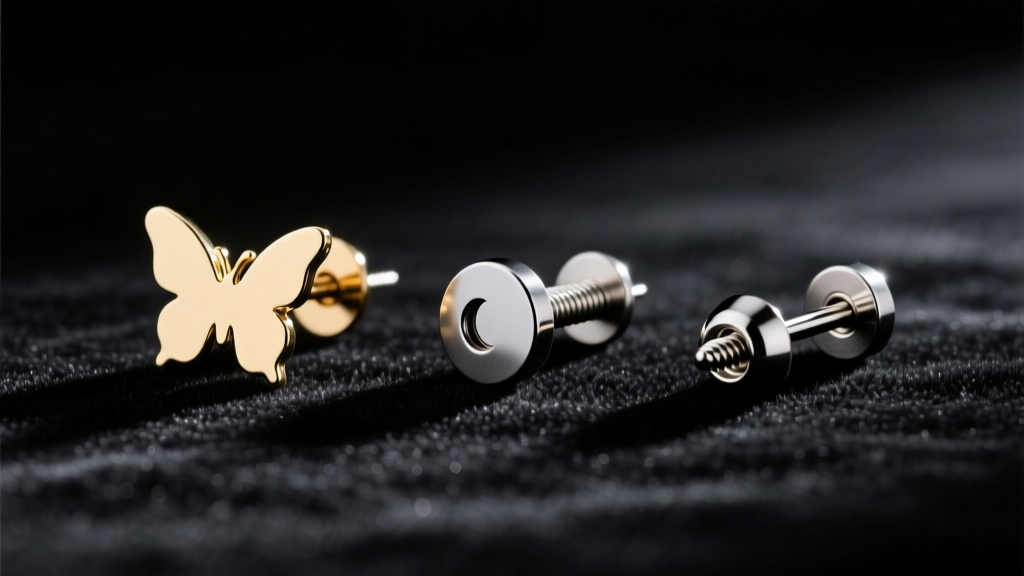
The traditional push-on butterfly back relies on metal dimples gripping grooves on the post. Verdict: Avoid for expensive jewelry. They harbor dead skin and sebum, restrict airflow, and frequently fall off when caught on sweaters or pillows.
Internally Threaded Screw-Ins
In this system, the screw threads are located on the decorative front or the backing, while the earring post itself is completely smooth and hollow at the end. Verdict: Excellent. The smooth post glides through the piercing without tearing tissue, and the screw mechanism provides high security. Always avoid externally threaded posts, where the sharp screw threads are on the post itself, as they act like a cheese grater on the fistula.
Threadless (Push-Pin) Systems
Threadless jewelry uses tension. The decorative end has a tiny, slightly bent pin that inserts into the hollow earring post. Bending the pin slightly before insertion creates a custom friction fit inside the post. Verdict: The most secure and user-friendly option on the market in 2026. It will not unscrew itself, and it allows for seamless swapping of decorative ends without removing the post from the ear.
Troubleshooting Common Earring Post Failures
Even high-quality jewelry can present issues if the post specifications are mismatched to the wearer's lifestyle. Here is how to troubleshoot the most frequent post-related complaints:
- The Post Keeps Bending: This occurs frequently with 20G or 22G gold or silver posts, especially if you sleep on them. Solution: Upgrade to an 18G or 16G implant-grade titanium flat-back labret. Titanium has a significantly higher yield strength than gold or silver.
- Persistent Irritation Bumps: If you develop a bump near the piercing hole, the post is likely too long, allowing the earring to move and bang against the healing tissue. Solution: Visit a piercer to downsize the post length. A snug fit eliminates micro-trauma.
- The Earring Sits Crooked: This happens when the post is too thin for the piercing channel, or the backing is clamped on at an angle. Solution: Switch to a flat-back labret post, which rests flush against the inner ear wall, forcing the front decorative element to sit perfectly perpendicular.
"The shift toward flat-back, internally threaded, and threadless earring posts represents the most significant advancement in daily-wear jewelry comfort over the last decade. Traditional butterfly backs are rapidly becoming obsolete among fine jewelry collectors."
Final Checklist for Your Next Purchase
Before adding a new pair of studs or cartilage earrings to your cart, run the product specifications through this expert checklist:
- Verify the Metal Grade: Look for "Implant-Grade Titanium (ASTM F136)" or "Nickel-Free 14k/18k Gold". Ignore the term "hypoallergenic" if no specific metal grade is listed.
- Check the Threading: Ensure the post is internally threaded or threadless. Never buy externally threaded fine jewelry.
- Measure the Length: Confirm the post length (e.g., 6mm) matches your tissue depth. Standard lobe studs are usually 6-8mm; cartilage requires precise measuring.
- Evaluate the Backing Profile: For sleepers or active lifestyles, flat-back discs are vastly superior to traditional butterfly clutches for comfort and security.
By shifting your focus from the sparkle of the gemstone to the engineering of the earring post, you ensure that your jewelry remains comfortable, secure, and biocompatible for a lifetime of daily wear.