Earring Stack Ideas: Expert Care & Cleaning for Curated Ears
Discover expert care and cleaning tips for your favorite earring stack ideas. Learn how to maintain implant-grade titanium, gold, and delicate curations.

The Hidden Maintenance Behind the Best Earring Stack Ideas
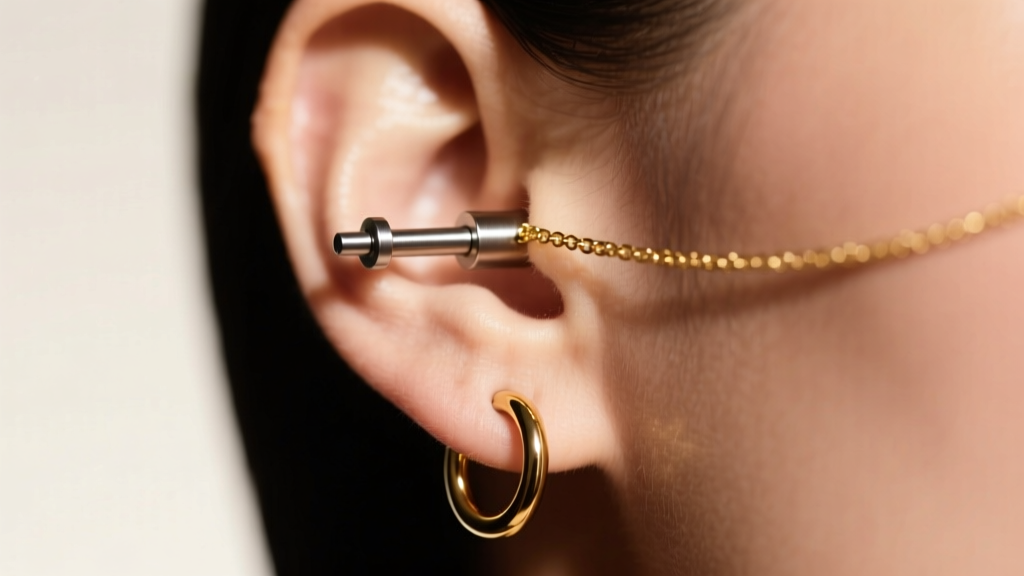
In 2026, the curated ear has evolved from a niche subculture into a mainstream staple of personal styling. When browsing for visually striking earring stack ideas, most enthusiasts focus entirely on aesthetics: the interplay of a delicate helix chain with a chunky conch hoop, or the symmetry of a rook barbell paired with a lobe cluster. However, the true hallmark of a masterful ear curation is not just how it looks on day one, but how it withstands the test of time, sebum, and environmental exposure. The most sustainable and hygienic earring stack ideas rely on a rigorous, material-specific maintenance routine.
Stacking multiple pieces of jewelry in close proximity creates micro-environments where dead skin cells, natural oils, and hair products accumulate. This is especially true for snug huggie hoops and flat-back labrets that sit flush against the skin. Without proper intervention, this buildup leads to contact dermatitis, localized infections, and the degradation of expensive fine jewelry. According to the Association of Professional Piercers (APP), maintaining the integrity of both the piercing channel and the jewelry alloy requires moving beyond generic cleaning wipes and adopting a clinical approach to daily jewelry hygiene.
Material-Specific Cleaning Protocols
Executing complex earring stack ideas often involves mixing metals and gemstones. A common 2026 trend pairs implant-grade titanium posts with 14k or 18k solid gold threadless ends (from premium brands like BVLA and Neometal). Each material reacts differently to cleaning agents, meaning a one-size-fits-all approach can permanently damage your investment.
Implant-Grade Titanium (ASTM F-136)
ASTM F-136 titanium is the gold standard for piercing posts, particularly for 16-gauge and 14-gauge flat-back labrets used in lobe and flat stackings. Titanium is highly inert and relies on a passive oxide layer to resist corrosion. While it is incredibly resilient, harsh chemicals like bleach or undiluted rubbing alcohol can compromise the polished mirror finish of the post, creating microscopic scratches where bacteria can harbor. For titanium, a simple soak in warm water with a few drops of mild, fragrance-free castile soap is the safest and most effective method to dissolve sebum without damaging the metal's passivation layer.
Solid Gold and Delicate Gemstone Ends
When exploring luxury earring stack ideas, you will inevitably encounter gold ends set with precious and semi-precious stones. Here, the Gemological Institute of America (GIA) guidelines are critical. While diamonds and sapphires (Mohs hardness 9-10) can withstand gentle ultrasonic cleaning, softer or treated stones require extreme caution. Opals, emeralds, and moonstones—frequently used in ethereal, celestial-themed ear stacks—are highly porous or fracture-filled. Exposing these gems to ultrasonic frequencies (typically 40kHz) or harsh chemical dips will cause internal fracturing, clouding, or complete disintegration of the stone.
The Cleaning Arsenal: What to Use and What to Avoid
To maintain the brilliance of your curated ear, you must curate your cleaning supplies just as carefully as your jewelry box. Below is a definitive guide to the chemical interactions between common household cleaners and fine body jewelry.
| Cleaning Agent | Best Used For | Materials to Avoid | Expert Verdict |
|---|---|---|---|
| Sterile Saline (0.9% NaCl) | Flushing fresh piercings, daily dust removal | None (universally safe) | Excellent for wound care, but lacks the surfactants needed to break down heavy oil and hair product buildup on jewelry. |
| Mild Castile Soap | Degreasing titanium posts, cleaning gold hoops | Porous pearls, untreated turquoise | The best all-around cleaner for weekly deep-cleaning of stacked jewelry. Must be rinsed thoroughly to prevent soap film. |
| Isopropyl Alcohol (70%+) | Sanitizing jewelry before initial insertion | Opals, emeralds, pearls, acrylic, silicone O-rings | Too harsh for daily wear cleaning. It strips natural oils and can dry out and crack organic gemstones and rubber O-rings. |
| Ultrasonic Cleaner (40kHz) | Deep-cleaning diamond and sapphire threadless ends | Opals, emeralds, moonstones, plated jewelry | Highly effective for removing microscopic debris from intricate prong settings, but strictly limited to hard, untreated gems. |
The Daily & Weekly Routine for Stacked Ears
Maintaining a multi-piercing stack requires a disciplined routine. The goal is to prevent the accumulation of biofilm—a thin, slimy layer of bacteria that adheres to the jewelry post and the inside of the piercing fistula.
The Daily Micro-Cleanse
- Step 1: After showering, gently pat the ear dry with a disposable, lint-free paper towel. Avoid terrycloth bath towels, which harbor bacteria and easily snag on delicate huggie hoops and chain connectors.
- Step 2: Spray a sterile 0.9% saline solution directly onto the front and back of your flat-back labrets and hoop hinges.
- Step 3: Use a clean, dry cotton swab to gently wipe away any softened debris around the base of the post. Do not twist or rotate the jewelry, as this introduces micro-tears into the healed fistula.
The Weekly Deep Degrease
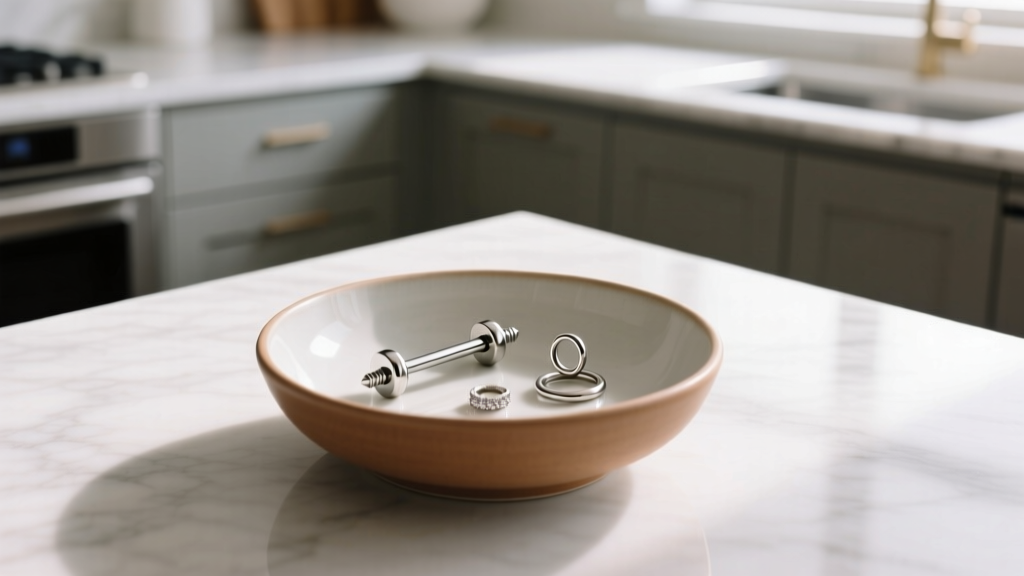
Once a week, your earring stack needs a thorough degreasing to remove accumulated hair oils, dry shampoo, and skincare residues. Prepare a small ceramic bowl with warm (not hot) water and a pea-sized amount of unscented liquid castile soap. If your stack includes threadless ends that are easily removable, gently pop the pin out of the post using a clean towel to catch the end. Submerge the jewelry for 5 to 10 minutes. Use a dedicated, ultra-soft baby toothbrush to gently agitate the prong settings and the inside of the hoop hinges. Rinse under distilled water to prevent hard water mineral spots on your gold, and dry completely with a microfiber cloth before reassembly.
Troubleshooting Common Curated Ear Issues
Even with meticulous cleaning, the physical mechanics of wearing multiple earrings in close proximity present unique challenges. Understanding these failure modes is essential for anyone serious about long-term ear styling.
Snagging and Tension in Chain Stacks
One of the most popular earring stack ideas involves connecting a lobe hoop to a helix stud via a delicate gold chain. While visually stunning, these chains act as tension wires. If the chain snags on a sweater or hairbrush, the kinetic energy is transferred directly to the helix and lobe piercings, causing trauma, migration, or tearing. Expert Tip: Always use a slightly larger gauge for the anchor piercings (e.g., a 14-gauge helix post instead of a standard 18-gauge) to provide structural support against the chain's tension. Clean the chain links weekly by dragging them through a soapy microfiber cloth to prevent grime from stiffening the links.
Moisture Traps in the Conch and Rook
The anatomy of the inner ear creates natural moisture traps. A conch piercing fitted with a large, flat-back disc, or a rook piercing adorned with a tight-fitting clicker hoop, can trap water after swimming or showering. This damp, dark environment is a breeding ground for fungal and bacterial overgrowth. To combat this, keep a dedicated, low-heat setting on your hair dryer. After washing your hair or swimming, use the cool or low-warm air setting to thoroughly dry the inner crevices of your ear stack. This simple 30-second habit drastically reduces the risk of localized irritation bumps and contact dermatitis.
When to Remove Your Stack for Deep Maintenance
While high-quality, internally threaded, or threadless jewelry is designed for long-term wear, there are moments when removal is non-negotiable. If you notice a persistent, foul odor (often colloquially referred to as "ear cheese") that survives a weekly deep clean, it indicates that dead skin cells have become impacted between the jewelry post and the wall of the piercing channel. At this stage, the jewelry must be removed to allow the fistula to breathe and exfoliate naturally.
Furthermore, if you are transitioning your earring stack ideas from winter heavy metals to lightweight summer acrylics or glass, take the opportunity to let your earlobes and cartilage rest for 24 to 48 hours. Massage the tissue gently with pure, cold-pressed jojoba oil to maintain skin elasticity and promote healthy blood flow to the cartilage. By treating your curated ear as a living canvas that requires both aesthetic vision and biological respect, your jewelry will remain as brilliant and comfortable in its tenth year as it was on the day of insertion.


